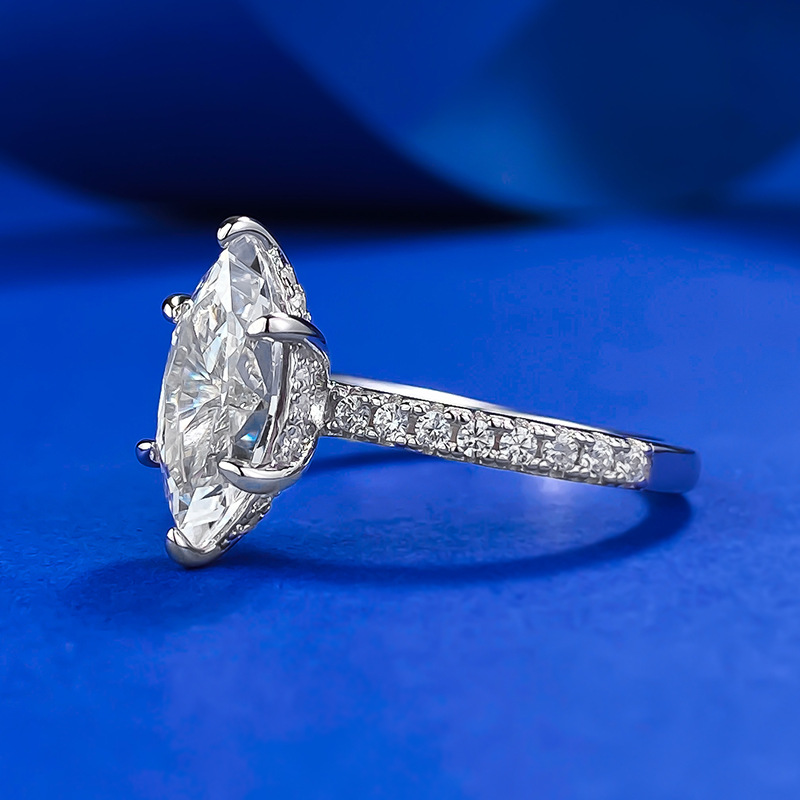
Wedding Ring Metal Choices: Platinum vs Gold
Choosing a Wedding Ring Metal gets more interesting once you compare how each option wears over time. Platinum and gold both make beautiful bands, but they age differently, feel different, and work with different budgets. If you're comparing wedding Ring Metal Choices Platinum vs Gold, the right pick depends on your lifestyle, style preferences, and how much upkeep you want.
Most shoppers start with three questions: how the ring holds up, how it looks after years of wear, and what it costs upfront. Those are the right questions. A ring goes through workouts, handwashing, travel, office days, and weekends at home. Why Choose a Metal based only on showroom shine if it won't suit your routine?
Why the Metal Choice Matters
Platinum and gold have been trusted Wedding Ring Metals for generations. Platinum is naturally white, dense, and known for its weight. Gold comes in yellow, white, and rose, with karat levels that affect color, hardness, and price.
The choice matters because daily wear changes a ring. A band that looks perfect on the day you buy it may pick up marks, lose plating, or develop a soft patina after a few years. That's why Wedding Ring Metal choices Platinum vs Gold should be judged on real life, not just photos.
Most shoppers compare these factors:
- Durability and scratch behavior
- Color and style options
- Maintenance over time
- Price and value
- Comfort on the hand
- How it pairs with an engagement ring
GIA notes that platinum is naturally white and highly valued for jewelry use, while gold's properties shift with karat and alloy mix. In plain terms, the metal you choose changes how the ring looks, feels, and ages. Buyers who match the metal to their lifestyle usually end up happiest years later.
Platinum Wedding Rings: Pros and Cons
Platinum is one of the most respected metals in bridal jewelry. It has a naturally white color, so it doesn't need plating to stay bright. That makes it a strong choice if you want a ring that keeps its tone over time.
Platinum also feels substantial. Many buyers like that heavier feel because it reads as solid and secure on the hand. It can be especially nice on wider bands or detailed settings.
Another plus is skin comfort. High-purity platinum alloys are often a good option for people with metal sensitivities. If that matters to you, platinum deserves a close look.
Platinum benefits
- Naturally white color that doesn't need rhodium plating
- Dense feel that many wearers associate with quality
- Good option for secure diamond settings
- Often preferred for sensitive skin
- Strong reputation in bridal jewelry
Platinum's density also helps in settings that need extra hold. That's useful for pavé bands, side-stone rings, and higher-set center stones. For Wedding Ring Metal choices Platinum vs Gold, this security factor often matters more than people expect.
Platinum does develop a patina. That soft, satiny finish comes from tiny surface marks, not from the ring losing value or failing. Some people like the lived-in look. Others prefer to polish the band now and then to bring back a brighter shine.
Platinum drawbacks
- Usually higher upfront cost than gold
- Heavier feel isn't for everyone
- Patina appears with regular wear
- Scratches can show in polished finishes
Price is the biggest hurdle for many shoppers. Platinum usually sits in a premium range because it is denser and costs more to work with. Ring design, width, and market pricing can all shift the final number, but platinum generally starts higher than gold.
If you want a naturally white metal and a ring that feels solid every day, platinum makes a strong case. If you care more about budget, color variety, or a lighter feel, gold may fit better.
Gold Wedding Rings: Pros and Cons
Gold gives you the widest style range of the two metals. Yellow gold feels timeless. White gold has a cool, diamond-forward look. Rose gold adds warmth and a softer, romantic tone.
Gold is measured in karats. Common options include 14K and 18K. Eighteen-karat gold contains more pure gold, which creates a richer color. Fourteen-karat gold uses more alloy metal, so it's usually harder and more budget-friendly.
Gold strengths
- Yellow, white, and rose color options
- Usually lower starting price than platinum
- Easy to match with other jewelry
- Strong choice for classic and modern styles
- Karat options help balance beauty and durability
That flexibility is a big reason gold stays so popular. Wedding Ring Metal choices Platinum vs Gold often come down to the look you want and the amount you want to spend. Gold gives you more room to make that call.
Yellow gold has a long bridal history, and it still works beautifully today. It flatters many skin tones and feels especially good in vintage or heirloom-inspired designs. White gold offers a similar look to platinum at a lower price, while rose gold stands out in mixed-metal stacks and softer settings.
Still, gold has trade-offs. Its performance depends on the karat and alloy mix. Lower-karat gold is usually harder, while higher-karat gold has a richer color but can be softer.
White gold also usually needs rhodium replating to keep its bright finish. Over time, that plating can wear away and reveal the warmer color underneath. If you don't want that maintenance, platinum may be easier to live with.
Gold drawbacks
- Durability changes with karat and alloy mix
- White gold may need rhodium replating
- Higher-karat gold can scratch more easily
- Finish can shift as plating wears
Gold can Last a Lifetime, but the long-term experience depends on the exact ring. A 14K yellow band behaves differently from an 18K white gold pavé setting. That's why Wedding Ring Metal choices Platinum vs Gold should always be compared by karat, color, and ring design, not just by name.
Platinum vs Gold: Side-by-Side
Here's a practical look at how the two metals compare.
| Category | Platinum | Gold |
|---|---|---|
| Durability | Dense and built for daily wear | Strong, but karat affects hardness |
| Color | Naturally white, no plating needed | Yellow, white, and rose options |
| Maintenance | Develops patina; can be polished | White gold may need replating |
| Comfort | Heavier, substantial feel | Lighter to moderate feel |
| Price | Usually higher upfront cost | Often more flexible |
| Rarity in jewelry | Less common | More widely used |
| Long-term look | Keeps white color, shows patina | Finish varies by type and care |
Which one wins in each category?
Durability: Platinum usually wins for daily wear because of its density. It tends to move metal rather than lose it as quickly as many gold alloys.
Color: Platinum is the simplest choice if you want a naturally white ring. Gold wins if you want more variety.
Maintenance: Platinum doesn't need rhodium plating, but it does develop patina. White gold often needs replating to stay bright.
Comfort: This one is personal. Some people love platinum's weight. Others prefer the lighter feel of gold, especially on slimmer bands.
Price: Gold usually gives you more entry points. Platinum tends to cost more, though the final price depends on the design.
Prestige and rarity: Platinum is rarer in jewelry use and often feels more premium. Gold is the more familiar choice and offers the most flexibility.
A closer look at long-term wear
Jewelers and GIA both talk about alloy composition, finish retention, and scratch behavior when they explain metal performance. That's the real story behind a ring that still looks good years later. A piece can age beautifully if it fits the wearer and the ring is made well.
A 14K gold band may hold its shape better than a softer high-karat ring. A platinum band may keep its structure well, but it can pick up a softer surface finish faster than some shoppers expect. So the better metal depends on whether you want polished brightness, visible aging, or less upkeep.
Here’s the short version: if you want the lowest-maintenance white metal, platinum is hard to beat. If you want more color options and more price levels, gold gives you more ways to shop.
Quick decision guide
- Choose platinum if you want a naturally white metal with strong daily-wear performance.
- Choose gold if you want more color options and a wider price range.
- Choose white gold if you want a platinum look with a lower starting price.
- Choose yellow gold if you want a classic, warm finish.
- Choose rose gold if you want a softer, modern tone.
Which Metal Fits Your Life Best?
Wedding Ring Metal choices Platinum vs Gold make more sense once you think about your routine. The best ring is the one You Can Wear Every Day without worrying about constant upkeep or buyer's remorse.
Platinum is a strong fit if you:
- Work with your hands or wear your ring all day
- Want a naturally white metal without plating
- Prefer a heavier, more solid feel
- Have sensitive skin and want a high-purity option
- Care more about long-term wear than the lowest starting price
Platinum is a smart choice for buyers who want a ring that feels like a long-term piece, not a fashion cycle. It also pairs well with white metal engagement rings and cooler diamond settings. If you already own a platinum engagement ring, matching the band can make the set feel seamless.
Gold is a strong fit if you:
- Want more color choices
- Need a lower starting price
- Prefer yellow gold or rose gold
- Like mixing metals in your stack
- Want a ring that coordinates easily with other jewelry
Gold is also practical if you're trying to balance style and value. A 14K or 18K gold ring can look beautiful without the premium attached to platinum. If you want to Build a Bridal set with room to match other pieces, gold gives you plenty of options.
Style tips that help
- Match the band to the engagement ring if you want a seamless look.
- Mix metals if you like contrast or already wear both tones.
- Consider your skin tone, but don't treat it as a hard rule.
- Think about what you wear most days. If your jewelry is mostly silver-toned, platinum or white gold may feel more natural.
If you're comparing rings for a full bridal look, you can explore our engagement rings and pair them with a Band That Fits the same metal family. If you want to compare more styles, you can also browse our jewelry collection.
Expert Recommendation
at StoneBridge Jewelry, we usually start with wear habits, then budget, then style. That order keeps the choice simple.
Choose platinum if your priority is durability, natural whiteness, and a premium feel. It’s often the better fit for buyers who want less color maintenance and a ring that handles constant wear well. For higher-contact lifestyles, platinum remains one of the most trusted bridal metals.
Choose gold if you want more design freedom, a broader price range, and a specific color story. Gold is often the smarter buy for shoppers who want beauty, tradition, and flexibility in one ring. White, yellow, and rose gold all have real staying power for a reason.
We often tell customers to choose the metal they'll enjoy wearing every day, not the one that sounds most impressive. If you need help comparing profiles, sizing, or matching a band to an existing setting, our team can help you contact our jewelry experts. If you'd like to build around your exact preferences, try our ring builder.
FAQ: Platinum vs Gold Wedding Rings
What is better for a wedding ring, platinum or gold?
Platinum is often better if you want a naturally white metal, strong daily wear, and a good option for sensitive skin. Gold is a better fit if you want more color choices, more style flexibility, and more price points. When people compare Wedding Ring Metal Choices Platinum vs Gold, the right answer usually comes down to lifeStyle and Budget. If you're unsure, think about how much upkeep you want to handle over time.
How do platinum and gold wedding rings age over time?
Platinum usually develops a soft patina, which many people like because it gives the ring character. Gold ages differently depending on karat and color, and white gold may need replating to stay bright. Both metals can stay beautiful for decades if they're cared for well. The key is choosing the One That Fits how you actually wear jewelry.
Is platinum worth the extra cost over gold?
For some buyers, yes. Platinum can be worth it if you want a naturally white finish, a heavier feel, and less color maintenance. Gold is still a strong choice if you want to save money or prefer yellow, white, or rose tones. Many couples decide the premium is worth it once they compare daily wear and long-term upkeep.
Which wedding ring metal is better for active lifestyles?
Platinum is often the better fit for active wear because it has a dense, solid feel and holds up well to everyday use. That said, a well-made 14k Gold Ring can also be a smart pick if you want something durable without the higher price of platinum. The best choice depends on the ring style, the karat, and how hard you are on your jewelry. If you work with your hands, ask about band width and finish too.
What do jewelers usually recommend for platinum vs gold?
Most jewelers start by asking what matters most to you: color, upkeep, comfort, or budget. Platinum is often recommended for buyers who want a premium white metal and a ring that doesn't need plating. Gold is often recommended for shoppers who want more design choices and a lower entry price. If you're stuck between the two, try both on and see Which One Feels right on your hand.
Shop the Right Metal
If you're narrowing down wedding Ring Metal Choices Platinum vs Gold, start with the look, feel, and upkeep you want for everyday wear. Platinum is the stronger pick for a naturally white finish and a premium feel. Gold gives you more color, more price flexibility, and more styling options.
Shop the metal that fits your life best. If you're ready to compare rings side by side, shop our lab-grown diamonds, try our ring builder, or read more on our blog Before You Choose your Wedding Ring Metal.
Ready to Find Your Perfect Diamond?
Explore our collection of certified lab-grown diamonds
Shop Diamonds