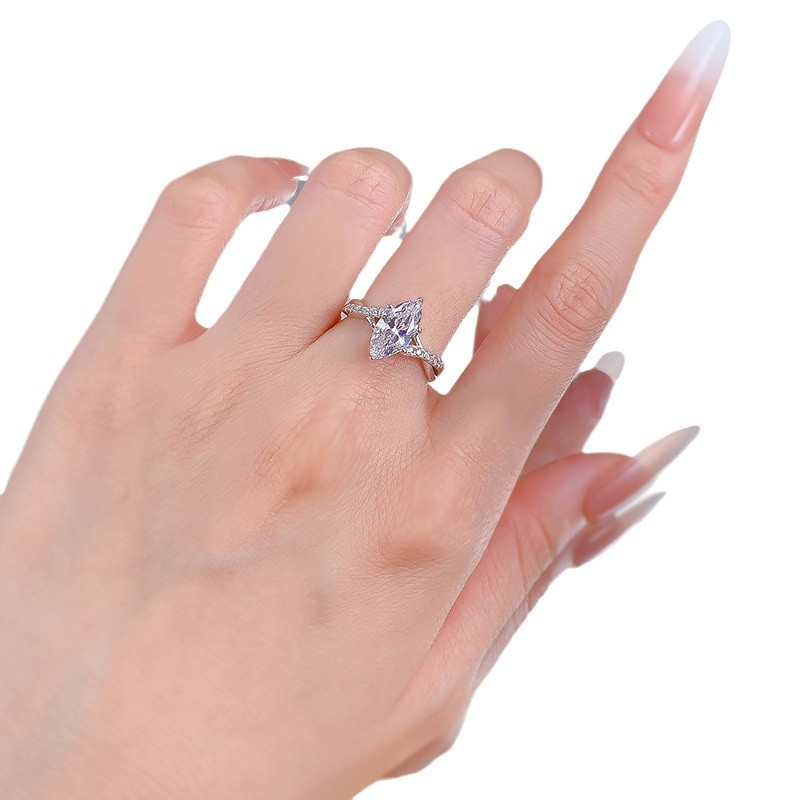
Platinum vs Gold Wedding Rings: Choosing the Best Everyday Metal
Choosing the Right metal matters because a wedding band lives on your hand every day. The choice between platinum and gold affects how the ring looks, how it wears, and how much care it needs. If you’re comparing Wedding Ring Metal choices Platinum vs Gold, start with your daily routine, your style, and your budget.
Platinum has a naturally white look and a heavier feel. Gold gives you more color options, from warm yellow to soft rose. Both can make excellent wedding bands, so the better pick depends on how you plan to wear the ring for the next 20 years or more.
Platinum vs Gold Wedding Rings: What Really Matters
Platinum and gold are both precious metals, but they behave differently once they’re shaped into rings. That difference shows up in weight, color, upkeep, and long-term wear.
Platinum is usually used in high-purity alloys such as 950 platinum, which means the ring is about 95% platinum. Gold Wedding Bands are often made in 14K or 18K. A 14K ring contains 58.3% pure gold, while 18K contains 75% pure gold.
Those numbers matter. They affect color, hardness, and how the ring ages. They also affect price. Couples often start with looks and end up choosing based on comfort, maintenance, and how the ring feels in daily life.
Another detail that matters is what happens when the ring gets scratched. Platinum displaces metal rather than losing as much of it over time, so it can develop a soft patina without thinning in the same way. Gold alloys can still be durable, but they may show wear differently depending on karat, thickness, and how often they contact hard surfaces. That’s why two bands that look similar in a showroom can age very differently after years of wear.
Key factors to compare
- Color and style
- Daily wear and scratch behavior
- Maintenance and polishing
- Budget and long-term value
- Weight and comfort
- Fit with an engagement ring
If you’re still building the full bridal set, it helps to explore our engagement rings before choosing the band metal. Matching the band to the setting can make the whole set feel more balanced.
Platinum Wedding Rings: Pros, Cons, and Best Uses
Platinum has a clean, naturally white color that many buyers love. It doesn’t need rhodium plating to stay white, so the color stays true over time. That’s one reason it remains a favorite for everyDay Wedding Bands.
It also feels substantial. Platinum is denser than gold, so the ring usually has more presence on the hand. Some people love that weight. Others prefer something lighter.
For buyers shopping diamond-accented platinum bands, the metal’s strength can be helpful around prongs and pavé work. A well-made platinum setting can hold small stones securely, especially when the ring is built with enough metal around each diamond. That said, no metal makes a ring immune to damage, so setting quality still matters more than the metal alone.
Why couples choose platinum
- Naturally white color that doesn’t need plating
- Heavy, solid feel on the finger
- Strong choice for daily wear
- Good option for sensitive skin
- Pairs well with colorless diamonds
Platinum does not wear exactly like gold. Instead of losing metal quickly, it tends to move slightly when it gets scratched. That often creates a soft patina over time. Some people like that lived-in look. If you want a bright polish, you’ll need the occasional buffing.
That patina is often misunderstood. It is not the same as neglect. Many people intentionally keep platinum in a lightly brushed or softly polished finish because it hides small marks well and keeps the ring looking understated. If you prefer mirror shine, ask whether the jeweler can restore the finish during periodic maintenance.
Platinum advantages
- Hypoallergenic friendly: Platinum is often alloyed without nickel, which makes it a smart pick for sensitive skin.
- Natural whiteness: The color stays white without extra plating.
- Heirloom appeal: Many couples want platinum for a ring they hope to pass down.
- Premium feel: The extra weight gives the ring a rich, solid feel.
Platinum drawbacks
- Higher price: Platinum wedding bands usually cost more than similar gold bands.
- Heavier on the hand: Some wearers notice the weight right away.
- Patina over time: Daily wear can soften the finish.
- More specialized resizing: The metal can be resized, but some designs need extra care.
For shoppers who want a naturally white ring with low skin irritation and no plating upkeep, platinum is a strong first stop. If that sounds like your style, compare it against gold with your everyday habits in mind.
If you want to compare metal styles across other jewelry types, you can also browse our jewelry collection.
Gold Wedding Rings: Yellow, White, and Rose Options
Gold stays popular because it gives you more style choices and more control over price. The question usually isn’t whether gold works. It’s which gold color and karat level fits you best.
One advantage of gold is how easy it is to personalize. You can choose a narrow polished band, a wider comfort-fit style, a hammered finish, a milgrain edge, or a diamond eternity look. Gold’s flexibility makes it a good option if you want the ring to reflect your taste more than a single metal category.
Yellow gold, white gold, and rose gold
Yellow gold has the classic bridal look. It feels warm, traditional, and timeless. Many couples choose it because it pairs well with vintage settings and warmer skin tones.
White gold has a cooler look that can resemble platinum at first glance. Jewelers usually plate it with rhodium to boost the brightness. That finish can wear down over time, so white gold may need replating to keep its crisp look.
Rose gold gets its blush color from copper in the alloy. It feels soft, romantic, and a little different without being loud. It’s a good fit if you want a modern look that still feels easy to wear.
Gold advantages
- More color options: Yellow, white, and rose gold open up more style choices.
- Lower starting price: Gold is often easier on the budget.
- Classic appeal: Gold has been a wedding standard for generations.
- Flexible styling: It works well in polished, matte, hammered, and vintage finishes.
Gold drawbacks
- Wear depends on karat: Lower-karat gold can be tougher, but the color may look less rich than 18K.
- White gold upkeep: Rhodium replating may be needed over time.
- Softer feel in many alloys: Some gold rings show wear faster than platinum.
- Color varies by alloy: The exact mix changes both look and performance.
For many couples, this becomes a style-and-budget decision. Gold can free up room in the budget for details like diamond accents, engraving, or a wider band.
If your ring includes stones, shop our lab-grown diamonds to compare size, Sparkle, and Value.
Gold durability by karat
- 14K gold: A strong everyday choice with a good balance of durability and price.
- 18K gold: Richer color and higher gold content, but usually softer than 14K.
- 10K gold: Very sturdy in some settings, though less common in fine bridal jewelry.
GIA guidance often points shoppers toward the alloy that matches their lifestyle, not just the one with the highest metal content. That advice makes sense. A ring worn through workouts, hand washing, and work tasks needs a different profile than one worn mostly on special occasions.
If you’re comparing a plain band to one with stones, remember that the setting style affects longevity too. Bezel settings protect edges better, while prong settings show off stones more openly. Channel-set bands are a practical middle ground for buyers who want diamonds without exposed prongs.
Platinum vs Gold Wedding Rings: Side-by-Side Comparison
A direct comparison makes the tradeoffs easier to see.
| Buying Factor | Platinum | Gold |
|---|---|---|
| Color | Naturally white | Yellow, white, or rose |
| Weight | Heavier | Lighter to medium |
| Scratch behavior | Develops patina, moves metal slightly | Can show wear or thinning over time |
| Skin sensitivity | Excellent | Depends on alloy mix |
| Maintenance | Occasional polishing | White gold may need replating |
| Price | Usually higher | Often more affordable |
| Best for | Premium feel, white-metal look, sensitive skin | Style variety, value, classic options |
What the comparison means in real life
Platinum usually wins on whiteness, weight, and skin comfort. Gold usually wins on color variety, price flexibility, and design freedom. Neither metal is the universal best answer.
If your engagement ring is white gold, either platinum or white gold can pair well. Just keep in mind that white gold may shift in tone as the rhodium wears. Platinum avoids that issue because it stays naturally white.
Stacking also changes the decision. A slim platinum band can feel more noticeable beside a delicate halo ring. A rose gold band can add warmth next to a Round Diamond Solitaire. Which look feels most like you?
Practical pairing tips
- Choose platinum if you want a seamless white-metal set.
- Choose white gold if you want a similar look at a lower cost.
- Choose yellow gold if your engagement ring has vintage warmth.
- Choose rose gold if you want contrast and a softer color story.
Before ordering, use our ring size guide to check fit. A great metal choice still needs the right size.
How to Choose the Right Metal for Your Daily Routine
The smartest choice is the one that Fits Your Life. A wedding band should work with your routine, your clothes, and your comfort level.
Think about your hands first. If you type all day, a lower-profile band with rounded edges may feel better than a tall setting. If you garden, cook, lift weights, or work with tools, a durable metal and a smooth interior can make a bigger difference than the color itself. Comfort-fit bands are popular because the inside edge is rounded, which can reduce pressure on the finger during long wear.
Choose platinum if you want:
- A naturally white metal with no plating
- A heavier, more solid feel
- A strong option for sensitive skin
- A ring that pairs well with colorless diamonds
- A low-maintenance white-metal look
Choose gold if you want:
- More color choices, including yellow, white, and rose
- A lower starting price in many designs
- A lighter feel on the hand
- A classic or fashion-forward style range
- More budget room for design details
Daily habits matter more than most people expect. If you work with your hands, lift weights, or wash up all day, you may care more about comfort and finish than metal prestige. If you like a warm tone and want to stretch your budget, gold may feel like the smarter buy.
For shoppers who want diamond detail without a large center stone, ask about melee size and setting style. Small diamonds are often measured by Total Carat Weight, or tcw, and the quality of the setting can matter more than chasing the highest number. A narrow band with tiny pavé diamonds can look elegant, but it may require more care than a plain domed ring.
Lifestyle checkpoints before you buy
- Do you want a heavy ring or a light one?
- Will you wear it during sports or manual work?
- Do you have metal sensitivities?
- Does it need to match another ring?
- Do you want natural color or plated brightness?
- How much upkeep feels reasonable to you?
Customers often narrow the choice fast once they put the ring into their real routine. A band that feels good at 9 a.m. usually feels good at 9 p.m. too.
What to Look For in a Diamond or Stone-Set Wedding Band
Many couples focus on metal first and then realize the stone setting changes the ring’s behavior just as much. If your wedding band includes diamonds, check the setting type, stone quality, and profile Before You Decide on metal.
For diamonds, look for clear grading information from a reputable lab. GIA and IGI reports are common in bridal jewelry, and they help you compare Cut, Color, Clarity, and carat weight with less guesswork. For a wedding band, the most useful specs are often more modest than engagement-ring buyers expect: melee diamonds around F-G color and VS or SI clarity can look very bright once set, especially in small accent sizes.
If you’re buying a band with visible stones, ask whether the diamonds are full cut or single cut, whether the shared prongs are low enough for daily wear, and how much of the stone sits above the metal. A lower profile usually reduces snagging on sweaters and hair, while higher-set diamonds can create more sparkle but may feel less practical.
Setting tradeoffs to know
- Prong settings: Bright and open, but more exposed to knocks.
- Channel settings: Good protection for small stones and a sleek look.
- Bezel settings: Very secure and smooth, though slightly less open visually.
- Pavé settings: Maximum sparkle, but usually the most maintenance-heavy.
If you prefer a low-fuss ring, platinum in a bezel or channel setting can be a practical combination. If you want a very bright, delicate look, white gold pavé can be beautiful, but check how often the jeweler recommends inspection and tightening.
Stone size also affects wear. Tiny accent diamonds usually hold up well if the setting is solid, while larger stones need stronger support and more careful cleaning. Ask whether the ring has a matching warranty or complimentary checkups, especially if it uses multiple small prongs.
Price Ranges, Value, and What Changes the Final Cost
Metal choice is only one part of the price. A simple polished band can cost much less than a diamond eternity style, even if both are the same metal. Still, there are some general patterns Buyers Can Use.
Platinum bands often start higher because the metal itself is more expensive and denser. A plain Platinum Wedding Band may cost more than a similar 14K gold band, and larger widths can increase the gap. Gold offers more entry-level options, especially in 14K yellow or white gold, which makes it a common choice for buyers trying to balance beauty and budget.
As a rough shopping framework, plain Gold Wedding Bands may begin in the low hundreds, while platinum bands often start a bit higher and can move into the mid-hundreds or more as width, finish, and brand craftsmanship increase. Diamond-accented styles can rise quickly into the high hundreds or several thousand dollars depending on stone count, carat weight, and whether the diamonds are natural or lab-grown.
What changes price the most
- Metal purity and weight
- Band width and thickness
- Stone count and stone size
- Diamond origin and grading
- Hand-finished details like engraving or milgrain
- Brand, warranty, and repair services
One common mistake is comparing prices without comparing specs. A heavier platinum band with better craftsmanship may be a better value than a thinner, less durable gold band, even if the price is higher. Another mistake is assuming all white metals are the same; white gold may need future replating, which adds to ownership cost.
When possible, ask for a side-by-side comparison of metal weight, width in millimeters, and whether sizing is included. Those details matter more than a simple sticker price.
Ring Sizing, Resizing, and Long-Term Care
Size and maintenance can affect satisfaction as much as metal choice. A Ring That Fits poorly will feel wrong no matter how beautiful it is.
Wedding bands are often ordered in half sizes, and some buyers benefit from even finer adjustments depending on finger shape. Fingers can swell with heat, exercise, travel, and salty meals, so many jewelers recommend trying on bands later in the day rather than first thing in the morning. If you’re between sizes, comfort-fit designs and band width can influence which size feels best.
Resizing is usually possible with both platinum and gold, but not every design is equally easy to adjust. Plain bands are simplest. Full eternity bands, tension-style settings, and heavily engraved patterns can be more complicated or sometimes impossible to resize without altering the design. If you think your finger size may change, choose a style that allows for future adjustment.
Care basics by metal
- Platinum: Clean with mild soap, warm water, and a soft brush; polish periodically if you want a brighter finish.
- Gold: Use gentle cleaning and avoid harsh chemicals; white gold may need rhodium plating to restore brightness.
- All metals: Remove the ring for heavy lifting, chlorine exposure, and abrasive tasks when possible.
If your ring has diamonds, have the setting inspected periodically. Tiny stones can loosen over time, especially in pavé or channel designs. A yearly check is a sensible habit for everyday wedding jewelry, and it can prevent a small repair from becoming a stone loss.
Also ask about insurance if the ring is valuable. Replacement coverage can be worthwhile for platinum rings, diamond bands, or custom pieces with sentimental value. Keep receipts, certificates, and photos in a safe place so you can document the ring if needed.
Shipping, Returns, and Buying Online Without Regret
Wedding rings are personal, so the buying experience matters. If you’re purchasing online, check the shipping and return policy before you finalize the order.
Look for insured shipping, signature confirmation, and clear delivery timelines. Bridal jewelry often ships separately from other items, and custom or engraved rings may take longer than ready-to-ship styles. If the seller offers complimentary ring sizing or exchange windows, read the details carefully. Some custom orders are final sale once production begins.
Questions to ask before checkout
- Is shipping insured and trackable?
- What is the return window for standard items?
- Are resized or engraved rings returnable?
- Do you offer exchange options if the size is wrong?
- Are diamond certificates included?
- Is there a repair or warranty program?
Good sellers explain these policies clearly. If a store makes the process feel vague, that is a warning sign. The best online purchase is one where you know the metal, the specs, and the service plan before the ring arrives.
For custom work, ask for a written summary of the metal type, karat, diamond grade, band width, and finish. That record helps if you ever need resizing or repair later.
Wedding Ring Metal Choices Platinum vs Gold: Expert Pick
If you want the strongest all-around pick for daily wear, platinum has the edge for many couples. It offers a naturally white finish, a solid feel, and strong skin compatibility without rhodium plating. For a lot of buyers, that combination is worth the higher upfront price.
Gold still makes a lot of sense, especially if you want a warmer tone or more design flexibility. A well-made 14K or 18K gold ring can last for decades. The key is choosing the alloy that matches how You’ll Actually Wear it.
Quick recommendation guide
- Best for low-allergen wear: platinum
- Best for color variety: gold
- Best for classic yellow bridal style: yellow gold
- Best for bright white style at a lower cost: white gold
- Best for a soft blush tone: rose gold
So, if you want the short answer to Wedding Ring Metal choices Platinum vs Gold, platinum wins for many everyday wearers. Still, the better ring is the one that Fits Your Style, your budget, and your hands.
FAQ: Platinum vs Gold Wedding Rings
Is platinum better than gold for a wedding ring if I wear it every day?
Platinum is often the stronger choice for daily wear because it keeps its white color without plating and feels solid on the hand. Many buyers also like it for sensitive skin. Gold can still work well every day, especially in 14K, but the better choice depends on how you use your hands and how much upkeep you want.
Does platinum last longer than gold wedding rings?
Platinum and gold both last a long time when they’re well made. Platinum is denser and wears differently, so many people like it for long-term use. Gold can also last for decades, especially in a durable alloy like 14K. The real difference is how each metal shows wear.
Which is more expensive: platinum or gold wedding rings?
Platinum Wedding Rings usually cost more than gold rings with a similar design. The metal is denser, and that often raises the final price. Even so, a simple gold band can still cost more than a thin platinum band if the design is more complex. Band width and craftsmanship matter too.
Is white gold or platinum better for matching an engagement ring?
Both can pair beautifully with an engagement ring. Platinum is the cleaner choice if you want a naturally white metal that stays consistent over time. White gold can be a good match if you want a similar look at a lower price. If your engagement ring is already white gold, either option can work.
What is the best metal for sensitive skin and daily comfort?
Platinum is usually the safest choice for sensitive skin because it is naturally hypoallergenic and often made without nickel. Some gold alloys are also skin-friendly, but the exact mix matters. If you’ve reacted to jewelry before, ask about the alloy Before You Buy. That one step can save you a lot of trouble later.
Should I choose 14K gold or 18K gold for a wedding band?
Choose 14K if you want a tougher everyday ring with a lower price point. Choose 18K if you want a richer gold color and a slightly more luxurious feel. Both can work well for wedding bands. The right answer comes down to how much wear the ring will see and how warm you want the color to look.
Do I need a diamond certificate for a wedding band with stones?
If the band includes notable diamonds, ask for grading documentation from GIA or IGI when available. For very small accent stones, certificates may not be issued for each stone, but the seller should still state the diamond quality clearly. This is especially important if you’re comparing lab-grown versus natural stones or trying to understand Total Carat Weight.
Can I resize a platinum or gold wedding ring later?
Usually, yes. Plain platinum and gold bands are often resizable, but the design can change what is possible. Full-eternity diamond bands, intricate engraving, or tension settings may limit resizing options. If sizing flexibility matters to you, ask Before You Buy.
Conclusion: Choose the Metal That Fits Your Life
The best choice in Wedding Ring Metal choices Platinum vs Gold comes down to how you want the ring to look, feel, and age. Platinum offers natural whiteness, weight, and low-allergen comfort. Gold offers more color options, more budget flexibility, and a broader style range.
If you want a premium everyday band, start with platinum. If you want warmth, variety, or a little more room in the budget, gold may be the better fit. Ready to compare styles? Browse our wedding-ready rings and contact our jewelry experts for help Choosing the Right metal for your bridal set.
Ready to Find Your Perfect Diamond?
Explore our collection of certified lab-grown diamonds
Shop Diamonds