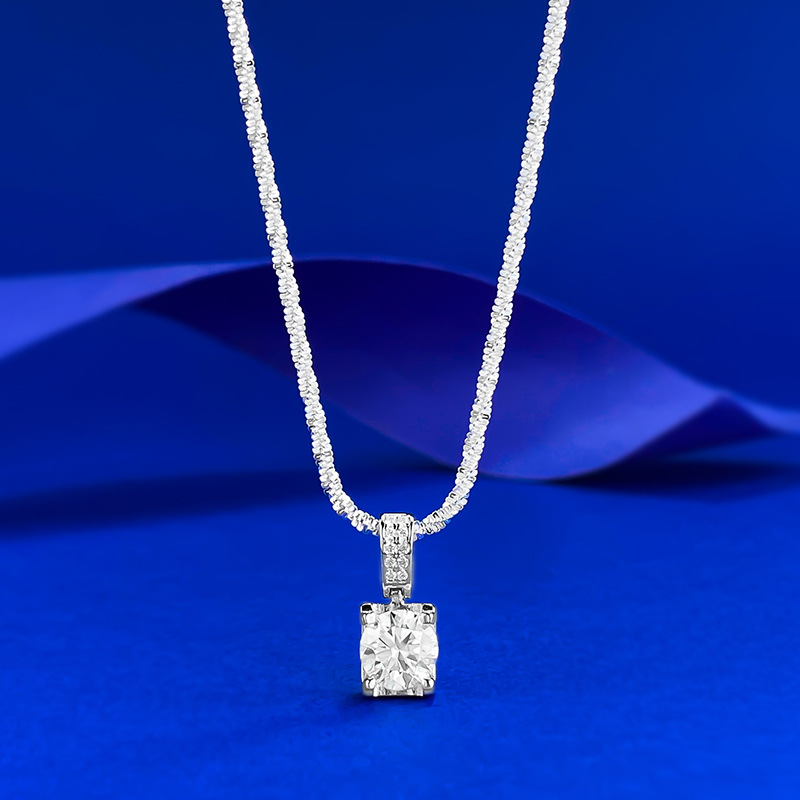
Sustainable Jewelry for Daily Wear: How to Choose Pieces You Can Wear Every Day
Why Sustainable Jewelry for Daily Wear Needs a Different Filter
Sustainable Jewelry for Daily wear has to earn its place in your routine. It should look good, sit comfortably, and hold up to real use, not just a product photo. A ring that bends, a clasp that slips, or a setting that loosens after a few months is not a good buy, no matter how nice it looked on arrival. Pieces that stay in rotation usually share one trait: they are built for everyday use from the start.
Daily wear changes what matters. Soap, lotion, desk edges, gym bags, and travel all create friction. A piece that seems delicate in the box can turn into a repair project fast. What is the value of a beautiful ring if you have to baby it all day?
Sustainable Jewelry for Daily Wear should be judged on durability, serviceability, and sourcing transparency. If you want to compare options, browse our jewelry collection for pieces designed to stay in rotation.
How to Choose Sustainable Jewelry for Daily Wear
The best purchase starts with facts, not labels. Green jewelry, ethical diamonds, and eco-friendly jewelry can all sound reassuring, but the details matter more than the wording. Ask where the metal came from, whether the stone is mined or lab-grown, and whether the brand can document both.
1. Check the material first
Recycled gold, platinum, and recycled silver are strong choices because they deliver the same wear performance as newly refined metals. Lab-grown diamonds also fit sustainable jewelry for daily wear well, especially if you want a clearer origin story and more predictable pricing. If a brand calls a piece sustainable, it should explain exactly why.
Gold purity matters too. For daily-wear rings and earrings, 14k gold is often the most practical balance of hardness and color. It is typically harder than 18k gold because it contains more alloy metal, which can help resist bending and scratching. 18k gold has a richer color and higher gold content, but it is a little softer, so it may show wear faster on high-contact pieces. Platinum, usually sold as 950 platinum, is denser and very durable, though it can develop a soft patina over time that many buyers either love or learn to polish away.
GIA and IGI reports make comparison easier. They list a stone's carat weight, measurements, color, clarity, and cut, so you can compare pieces side by side instead of guessing from photos. GIA research also shows that cut has a major effect on how a diamond looks, which is why a well-cut 0.50 ct stone can outshine a larger one with poor proportions.
2. Understand the diamond specs that matter
If your daily piece includes a diamond, the 4Cs should guide the purchase. For a solitaire or stud, cut is usually the first spec to prioritize because it affects sparkle more than most other traits. Color and clarity still matter, but for everyday wear you do not always need top-of-the-scale grades. Many buyers find excellent value in near-colorless stones in the G-H range with VS2 or SI1 clarity, especially when the stone is well cut and the setting is well designed.
Here is the practical way to think about it. A 0.25 to 0.50 ct diamond can read elegantly on a pendant or stud. A 0.75 to 1.00 ct center stone is a common sweet spot for an everyday ring if you want noticeable presence without excessive height. If you are shopping a smaller stone, look at measurements, not only carat weight, because two diamonds with the same carat can face up very differently depending on cut quality and depth.
For round brilliant diamonds, ideal or excellent cut grades are the safest place to start. For fancy shapes such as oval, pear, or emerald cut, pay more attention to proportion, symmetry, and whether the shape has a bow-tie effect or a window in the center. Those visual issues can matter more in everyday jewelry than a small difference in color grade.
3. Check certifications and provenance
Certification is not a luxury detail; it is the easiest way to make apples-to-apples comparisons. GIA is widely regarded as the benchmark for grading consistency, while IGI is common for lab-grown diamonds and many modern retail collections. A report helps confirm the stone matches the seller's description and gives you a paper trail for insurance, future resale, or trade-in considerations.
For metals, look for explicit language about recycled content rather than vague claims. Responsible sourcing standards, refinery information, and conflict-mineral policies are all useful signals, but they should be stated clearly. If a seller cannot explain the chain of custody in plain language, that is a warning sign for sustainable jewelry for daily wear.
4. Look at the build, not just the design
Sustainable jewelry for daily wear needs to withstand friction. For rings, a shank in the 1.8 mm to 2.5 mm range usually wears better than ultra-thin styles. Low-profile settings, bezel settings, and sturdy prongs help protect stones and reduce snagging. For pendants, check the bail, the chain thickness, and the clasp. For studs, make sure the backs feel secure and the posts are well made.
Setting style changes the wear experience. Prong settings usually let in the most light and maximize sparkle, but they can catch on sweaters and require periodic inspection. Bezel settings wrap metal around the stone, which lowers the risk of snags and can protect edges, especially on diamonds and cabochons, though the look is less airy. Half bezels, low baskets, and flush settings can be strong middle-ground options for buyers who want a cleaner profile without giving up too much light return.
Chain construction also matters. A cable chain is versatile, but if you want something that will see daily use, look for a thicker gauge and a secure clasp. Box chains and wheat chains can feel sturdier than very fine chains, while herringbone chains are beautiful but less forgiving because they kink more easily. If your jewelry lives on your body all day, the smallest weak point tends to be the first thing that fails.
5. Ask about repair before you buy
Repairability is part of sustainability. A ring that can be resized, a chain that can be fixed, or prongs that can be re-tipped will last far longer than a piece that has to be replaced. If a seller does not offer repair support, the useful life of the item may be much shorter than the marketing suggests. That is a poor fit for sustainable jewelry for daily wear.
Before checkout, confirm whether the brand handles sizing, polishing, stone tightening, clasp replacement, and re-plating if the piece is vermeil or white gold. Also ask whether repairs void a warranty and how long those services take. A good policy can turn a beautiful piece into a long-term part of your wardrobe instead of a short-term purchase.
6. Match the piece to your routine
A great piece can still be the wrong piece for your life. If you type all day, a low-set ring usually makes more sense than a tall setting. If you work out often, a simple pendant or secure stud may be the smarter buy. If you travel a lot, choose something that cleans easily and is less likely to snag.
Think through your daily contact points. If you hold a steering wheel for long stretches, a high center stone can rub against the top of the finger. If you wear gloves for work, oversized prongs or long earrings may be impractical. Sustainable jewelry for daily wear should feel almost invisible in the best way: it should work with your habits instead of forcing you to change them.
If you are planning a ring purchase, use our ring builder to compare settings before you commit.
Best Materials for Sustainable Jewelry for Daily Wear
Material and shape should work together. A strong metal in a complicated design can still fail in daily use. A simple design in a weak metal can wear out too soon. The safest approach is to pair durable materials with honest construction.
| Material | Durability for daily wear | Sustainability notes | Best use |
|---|---|---|---|
| Recycled gold | High | Lowers demand for newly mined metal and can be recycled again | Rings, chains, earrings |
| Platinum | Very high | Dense, long-lasting, and highly recyclable | Heirloom rings, secure settings |
| Lab-grown diamonds | High | Clearer origin story for many buyers and strong visual performance | Studs, pendants, solitaire rings |
| Recycled sterling silver | Moderate | Good value, but it needs more care and polishing | Pendants, earrings, lighter wear |
Recycled gold is one of the strongest all-around choices for sustainable jewelry for daily wear because it works across many styles without sacrificing durability. Platinum costs more, but it resists wear well and holds settings securely. Lab-grown diamonds are also a practical option, especially if you want a bright center stone without the sourcing concerns that often come with mined stones.
Recycled sterling silver is worth considering if your budget is tighter, but it is not the most forgiving metal for everyday rings or bracelets. Silver scratches more easily than gold or platinum and can tarnish with moisture, sulfur exposure, and frequent contact with cosmetics. It is a smart pick for pendants or earrings that are removed at night, but not always the best choice for pieces you plan to wear through workouts, showers, and commuting.
If you want a gold look at a lower price point, gold vermeil can be useful, but it comes with tradeoffs. Vermeil uses a thick layer of gold over sterling silver, which can look refined at first and cost less than solid gold, but the plating will eventually wear through on high-friction areas. For a piece you plan to wear every day for years, solid recycled gold usually wins on long-term value.
Best styles for everyday use
Some silhouettes hold up better than others. The strongest daily pieces usually have fewer moving parts and fewer places to catch on fabric.
- Stud earrings with secure backs or screw backs
- Slim rings between about 1.8 mm and 2.5 mm
- Low-profile pendants that sit flat against the chest
- Bracelets with box clasps, safety latches, or strong lobster clasps
- Bezels or sturdy prongs that protect stones without snagging
Many customers start with one pair of studs, one slim ring, and one pendant. That small set covers most outfits without adding clutter. If you want to compare stones for a daily piece, shop our lab-grown diamonds and review the 4Cs before you choose a size or setting.
What a Fair Price Looks Like
Price is easier to judge when you break it into components: metal weight, stone quality, setting complexity, labor, and service. A simple recycled-gold pendant with a small lab-grown diamond will cost far less than a platinum solitaire ring with a one-carat center stone, and that difference is normal. The question is whether the price lines up with the actual specifications.
As a rough buying guide, small sterling silver studs or pendants can start under $100, though quality varies widely. Recycled gold everyday rings often fall in the $300 to $1,200 range depending on metal weight and whether they include diamonds. Platinum rings and larger lab-grown diamond pieces can move into the $1,500 to $4,000-plus range, especially if the setting is custom or the stone is certified and well cut. Those ranges are not rules, but they are useful for spotting pricing that is either suspiciously low or unsupported by materials.
Very low prices sometimes indicate thin metal, lightweight construction, weak finishing, or no meaningful repair support. Very high prices do not automatically mean better sourcing or better craftsmanship. Compare the carat weight, metal purity, setting style, report numbers, and return policy before deciding whether the piece is worth it.
Ring Sizing and Fit for Daily Wear
Fit is one of the most overlooked parts of sustainable jewelry for daily wear. A ring that spins constantly will bother you, and one that is too tight can become impossible to remove when temperature or activity changes. Most people do best with a size that feels secure but still slides over the knuckle without force.
Width changes fit. Wider bands feel tighter than narrow bands, so many buyers need to size up slightly for a wider ring. Stackable rings can be worn closer to true size, but a single wide band or a ring with a substantial gallery may require adjustment. If you are between sizes, ask whether the brand recommends sizing up or down for the specific design.
Not every ring can be resized safely. Eternity bands, tension settings, and some heavily patterned styles may have limited adjustment options. That is another reason to ask about repair and sizing before purchase, especially if the ring is meant for everyday wear. If a seller does not disclose whether resizing is possible, assume you may be stuck with the original size.
For earrings, fit matters in a different way. Posts that are too short can press uncomfortably into the earlobe, while backs that are too loose can fall off. Screw backs, friction backs with good tension, and heavier-duty closures are worth considering for daily studs. For hoops, hinge quality and closure security are as important as the metal itself.
Shipping, Returns, and Long-Term Support
Shipping and returns are part of the real cost of buying sustainable jewelry for daily wear online. A strong policy helps you verify comfort, scale, and color before committing. Look for a return window that gives you enough time to wear the piece at home, inspect the setting, and decide whether it fits your routine. For higher-value items, 14 to 30 days is common, though some custom pieces are final sale.
Check whether return shipping is prepaid, whether insurance is included, and whether the brand deducts restocking fees. Jewelry can be expensive to ship safely, so those details matter. If the product is custom made, ask about cancellation deadlines before production begins. A brand that is serious about sustainable jewelry for daily wear should be just as serious about after-sale service.
Also ask how warranty claims work. Will the seller cover manufacturing defects, loose stones, broken clasps, or finish issues? How long is coverage active? What evidence is required? A clear warranty can be more valuable than a small discount because it protects the item through the wear cycle that sustainability depends on.
Care That Keeps Pieces in Rotation
Sustainable jewelry for daily wear lasts longer when you treat it like something worth keeping. A quick wipe after wear can remove lotion, perfume, and soap residue before it builds up. Mild soap, warm water, and a soft brush usually handle gold, platinum, and most diamond settings well.
Storage matters too. Keep each piece in its own pouch or compartment so chains do not tangle and softer metals do not rub against harder ones. Rings and bracelets do best in a tray or box where they are not bouncing around with keys, watches, or other hard objects.
A simple inspection habit goes a long way. Every few weeks, check that clasps close cleanly, prongs feel firm, and stones do not rattle. Small issues often turn into costly repairs because they go unnoticed. A loose clasp on sustainable jewelry for daily wear is a fixable problem if you catch it early.
Remove jewelry during situations that add unnecessary stress:
- Heavy exercise or weight training
- Swimming in chlorinated or salt water
- Cleaning with harsh chemicals
- Gardening or manual work
- Sleeping, if the design catches or bends easily
If you wear a piece every day, make a habit of deeper cleaning every few weeks and professional inspection once or twice a year. Prongs can loosen slowly, especially on rings and pendants with elevated stones. Catching that early is the difference between a simple tightening and a lost stone.
Common Buying Mistakes to Avoid
One common mistake is trusting a label without proof. Words like green jewelry or ethical diamonds can sound reassuring, but they mean little if the brand will not explain its sourcing or labor standards. Ask for specifics. If the answer stays vague, the claim probably does too.
Another mistake is choosing a fragile design because it looks elegant online. Thin rings bend. Weak clasps fail. Tall settings snag. Sustainable jewelry for daily wear should be chosen for real use first, then style.
Price can mislead buyers in both directions. A very low price may signal lighter weight, weak finishing, or limited repair support. A very high price does not guarantee responsible sourcing or better build quality. The better question is whether the price matches the materials, craftsmanship, documentation, and service behind the piece.
Many buyers also overlook how much maintenance they are willing to do. A white gold ring may need periodic rhodium plating to keep a bright finish. A silver pendant may need more polishing. A diamond ring with delicate prongs may need inspection more often than a bezel-set stone. None of these are dealbreakers, but they should be part of the purchase decision.
What is the value of a piece labeled sustainable if you replace it every year? That is not a better system. It is just a more expensive one.
Building a Small Daily Rotation
The easiest way to build a useful collection is to start with a few pieces that do real work. One pair of studs, one ring, and one pendant can cover most days without feeling repetitive. Once those basics are in place, add pieces only when you have a clear reason.
Sustainable jewelry for daily wear works best when it fits your habits. If you are always on the move, choose low-profile shapes and secure closures. If you want a ring for constant wear, ask about band thickness, repair policies, and resizing Before You Buy. If you want more guidance, explore our jewelry collection or speak with a specialist through contact our jewelry experts.
The goal is not to own less for the sake of owning less. It is to own better. When a piece feels good, holds up, and can be repaired, it earns its place in your routine.
Sustainable jewelry for daily wear should make life easier, not more delicate. Choose pieces with clear sourcing, durable construction, and a shape you will still want next year. That is how everyday jewelry becomes the part you reach for first.
Ready to Find Your Perfect Diamond?
Explore our collection of certified lab-grown diamonds
Shop Diamonds