How to Build a Bridal Jewelry Budget for Couples
A Bridal Jewelry Budget for couples should feel useful, not stressful. It gives you a clear way to compare engagement rings, wedding bands, and wedding-day jewelry before wedding deadlines start crowding your calendar. It also protects what matters most: diamond quality, comfortable fit, durable metal, and a style you'll still love years from now.
At StoneBridge Jewelry, we work with couples who want premium lab-grown diamond jewelry without guessing their way through the process. I've helped hundreds of couples narrow down their priorities, and the best budgets do not follow old salary rules. They start with your lifestyle, your wedding plans, and the pieces you'll actually wear.
What Should a Bridal Jewelry Budget for Couples Include?
A complete bridal jewelry budget for couples covers more than the engagement ring. Most couples also need one or two wedding bands, ceremony jewelry, and sometimes a piece that can move easily from the wedding day into everyday life.
Common purchases include:
- A lab-grown diamond engagement ring or gemstone ring
- A wedding band for each partner
- Diamond studs, drop earrings, or huggie earrings
- A solitaire pendant or delicate diamond necklace
- A tennis bracelet, diamond bangle, or simple bracelet
- Engraving, resizing, heirloom updates, or insurance
Start by separating must-haves from nice-to-haves. If the engagement ring and both bands are non-negotiable, price those first. Then decide whether earrings, a necklace, or a bracelet belong in the same bridal jewelry budget for couples or in a separate wedding attire budget.
Lab-grown diamonds can give you more room to plan. Because they often cost less than mined diamonds with similar grades, you may be able to choose a larger center stone, a better cut, diamond-accented bands, or matching wedding-day jewelry without raising the total spend.
Engagement Ring Costs
The engagement ring usually takes the largest share of a bridal jewelry budget for couples. It includes the center diamond, setting, metal, craftsmanship, and sometimes custom design work. Shape, carat weight, cut grade, color, clarity, and metal choice all affect price.
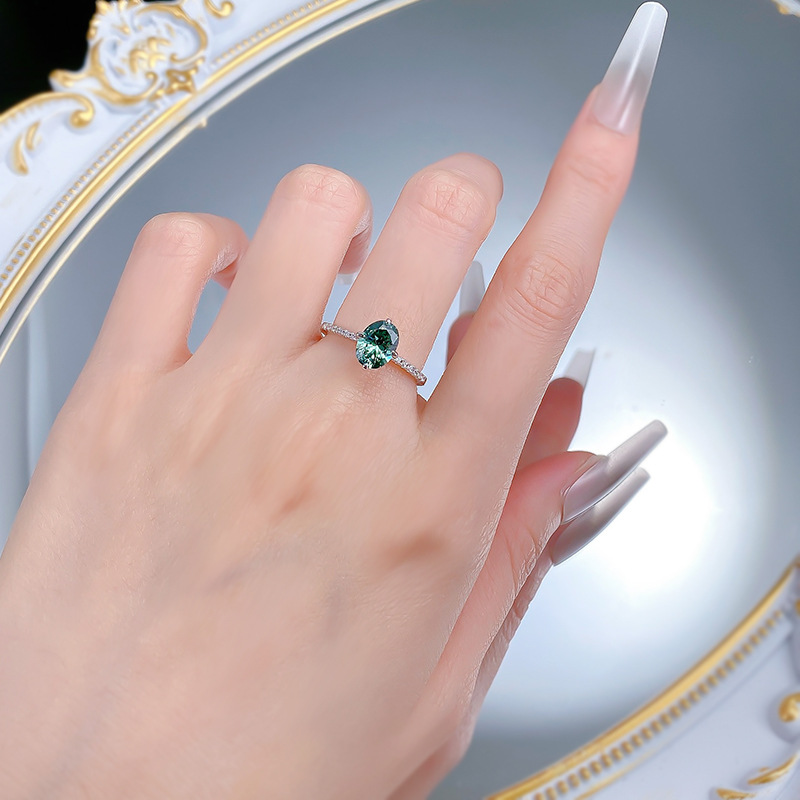
Round brilliant diamonds often cost more than fancy shapes because of demand and cutting yield. Oval, emerald, pear, radiant, and cushion cuts can offer a larger face-up look at the same carat weight. For example, a 1.50 carat oval may look longer and larger on the hand than a 1.50 carat round, depending on its measurements.
Put cut quality near the top of your list. GIA teaches that cut has the biggest effect on brilliance in round diamonds. Fancy shapes need expert review too, since proportions and light return vary widely. Honestly, I think cut is where couples get the most visible return for their money.
Wedding Band Costs
Wedding bands deserve their own line in a bridal jewelry budget for couples. Both partners may need a ring, and these pieces take daily wear. Plain metal bands usually cost less, while diamond bands, eternity bands, contour bands, and custom-matched designs raise the total.
You don't have to choose matching bands. Many couples prefer complementary rings. One partner may want a platinum engagement ring with a diamond contour band, while the other chooses a yellow gold comfort-fit band.
Think about work, hobbies, and hand use. A low-profile band may suit an active lifestyle. A full eternity band gives sparkle from every angle, but resizing can be limited. A half-eternity band gives a similar look with more flexibility later.
Wedding-Day Jewelry Costs
Wedding-day jewelry adds the finishing touch, but it should not feel disposable. A smart bridal jewelry budget for couples favors pieces that work after the ceremony too. Diamond studs, a solitaire pendant, and a tennis bracelet all move easily from wedding photos to anniversaries, work events, and dinners out.
Our customers often choose one statement piece and one simple piece. For example, a bride might pair diamond studs with a tennis bracelet, or a pendant with delicate earrings. That keeps the look polished without pulling attention away from the dress or rings.
StoneBridge Jewelry offers lab-grown diamond fine jewelry that can coordinate with your ring metal, diamond shape, and setting style. That makes the full bridal look feel planned rather than pieced together at the last minute.
Key Features to Compare Before You Buy
A bridal jewelry budget for couples works best when you Compare the Right details. Price alone can be misleading. Two rings may look similar online but differ in diamond grading, metal weight, prong work, stone security, return policy, or production time.
Use this table while you shop:
| Feature | Why It Matters | Smart Buying Tip |
|---|---|---|
| Diamond cut | Drives sparkle, fire, and brightness | Choose strong cut before chasing size |
| Color grade | Affects how white or warm the diamond looks | Match color to metal and setting style |
| Clarity grade | Shows how visible inclusions may be | Look for eye-clean value |
| Carat weight | Changes size and price | Compare millimeter measurements too |
| Certification | Confirms graded details | Review IGI, GIA, or another respected report |
| Metal type | Affects color, care, and durability | Choose for lifestyle, not just photos |
| Setting style | Impacts security and maintenance | Check prongs, bezels, pavé, and ring height |
| Store policies | Protects your purchase | Review returns, resizing, warranty, and shipping |
Clear product details matter. A trusted jeweler should show grading information, accurate photos, metal details, production timing, and support options before checkout. For lab-grown diamonds, certification helps confirm the stone's identity and quality.
Diamond Quality and Certification
The 4Cs are still the best starting point: cut, color, clarity, and carat weight. For a bridal jewelry budget for couples, the goal is not to buy the highest grade in every category. The smarter goal is to get the best visible result for your money.
Cut affects sparkle most. Color tells you how colorless or warm a diamond appears. Clarity describes internal and surface characteristics under magnification. Carat weight measures weight, not face-up size, so two diamonds with the same carat can look different.
GIA explains that laboratory-grown diamonds have the same chemical, physical, and optical properties as mined diamonds. IGI and GIA reports can document measurements, carat weight, color, clarity, polish, symmetry, and growth origin. Review the report and the product listing together Before You Buy.
A practical example: an eye-clean VS2 lab-grown diamond with excellent cut may be a better buy than a flawless diamond with little visible difference to the naked eye. That single choice can free money for wedding bands or a pendant.
Metal and Setting Choices
Metal choice changes both style and maintenance. Platinum is dense, naturally white, and durable, so it works well for engagement rings and wedding bands. White gold gives a bright look at a lower starting price, though it may need rhodium replating over time.
Yellow gold feels warm and classic. Rose gold has a soft pink tone because of its copper alloy. If you plan to stack rings, choose metals that wear well together and match closely in color.
Setting style matters just as much. Prongs let more light reach the diamond, but they need periodic checks. Bezels protect the stone with a smooth rim of metal. Pavé adds shimmer, yet tiny stones and beads need careful craftsmanship.
How Lab-Grown Diamonds Stretch the Budget
Lab-grown diamonds can make a bridal jewelry budget for couples feel more flexible. They are real diamonds, and they are graded by the same major quality factors used for mined diamonds. Many shoppers choose them because they want strong beauty, clear grading, and better value.
Industry pricing changes often, but lab-grown diamonds commonly cost 30% to 50% less than mined diamonds with similar grades. The Knot's recent jewelry studies have also reported average engagement ring spending in the $5,000 range, which shows why couples care about careful planning. Rings are only one part of a wedding budget that may also include venue, attire, photography, travel, and flowers.
Choose what matters most before comparing stones: a larger center stone, a platinum setting, or a full matching set. Lab-grown diamonds let many couples choose with more flexibility. You can shop lab-grown diamonds to compare stone details, then use our ring builder to test shapes, metals, and settings.
The best bridal jewelry budget for couples is not about buying the cheapest option. It is about putting money toward visible beauty, verified quality, and jewelry you'll wear often.
More Size or Better Specs
Lab-grown diamonds often let couples make trade-offs that feel worthwhile. One couple may choose a 1.50 carat center stone instead of a smaller mined diamond. Another may keep the same carat weight but move up in cut, color, or clarity.
Carat weight is not the only upgrade. You might choose a hidden halo, a stronger band profile, a platinum setting, or a Diamond Wedding Band. These details affect how the ring looks and how it holds up over time.
A bridal jewelry budget for couples should reflect what each person values. If the engagement ring matters most, put more money there. If both partners want standout bands, shift the split before you shop. I've seen couples feel relieved the moment they agree on that split (trust me, that conversation saves a lot of stress later).
Coordinated Bridal Sets
Savings from lab-grown diamonds can help you build a full set from the start. That matters because engagement rings and bands do not always sit together cleanly. Low baskets, halos, elongated stones, and contour designs can all affect the fit.
Couples can coordinate metal color, diamond shape, and design details across rings, earrings, necklaces, and bracelets. An Oval Engagement Ring may pair well with oval-inspired accents. A classic solitaire looks beautiful with diamond studs and a tennis bracelet.
You can explore lab-grown diamond engagement rings, compare wedding bands, and browse fine jewelry for the wedding day in one plan. That keeps the full look consistent and helps prevent surprise costs.
How Much Should Couples Spend?
There is no single right number for a bridal jewelry budget for couples. The right total depends on income, savings goals, wedding costs, debt comfort, and how much each person values fine jewelry. Old salary formulas do not account for real life.
Use these ranges as a starting point:
- Value-focused budget: $1,500 to $4,000 total. Prioritize a lab-grown diamond engagement ring, simple bands, and one versatile accessory.
- Mid-range budget: $4,000 to $9,000 total. Consider a larger lab-grown center stone, a diamond band, a partner band, and a pendant or bracelet.
- Premium budget: $9,000 to $20,000 or more total. Explore platinum settings, larger certified lab-grown diamonds, eternity bands, tennis bracelets, and a coordinated bridal suite.
These are examples, not rules. Some couples already have the engagement ring and need only bands. Others want a dramatic ring and very simple wedding-day jewelry.
Sample Bridal Jewelry Budget Breakdown
A percentage split can help you start the conversation. A common bridal jewelry budget for couples looks like this:
- 60% to 70% for the engagement ring
- 20% to 30% for both wedding bands
- 10% to 15% for wedding-day jewelry
On a $6,000 total budget, that could mean about $3,900 for the engagement ring, $1,500 for wedding bands, and $600 for earrings or a pendant. On a $12,000 budget, the same split may support a larger lab-grown diamond, diamond-accented bands, and a higher-end bracelet.
Adjust the numbers to fit your priorities. If one partner wants a plain band and the other wants an eternity band, move more money into the band category. If you already own the ring, shift funds to engraving, resizing, insurance, or fine jewelry.
Where to Save and Where to Invest
Invest in the parts that affect beauty, comfort, and long-term wear:
- Cut quality and light performance
- Secure prongs, bezels, clasps, and settings
- Durable metals suited to daily use
- Accurate sizing and comfort-fit profiles
- Timeless designs that won't date quickly
- Certification, documentation, and return protection
Save where the visual difference is small. Eye-clean clarity can be smarter than paying for flawless grades. A simple solitaire may free money for a better center diamond or a matching band.
Don't cut corners on craftsmanship. Thin shanks, weak prongs, poor pavé work, vague grading, and final-sale pressure can create expensive problems later. A good value should last.
Buying Bridal Jewelry Online
Buying online can be simple if your bridal jewelry budget for couples includes the practical details. Confirm sizing, production timing, shipping, customization, warranty terms, and return windows before checkout. If your wedding date is close, ask about timing Before You Order.
Engagement rings, custom bands, engraving, and made-to-order jewelry can take extra time. Resizing can add more days or weeks. Order early enough to inspect each piece and make changes before the ceremony.
Look for secure checkout, clear product documentation, grading reports, and helpful customer service. If you have questions about stone selection, ring fit, or a bridal set, contact our jewelry experts before you finalize your purchase.
Sizing and Comfort
Accurate sizing is essential. Wider bands often fit more snugly than narrow bands, and stacked rings can change the feel. Eternity bands need extra care because resizing may be limited.
Professional sizing is best. If you measure at home, use a reliable sizing tool and check more than once. Finger size can change with temperature, travel, exercise, salt intake, and season.
Check how the engagement ring sits against the wedding band too. Straight bands, contour bands, open bands, and nesting bands all fit differently. Comfort matters because you'll wear these pieces often.
Care, Maintenance, and Insurance
Lab-grown diamond jewelry is durable, but it still needs care. Clean most diamond jewelry with warm water, mild dish soap, and a soft brush unless the piece includes materials that need special treatment. Store pieces separately so diamonds do not scratch softer metals or gemstones.
Schedule regular inspections for prongs, pavé stones, clasps, tennis bracelet links, and pendant bails. Daily wear can loosen small parts over time. Catching a loose prong early is far better than replacing a lost stone.
Insurance is worth considering for higher-value pieces. Keep receipts, grading reports, appraisals, and clear photos in a safe place. Those records can help if you ever need repair, replacement, or a claim.
How to Shop at StoneBridge Jewelry
StoneBridge Jewelry gives couples a clear path from budget planning to purchase. Start with the engagement ring if that decision is still open. Compare Lab-Grown Diamond Shapes, carat weights, grades, and settings side by side.
Then choose wedding bands that fit the ring profile and each partner's lifestyle. Once the rings are set, complete the look with fine jewelry. Diamond studs are easy to wear again, tennis bracelets add high-impact sparkle, and solitaire pendants frame the neckline without fighting the dress.
Use this bridal jewelry budget for couples checklist Before You Buy:
- Choose one total spend before browsing.
- Pick your engagement ring style and diamond priorities.
- Compare wedding bands for fit, metal match, and comfort.
- Add wedding-day jewelry you can wear after the ceremony.
- Confirm sizing, shipping, warranty, and return details.
If your wedding date is approaching, shop early. Popular diamond shapes, custom sizes, and matching bands may need more production time. A finished plan helps you avoid rushed choices and limited sizing options.
Bridal Jewelry Budget Checklist for Couples
A strong bridal jewelry budget for couples balances emotion with clear choices. Before You Purchase, make sure you can answer these questions:
- What is our total budget for the engagement ring, wedding bands, and wedding-day jewelry?
- Which pieces are must-haves, and which can wait?
- Have we compared cut, color, clarity, carat weight, and certification?
- Does the metal fit our lifestyle and care preferences?
- Do the rings fit well together and feel comfortable?
- Have we checked production time, shipping, warranties, and returns?
- Are we saving smartly through lab-grown diamonds and eye-clean clarity?
- Do we have a care, inspection, and insurance plan?
The right bridal jewelry budget for couples should feel practical, beautiful, and personal. It should help you buy pieces you love without weakening your financial comfort. It should also make room for the full bridal suite, not just the engagement ring.
StoneBridge Jewelry helps couples choose lab-grown Diamond Engagement Rings, wedding bands, and fine bridal jewelry with premium sparkle and strong value. Shop StoneBridge Jewelry collections now to secure your preferred style, confirm sizing, and finish your wedding look with confidence.
FAQ
How much should couples budget for bridal jewelry?
Most couples should build a bridal jewelry budget for couples around the engagement ring, both wedding bands, and any wedding-day jewelry. A total range of $1,500 to $9,000 works for many shoppers, while premium bridal suites can go higher. Start with your wedding budget and savings goals, then decide which jewelry pieces matter most. Lab-grown diamonds can help you keep quality high while controlling the total spend.
What is a good bridal jewelry budget breakdown?
A helpful split is 60% to 70% for the engagement ring, 20% to 30% for wedding bands, and 10% to 15% for earrings, necklaces, or bracelets. This structure keeps the engagement ring at the center while still leaving room for daily-wear bands. Adjust the split if you already own the ring or want a Diamond Eternity Band. The best bridal jewelry budget for couples should match your priorities, not a fixed rule.
Are lab-grown diamonds good for a bridal jewelry budget for couples?
Yes, lab-grown diamonds are a strong choice for couples who want beauty, grading transparency, and value. GIA states that lab-grown diamonds share the same chemical, physical, and optical properties as mined diamonds. They are also graded by cut, color, clarity, and carat weight. Many couples use the savings for a larger stone, better cut, matching bands, or wedding-day jewelry.
Should couples buy engagement rings and wedding bands together?
Buying them together can make the fit, metal color, and style feel more consistent. This is especially helpful for halos, low-profile settings, elongated diamonds, and contour bands. It also lets you see the full bridal jewelry budget for couples before you commit. If you buy separately, bring or reference the engagement ring details before choosing the band.
When should couples buy bridal jewelry before the wedding?
Shop as early as you can, especially if you need custom sizing, engraving, matching bands, or made-to-order designs. Many couples feel more comfortable ordering at least three to six months before the wedding. That gives you time for resizing, inspections, shipping, and any design changes. Early planning also gives you better access to preferred diamond shapes, metals, and ring sizes.
Ready to Find Your Perfect Diamond?
Explore our collection of certified lab-grown diamonds
Shop Diamonds