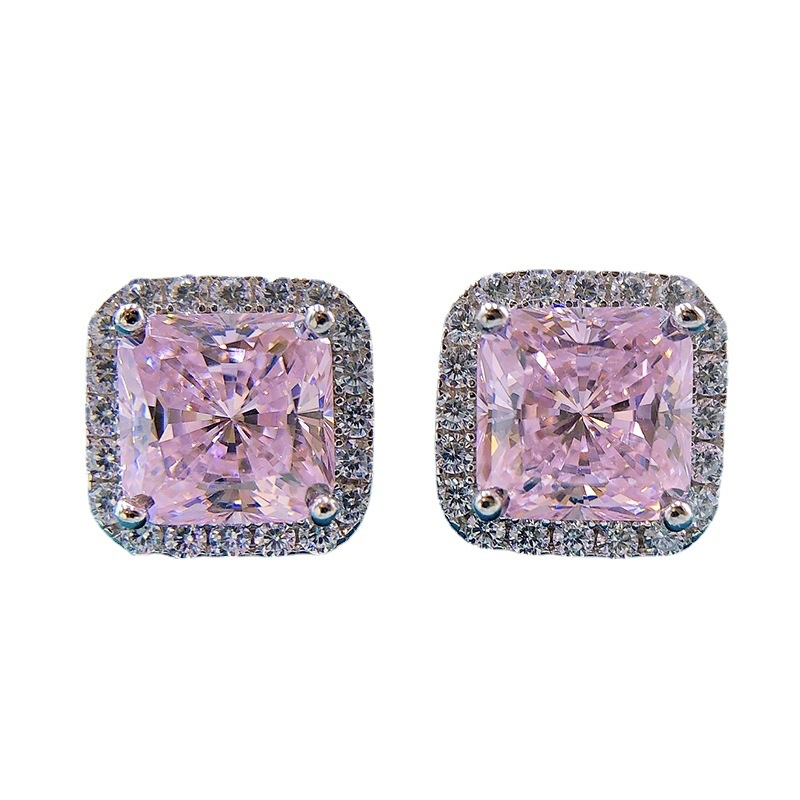
Sustainable Jewelry Buying Checklist: Claims to Verify Before You Purchase
Sustainable jewelry sounds simple until you start comparing claims. One brand says its diamonds are ethical. Another highlights recycled gold, carbon neutral shipping, or plastic-free packaging. Some of those claims are useful. Others need proof before they should shape your purchase.
This Sustainable Jewelry Buying Checklist: Claims to verify before purchase gives you a practical way to slow down and ask sharper questions. Use it to identify which documents to request, which terms need limits, and where green marketing can hide weak details.
A responsible choice is not defined by one feature. Look at the diamond or gemstone, the metal, the setting, the packaging, the warranty, and the brand's willingness to answer direct questions. A ring that can be resized, repaired, and worn for decades may be the stronger sustainable jewelry choice.
At StoneBridge Jewelry, I've helped many customers feel more confident when they compare proof side by side instead of relying on broad labels. You can shop lab-grown diamonds, review settings, or build an engagement ring while using this checklist as a reference.
Why Jewelry Sustainability Claims Need Proof
Sustainability claims in fine jewelry need verification because the same words can mean different things. Eco-friendly jewelry, green jewelry, ethical diamonds, and conflict-free diamonds may point to good values, but they do not all prove the same facts.
A jewelry supply chain can include mining or lab growth, cutting, polishing, grading, refining, casting, setting, shipping, and repair. Each step has its own risks. A brand may use recycled packaging but give no detail about metal sourcing.
The Federal Trade Commission's Green Guides warn marketers not to use broad environmental claims that shoppers may misunderstand. The 2023 Green Guides review also kept pressure on brands to support claims with clear evidence. A leaf icon or earth-tone box does not prove lower impact (even if the box looks very convincing).
The Kimberley Process says its members represent about 99.8% of global rough diamond production. That system helps address conflict diamonds, but it does not cover every human rights, wage, carbon, or environmental issue tied to a finished ring.
Use this Sustainable Jewelry Buying Checklist: Claims to verify the exact promise being made. Ask what the claim covers, who checked it, and whether it applies to the whole piece or only one part.
Sustainable Jewelry vs. Ethical Diamonds vs. Conflict-Free Diamonds
Sustainable jewelry is the broadest term. It can include responsible sourcing, lower-impact materials, careful manufacturing, repairability, fair labor expectations, and long product life.
Ethical diamonds usually point to labor, sourcing, human rights, and supplier accountability. The phrase may apply to natural diamonds, lab-grown diamonds, or both. A good seller should define it clearly.
Conflict-free diamonds have a narrower meaning. The term usually refers to diamonds that are not used to finance armed conflict. That matters, but it does not automatically prove recycled metal, fair wages, low emissions, or full traceability.
Think of it this way: conflict-free is a baseline, ethical diamonds need wider review, and sustainable jewelry looks at the full piece.
Where Lab-Grown Diamonds Fit
Lab-grown diamonds can avoid many mining-related concerns because they are made in controlled facilities. They are real diamonds with the same carbon crystal structure as mined diamonds. GIA and IGI grade lab-grown diamonds using diamond quality factors such as carat weight, color, clarity, cut, polish, and symmetry.
Lab-grown does not automatically mean sustainable. Production uses energy, and the power source matters. Renewable electricity, measured emissions, and third-party support make a claim stronger.
The finished piece matters too. A lab-grown diamond set in newly sourced metal with vague shipping claims needs a different review than one set in documented recycled gold with repair support.
Ask a simple question: what makes this specific diamond and setting a better choice?
Responsible Sourcing Checklist for Sustainable Jewelry
Responsible sourcing should mean more than materials came from an acceptable supplier. It should show how a brand reviews suppliers, tracks materials, and handles risk.
For diamonds and gemstones, proof may include country-of-origin details, lab-grown production disclosure, grading reports, supplier standards, or chain-of-custody notes. For Gold, Platinum, and Silver, proof may include recycled content statements, refiner information, or responsible mining program details.
Traceability matters because materials often move through many hands. A diamond may be grown or mined, cut, polished, graded, traded, set, and sold by different companies. Metal may be collected, refined, alloyed, cast, polished, and finished before you see it.
Use these three questions Before You Buy:
- Where do the main materials come from?
- Who handled or verified them?
- What document supports the claim?
Strong answers are specific. Weak answers sound polished but thin. If a brand says its gold is responsibly sourced, it should explain whether the metal is recycled, newly mined under a standard, or covered by a supplier policy.
Red flags include generic origin claims, missing supplier standards, inconsistent wording across product pages, or hesitation around high-value purchase details. One proof point should not be stretched too far. A grading report does not prove human rights performance, and carbon neutral shipping does not prove sustainable jewelry.
Documents Worth Asking For
A useful buying checklist matches each claim to the right proof. Do not expect one document to answer every question.
Ask for documents such as:
- Diamond grading reports from GIA, IGI, GCAL, or another respected laboratory
- Supplier codes of conduct or sourcing standards
- Recycled metal documentation or refiner statements
- Responsible Jewellery Council information, where applicable
- Chain-of-custody statements for traceable materials
- Lab-grown diamond producer or growth method details
- Carbon verification reports for carbon neutral claims
- Warranty, resizing, repair, and return policy details
A GIA or IGI report can verify diamond measurements, carat weight, color, clarity, cut data, fluorescence, and sometimes lab-grown status. It does not prove the full ring is sustainable. A recycled metal statement can support a metal claim, but it does not verify the diamond source.
Compare every document with the product page. If the page says recycled 14k yellow gold, the proof should address metal content. If it says carbon neutral delivery, the proof should explain emissions scope and offsets.
Questions to Ask About Ethical Diamonds
Ethical diamonds deserve more review than the phrase conflict-free. A knowledgeable jeweler should be able to answer direct questions without vague promises.
Start here:
- Is the diamond natural or lab-grown?
- Is it traceable to a mine, producer, region, or supply program?
- Who graded it, and can I review the report number?
- What labor or supplier accountability standards apply?
- Does the ethical claim cover the stone only or the full jewelry piece?
- What happens if a supplier fails to meet the policy?
For lab-grown diamonds, ask about energy use and production transparency. For natural diamonds, ask about origin, conflict-free status, and added responsible sourcing standards.
A useful answer has boundaries. For example, "This diamond is IGI graded, and the setting uses recycled 14k gold with supplier documentation" tells you far more than "It's ethical."
Conflict-Free Diamonds and Human Rights Claims
Conflict-free diamonds remain a key part of responsible jewelry shopping. The term focuses on avoiding diamonds used to finance armed conflict. Buyers should expect jewelers to treat that issue seriously.
The Kimberley Process Certification Scheme applies to rough diamonds and helps reduce conflict diamonds in the global trade. It addresses a specific risk. It does not prove fair pay, low emissions, safe working conditions, or community benefit across the finished piece.
Human rights standards go further. They may cover worker safety, fair labor expectations, supplier accountability, grievance processes, and community impact. Those details matter because jewelry connects to people as much as materials.
A stronger claim explains supplier vetting, sourcing limits, audit expectations, and corrective actions. A weaker claim uses one phrase and leaves the rest unclear.
If you're comparing rings, apply the same review to the center stone, accent stones, metal, and manufacturing. You can explore engagement ring options while checking details side by side. And if this ring is part of a proposal, give yourself permission to care about both the proof and the feeling of it; the best choices usually honor both.
What Conflict-Free Does and Doesn't Prove
Conflict-free can show that a diamond avoids a defined conflict financing concern. It does not automatically prove low environmental impact, recycled metal, fair wages, carbon neutral operations, or full traceability.
| Claim Type | What It May Prove | What It Doesn't Automatically Prove |
|---|---|---|
| Conflict-free diamond | Not used to finance armed conflict under a defined system | Fair labor, low emissions, recycled metals, full sustainability |
| GIA or IGI grading report | Diamond traits such as carat, color, clarity, and measurements | Carbon neutral production or human rights performance |
| Recycled gold claim | Some or all metal content may come from recycled sources | Diamond sourcing, labor standards, or packaging impact |
| Carbon neutral shipping | Delivery emissions may be measured and offset | Product-level sustainability or responsible mining |
A vague claim says, "Our diamonds are conflict-free and sustainable." A clearer claim says, "This lab-grown diamond is IGI graded, the setting uses documented recycled 14k gold, and carbon neutral shipping applies to delivery only."
The second statement gives limits. Limits build trust.
Eco-Friendly Jewelry Claims to Verify
Eco-friendly jewelry should be reviewed through specific environmental factors, not visual cues. A kraft box or green logo does not prove lower impact.
Check measurable areas:
- Energy used in mining, lab growth, cutting, polishing, and manufacturing
- Water use and wastewater handling
- Land disturbance or avoided land disturbance
- Greenhouse gas emissions
- Waste reduction and recycling practices
- Metal refining and chemical management
- Packaging materials and shipping methods
- Repairability and expected product life
Durability belongs in every sustainable jewelry buying checklist: claims to verify Before You Buy. Fine jewelry can last for decades when it is made well and maintained. Secure prongs, suitable metal, serviceable design, and a clear warranty all reduce replacement.
Environmental claims should be product-specific where possible. A company may use renewable energy at one facility but not every location. A carbon neutral claim may cover shipping only.
Lifecycle assessment data can help, but read it with care. Results can change based on energy source, transport, production method, and study boundaries.
How to Evaluate Carbon Neutral Claims
Carbon neutral means measured emissions are balanced through reductions and credible offsets. The strongest claims cut emissions first, then use high-quality offsets for what remains.
Ask what the claim covers:
- The full company
- One product line
- Diamond production only
- Jewelry manufacturing only
- Shipping only
- Packaging only
- A limited promotion
Scope matters. If a product page says carbon neutral ring, it should explain whether that includes the diamond, metal, manufacturing, packaging, and shipping. If it only covers delivery, the page should say so.
Look for third-party verification, emissions scopes, offset quality, and reduction steps. Be cautious if carbon neutral appears as a broad label with no method.
A practical question works well: what was measured, who checked it, and what was reduced before offsets were used?
Green Jewelry Red Flags
Green jewelry terms can be helpful, but vague wording needs a second look. Question words such as sustainable, conscious, planet-safe, clean, and low-impact if no proof follows.
Watch for these warning signs:
- Big environmental claims with no documents
- Packaging claims used to imply product-level sustainability
- Tree-planting promises with no location, survival, or verification details
- Carbon neutral language without scope or third-party support
- Recycled metal claims that do not name content or components
- Ethical diamond claims with no grading report or sourcing policy
Beautiful branding is not evidence. Neither is a recycled mailer. For diamond rings, anniversary gifts, and heirloom pieces, proof should carry more weight than mood.
Recycled Metals, Packaging, and Long Wear
Recycled gold, platinum, and silver can reduce demand for newly mined material. They can be a strong part of sustainable jewelry, but the claim still needs clear detail.
Ask whether the metal is fully recycled, partly recycled, reclaimed from post-consumer sources, or simply recyclable. Those terms are not the same. Gold is recyclable by nature, but that does not prove recycled metal was used in your piece.
Packaging claims need limits too. Recycled, recyclable, compostable, plastic-free, and responsibly sourced paper each mean something different. A compostable mailer may require industrial composting that is not available in your area.
Product longevity often gets overlooked. A good sustainable jewelry buying checklist: claims to verify should include craftsmanship, setting security, metal choice, resizing, repairs, and warranty support.
I've seen customers fall in love with an ultra-delicate setting and then pause when we talk through daily wear (trust me, I've seen it happen). The honest answer depends on lifestyle, stone size, prong design, metal, and maintenance habits. A very fine pave band can be beautiful, but it may need more inspection than a simple solitaire.
What to Verify About Recycled Metal
Recycled metal claims should name exactly what they cover. Ask whether recycled content applies to the whole piece, the band, the head, the setting, or selected components only.
Useful questions include:
- Is the gold, platinum, or silver fully recycled or partly recycled?
- Is the recycled content documented by a supplier or refiner?
- Does the claim apply to this exact piece or only some products?
- Is the metal post-consumer, post-industrial, reclaimed, or unspecified?
- What worker safety and refining standards apply after collection?
Recycled content matters, but it is not the whole story. Refining practices, labor standards, supplier oversight, and durability still count.
If you're choosing a necklace, bracelet, ring, or earrings, you can browse fine jewelry while compaRing Metal Type, stone details, and service policies.
Brand Transparency and the Final Buying Checklist
Brand transparency ties the buying checklist together. A trustworthy jewelry brand does not need the biggest claim. It needs clear claims that match the proof.
Review the sustainability page, product pages, FAQs, sourcing policies, and customer service replies. Look for consistent language. If one page says recycled metals and another says responsibly sourced metals, the brand should explain the difference.
Clear brands usually do four things well:
- Define terms in plain language.
- State what each claim covers.
- Provide outside support where possible.
- Avoid using one proof point for unrelated claims.
Customer service clarity counts. If you ask whether a Diamond Is Lab-grown, who graded it, or what the carbon claim covers, the answer should be direct. A slow answer is not always a problem. A vague answer to a specific question is.
Before you add a piece to cart, run this proof check:
- Can I identify the diamond or gemstone type?
- Can I see the grading report or product document?
- Can I identify the metal and recycled content claim?
- Can I understand the ethical or responsible sourcing policy?
- Can I tell whether environmental claims are product-level or company-level?
- Can I review warranty, resizing, returns, and repairs?
If not, ask first. StoneBridge Jewelry experts can help compare diamond and jewelry details before you make a final choice.
Proof-Based Sustainable Jewelry Buying Checklist: Claims to Verify
Use this sustainable jewelry buying checklist: claims to verify as your final screen for any fine jewelry purchase.
| Checklist Item | What to Verify | Why It Matters |
|---|---|---|
| Origin or production method | Natural, lab-grown, recycled, reclaimed, or newly sourced | Sets the right sourcing questions |
| Grading report | Lab name, report number, 4Cs, measurements, growth type if listed | Confirms diamond characteristics |
| Metal sourcing | Recycled content, alloy, refiner, or supplier documentation | Supports metal claims |
| Labor standards | Supplier code, human rights policy, audit expectations | Connects ethics to people |
| Environmental claims | Energy, water, emissions, waste, packaging, transport | Tests green language |
| Carbon neutral proof | Scope, method, third-party verification, offsets | Shows what was measured and balanced |
| Packaging details | Recycled, recyclable, compostable, plastic-free, paper source | Separates packaging from product claims |
| Warranty and repair | Resizing, prong checks, repairs, return policy | Supports long-term value |
Save screenshots, reports, receipts, appraisals, and sustainability documents for major purchases. They can help with insurance, repairs, resale discussions, and future service.
How to Compare Two Brands
Do not pick the brand with the loudest sustainability language. Pick the one with the clearest proof.
Compare these five points:
- Specificity: Does the brand define its terms?
- Evidence: Does it provide documents or credible references?
- Outside verification: Does a lab or standard support the claim?
- Service clarity: Can the team answer direct questions?
- Product quality: Is the piece built to last and be repaired?
Try to compare similar items. For example, review two 1.00 carat lab-Grown Diamond Rings in 14k white gold with GIA or IGI reports, similar color and clarity grades, and similar settings.
If one brand gives clear metal sourcing, honest carbon boundaries, and repair support while the other offers broad green language, the choice gets easier.
Common Mistakes to Avoid
The first mistake is assuming one feature solves everything. A lab-grown diamond may reduce some mining concerns, but you still need to review energy, metal, setting quality, packaging, and aftercare.
The second mistake is trusting broad language without proof. Sustainable, ethical, green, responsible, and conscious can be useful words only when the brand defines them.
The third mistake is shopping by price alone. Fine jewelry should last for years, often decades. Weak craftsmanship or unclear service can make a low price expensive later.
The fourth mistake is ignoring aftercare. Resizing, prong tightening, stone replacement, polishing, Cleaning, and Repairs all affect longevity.
The fifth mistake is skipping insurance records. For meaningful diamond jewelry, keep the grading report, receipt, and appraisal when appropriate. Many insurers ask for carat weight, metal type, measurements, and replacement value.
Do Not Treat One Certification as Proof of Everything
Certifications and reports have different jobs. A GIA or IGI report can verify diamond characteristics such as carat weight, color, clarity, polish, symmetry, fluorescence, and measurements. It may also identify a diamond as laboratory-grown.
That report does not prove carbon neutral production, recycled metal content, fair wages, or product durability. A carbon verification report does not grade clarity. A recycled metal document does not prove traceable diamonds.
Match every claim with the right proof. That habit is one of the best ways to avoid greenwashing.
Do Not Ignore the Whole Piece
A jewelry piece is more than its center stone. Review the diamond or gemstone, metal, setting, accent stones, packaging, shipping, warranty, and brand policies together.
A sustainable diamond claim may apply only to the center stone. It may not cover the ring setting, side stones, metal content, manufacturing facility, or delivery emissions.
If you're buying a complete ring, evaluate the complete ring. The best choice should feel beautiful, transparent, wearable, and practical to maintain.
Shop Smarter With a Proof-First Checklist
A sustainable jewelry buying checklist: claims to verify helps you move past broad marketing and focus on evidence. Before buying, check responsible sourcing, diamond or gemstone documents, conflict-free status, human rights standards, environmental claims, carbon language, recycled materials, packaging, warranty, and repair support.
Responsible buying is not about finding a perfect claim. It is about asking better questions and choosing brands that give clearer answers. Honestly, I think that is the most empowering part of shopping for jewelry: you do not have to know everything, but you should feel comfortable asking for proof.
Use this buying checklist whenever you Compare Sustainable Jewelry, ethical diamonds, eco-friendly jewelry, or green jewelry claims. Ask what the claim covers. Ask who verified it. Ask whether it applies to the whole piece or just one part.
Ready to compare options? StoneBridge Jewelry can help you review lab-grown diamond details, understand fine jewelry materials, and choose a piece with confidence. Whether you are planning a proposal, marking an anniversary, or choosing a gift that says "I know you" in the loveliest way, start with lab-grown diamonds, fine jewelry, or engagement rings before your next purchase.
Ready to Find Your Perfect Diamond?
Explore our collection of certified lab-grown diamonds
Shop Diamonds