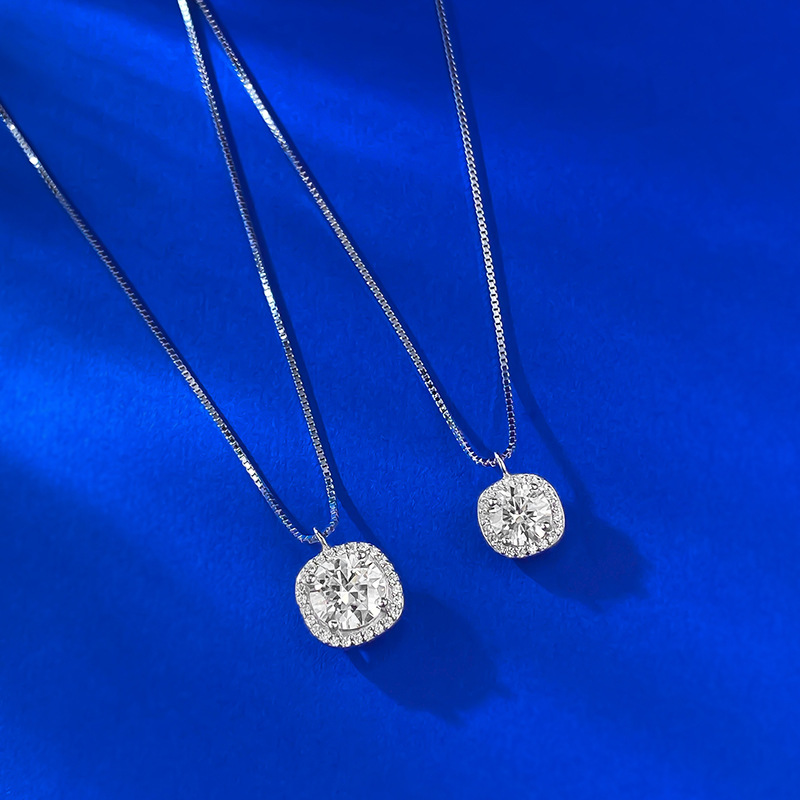
Jewelry Warranty Comparison Quality Checklist for Smart Buyers
Buying fine jewelry should feel exciting, not risky. The warranty can shape the real value of a ring, bracelet, pendant, or lab-grown diamond piece just as much as the setting or stone quality. A Jewelry Warranty Comparison quality checklist helps you compare coverage, exclusions, repairs, and long-term ownership costs before you commit.
That matters whether you’re choosing an engagement ring, a daily-wear band, or a statement piece you want to keep for years. The right policy can protect against manufacturing defects, loose prongs, clasp problems, and setting issues. The wrong one can hide fees, require strict maintenance, or leave you paying out of pocket for basic repairs.
Why a jewelry warranty comparison quality checklist matters
A beautiful piece of jewelry is only part of the purchase. The warranty tells you how the retailer stands behind the work, how service is handled, and what kind of ownership experience you can expect later. That makes a Jewelry Warranty Comparison quality checklist a practical buying tool, not just paperwork.
For fine jewelry and lab-grown diamond pieces, warranty terms can affect your total cost of ownership. A lower sticker price may look attractive, but if the warranty excludes prong tightening, stone setting repairs, or labor, the real cost can rise fast. GIA notes that regular inspections are smart for fine jewelry because prongs and settings can loosen with normal wear.
That is especially true for engagement rings and wedding bands worn every day. Our customers often say they wish they had asked about service terms before buying, not after a repair issue popped up. A quick checklist can give you a clearer answer.
What a jewelry warranty usually covers
Most jewelry warranties cover defects in workmanship, not every type of damage. A standard plan usually focuses on manufacturing problems that show up after purchase, not accidents or daily wear. If you’re using a Jewelry Warranty Comparison quality checklist, start by separating real coverage from broad marketing language.
Common warranty items often include:
- Manufacturing defects in the setting or mount
- Loose or misaligned prongs
- Clasp failures on necklaces or bracelets
- Soldering issues on rings and chains
- Stone replacement if a covered defect causes a stone to fall out
- Rhodium plating or refinishing in some premium plans
- Routine tightening or inspection in limited cases
Standard coverage may last 1 year, 2 years, or a limited lifetime. Extended protection plans sometimes add cleaning, resizing, or accidental damage coverage. Extended does not always mean better, though. The fine print matters.
Common exclusions usually include:
- Loss or theft
- Accidental impact damage
- Abuse or neglect
- Normal wear and tear
- Unauthorized repairs
- Third-party resizing or alteration
“Normal wear and tear” can be broad. A retailer may use that phrase to exclude worn shanks, chipped stones, bent prongs, or thinning clasps. That is why the Jewelry Warranty Comparison quality checklist should always include exclusions, not just the headline benefits.
Some retailers separate warranty coverage from insurance. Warranty coverage usually handles defects and certain repairs. Insurance usually protects against theft, loss, or accidental damage. If you need both, plan for both.
Jewelry warranty comparison quality checklist: what to review before you buy
This checklist does the most work when you are comparing options side by side. You are not just looking for “free coverage.” You are judging how useful the policy will be after the sale, during repairs, and over years of wear.
Use the checklist below to compare policies side by side.
1. Compare warranty length
Start with the coverage period. A warranty can be:
- Limited, such as 1 or 2 years
- Lifetime, meaning it applies for as long as you own the piece
- Renewable, if the retailer allows periodic renewal or service enrollment
A lifetime warranty can sound impressive, but the phrase means little without strong repair terms. Check whether the coverage lasts forever only for manufacturing defects or whether it also includes ongoing maintenance.
2. Review repair terms and service standards
A good policy explains exactly what happens if your piece needs work. Ask:
- Are repairs fully covered or partially covered?
- Are labor charges included?
- Are replacement parts included?
- Are stone replacements covered only for defects?
- Is there a cap on repair value?
Retailers with clear repair rules usually provide better service. Look for plain-language steps, realistic turnaround times, and responses that do not drag on for weeks.
3. Check who pays for shipping and inspection
Shipping can turn a “free” repair into an expensive one. Some warranties cover shipping both ways. Others charge you for one or more legs of the trip. Inspection fees can also appear if the jeweler requires periodic checks before approving service.
Compare:
- Outbound shipping cost
- Return shipping cost
- Insurance during transit
- Inspection or evaluation fees
- Labor charges for service calls
4. Confirm maintenance requirements
Many jewelry warranties require routine care to stay valid. That can include professional inspection every 6 or 12 months, cleaning at the retailer, or proof that the piece was serviced on schedule. This is common for rings with center stones, pavé settings, and delicate prong structures.
GIA and many jewelers recommend periodic prong checks because loose settings can lead to lost stones. If the policy says you must schedule inspections, ask how the retailer records them and whether you’ll get written proof.
5. Ask about transferability
If you might gift, resell, or pass down the piece, transferability matters. Some warranties stay valid only for the original buyer. Others transfer once, or transfer with documentation. A transferable warranty can add value, especially for higher-priced items.
6. Gather the required documentation
A claim is only easy if the paperwork is complete. Before buying, find out what you’ll need later:
- Sales receipt
- Warranty card or registration
- Appraisal or valuation record
- Purchase date and order number
- Photos of the item
- Service records or inspection logs
Jewelry warranty comparison table
| Comparison factor | Strong coverage looks like | Weak coverage looks like |
|---|---|---|
| Warranty length | Lifetime or long-term coverage with clear terms | Short coverage with vague renewal rules |
| Repair coverage | Labor, parts, and setting repairs included | Only limited defects covered |
| Shipping costs | Free or clearly stated both ways | Hidden shipping or insurance fees |
| Maintenance rules | Reasonable inspections, easy to document | Strict requirements with unclear proof |
| Transferability | Transfer allowed with simple paperwork | Original owner only, no flexibility |
| Claim process | Simple form, photos, fast review | Multiple steps, delays, missing instructions |
What matters most in the checklist
If you want a fast filter, rank each warranty by these four points:
- Coverage length
- Repair inclusions
- Claim simplicity
- Maintenance burden
If two rings are priced similarly, the better warranty can be the better buy. That is especially true for lab-grown diamonds, where shoppers often compare carat weight, cut, setting quality, and service support together.
Coverage scope and repair standards
Coverage scope tells you what the retailer will repair without extra charges. Repair standards tell you how well they will do it. Both matter because a warranty is only as good as the service behind it.
Some warranties cover full repair costs for manufacturing defects. Others cover only part of the work. A retailer may replace a missing accent stone but charge for center-stone replacement, shipping, or labor. The best policies explain exactly what “covered” means.
Look for quality standards such as:
- Matching metal type for replacement parts
- Appropriate stone size and grade for replacements
- Skilled re-setting of prongs and accent stones
- Polishing or refinishing that restores the piece without excessive metal loss
Turnaround time also affects value. A warranty that takes months to resolve a simple clasp repair can be frustrating, especially for a ring you wear daily. Ask the retailer how long standard repairs take and whether expedited service is available.
For shoppers using a Jewelry Warranty Comparison quality checklist, repair speed is a real comparison point. Fast, clear service can be worth more than a “lifetime” label with weak execution.
Exclusions, fine print, and the claim process
The fine print can make or break a policy. Exclusions define the edges of coverage, and they often decide whether a claim succeeds.
Common exclusions include:
- Damage caused by impact or rough use
- Chipped or lost stones from wear and tear
- Loss or theft
- Damage from third-party repairs
- Damage after unauthorized resizing
- Damage from chemicals, cleaning agents, or extreme heat
The claim process should also be easy to understand. A good retailer will explain:
- How to submit a claim
- Whether you need photos or video
- Whether the original receipt is required
- Whether the item must be returned for inspection
- Whether authentication is necessary
- How long review and approval take
Some warranties include deductibles, return shipping fees, or inspection charges. Those costs lower the policy’s real value. A strong Jewelry Warranty Comparison quality checklist always includes hidden costs because small fees add up over time.
How hard is it to actually use the warranty? If the answer feels unclear, that is a warning sign.
How warranty quality affects buyer value
Warranty quality affects peace of mind and total ownership cost. A strong plan can reduce stress, support routine service, and help cover expensive repairs tied to normal wear.
Here is the money side:
- A prong repair or stone reset can cost far more than expected if not covered
- Repeated shipping and inspection fees can add up
- A faulty clasp or loose setting can become an ongoing expense without service support
- A clear claim process saves time and frustration
Price comparison alone can be misleading. A lower upfront price may look like the better deal until you factor in service fees, paid inspections, and repair exclusions. A slightly higher-priced ring with better warranty coverage may offer stronger long-term value.
This is especially true for high-wear items. Engagement rings and wedding bands get daily exposure to handwashing, lotions, cleaning products, exercise, and impact. Those conditions can stress settings, shanks, and clasps.
The jewelry warranty comparison quality checklist helps connect cost, care, and coverage into one buying decision. That leads to smarter purchases and fewer surprises later.
Free coverage vs. paid protection plans
Many retailers include some level of warranty coverage at no extra cost. Others sell paid protection plans or service memberships. Both can have value, but only if the coverage matches how the piece will be worn.
Free included coverage
Included warranties often cover manufacturer defects and a limited range of repairs. This can be enough for lower-risk items, occasional-wear jewelry, or pieces with simpler settings. If you are buying a pendant or earrings worn a few times a month, standard coverage may be enough.
Paid protection plans
Paid plans may add:
- Accidental damage coverage
- Extended repair services
- Cleaning and inspection benefits
- Resizing or re-tipping services
- Replacement support for certain incidents
These plans can make sense for rings worn every day, especially engagement rings with higher-prong settings or pavé designs. They may also fit shoppers who prefer predictable service costs over one-off repair bills.
How to calculate true value
Use this simple formula:
True value = purchase price + expected service costs + likely repair costs - warranty benefits
That means looking beyond the sticker price. For example, if a $3,500 ring includes free inspections, free prong tightening, and simple claims, it may be a better value than a $3,250 ring with high service fees and repair exclusions.
If you are shopping across collections, compare the warranty alongside the setting style, metal type, and diamond details. You can browse our jewelry collection and review the service terms that apply to each piece before buying.
A quick value check
- Lower-priced ring with weak coverage: lower entry cost, higher repair risk
- Mid-priced ring with solid warranty: balanced price and protection
- Higher-priced ring with premium warranty: higher upfront cost, lower long-term friction
The right choice depends on wear frequency, risk level, and how much service convenience matters to you. That is why the jewelry warranty comparison quality checklist belongs in your buying decision, not after it.
Customer factors: sizing, care, and warranty compliance
Warranty coverage often depends on how well you care for the piece. That includes proper sizing, regular inspection, and careful handling.
Ring sizing matters
A Ring That Fits well is less likely to spin, catch, or stress the setting. Poor sizing can speed up wear and raise the chance of damage. If you are unsure about fit, use our ring sizing guide before placing the order.
Some warranties allow resizing only through approved service providers. Others may void coverage if a third party alters the ring. That is why it is smart to confirm resizing rules before buying.
Care requirements can protect coverage
Many policies expect routine care such as:
- Cleaning with approved methods
- Professional inspection every 6 or 12 months
- Safe storage when not worn
- Avoiding harsh chemicals and heavy impact
- Keeping documentation for service visits
Unauthorized repairs can cause problems
If you take the jewelry to a local shop without approval, the retailer may deny later claims. The same risk applies to unofficial resizing, stone replacement, or custom changes.
A good jewelry warranty comparison quality checklist should always ask what actions will void coverage. Clear answers here protect you from surprises.
Expert tips for comparing jewelry warranties
Retail policy language can feel dense, but comparing warranties side by side gets easier with a simple method.
Use this step-by-step process
- Save the full warranty terms for each retailer.
- Highlight coverage length, exclusions, and maintenance requirements.
- Mark who pays shipping, labor, and inspection fees.
- Compare claim steps and documentation requirements.
- Check repair turnaround times and service availability.
- Read customer reviews focused on warranty support, not just product quality.
- Contact the retailer and test response speed before you buy.
A retailer that answers policy questions clearly usually offers better post-purchase support. Clear policy pages, accessible service terms, and transparent repair logistics build trust faster than vague promises.
Industry sources like GIA often recommend periodic inspection for prongs, settings, and clasps, especially on everyday jewelry. That guidance should show up in the warranty. If the policy works with real maintenance habits, it has more value.
If you want help comparing options Before You Buy, contact our jewelry experts for guidance on coverage, care, and product selection.
Choosing coverage that protects your purchase
A smart purchase is about more than the stone, metal, or style. It is also about the protection behind it. A jewelry warranty comparison quality checklist helps you compare coverage length, exclusions, repair standards, service fees, maintenance rules, and claim ease Before You Buy.
The best policy supports real ownership, not just marketing language. That is why the checklist matters for engagement rings, wedding bands, and fine jewelry you plan to wear often. It helps you choose coverage that adds confidence and long-term value.
Ready to shop with more certainty? Explore our engagement rings, shop our lab-grown diamonds, or try our ring builder to compare styles and review coverage details Before You Buy.
FAQ
What should I look for in a jewelry warranty comparison quality checklist?
Look for coverage length, exclusions, repair standards, claim rules, and whether labor, shipping, and stone replacement are included. Also check whether routine maintenance is required to keep coverage active. A good jewelry warranty comparison quality checklist should show how easy the policy is to use in real life, not just how broad it sounds.
Does a jewelry warranty cover lost or stolen jewelry?
Usually, no. Most standard jewelry warranties cover manufacturing defects and certain repairs, but loss and theft are often excluded unless you buy separate insurance or a specialized protection plan. Always confirm this Before You Buy, especially for higher-value pieces like engagement rings or diamond bracelets. If the policy is unclear, ask for the exclusion list in writing.
Is a lifetime jewelry warranty actually worth it?
It can be, but only if the terms are clear and the service is reliable. A lifetime warranty is less useful when it comes with strict maintenance rules, high shipping fees, or lots of exclusions. Read the full policy and compare the real repair support, not just the word “lifetime.” For frequent wear, that difference can matter a lot.
Can resizing a ring void the warranty?
Yes, it can, depending on the retailer’s rules. Some warranties allow resizing only through approved service providers, while third-party work may void coverage. Before you purchase, ask who can resize the ring and whether proof of service is required. Keep every receipt or service record so you can protect the warranty later.
How do I compare jewelry warranty quality before buying an engagement ring?
Compare what’s covered, what’s excluded, how claims work, and whether the policy requires inspections or maintenance. For engagement rings, pay special attention to prong checks, stone setting repairs, and turnaround time. Our customers often focus on the diamond first, then realize service terms matter just as much. A strong jewelry warranty comparison quality checklist makes the choice easier.
Ready to Find Your Perfect Diamond?
Explore our collection of certified lab-grown diamonds
Shop Diamonds