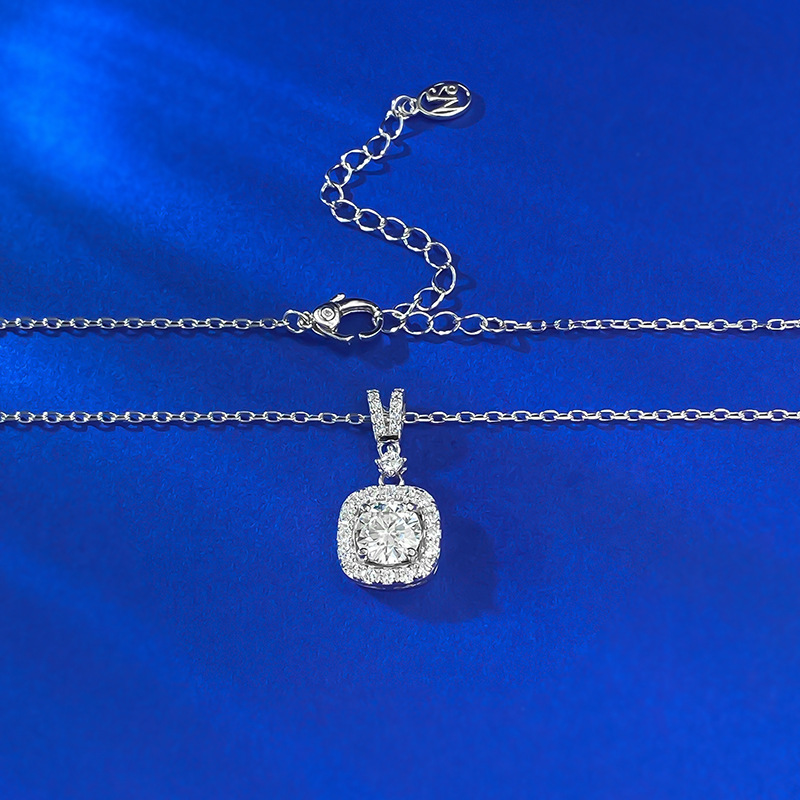
Jewelry Warranty Comparison Online Shopping Checklist for Smart Buyers
A Jewelry Warranty Comparison online shopping checklist helps you buy with more confidence before checkout. The right policy can reduce repair surprises, lower long-term ownership costs, and make online shopping feel safer. The wrong one can leave you paying for prong repairs, resizing, stone tightening, or setting fixes that show up after normal wear.
Fine jewelry is more than a style purchase. It’s something you may wear every day, and daily wear brings real maintenance needs. A solitaire engagement ring, a tennis bracelet, and a diamond pendant can all look similar at first glance, but their care needs can be very different. Metal type, stone size, and setting style all affect how much support you may need later.
That’s why a Jewelry Warranty Comparison online shopping checklist matters. It gives you a clear way to Compare Policies Before You commit. Check what’s covered, what’s excluded, how claims work, and whether the service terms fit the piece you’re buying.
Buyers usually feel better once they compare warranty language line by line instead of relying on a headline like “lifetime coverage.” The real value is in the details. Does the policy cover defects only? Does it include resizing, polishing, or inspections? Or does it stop there and leave everyday wear outside the plan?
Use the checklist below to compare fine jewelry warranties with the same care you’d use when choosing a diamond or a setting. The goal is simple: better value, fewer surprises, and a smoother ownership experience from day one.
What a Jewelry Warranty Usually Covers
A jewelry warranty is a promise from the retailer, brand, or maker to repair or replace certain issues tied to workmanship, setting strength, or production defects. Coverage can vary a lot, which is exactly why a Jewelry Warranty Comparison Online Shopping checklist is so useful.
Most standard warranties focus on defects, not damage from normal use. Common covered items may include:
- Manufacturing defects in the setting or mount
- Loose prongs caused by workmanship problems
- Stone replacement if a center stone was set incorrectly
- Clasp or latch failure from a production flaw
- Soldering or assembly issues
- Ring sizing defects or finish problems
- Setting instability in pavé, halo, or multi-stone designs
Some retailers also include limited service benefits, such as:
- Complimentary inspections
- Routine cleaning
- Rhodium plating for white gold
- Stone tightening
- Prong repair at a reduced cost
A warranty is not a catch-all protection plan. Most policies exclude:
- Loss or theft
- Accidental damage
- Chips, cracks, or scratches from wear
- Damage from chemicals, impact, or bad storage
- Work done by another jeweler
- Normal wear and tear on thin bands, clasps, or settings
- Damage caused by missed inspections or poor care
That difference matters. A ring can be beautiful and still need upkeep. Jewelry care professionals often suggest an inspection every 6 to 12 months for regularly worn rings, especially if they have pavé diamonds, delicate prongs, or high-set center stones. GIA also advises regular care and inspection to help protect both the look and security of the setting.
A warranty is not the same as insurance. A warranty usually handles defects or workmanship issues. Jewelry insurance is meant to help with loss, theft, or accidental damage, depending on the policy. Some shoppers also run into protection plans or service plans, which may add maintenance perks, but they are not always the same as a true manufacturer warranty.
| Protection Type | Typical Coverage | Common Exclusions | Best For |
|---|---|---|---|
| Warranty | Defects, workmanship, setting issues | Loss, theft, accidental damage, wear | Manufacturing problems and early defects |
| Insurance | Loss, theft, accidental damage | Routine maintenance, defects not covered by policy | Valuable daily-wear pieces |
| Protection Plan | Repairs, services, limited damage support | Often limited by terms and service network | Buyers who want extra service support |
| Service Plan | Cleaning, inspections, basic care | Major damage, replacement value | Ongoing upkeep and convenience |
Start with the exact policy language. A strong Jewelry Warranty Comparison online shopping checklist begins with the basics: what’s covered, what’s excluded, and whether the support matches how you’ll actually wear the piece.
How to Compare Jewelry Warranty Details Before Checkout
A good Jewelry Warranty Comparison online shopping checklist should work like a side-by-side scorecard. Don’t stop at the word “warranty.” Open the product page, the return policy, the warranty page, and any brand-specific service terms. Then compare them line by line.
Start with a simple comparison frame
Use this quick structure while you shop:
- Coverage length — Is it 1 year, 2 years, lifetime, or limited by item type?
- Coverage scope — Does it cover defects only, or also repair and maintenance?
- Claim process — Do you upload photos, mail the item, or visit an approved jeweler?
- Turnaround time — How long does repair or replacement usually take?
- Service fees — Are inspections, shipping, resizing, or repairs free?
- Exclusions — What voids coverage?
- Required maintenance — Does the seller require cleaning or periodic inspections?
- Documentation — Do you need receipts, appraisal paperwork, or registration?
A retailer can say “lifetime warranty,” but that phrase can hide a lot. A lifetime policy that only covers defects and requires annual inspections is very different from one that includes stone tightening, resizing, and cleaning. Always verify the exact policy on the product page.
Read the fine print, not just the headline
Many buyers focus on the big promise and miss the limits. A Jewelry Warranty Comparison online shopping checklist should help you spot the clauses that change the real value of coverage.
Watch for:
- “Limited” language that narrows protection to certain parts only
- “At our discretion” clauses that give the retailer broad decision power
- Third-party repair rules that void coverage if you use another jeweler
- Shipping rules that make you pay insured postage both ways
- Inspection deadlines that cut off coverage if you miss a maintenance window
- “Normal wear” exclusions that are broad enough to cover common issues
- Stone size limits for center stones or side stones above a certain carat weight
For example, a 1.00-carat engagement ring with a high cathedral setting may need more prong checks than a low-profile bezel-set band. If a policy excludes repairs tied to wear, that delicate mounting could cost more to own over time than the sticker price suggests.
Build a comparison table while you shop
This table can keep your jewelry warranty comparison online shopping checklist organized:
| Feature | Retailer A | Retailer B | Retailer C |
|---|---|---|---|
| Warranty length | |||
| Defect coverage | |||
| Resizing included | |||
| Stone tightening | |||
| Inspection required | |||
| Shipping fees | |||
| Repair turnaround | |||
| Exclusions | |||
| Transferable | |||
| Renewal options |
Once you fill this out, patterns become obvious. A lower-priced piece with weak support may end up costing more than a slightly higher-priced item with better service.
Spot hidden limits before they surprise you
Some warranty terms sound generous until you read closely. A jewelry warranty comparison online shopping checklist should flag hidden restrictions like these:
- Coverage only if the item is registered within a short window
- Required annual inspection by the original seller
- Repairs limited to approved service centers
- Loss of coverage after resizing by another jeweler
- No coverage for stones under a minimum size or for normal wear on thin shanks
- Only one free repair per issue, with later repairs billed to you
Industry experts recommend asking for clarification on any unclear clause before purchase. If the policy says “subject to approval,” ask how approval works. If it says “reasonable wear excluded,” ask for examples. Written confirmation from customer service can save you from a dispute later.
Match the policy to the jewelry type
A bracelet, ring, pendant, and pair of earrings do not face the same risks. That’s why a jewelry warranty comparison online shopping checklist should account for the item itself.
- Engagement rings: Prioritize prong security, center stone retention, resizing, and inspection rules.
- Wedding bands: Focus on finish wear, engraving, and repair terms.
- Diamond studs: Review backing replacement and stone security.
- Bracelets and necklaces: Check clasp repair, chain replacement, and link strength.
- Lab-grown diamond jewelry: Review warranty terms the same way you would for mined diamonds; the stone origin doesn’t remove the need to compare coverage carefully.
If you’re comparing engagement ring options, you can also explore our engagement rings and review product details alongside warranty support. For center stone shopping, browse our diamond collection to compare stone details before you decide.
Essential Jewelry Warranty Checklist Before You Buy
Use this section as a practical jewelry warranty comparison online shopping checklist before checkout. It’s meant to help you separate marketing language from real value.
1. Coverage length and start date
A warranty may begin on the purchase date, shipment date, or delivery date. That difference matters. If a policy starts before the item reaches you, your coverage clock may begin sooner than you expect.
Check whether the warranty lasts:
- 1 year
- 2 years
- Lifetime, with conditions
- Limited lifetime for manufacturing defects only
- Renewable with inspection or payment
2. Repair scope and service quality
A strong policy should explain what repair services are included. Look for details such as:
- Prong tightening
- Stone replacement
- Clasp repair
- Shank reinforcement
- Soldering or rejoining
- Polishing or refinishing
- Rhodium plating for white gold
Service quality matters too. Ask whether repairs use original materials, whether stones are matched by size and quality, and whether the retailer uses trained jewelers or outside repair centers.
3. Claims process and turnaround time
Some warranties look strong on paper but are hard to use. A practical jewelry warranty comparison online shopping checklist should include the claim process.
Ask:
- Do I need to call, email, or submit a digital form?
- Must the item go to a specific address?
- Do I need photos or a repair estimate first?
- How long does approval usually take?
- How long is the typical repair turnaround?
Fast service can save a lot of stress if a prong loosens or a clasp fails. Slow service can leave a daily-wear item unusable for weeks.
4. Fees and service charges
Even a “free” warranty can carry costs. Compare:
- Diagnostic fees
- Cleaning fees
- Shipping and insurance charges
- Resizing charges beyond the first adjustment
- Labor fees for non-covered repairs
- Replacement stone charges if the policy does not cover them
A basic prong retip or minor repair can cost a meaningful amount depending on metal type and complexity. Retail repair pricing varies a lot, so a free or low-fee service clause can save money over time.
5. Registration and proof of purchase
Many warranties require registration within a certain time frame. Others need the original invoice, a serial number, or a digital copy of the appraisal.
Keep these documents:
- Order confirmation
- Sales receipt
- Warranty certificate
- Appraisal or grading report
- Photos of the item as received
- Any written service promises from customer support
If the retailer asks for proof and you can’t provide it, coverage may be delayed or denied.
6. Inspection schedules and care rules
A jewelry care professional will often recommend periodic inspections for worn rings, especially those with pavé diamonds, halo settings, or higher center stones. Many warranties mirror that advice.
Some policies require:
- Annual inspection
- Cleaning every 6 to 12 months
- Proof that prongs were checked by the original seller
- Maintenance at approved service centers only
If you skip those requirements, a claim can be rejected. This is where a jewelry warranty comparison online shopping checklist becomes especially useful. It helps you decide whether the care rules fit your habits.
7. Transferability and renewability
If the warranty is transferable, that can add value if you plan to gift or resell the piece. If it’s renewable, you may keep protection longer as the jewelry ages.
Ask whether the warranty:
- Transfers to a new owner
- Stays with the item only
- Requires a transfer fee
- Can be renewed after the original term ends
- Converts to service-only coverage later
8. Item-specific restrictions
Policies may vary by:
- Center stone carat weight
- Ring design complexity
- Metal type such as platinum, 14K gold, or 18K gold
- Lab-grown or natural diamond classification
- Pre-set versus custom-made jewelry
For example, a 2-carat center stone in a high setting may follow different service rules than a 0.50-carat solitaire. Always compare the policy to the exact item you’re buying.
Quick shopper checklist
Before You Buy, confirm the following:
- Coverage terms are clearly written
- Exclusions are specific, not vague
- Resizing rules are stated
- Repair fees are disclosed
- Claim steps are easy to follow
- Inspection requirements fit your schedule
- Transfer and renewal terms are clear
- Proof-of-purchase rules are manageable
If you want help with fit before purchase, learn about ring sizing so resizing expectations are easier to judge.
Why Warranty Terms Affect Long-Term Value
A strong warranty does more than protect against defects. It can lower ownership costs and improve the buying experience over time. That’s why a jewelry warranty comparison online shopping checklist should focus on long-term value, not just the sticker price.
Lower repair costs over time
Repairs add up. A prong repair, clasp fix, or stone tightening may seem small on its own, but repeated service can strain your budget. A policy that covers common maintenance can help reduce those expenses.
Even a modest repair can become pricey if you need it more than once. Rings worn daily are especially likely to need inspections or tightening, and settings with small diamonds often need more regular care. Good warranty support can soften those costs.
More confidence when buying online
Online Jewelry Shopping can feel risky because you can’t inspect the piece in person first. A solid warranty gives buyers more confidence, especially if the retailer offers clear service terms and easy support.
That confidence matters with higher-value purchases like engagement rings and diamond studs. When you can compare warranty details before checkout, you’re less likely to second-guess the order.
A useful signal of retailer quality
Warranty language often reflects how much a retailer stands behind its craftsmanship. Clear, fair, and workable policies usually point to better service standards.
If a retailer publishes detailed policy pages, explains exclusions plainly, and offers a simple claim process, that’s usually a good sign. If the policy is vague, packed with loopholes, or hard to find, proceed carefully.
Customers often say the warranty page tells them a lot about the seller before they ever place an order. That’s a signal worth paying attention to.
Pricing and Value: When Better Coverage Makes Sense
Sometimes the best deal isn’t the lowest price. A jewelry warranty comparison online shopping checklist helps you decide whether paying more for stronger coverage is worth it.
Included warranties versus paid protection plans
Some retailers include a basic warranty at no extra charge. Others sell an optional paid plan with broader service support. Both can work well, depending on the jewelry type.
A free included warranty may be enough for:
- Low-to-moderate wear items
- Simple pendants or earrings
- Jewelry with limited maintenance needs
- Buyers who also carry separate insurance
A paid protection plan may make more sense for:
- Daily-wear engagement rings
- Delicate pavé or halo designs
- Larger center stones
- Pieces with frequent repair exposure
- Shoppers who want easier service access
Match coverage to the item’s risk
Warranty value depends on how the item will be worn.
- High-wear rings: Higher risk of prong or setting issues
- Chains and bracelets: Higher risk of clasp or link damage
- Stud earrings: Usually lower risk, but backings and settings still matter
- Custom pieces: May need more specific service terms
A ring with a platinum setting and a 1.50-carat center stone may justify stronger support than a simple gold band. A delicate chain necklace may also benefit from repair-friendly terms because links and clasps can fail with regular use.
Compare price against coverage and convenience
Before you pay extra for a plan, compare:
- Coverage limits
- Deductibles or service fees
- Repair network quality
- Shipping convenience
- Replacement options
- Response time
A slightly higher purchase price can be worth it if the warranty saves time and stress later. But if the policy is limited, expensive, or hard to claim, the extra spend may not give you much in return.
Customer Questions to Ask Before Purchasing Fine Jewelry Online
Your jewelry warranty comparison online shopping checklist should include practical buyer details that affect ownership after delivery.
Sizing and resizing eligibility
Sizing is a major issue for rings. Some retailers offer one free resize, while others charge a fee or exclude resized items from full warranty support.
Check:
- Whether the first resize is free
- The size range allowed
- Whether resizing affects hallmarking or structure
- Whether third-party resizing voids coverage
For custom designs, resizing can be more limited. Eternity bands and pavé rings may have stricter rules because of their stone placement.
Care requirements and maintenance obligations
Warranty coverage often depends on care compliance. Retailers may require you to:
- Clean the jewelry regularly
- Store it separately to avoid scratching
- Remove rings during heavy labor or exercise
- Avoid harsh chemicals
- Submit the item for scheduled inspections
A jewelry care professional will usually say that storage and inspection habits matter just as much as the warranty. If you don’t follow the care rules, the seller may deny a claim.
Shipping, returns, and exchanges
Shipping terms can affect warranty protection. Confirm whether:
- The retailer insures outbound and return shipping
- Returns are allowed within a certain window
- Exchanges affect warranty status
- Damaged items must be reported right away
- Items need original packaging for warranty claims
If you’re still comparing styles, browse our jewelry collection to review designs alongside product details and support terms. If you want to compare setting styles before buying, use our ring builder to explore custom options.
Documentation and order records
Keep every digital file related to the purchase. That includes the order number, tracking email, warranty registration, and product images. If a claim comes up later, you’ll want proof that the item came from the original seller and that you followed the policy terms.
How to Read Warranty Fine Print Without Missing the Traps
A polished warranty can still hide limits. Use these tips to make your jewelry warranty comparison online shopping checklist more effective.
Watch for vague language
Be cautious with words like:
- “As needed”
- “At our discretion”
- “Reasonable wear”
- “Limited coverage”
- “Subject to approval”
These phrases can narrow protection more than they seem to at first glance.
Compare at least two policies
Even if one retailer looks like the obvious pick, compare another policy before you decide. Side-by-side reading makes differences in resizing, inspection rules, and repair costs easier to spot.
Ask for written confirmation
If a policy page is unclear, contact customer support and ask for written confirmation. Good questions include:
- Is the first resize included?
- Are stone tightening and prong checks covered?
- Does the warranty stay active after annual inspection?
- What happens if I move or change addresses?
- Does the policy apply to lab-grown diamond jewelry the same way it applies to mined diamonds?
Written answers can protect you later if there’s a dispute.
Frequently Asked Questions About Jewelry Warranty Comparison
What should I look for when comparing jewelry warranties online?
Focus on what is covered, what is excluded, how long the coverage lasts, and whether repairs are free or carry a fee. Also review the claim steps, proof-of-purchase rules, and whether the warranty applies to normal wear or only defects. A strong jewelry warranty comparison online shopping checklist should also include resizing, inspection requirements, and turnaround time.
Is a jewelry warranty the same as jewelry insurance?
No. A warranty usually covers defects or workmanship issues, while insurance is designed to protect against loss, theft, and accidental damage. Many shoppers need both for fuller protection, depending on the item and how often it will be worn. The right mix depends on the piece, its value, and your daily routine.
Do online jewelry retailers usually cover resizing under warranty?
Some do, but not all. Resizing may be included once, offered at a discount, or excluded if the ring has been altered by another jeweler. If resizing matters to you, confirm the size range and any restrictions before checkout. That one step can save you a headache later.
How can I tell if a jewelry warranty is good value?
A good warranty gives you clear coverage, fair exclusions, simple claims, and useful repair support. Compare the policy cost against likely repair expenses and the quality of the retailer’s service. If the plan is easy to use and fits the jewelry you’re buying, it usually offers better value.
What happens if I do not follow the warranty care instructions?
Some warranties can be voided if required maintenance, inspections, or care steps are skipped. Retailers often expect proper cleaning, safe storage, and documented maintenance to keep coverage active. If you plan to wear the piece often, make sure the rules fit your routine Before You Buy.
Shop StoneBridge Jewelry with Confidence
A smart jewelry warranty comparison online shopping checklist helps you buy better, not just faster. Compare coverage, exclusions, resizing rules, inspection requirements, and claim steps before checkout so you can choose a piece that Fits Your Style and your budget.
At StoneBridge Jewelry, we believe warranty terms should be clear, useful, and easy to review. If you’re ready to shop with confidence, explore our engagement rings, shop our diamonds, or contact our jewelry experts for help understanding product details and support Options Before You Buy.
Ready to Find Your Perfect Diamond?
Explore our collection of certified lab-grown diamonds
Shop Diamonds