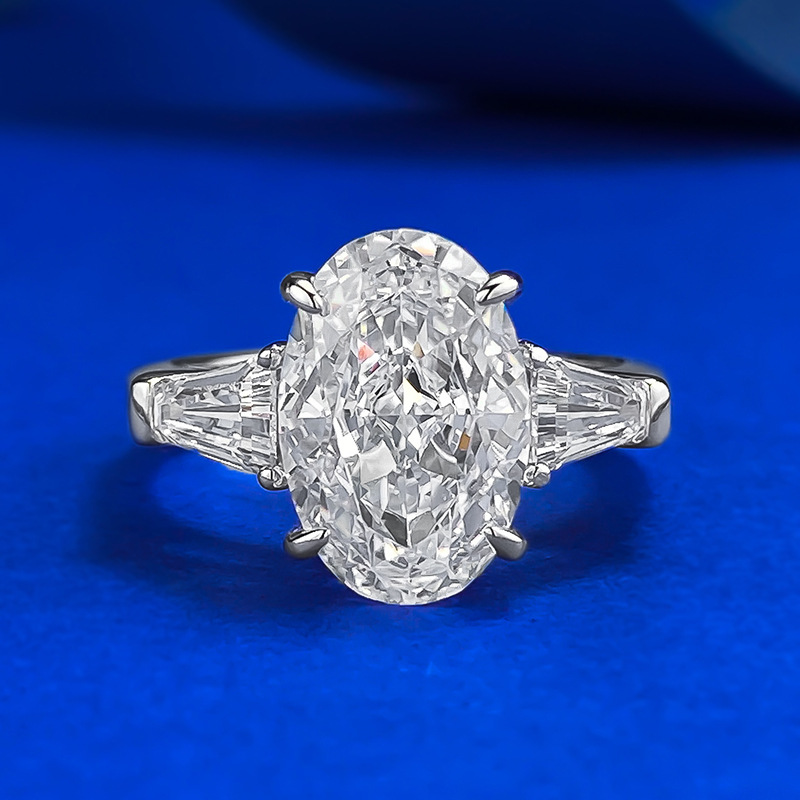
Jewelry Warranty Comparison Fit Guide for Smart Buyers
Jewelry Warranty Comparison Fit Guide: Choose Coverage and Fit That Work
A smart jewelry purchase starts before checkout. This Jewelry Warranty Comparison fit guide helps you compare coverage, check comfort, and choose a piece that holds up over time. That matters even more for fine jewelry and lab-grown diamond purchases, where the price can be meaningful and the warranty details can shape long-term ownership costs.
A solid warranty can ease repair stress, support routine care, and protect you from manufacturing issues. Still, the piece has to fit well. A ring that spins, a bracelet that slips, or a necklace that sits too short can turn a beautiful buy into a daily headache. This Jewelry Warranty Comparison fit guide looks at both sides: what the warranty covers and how the piece will actually wear.
You’ll see how common warranty types compare, what exclusions can cause surprises, how sizing affects return and repair options, and how to Judge Real Value beyond the lowest sticker price. If you’re buying an engagement ring, a gift, or a diamond piece for daily wear, these details can help you choose with more confidence.
What a Jewelry Warranty Usually Covers
A jewelry warranty is meant to address certain defects or service needs after purchase, but the scope can vary a lot by retailer. In a Jewelry Warranty Comparison fit guide, the first step is understanding what coverage usually includes and what it leaves out.
Common coverage categories
Most warranties focus on the issues that come from manufacturing or workmanship:
- Manufacturing defects: Problems caused by how the piece was made, such as weak prongs, uneven finishing, or loose assembly.
- Stone security: Loose accent stones or a center stone that needs tightening because of craftsmanship issues.
- Setting issues: Prongs, bezels, or channel settings that fail under normal use because of a build problem.
- Clasp and chain problems: Broken clasps, weak jump rings, or soldering issues.
- Metal workmanship: Structural flaws in the band, basket, or links that show up after normal wear.
For fine jewelry, these categories matter because even well-made pieces need service now and then. GIA notes that regular inspection helps catch loose stones and wear before the damage gets worse. That makes warranty support especially useful for rings worn every day.
What is usually excluded
A warranty is not the same as full protection against every loss. Many policies exclude:
- Normal wear and tear
- Accidental damage from impact or bending
- Loss or theft
- Unauthorized repairs
- Damage from harsh chemicals or the wrong cleaning method
- Changes made by another jeweler
Some retailers also limit coverage if you miss scheduled inspections or skip required care steps. So this Jewelry Warranty Comparison fit guide should always include the fine print, not just the big promise on the sales page.
Lifetime warranties, limited warranties, and add-on protection plans
These options may sound similar, but they work differently:
- Lifetime warranty: Usually covers specific defects for as long as you own the piece, though the terms can be narrow.
- Limited warranty: Covers defects only for a set period, such as one year or five years.
- Add-on protection plan: Often sold separately and may include repair, cleaning, resizing, or accidental damage coverage.
A lifetime warranty can be strong value if it includes useful maintenance, but a vague lifetime promise may leave out the very services buyers expect. The best Jewelry Warranty Comparison fit guide weighs both the coverage language and the service experience.
How to Compare Jewelry Warranty Options Side by Side
A clear jewelry warranty comparison fit guide helps you compare offers on the same terms. Don’t just ask, “Does it have a warranty?” Ask what happens if a prong loosens, the clasp fails, or the size needs changing after the first wear.
The main comparison factors
Use these points when reviewing two or more warranties:
Coverage length
- Is it lifetime, limited, or optional protection?
- Does coverage start at purchase or after registration?
Repair costs
- Are covered repairs free?
- Are labor and shipping included?
- Is there a deductible or service fee?
Replacement terms
- Will the retailer repair, replace, or offer store credit?
- Are replacement stones matched to the original grade?
Turnaround time
- How long do repairs usually take?
- Is faster service available for engagement rings or gifts?
Claim process
- Do you need photos, an inspection report, or a return form?
- Is the process online, by phone, or in-store?
Maintenance requirements
- Must the item be inspected every six or twelve months?
- Are cleanings or tightening visits required to keep coverage active?
Resizing policy
- Is one resize included?
- Are there limits for eternity bands, pavé settings, or engraved rings?
The best jewelry warranty comparison fit guide doesn’t just compare the warranty name. It compares the ownership experience.
Side-by-side warranty comparison table
| Comparison Factor | Warranty A | Warranty B | What to Look For |
|---|---|---|---|
| Coverage length | Lifetime | 1 year | Longer only helps if the terms are useful |
| Stone tightening | Included | Not included | Helpful for rings worn daily |
| Resizing | One complimentary resize | Paid service | Important for gifts and engagement rings |
| Accidental damage | Excluded | Optional add-on | Worth checking for active lifestyles |
| Claim process | Online + shipping | In-store only | Pick the process that fits your routine |
| Inspection requirement | Every 6 months | Every 12 months | See whether missed inspections void coverage |
| Turnaround time | 2-3 weeks | 4-6 weeks | Faster service means less downtime |
Buyer checklist for comparing warranties
Before You Buy, use this quick checklist from the Jewelry Warranty Comparison Fit Guide:
- Read the exclusions first.
- Confirm whether resizing is included.
- Check if stone tightening and prong checks are covered.
- Ask how claims are filed.
- Verify whether original packaging or documents are needed.
- Look for inspection schedules.
- Compare shipping costs for repairs.
- Check whether the warranty transfers if the piece is gifted.
If two pieces cost about the same, the one with better service terms often gives you more value over time. We've found that this matters most for engagement rings and diamond studs, where routine maintenance comes up sooner than buyers expect.
Fit Guide: Sizing, Comfort, and Wearability Before You Buy
A strong warranty helps, but fit may matter even more. A jewelry warranty comparison fit guide should also help you choose jewelry that feels right from day one. If a piece fits poorly, you may need an exchange, resize, or repair sooner than expected.
Why fit matters by jewelry type
Rings
- Rings cause the most fit issues.
- A loose ring can twist and stress the prongs.
- A tight ring can feel uncomfortable and may not slide off safely.
Bracelets
- Too loose, and they swing or snag.
- Too tight, and they may pinch or limit movement.
- Tennis bracelets should sit securely without rolling too much.
Necklaces
- Length changes how the piece layers and rests on the neckline.
- A chain that’s too short may not sit well with a pendant.
Earrings
- Weight, post length, and back style affect comfort.
- A larger setting can pull on the ear if the backing isn’t supportive.
Fit changes comfort, appearance, and long-term wear. It also affects repair risk. A ring that spins all day may wear down the lower shank faster. A bracelet that’s too snug may stress the clasp. That’s where the jewelry warranty comparison fit guide becomes practical, not just theoretical.
Sizing and warranty eligibility
Some policies limit coverage if the wrong size causes damage or if resizing changes the original structure. That means fit and warranty are connected.
A few examples:
- Sizing changes on pavé or channel-set rings may be restricted.
- Wide bands often need a larger size than slim bands.
- Comfort-fit bands can feel looser than flat-profile bands in the same size.
- Gift purchases should allow for likely size changes and exchange windows.
Industry best practice puts precise sizing near the top of the list for engagement rings with delicate pavé or halo details. Those designs can be more sensitive to resizing and upkeep. A good jewelry warranty comparison fit guide should account for that.
Practical fit factors to review before checkout
Here are the biggest fit points to check:
- Finger shape and knuckle size: If your knuckle is larger than the base of your finger, the ring needs to pass over comfortably without spinning too much.
- Daily activities: Frequent handwashing, exercise, typing, or gloves can change how a ring feels.
- Stacking plans: If you plan to pair a wedding band later, leave room for the stack.
- Band width: Wider rings often need a slightly different size than narrow rings.
- Seasonal changes: Fingers can swell in heat and shrink in cold.
Ring fit tips for better daily wear
- Measure your finger at the end of the day.
- Use the right ring width for sizing; a 2 mm ring and an 8 mm ring won’t feel the same.
- If you’re between sizes, check the retailer’s exchange and resizing policy.
- Choose comfort-fit bands if you want a smoother inner edge.
- For engagement rings, confirm whether the setting allows future size changes.
A complete jewelry warranty comparison fit guide should help you avoid the common mistake of focusing on carat weight and forgetting wearability.
Value Analysis: Warranty Coverage vs Price vs Long-Term Savings
A low price can look good, but real ownership costs include care, repairs, resizing, and maintenance. This part of the jewelry warranty comparison fit guide shows how to compare value more honestly.
Compare included coverage to out-of-pocket service costs
Without warranty support, common service fees may include:
- Ring resizing: often priced by metal, complexity, and design
- Prong tightening: often needed over time for daily-wear rings
- Polishing and refinishing: used to restore shine and reduce surface wear
- Stone replacement: can be costly depending on size, color, and match
- Clasp repair or chain soldering: usually modest, but still an added expense
For fine jewelry, even small service charges can add up. If a ring needs a resize, an annual tightening, and periodic polishing, a paid protection plan may be worth it. A smart jewelry warranty comparison fit guide looks at total cost of ownership, not just the checkout price.
Why better craftsmanship can reduce future maintenance
A well-made piece often needs fewer fixes. Quality construction may include:
- Secure prong placement
- Balanced setting design
- Strong solder points
- Smooth interior edges
- Accurate stone mounting
GIA educational resources note that craftsmanship affects how well jewelry holds up under routine wear. That makes material quality and build quality part of the value equation. A lab-grown diamond ring with a strong setting and a clear warranty may offer better long-term value than a cheaper ring with weak workmanship.
How lab-grown diamond jewelry fits into the equation
Lab-grown diamonds have made larger center stones more accessible, which changes the value conversation. Buyers often compare carat, cut, color, and clarity against budget. Even so, warranty and fit still matter.
For example, a 1.50-carat lab-grown diamond engagement ring in a secure setting may cost less upfront than a mined diamond alternative. Still, the savings can shrink if frequent maintenance isn’t covered. If the ring needs resizing or stone tightening later, those charges affect the real total.
That’s why this jewelry warranty comparison fit guide helps shoppers who are comparing lab-grown diamond jewelry and traditional fine jewelry alike.
True value checklist
Use this list to judge value beyond price:
- Does the warranty include useful repairs?
- Are resizing and maintenance included or discounted?
- Will the retailer support the piece long-term?
- Is the setting durable enough for daily wear?
- Does the design fit your lifestyle now and later?
- Are you paying more for service, or just for a brand name?
A well-priced piece with strong coverage can save money over time. A cheaper piece with weak coverage can cost more after the first repair.
Customer Considerations Before Checkout
Before you finish a purchase, review the service details that can affect both fit and warranty protection. A practical jewelry warranty comparison fit guide always includes the policies behind the product.
Care, inspections, and maintenance
Many warranties require basic care to stay valid. Typical expectations include:
- Cleaning with approved methods
- Avoiding harsh chemicals and ultrasonic cleaning on certain stones or settings
- Scheduling regular inspections
- Having prongs checked every six to twelve months
- Storing pieces separately to avoid scratches
If a retailer requires inspections, keep the paperwork. Missing a required maintenance check may weaken your claim later.
Common concerns to review before ordering
- Ring size accuracy: Double-check the measuring method.
- Shipping risk: Confirm how orders are packaged and insured in transit.
- Insurance: A retailer warranty is not the same as personal jewelry insurance.
- Proof of purchase: Save receipts, order confirmations, and warranty registration.
- Exchange windows: Know how long you have to request a size change.
Questions to ask before purchase
Use these questions as a final filter:
- Does the warranty cover stone tightening and clasp repair?
- Is resizing included, discounted, or excluded?
- What voids the warranty?
- How long does repair service usually take?
- Are inspection visits required to keep the warranty active?
- Can the piece be exchanged if the fit is wrong?
- Is the warranty tied to the original owner only?
If the answers aren’t clear, contact the retailer before buying. You can also contact our jewelry experts for help reviewing coverage and fit.
When to Choose a Warranty-Backed Purchase from StoneBridge Jewelry
StoneBridge Jewelry is a strong choice for shoppers who want quality, clear terms, and support after the sale. If you’re buying an engagement ring, a gift, or a daily-wear diamond piece, a jewelry warranty comparison fit guide can show why service terms matter.
Warranty-backed purchases are especially useful for:
- Engagement ring shoppers who want dependable long-term support
- Gift buyers who may need sizing help after delivery
- Frequent-wear customers who want maintenance and repair confidence
- Lab-grown diamond buyers looking for value and peace of mind
If you’re ready to shop, browse our engagement rings, lab-grown diamonds, or full jewelry collection. For sizing help, you can also learn about ring sizing before checking out.
FAQs About Jewelry Warranty Comparison and Fit
What should I look for when comparing jewelry warranties?
Start with the basics: what is covered, how long it lasts, and whether repairs, resizing, polishing, or stone tightening are included. Then check exclusions, claim steps, and whether the warranty covers only manufacturing defects or also maintenance support. A strong jewelry warranty comparison should make those differences easy to spot. If the terms feel vague, ask for written clarification Before You Buy.
Does a jewelry warranty cover ring resizing?
Sometimes, yes. Some warranties include one complimentary resize or offer discounted resizing, while others exclude size changes completely. Always confirm the policy before buying, especially for engagement rings or gifts where fit may need adjustment. If resizing matters to you, make it part of your jewelry warranty comparison fit guide before checkout.
How do I know if a ring will fit comfortably before I order online?
Use an accurate ring size measurement and think about band width, knuckle size, and comfort-fit design. If you’re between sizes, check the retailer’s exchange and resizing policy before checkout. Our customers often tell us that the ring feels different once they try on the same size in a wider band. A good fit guide should also factor in seasonal swelling and stacking plans.
What can void a jewelry warranty after purchase?
Common warranty-voiding issues include unauthorized repairs, improper cleaning, accidental damage outside the coverage terms, and skipping required inspections or maintenance. A warranty can also be limited if the piece was modified by another jeweler. Read the policy carefully so there are no surprises later. If you’re unsure, ask the retailer to explain the warranty in plain language.
Is a lifetime jewelry warranty worth it for fine jewelry?
It can be, but only if the terms are useful. A lifetime warranty is most valuable when it includes repairs, stone checks, and maintenance at low or no cost. It works best when the coverage matches how often you plan to wear the piece and how much care it may need. The best jewelry warranty comparison fit guide helps you judge protection and wearability together.
Shop with confidence
Use this jewelry warranty comparison fit guide Before You Buy, not after. Compare the coverage, confirm the fit, and choose a piece that works for your lifeStyle and Budget. If you’re ready to shop with clarity and support, explore our engagement rings, shop our lab-grown diamonds, or try our ring builder to create the right piece now.
Ready to Find Your Perfect Diamond?
Explore our collection of certified lab-grown diamonds
Shop Diamonds