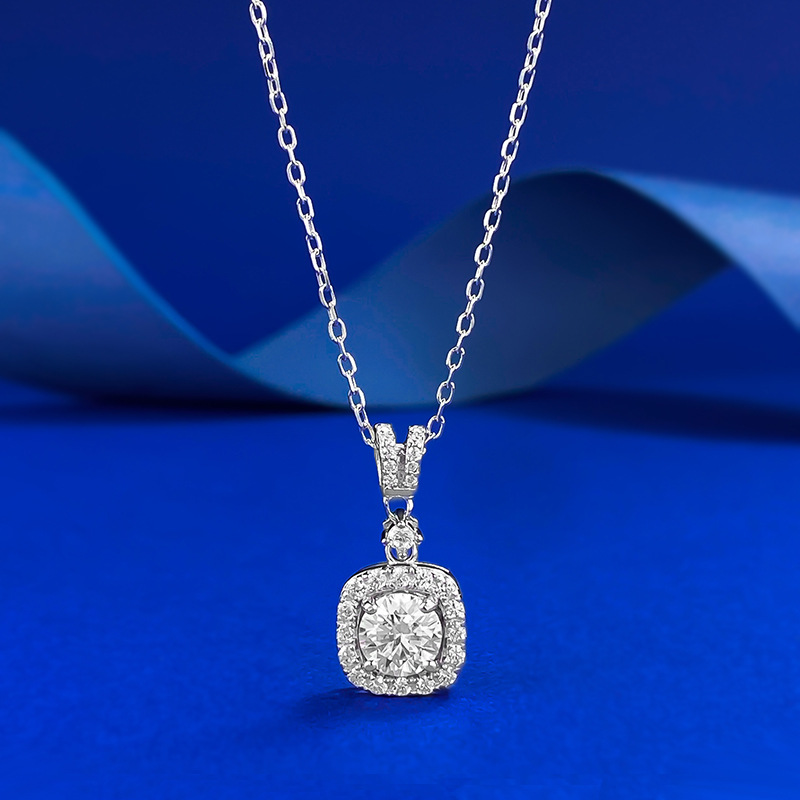
Jewelry Warranty Comparison Gift Planning Guide for Protected Gifts
Buying jewelry as a gift is personal. You want it to feel special, look beautiful, and hold up well after the box is opened. A smart Jewelry Warranty Comparison gift planning guide helps you compare coverage, service, exclusions, and price Before You Buy. That way, the gift feels thoughtful on day one and stays protected later.
That matters for engagement rings, anniversary bands, birthday pendants, diamond studs, and milestone pieces. A stronger warranty can lower risk and make ownership easier. A weak one can leave you paying for repairs you didn’t expect. If you’re comparing fine jewelry or lab-grown diamond pieces, a Jewelry Warranty Comparison gift planning guide belongs on your checklist.
Why warranty coverage matters when you're buying a gift
A jewelry gift carries emotional weight and financial weight. The recipient may wear it often, store it carefully, or save it for special moments. Either way, warranty protection affects how confident you feel at purchase and how smooth ownership feels after gifting.
A solid warranty can help in several ways:
- It reduces the buyer’s risk on higher-ticket pieces.
- It can cover common service needs like prong tightening or setting checks.
- It improves the ownership experience if the item needs maintenance.
- It can support future resale or trade-in conversations when the piece has been documented and serviced properly.
GIA and other gem labs stress regular inspection and secure settings for fine jewelry. That advice is practical for gift shoppers too. A diamond or gemstone may get the spotlight, but the setting, clasp, sizing, and care plan matter just as much.
The sentimental value is obvious. The protection side is easier to miss, but it matters. A ring that needs resizing, a prong that loosens, or a clasp that fails can turn a beautiful gift into an extra bill. A Jewelry Warranty Comparison Gift Planning guide helps you spot those risks early.
For premium pieces, especially lab-grown diamond jewelry with higher carat weights and finished values, warranty terms can change the value story. A 1.00 ct or 2.00 ct lab-grown diamond ring may look more affordable than a mined diamond, but repair and service costs still add up over time. Coverage that includes inspections, resizing, or repair support can be a real advantage.
What to compare before you buy
A good Jewelry Warranty Comparison gift planning guide starts with the fine print. Two warranties can sound similar and still offer very different value.
1) Coverage scope
Look for the exact issues the warranty covers. Strong coverage often includes:
- Manufacturing defects
- Stone loosening tied to workmanship
- Prong repair or prong tightening
- Setting repairs
- Clasp or chain issues
- Replacement terms for covered defects
Some warranties also include free inspections or routine cleaning. That helps because prongs and settings can shift over time, especially on rings worn every day.
Be careful if a warranty only covers defects found right after purchase and excludes nearly everything else. That kind of plan may sound reassuring but offer little long-term value.
2) Service terms
A useful warranty doesn’t just say what’s covered. It also explains how service works.
Compare:
- Cleaning frequency
- Inspection intervals
- Resizing policy
- Repair turnaround time
- Whether shipping is included for service work
- Whether the work must be done by the original retailer
If you’re gifting a ring, resizing matters a lot. A piece that arrives in the wrong size can still be the right gift if the retailer offers a simple path to adjust it later. For bracelets and necklaces, look more closely at repair and clasp service.
3) Exclusions and limits
Exclusions are where many buyers miss the real story. Read them carefully.
Common exclusions may include:
- Wear and tear
- Accidental damage
- Lost stones after impact
- Loss or theft
- Misuse or neglect
- Damage from third-party repairs
- Damage caused by resizing elsewhere
Not every exclusion is a red flag. Some are standard in the industry. Still, you should know what you’re buying. If the coverage excludes accidental damage and stone loss, it may work well for defects and service, but it won’t act like a full protection plan.
4) Transferability
If the item is a gift, ask whether the warranty follows the piece or stays with the original buyer.
A transferable warranty can make gifting easier, especially if the recipient may need to handle service requests later. A non-transferable warranty can still be fine, but the original buyer may have to manage claims or paperwork.
5) Claim process and records
A warranty is only as useful as the process behind it. Check whether the retailer requires:
- A dated invoice
- Photos of the item
- Inspection records
- Original packaging or certification
- Proof that maintenance was done by approved service providers
The easier the claim process, the better the experience. Keep the paperwork in a safe place after purchase.
Warranty comparison table
| Warranty Feature | Basic Coverage | Stronger Coverage | What Gift Shoppers Should Look For |
|---|---|---|---|
| Manufacturing defects | Usually included | Included | Must be clearly defined |
| Stone tightening / prong work | Sometimes excluded | Often included | Helpful for daily-wear rings |
| Resizing | Rarely included | Often included once or limited times | Very useful for surprise gifts |
| Cleaning / inspections | Limited | Regular service included | Supports long-term care |
| Accidental damage | Usually excluded | Sometimes partly covered | Helpful for active lifestyles |
| Lost stones | Often excluded | Sometimes limited coverage | Read the exact terms |
| Transferability | Varies | More likely | Important for gifts |
| Claim process | Manual / complex | Clear and guided | Simpler is better |
A careful Jewelry Warranty Comparison gift planning guide makes those differences easier to spot before checkout.
How warranty choices affect gift planning
Gift planning is not just about the jewelry itself. It’s also about how the piece will be worn, cared for, and supported over time. A Jewelry Warranty Comparison gift planning guide helps match coverage to the occasion.
Match coverage to the occasion
Different gifts call for different levels of protection.
- Engagement rings: Usually deserve the strongest coverage because they’re worn often and carry major emotional and financial value.
- Anniversary gifts: Often deserve good service support, especially if the piece includes diamonds or gemstones.
- Birthday or graduation gifts: Coverage can be simpler if the piece is lower maintenance or worn less often.
- Milestone gifts: Higher-value items often justify broader protection.
For an engagement ring, the value of strong coverage is easy to see. The ring will likely be worn every day. That means more contact, more exposure, and more need for service. For a pendant or earrings that get worn a few times a year, a lighter warranty may be enough.
Think about the recipient’s lifestyle
A person who works with their hands, travels often, exercises frequently, or wears jewelry daily may need more protection than someone who saves fine jewelry for special events.
Think about:
- Daily wear vs. occasional wear
- Active vs. low-impact lifestyle
- Preference for simple pieces vs. intricate settings
- Likelihood of resizing later
- Need for regular cleaning or inspections
A high-set diamond ring may need more inspection than a low-profile bezel setting. A delicate chain may need different service support than a heavy tennis bracelet. Your jewelry warranty comparison gift planning guide should reflect those real-life differences.
Plan for surprise gifts and sizing uncertainty
Surprise gifts are fun, but sizing can get tricky. That’s especially true for rings.
If you don’t know the recipient’s exact size, look for:
- A retailer that offers resizing support
- A clear one-time or limited-time adjustment policy
- Easy post-purchase service contact
- A design that’s easier to resize if needed
Bracelets and necklaces can also benefit from flexible service options. Length adjustments, clasp checks, and chain repairs can matter after the gift is given.
Everyday pieces vs. special-occasion pieces
Not every gift needs premium-level coverage.
- Everyday jewelry: prioritize defect coverage, inspection support, and repair terms.
- Special-occasion jewelry: prioritize appearance, documentation, and support for common service issues.
- High-value diamond jewelry: prioritize broader warranty terms and clear service steps.
The best choice is rarely the longest warranty on paper. It’s the one that fits how the piece will actually be worn.
Pricing and value: what the warranty really costs
A jewelry warranty comparison gift planning guide should always look at price. Some warranties are included in the purchase price. Others are sold as an add-on. The value can change fast once you compare likely repair and maintenance costs.
Included coverage vs. add-on coverage
If the warranty is included, ask what’s actually built into the price. Sometimes the retailer has folded a basic protection plan into the product cost. That can be convenient, but it may still come with limits.
If the warranty is optional, compare the add-on fee against expected service expenses.
Typical service costs can vary by metal type, design, and stone setting, but buyers often see these broad ranges:
- Ring resizing: about $50 to $150, sometimes more for complex designs
- Prong tightening or basic setting work: about $35 to $100
- Ultrasonic cleaning or inspection service: often $20 to $75 at many jewelers
- Chain repair or clasp replacement: about $30 to $125 depending on materials
- More involved setting repair: can top $150 quickly
These are broad retail ranges, not fixed prices. Still, they show why a warranty can be worth it on a piece that will need regular attention.
Compare cost against likely ownership needs
A lower-priced warranty can work well if the gift is simple and worn only now and then. A more complete warranty can make sense if the jewelry has:
- A higher purchase price
- Multiple stones or a complex setting
- A daily-wear purpose
- A larger center stone or delicate prongs
- A recipient who values long-term service support
For higher-ticket lab-grown diamond jewelry, even a modest protection plan can feel worthwhile if it helps offset maintenance over several years. A 1.50 ct or 2.00 ct ring may cost less than a mined diamond ring, but the service needs are the same: the setting still needs care.
When a premium warranty makes sense
A stronger warranty is often worth paying for if:
- The piece will be worn daily
- You’re buying an engagement ring
- The design is intricate or delicate
- The replacement value is high
- Resizing is likely
- The retailer includes cleanings and inspections
- The claim process is simple and documented
When a simpler plan is enough
A basic warranty may be enough if:
- The item is worn occasionally
- The design is straightforward
- The price point is modest
- The piece has fewer repair risks
- You’re comfortable handling maintenance separately
The key is total ownership cost, not just the purchase price. A jewelry warranty comparison gift planning guide helps you see the full picture Before You Buy.
Buyer tips for sizing, care, and gift-ready planning
Beyond warranty terms, good gift planning means thinking about fit, maintenance, and paperwork. These practical choices can help protect warranty eligibility and improve the recipient’s experience.
Sizing planning for rings and bracelets
Rings are the most common sizing challenge. If you don’t know the recipient’s size, try one of these options:
- Compare to an existing ring that fits the same finger
- Use a printable or physical ring sizer
- Ask a close friend or family member for help
- Choose a retailer that offers resizing support
For bracelets, length matters. Common bracelet lengths include 6.5 inches, 7 inches, and 7.5 inches, but wrist size and fit preference vary. A small difference can change comfort a lot.
For necklaces, chain length affects Comfort and Style. Typical choices include 16 inches, 18 inches, and 20 inches. If the piece is a gift, pick a length that fits the recipient’s wardrobe and layering habits.
If you’re unsure, use a retailer’s sizing tools. You can also learn about ring sizing before checkout.
Care habits that help preserve warranty eligibility
Most warranties expect reasonable care. That usually means the wearer should:
- Avoid harsh chemicals
- Remove jewelry during heavy physical activity
- Store pieces separately to reduce scratches
- Schedule periodic inspections if recommended
- Keep service records and receipts
- Avoid unauthorized repairs
Industry experts often recommend regular checks for prongs, clasps, and settings, especially on pieces worn often. That advice lines up with common jewelry warranty rules. If the warranty requires approved servicing, stick to that path.
Packaging, appraisal, and paperwork
Gift planning should include the documents.
Keep these items together:
- Purchase receipt
- Warranty terms
- Diamond certificate or grading report, if applicable
- Appraisal, if provided
- Insurance information, if you choose to insure the piece
- Sizing or repair records
Diamond reports from respected labs such as GIA or IGI can help document the center stone. For lab-grown diamonds, a report may list carat weight, cut, color, clarity, and measurements. That paperwork can support confidence at purchase and help with future service or insurance decisions.
Timing matters for seasonal and milestone gifts
For holiday, anniversary, and proposal gifts, plan ahead. Service centers can get busy, and resizing or custom adjustments may take time. If you need the gift ready for a set date, buy early enough to allow for final work.
If you’re comparing styles for a proposal, explore our engagement rings or try our ring builder to narrow the design before you make warranty decisions.
How StoneBridge Jewelry helps you choose a protected gift
StoneBridge Jewelry helps buyers shop with more clarity by pairing beautiful design with clear product information. That matters for anyone using a jewelry warranty comparison gift planning guide to make a confident purchase.
Our product pages make it easier to review stone details, metal type, setting style, and gift suitability before checkout. If you’re shopping for a diamond ring, stud earrings, pendant, or bracelet, clear product information makes warranty comparison easier because you can match coverage to the exact piece.
We also make it simple to browse by category and occasion. If you’re still deciding, you can browse our jewelry collection or shop our lab-grown diamonds to compare styles, stone sizes, and price points.
We’ve found that shoppers make better decisions when they can compare the jewelry first and the protection second. Our customers often tell us that clear details save them time and cut down on guesswork.
If you want help reading product details or understanding protection options, contact our jewelry experts. A quick conversation can save time and help you choose a gift that fits the occasion, the recipient, and your comfort level.
Final checklist before you buy
Use this checklist before checkout:
- Confirm what the warranty covers
- Read exclusions carefully
- Check whether resizing is included
- Review inspection and maintenance terms
- Understand the claim process
- Compare included coverage vs. add-on cost
- Match the warranty to the gift’s wear pattern
- Save all documents after purchase
A thoughtful jewelry warranty comparison gift planning guide helps you buy with less stress and more confidence. If the piece matters, protection matters too.
Ready to choose a gift that looks beautiful and comes with the right support? Shop StoneBridge Jewelry, review the warranty details on each product page, and pick the piece that fits your moment and your budget. Start with our engagement rings, lab-grown diamonds, or the full jewelry collection before checkout.
FAQ
What should I look for when comparing jewelry warranties for a gift purchase?
Look at what the warranty covers, what it excludes, whether it includes maintenance or resizing, and how easy the claims process is. Check whether the warranty is included with the purchase or sold separately, since that changes total value. A strong jewelry warranty comparison gift planning guide should make those details easy to review before checkout. If the terms feel vague, ask for clarification Before You Buy.
Is a jewelry warranty worth it for an engagement ring or anniversary gift?
Yes, especially for higher-value pieces or jewelry that will be worn often. A strong warranty can help with common service needs like prong tightening, resizing, and setting repairs. For engagement rings, the best jewelry warranty for gift planning usually includes clear service terms and simple support after the sale. That can make ownership much easier.
Do jewelry warranties usually cover lost stones or accidental damage?
Not always. Some warranties cover manufacturing defects and certain repairs, but accidental damage and stone loss are often limited or excluded, so the details matter. If a retailer offers this kind of coverage, read the limits closely and ask how claims are handled. A jewelry warranty comparison gift planning guide should always separate basic defect coverage from broader protection plans.
How do I choose the right warranty if I'm buying jewelry as a surprise gift?
Choose a warranty that includes resizing, routine inspections, or other flexibility in case the fit isn’t exact. It also helps to pick a retailer with clear support and easy post-purchase service. If the piece is a ring, sizing support matters a lot. For a surprise purchase, the best jewelry warranty for gift planning is usually the one that makes adjustments simple after delivery.
Can I transfer a jewelry warranty to someone else if I am gifting the piece?
Some warranties are transferable, while others are only valid for the original buyer. Always confirm transfer rules before purchasing if the jewelry will be gifted. If the recipient will handle future service claims, transferability can be a real advantage. Review the policy before checkout so there are no surprises later.
Ready to Find Your Perfect Diamond?
Explore our collection of certified lab-grown diamonds
Shop Diamonds