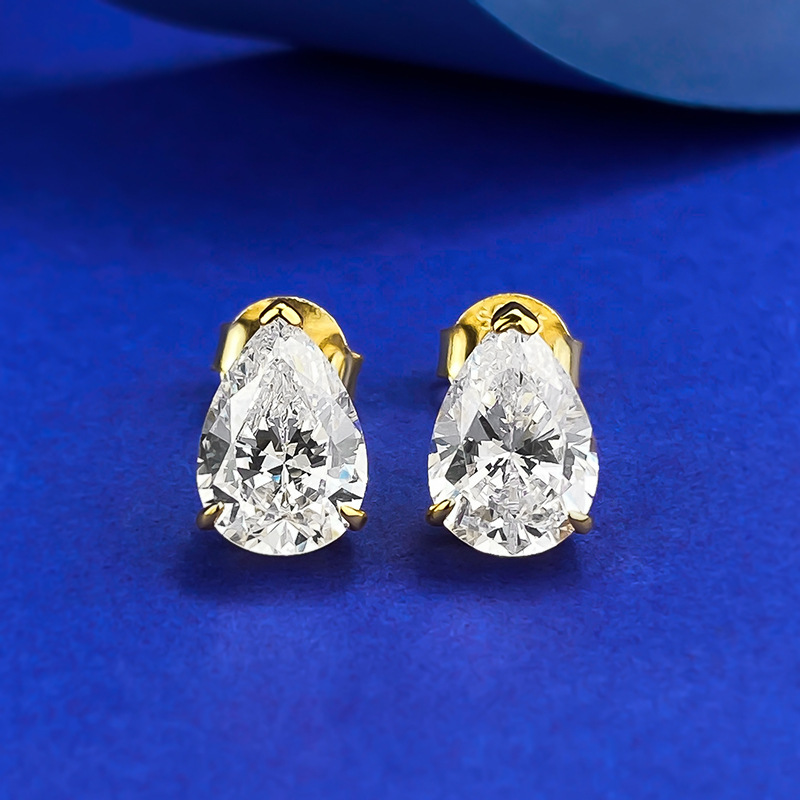
Online Jewelry Shopping Returns: Compare Policies Before You Buy
Online Jewelry Shopping returns Matter Before You commit to a ring, necklace, or pair of earrings. A piece can look right on screen and still feel off at home because of size, scale, stone color, or setting height. A clear Return Policy Reduces the risk and makes the choice easier.
That matters most for higher-ticket purchases. A 1.00-carat center stone, a 14K gold tennis bracelet, or a pair of diamond studs can cost enough that the return rule becomes part of the price. Most problems start with ring size or chain length, not the diamond itself.
Why take a chance on a return policy you have not read? Online Jewelry Shopping returns give you time to inspect the piece in real life before you fully commit. Here is what to check, what to avoid, and how to compare retailers without ending up with an item that does not work.
Online Jewelry Shopping Returns: What to Read First
Start with the return window. Many retailers count from the delivery date, not the order date, and that detail can save you from a rushed decision. If shipping takes four days, a 14-day window feels more like 10.
Next, check the condition rules. Words like unworn, unused, and original condition sound simple, but they decide whether a brief try-on is still allowed. If the policy is vague, Online Jewelry Shopping returns become harder to manage.
The return type matters too. A refund gives you the cleanest exit, while an exchange can solve a size or finish problem without starting over. Store credit looks flexible, but it is less useful if you want your money back.
Look for the exact process. A strong policy tells you whether you need return approval, which box to use, and whether the label is prepaid. The best Online Jewelry Shopping returns read like a checklist, not a legal puzzle.
How Online Jewelry Shopping Returns Usually Work
Most Online Jewelry Shopping returns follow the same path, even if the branding looks different. The flow is straightforward once you know it.
- Delivery and inspection. Open the parcel right away and confirm the item matches the order, certificate, size, and metal type.
- Return approval. Many stores ask for an RMA, support ticket, or approval email before you send anything back.
- Packing and shipping. Keep the original box, pouch, tags, and paperwork. For higher-value pieces, the seller may require insurance or a signature.
- Warehouse review. The retailer checks for wear, missing parts, damage, or signs of resizing.
- Refund or exchange. The money usually goes back to the original payment method after inspection.
Timing is another place where shoppers get tripped up. A retailer may accept the return quickly, then take 3 to 10 business days to finish the inspection and release the refund. That is normal, but it should be stated clearly.
Keep every record until the refund lands. Save the approval email, shipping receipt, tracking number, and a quick photo of the item before you seal the box. Online Jewelry Shopping returns go more smoothly when you can show the full paper trail.
Policy Terms That Change the Outcome
Small policy details can change the cost of the order. A 10% restocking fee on a $2,500 ring is $250, which is enough to affect the buying decision.
Watch for these terms before checkout:
- Return window start date. It should be based on delivery, not the purchase date.
- Final sale language. Clearance, bridal, and special-order pieces are often excluded.
- Custom work. Engraving, resizing, and made-to-order changes can remove return rights.
- Packaging rules. Some retailers require the box, pouch, lab report, and authenticity card.
- Shipping costs. Check whether the retailer pays return shipping or requires you to cover it.
- Insurance and signature rules. High-value items often need both.
GIA and IGI reports help you compare diamond details, but they do not change the return terms. A grading report gives you better data on Cut, Color, Clarity, and measurements. It does not make a bad policy better.
Online Jewelry Shopping returns should be part of the Comparison Before You fall in love with a setting. If two rings look similar, the one with clearer terms is often the safer buy.
Diamond Specs That Affect Buyer Confidence
Before you compare Online Jewelry Shopping returns, compare the stone itself. A clear grading report helps you know whether a return is likely because of a real problem or just buyer uncertainty. If the listing only gives a carat weight and a generic photo, you are guessing on too many variables.
The 4Cs still matter most: Cut, Color, Clarity, and carat. Cut has the biggest Effect on Sparkle in round diamonds, and a well-cut 1.00-carat stone can look more lively than a larger but poorly cut one. Color and clarity are more about tolerance and preference. A shopper who wants an eye-clean diamond may be happy with SI1 or VS2, while someone who wants a whiter look may prefer G or H color in white metal.
Certification is where responsible sellers separate themselves from vague marketplaces. GIA is widely trusted for natural diamonds, and IGI is common for lab-grown diamonds. Other labs exist, but the key is consistency and documentation. If the report number, measurements, and laser inscription do not match the listing, pause Before You Buy.
Measurements matter more than many shoppers expect. A diamond listed at 1.00 carat can still vary in face-up size depending on the cut proportions. A shallow stone may spread wider but sacrifice brightness, while a deeper stone can face up smaller. If the listing shows millimeter dimensions, use them. That detail is especially useful for studs, solitaires, and east-west settings where visual size matters.
Price ranges also change how forgiving a return policy feels. Lab-grown diamonds often offer more visible size for the money, while natural diamonds hold value differently and usually cost more per carat. On a $1,500 to $3,500 lab-grown ring, a 14-day window may be enough if you already know the setting style you want. On a $6,000 natural diamond ring, a longer window and easier return process are more valuable because the decision has a bigger financial impact.
Ask whether the retailer provides videos, magnified images, or a true-to-size hand model photo. A 1.5-carat oval can appear elegant in a product image and feel large in person, especially if the setting sits high. Online Jewelry Shopping returns help, but better stone data reduces the need for them.
Metal, Setting, and Wear Considerations
The metal and setting can be more important than the diamond once the piece is on your hand. Many returns happen because the design feels different in daily use than it did on a model or in a studio photo.
For metal, the main choices are 14K gold, 18K gold, platinum, and sometimes sterling silver. 14K gold is harder and usually better for everyday rings because it resists scratches better than 18K. 18K gold has a richer color and more gold content, but it is softer. Platinum is dense, durable, and popular for engagement rings, though it can develop a patina over time. Sterling silver is more affordable, but it tarnishes and is generally less suitable for heirloom-style daily wear.
White gold is a common return surprise. Its color is usually achieved with rhodium plating, so the look can change over time and may need maintenance. If you are comparing Online Jewelry Shopping returns, ask whether the retailer covers or recommends re-plating, since a newly bright white finish may not last forever without care.
Setting style changes both durability and appearance. A solitaire is classic and easy to clean, but it can show the stone more dramatically and may snag less than a busy halo. A halo can make the center stone look larger, though it also adds small stones and more surface area to inspect. Pavé settings give strong sparkle but can collect lint and require more upkeep. Bezels protect the center stone better and can suit active wearers, but they change the visual character of the ring.
Prong count matters too. Four-prong settings expose more of the stone and can look cleaner, while six-prong settings can add security for round stones. Cathedral shoulders lift the center stone and can make the ring feel more substantial, but they can also raise the profile enough to catch on gloves or sleeves. If you know you dislike height, look for low-profile settings and ask for measurements from the finger to the top of the stone.
Earrings and necklaces have their own fit issues. Stud backs can feel tight or loose depending on post length. Drop earrings may swing lower than expected if the stone is heavier. Chain length changes the whole look of a pendant: 16 inches sits closer to the collarbone, 18 inches is the common everyday length, and 20 inches or more creates a lower drape. When a retailer gives exact dimensions, the chance of return drops.
Comfort also depends on finish and edge detail. Highly polished surfaces show scratches faster. Satin or brushed finishes can hide wear, but some buyers prefer a mirrored look. If you are deciding between two similar pieces, think about how the piece will wear after 6 months, not just on delivery day.
Comparing Retailers Before You Buy
Use the return policy as a filter, not an afterthought. A slightly higher price can still be the better value if the process is cleaner and the support is stronger.
| Feature | Better Choice | Why It Helps |
|---|---|---|
| Return window | 14 to 30 days from delivery | Gives you enough time to inspect and compare |
| Refund type | Refund to original payment method | Leaves the fewest strings attached |
| Exchange option | Size, metal, or style exchange | Useful for gifts and fit issues |
| Condition rule | Unworn, unused, original packaging | Makes the policy easier to follow |
| Shipping cost | Prepaid label or retailer-paid defect returns | Lowers your risk |
| Refund speed | 3 to 10 business days after inspection | Keeps the wait reasonable |
| Support access | Phone, chat, or email help | Prevents mistakes before the return starts |
If you are comparing diamonds, shop our lab-grown diamonds and review the grading details Before You Buy. If you are choosing a setting, explore our engagement rings to see styles that pair well with clearer return terms. Good Online Jewelry Shopping returns and good product details should work together.
The product page should also tell the same story as the policy. Exact measurements, metal purity, and stone specs reduce surprises when the box arrives. When the listing is clear, Online Jewelry Shopping returns are less likely to be needed in the first place.
Shipping, Insurance, and Inspection Checklist
Shipping rules matter because jewelry is small, valuable, and easy to damage in transit. A retailer with a good return window can still create problems if the return shipping instructions are unclear or if the package is not insured properly.
For items over a few hundred dollars, look for signature confirmation on both the outbound shipment and the return label. This is common for engagement rings, diamond earrings, and tennis bracelets. If the seller ships in a plain outer box with discreet branding, that is a security benefit as long as the inner packaging still protects the item.
Insurance matters on return shipments, not just initial delivery. If the retailer requires you to use its label, ask whether that label includes enough declared value for the full item. If you are allowed to choose your own carrier, do not cut corners on coverage. A lost package can erase the value of a generous return policy.
When the piece arrives, inspect It Before You remove tags or take it outside. Check the prongs, clasp, hinge, and any accent stones. Open and close bracelet safety clasps. For earrings, confirm that the backs fit securely and that both posts are straight. For chains, make sure the clasp clicks cleanly and the links are not twisted.
Use natural light if possible, then look again under indoor lighting. Diamonds and white metals can appear different in daylight versus warm bulbs. A stone that looked near-colorless in photos may show more tint next to a white shirt, and a polished yellow gold band may feel warmer in person than expected. This kind of inspection is exactly why Online Jewelry Shopping returns exist.
Photograph the piece Before You Wear it and before you package it for return. Include close-ups of the tags, the box, the certificate, and any condition issue. If the retailer disputes wear or damage, you will have a record of how the item looked when you received it.
Fit, Sizing, and Common Exceptions
Sizing mistakes cause a lot of returns, and most of them are preventable. Rings should be measured with a proper sizer, not guessed from a string. Bracelets need wrist size plus a comfort allowance, and chains should be checked against the necklines you actually wear.
Ring Size and Chain Length
A ring that is off by a half size can feel loose or tight enough to bother you all day. A 16-inch chain and an 18-inch chain can also sit very differently on the same person. If you are unsure, use our ring size guide before you place the order.
Some shoppers focus on the diamond and overlook the fit. That is usually where the regret starts. Online Jewelry Shopping returns help, but the better move is to reduce the chance of a mismatch before checkout.
Custom and Final-Sale Pieces
Custom-made, engraved, resized, and final-sale items are often excluded from standard returns. Hygiene-sensitive pieces can also fall outside normal policies. That is not a trick; it is a resale problem for the retailer.
If you want a personalized piece, confirm the rule in writing Before You Buy. A quick message to support can save you from a costly surprise later. If you need help checking a policy or matching Size and Style, contact our jewelry experts.
What to Do Before You Ship Something Back
Inspect the item under good light and photograph It Before You package it. Keep every insert, card, and pouch unless the policy says otherwise. Use tracked shipping, and add insurance if the retailer requires it or if the item is high value.
Do not wear the piece beyond a short at-home try-on if you think a return is possible. Scratches, bent prongs, or missing packaging can put Online Jewelry Shopping returns at risk. A careful first day protects your options.
Common Buyer Mistakes
Most return problems come from a few predictable mistakes. The first is buying on emotion and reading the policy later. A beautiful ring can be hard to put back in the box mentally, which is exactly when a strict policy becomes costly.
Another common mistake is ignoring proportions. A 2.00-carat round stone can look substantial on a size 4 finger and overpowering on a petite hand if the setting is tall. The opposite can happen with a small halo or a thin band that disappears on a larger hand. Product photos rarely show real-world scale well enough on their own.
Shoppers also misread color and clarity grades. A G-color diamond and an H-color diamond can look nearly identical in many settings, especially in yellow gold, but not always. A VS2 and an SI1 can both be eye-clean depending on inclusion type and placement. If you are not comfortable with those tradeoffs, choose a retailer with generous returns so you can evaluate the piece in your own lighting.
Ordering right before a holiday creates avoidable pressure. If a gift needs to arrive and be returned before a deadline, the return window may be too short to make a careful decision. Shipping delays, weekend delivery, and warehouse processing can shrink the practical window even if the policy looks generous on paper.
Finally, some buyers assume a resize or polish is harmless. In many policies, any alteration can void the return. If you think you may need a larger size, a shorter chain, or a different clasp, wait until you confirm whether the piece can still be returned after adjustment.
Shopping With Confidence
A good return policy should make you feel informed, not trapped. Online Jewelry Shopping returns give you time to verify fit, finish, and comfort at home, where the piece will actually be worn. That is the real test.
Use the policy, the product details, and the support team together. If the retailer shows exact measurements, clear grading data, and a simple return path, you can shop with more confidence. browse our jewelry collection if you want to compare styles with the return terms in mind.
Shopping gets easier when the rules are clear. Online Jewelry Shopping returns are not a bonus feature; they are part of the purchase decision. The right policy should support the sale, not complicate it.
FAQ
Can I return jewelry bought online if the ring size is wrong?
Yes, if the item is eligible under the retailer’s policy and still meets the condition rules. Many stores handle size problems through a refund, exchange, or resize option. The answer changes if the ring was custom made, engraved, or altered. Check the policy Before You Order so Online Jewelry Shopping returns stay simple if the fit misses.
How long do online jewelry shopping returns usually take?
Return windows often run 14 to 30 days from delivery, but the refund itself can take longer. After the retailer receives the item, inspection and processing may take 3 to 10 business days. That timing is normal for higher-value pieces. Always confirm when the clock starts, because delivery date and order date are not the same thing.
Do I have to pay for return shipping on jewelry orders?
Sometimes you do, and sometimes the retailer covers it. Some stores pay shipping for defective items but charge the customer for change-of-mind returns. Insurance and signature requirements can add cost too. Read the policy carefully so Online Jewelry Shopping returns do not come with surprise fees.
Can engraved or custom jewelry be returned?
Often, no. Engraved, resized, made-to-order, and final-sale pieces are usually excluded because the retailer cannot restock them easily. That rule also applies to many personalized bridal items. If you want a custom piece, ask support to confirm the return terms in writing Before You Buy.
What should I check before sending jewelry back?
Keep the original packaging, take photos, and make sure you have return approval if the retailer requires it. Use tracked shipping, and add insurance when the policy calls for it or the item is expensive. Hold on to the tracking number until the refund posts. Those steps protect Online Jewelry Shopping returns from delays and disputes.
Ready to Find Your Perfect Diamond?
Explore our collection of certified lab-grown diamonds
Shop Diamonds