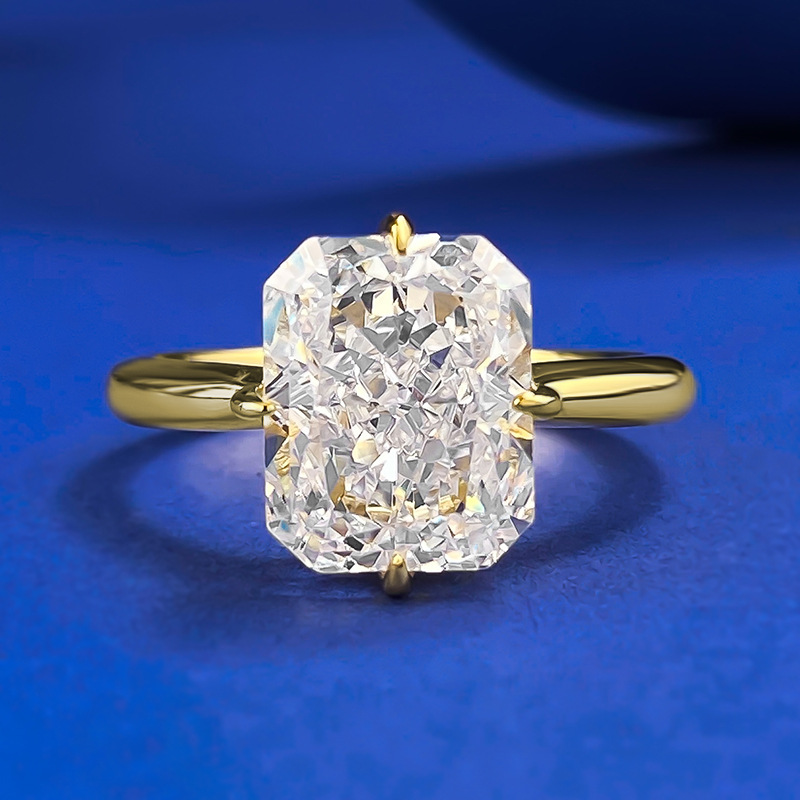
Bezel Ring Setting Cleaning Checklist: Safe Care Before You Wear
A bezel setting feels smooth, secure, and easy to wear. The metal rim protects the stone edge, which is why many people choose bezels for engagement rings, wedding jewelry, and everyday pieces with sentimental weight. That same rim can still hold lotion, soap film, sunscreen, skin oils, and lint.
This Bezel Ring Setting cleaning checklist gives you a safe routine you can repeat at home. It also helps you know when to stop cleaning and call a jeweler. Want the short version? Use mild soap, lukewarm water, a soft brush, and a careful eye.
For StoneBridge Jewelry shoppers comparing lab-grown diamond rings, bezel settings, or low-profile styles, care should be simple. It should also match the full ring, not just the center stone. A diamond may be tough, but gold, platinum, accent stones, plating, and finishes still need gentle handling.
Why a Bezel Ring Setting Cleaning Checklist Matters
A bezel ring can look easier to clean than a prong ring because fewer stone edges are exposed. During daily wear, residue often settles right where the metal meets the gem. Hand cream dries along the rim. Sunscreen leaves a dull film. Soap can collect under an open gallery.
A bezel ring setting cleaning checklist helps prevent three problems: dull sparkle, hidden grime, and missed wear. The goal is not to make your ring look brand new every morning. The goal is to remove buildup before it hardens and to catch small setting issues early.
GIA notes that laboratory-grown diamonds have essentially the same physical, chemical, and optical properties as natural diamonds. Both diamond types rate 10 on the Mohs hardness scale. Even so, the ring's metal and design decide how careful you need to be.
I've helped many couples compare low-profile engagement rings, and bezel settings come up again and again for one simple reason: people want beauty they can actually live in. Customers who clean gently every one to two weeks often notice cloudiness sooner and avoid the urge to scrub. If you're still choosing a setting, compare styles as you browse engagement rings. A good care routine should fit your life, not become another chore.
What Makes Bezel Settings Different to Clean
A bezel setting uses a metal rim to hold a diamond or gemstone in place. A full bezel surrounds the stone's edge. A partial bezel grips selected sides and leaves more of the stone visible.
Prong settings catch lint around individual claws. Bezel settings tend to collect a thin line of residue around the rim. That line can block light and make a well-cut diamond look sleepy.
Bezels are popular because they sit low, feel smooth, and reduce snagging on sweaters, gloves, and bags. They also suit minimalist rings, east-west settings, vintage-inspired designs, and active lifestyles. Secure does not mean maintenance-free (trust me, I've seen plenty of “low-maintenance” rings come in with lotion packed neatly around the rim).
Your bezel ring setting cleaning checklist should include a quick rim check before and after cleaning. Look for lifted metal, uneven edges, and residue that will not rinse away. Shine matters, but structure matters more.
Full Bezel vs. Partial Bezel Cleaning Tips
A full bezel can gather residue around the entire stone. Move slowly around the complete rim, including the lower side of the ring. That's where soap and lotion often settle first.
A partial bezel exposes more of the stone, so some areas may rinse more easily. The transition points can still trap dirt. Use a baby-soft brush at those small junctions, and do not force bristles under the metal.
Metal and gemstone type also matter. A platinum diamond bezel ring can usually handle routine mild cleaning better than a bezel ring with opal, pearl, turquoise, or emerald. If your ring has mixed stones, follow the safest care rule for the most delicate one.
How Often Should You Use a Bezel Ring Cleaning Checklist?
For a diamond ring worn most days, use a light bezel ring setting cleaning checklist every one to two weeks. If you use hand cream, sunscreen, hair products, or sanitizer often, weekly cleaning may be smarter. For occasional wear, wipe the ring after use and clean it when you see film.
Plan a closer visual check once a month. Look for cloudy buildup, loose accent stones, rough metal, or changes in how the ring feels. Many jewelers recommend professional cleaning and inspection every 6 to 12 months for daily-worn fine jewelry.
Keep the routine easy. Honestly, I think the best jewelry care habit is the one you'll actually do. If your checklist feels fussy, it probably includes products or steps you do not need.
Bezel Ring Setting Cleaning Checklist: Supplies You Need
The safest bezel ring setting cleaning checklist starts with basic supplies. Most diamond bezel rings do not need strong chemicals, gritty pastes, or home machines. Warm water, mild soap, and patience usually do the work.
Use these items:
- Small bowl so the ring is never cleaned over an open sink
- Lukewarm water, not hot or icy cold
- Mild dish soap without bleach, abrasives, or heavy moisturizers
- Baby toothbrush, soft-bristled toothbrush, or jewelry brush
- Lint-free cloth or microfiber cloth
- Soft towel under the bowl for extra protection
- Metal-safe polishing cloth only if your jeweler approves it
Gentle tools matter because you are cleaning more than a diamond. Diamonds are extremely hard, but gold and platinum can scratch. White gold may have rhodium plating. Satin finishes, engraving, milgrain, black rhodium, and oxidized details can change if rubbed too hard.
Lab-grown diamonds can usually be cleaned the same way as mined diamonds. IGI and GIA both grade lab-grown diamonds with factors such as carat weight, color, clarity, and cut, while clearly identifying origin. The safest method still depends on the setting and any accent stones.
Safe Supplies for a Bezel Ring Cleaning Checklist
Mild dish soap and lukewarm water loosen oils without attacking most diamond ring metals. Use only a few drops. Too much soap leaves fresh film, which can settle back along the bezel rim.
A soft brush works well around the rim and, when reachable, behind the stone. Small circular motions lift residue without prying at the setting. If your ring has an open gallery, brush gently from the underside so light can pass through the diamond more cleanly.
A microfiber cloth helps avoid lint around milgrain, engraving, and tiny edges. Paper towels may feel soft, but some can scratch metal or leave fibers behind.
Supplies to Keep Away From Your Ring
Avoid bleach, chlorine, acetone, toothpaste, baking soda paste, powdered cleansers, and abrasive household products. These can scratch metal, strip finishes, discolor alloys, or damage delicate gemstones. Toothpaste is a common online tip, but it's too gritty for fine jewelry metal.
Use ultrasonic cleaners with caution. Some diamond rings can tolerate them, but not every bezel ring should go into one. Vibration can worsen loose accent stones, fragile repairs, antique details, or treated gems.
Steam cleaning also calls for judgment because heat and pressure can affect some stones. If you do not know every material in your ring, ask a jeweler before using a machine.
Step-by-Step Bezel Ring Setting Cleaning Checklist
Use this bezel ring setting cleaning checklist when your ring looks dull, feels coated, or shows buildup near the rim. Work slowly. The bezel edge is where residue collects, and it is also where rough pressure can cause trouble.
Before you begin, plug the drain if you are near a sink. Then use a separate bowl anyway. Sudden temperature changes can stress some gemstones, so keep the water lukewarm.
Follow these steps:
- Inspect the ring before cleaning.
- Mix lukewarm water with a few drops of mild dish soap.
- Soak the ring for 10 to 20 minutes.
- Brush gently around the bezel rim and reachable underside.
- Rinse in clean lukewarm water over a bowl or covered drain.
- Dry with a lint-free cloth and let the ring air dry.
- Polish only if the cloth suits the metal and finish.
- Check the setting again before wearing or storing.
If old residue does not move, do not scrub harder. Try one more short soak. If the film stays put, book professional cleaning.
Step 1: Inspect Before You Clean
Start with dry hands and bright light. Look at the bezel rim from several angles. Check for buildup, lifted metal, cracks, missing accent stones, bent edges, or a stone that sits unevenly.
Gently tap the ring near your ear and listen. A secure stone should not rattle. If anything moves, skip the home cleaning and ask a jeweler to inspect it.
Your phone camera can help. Take a close photo of the rim and zoom in. Photos also make it easier to track slow changes over time (yes, even if the ring looks fine at first glance).
Step 2: Soak and Brush the Bezel Rim
Fill a small bowl with lukewarm water and add a few drops of mild dish soap. Let the ring soak for 10 to 20 minutes. Ten minutes often handles light oil. Twenty minutes can help soften dried lotion or sunscreen.
After soaking, use a soft brush with small circular strokes around the bezel edge. Do not jab under the rim. Let the bristles skim the line where metal meets stone.
Use extra care around milgrain, engraving, pavé accents, and mixed-gemstone designs. Light pressure is enough. A good bezel ring setting cleaning checklist relies on patience, not force.
Step 3: Rinse, Dry, and Check Again
Rinse the ring in clean lukewarm water. A second bowl of clean water is safer than rinsing under a faucet. If you use the faucet, cover the drain and keep the stream gentle.
Pat the ring dry with a lint-free cloth. Avoid dragging the cloth across small details. Let the ring air dry fully before you wear it or store it, especially if water can sit beneath the stone.
Once dry, look at the bezel rim again. Check for remaining film, cloudy areas, or a stone that does not sit evenly. If the ring still looks dull, residue may be under the stone or hardened along the setting.
Daily Habits That Keep a Bezel Ring Cleaner
The best cleaning routine starts before buildup forms. Remove your ring before applying lotion, sunscreen, heavy creams, fragrance, or hair products. These products cling to metal and diamond surfaces.
Take the ring off before using household cleaners, bleach, chlorine, garden chemicals, paint, or adhesives. Repeated chlorine exposure can weaken some gold alloys over time. After chemical use, wash and dry your hands before putting the ring back on.
Store the ring by itself in a soft pouch or lined jewelry box compartment. Diamonds can scratch other jewelry, and other pieces can mark metal finishes. A low-profile bezel is practical for daily wear, but it still needs protected storage.
A quick weekly wipe helps more than people expect. Use a soft cloth to remove fingerprints and light oils after wear. That small habit can stretch the time between deeper cleanings.
If you are designing a daily-wear ring, use care habits as part of the decision. You can try our ring builder to compare settings, stone shapes, and profiles Before You Buy. I always love when someone thinks about real life before choosing a ring, especially for a proposal or wedding piece that will be worn through coffee runs, celebrations, travel, and ordinary Tuesdays.
Care Tips by Metal Type
Platinum, yellow gold, white Gold, and Rose Gold age in different ways. Platinum tends to develop a soft patina. Yellow gold can show scratches based on karat and finish. Rose gold contains copper, so its tone may deepen with wear.
White gold often has rhodium plating for a bright white look. With regular wear, that plating can thin on areas that touch skin or surfaces. Rhodium replating may restore the crisp finish.
Before using any polishing cloth, confirm it suits your metal. Plated, brushed, oxidized, antique-style, or textured finishes may not respond well to standard polishing cloths.
Care Tips for Lab-Grown Diamond Bezel Rings
A lab-grown diamond bezel ring usually follows the same cleaning routine as a mined diamond ring. Use mild soap, lukewarm water, a soft brush, and a lint-free cloth. Do not assume every cleaner is safe just because the center stone is diamond.
The setting often matters more than the stone. A simple platinum bezel solitaire may be easier to clean at home than a mixed-metal ring with delicate accent stones. If you are comparing stones, you can shop lab-grown diamonds and weigh cut, carat size, setting height, and care needs together.
Remember the numbers. Diamond rates 10 on the Mohs scale, sapphire and ruby rate 9, and emerald rates about 7.5 to 8. Opal, pearl, turquoise, coral, and amber need much gentler care.
Common Bezel Ring Cleaning Mistakes to Avoid
Most cleaning mistakes come from trying to make the ring sparkle too fast. Scrubbing harder can scratch metal or stress small details. Strong products can damage finishes even when the diamond looks fine.
Avoid these habits:
- Scrubbing hard around the bezel rim
- Using toothpaste, baking soda paste, or gritty cleaners
- Cleaning over an open drain
- Moving a cold ring into hot water
- Wearing the ring right after lotion or sunscreen
- Skipping inspection because the bezel feels secure
- Using an ultrasonic cleaner without jeweler guidance
- Treating every gemstone like a diamond
Daily soaking is usually unnecessary for a diamond bezel ring unless a jeweler tells you otherwise. Frequent rubbing with polishing cloths can also change plated or textured finishes. Gentle, regular care beats intense cleaning.
Gemstone bezel rings need stone-specific care. Emeralds often have inclusions and treatments that call for caution. Pearls, opals, turquoise, and many organic or porous gems may not tolerate soaking or detergent.
Here's what nobody tells you: a ring can be “safe” in a bezel and still need real attention. For antique, heirloom, treated, or mixed-gemstone rings, ask a jeweler before using a general routine. Your bezel ring setting cleaning checklist should adapt to the piece in your hand.
When You Shouldn't Clean at Home
Do not clean your ring at home if the center stone moves, the bezel rim looks lifted, or accent stones are missing. Stop if you see a crack, hear rattling, feel a sharp edge, or notice the stone sits differently than before.
Use extra caution with pearls, opals, emeralds, turquoise, coral, amber, and other soft or porous stones. Many should not be soaked or brushed like diamonds. A jeweler can confirm the safest care method.
Inherited or heavily worn rings deserve inspection first. Older rings may have repairs, thin metal, or stone treatments you cannot see. Water and brushing can make a small issue worse.
When to Schedule Professional Cleaning or Inspection
For a daily-worn ring, schedule professional cleaning and inspection every 6 to 12 months. Choose the shorter timeline if you wear the ring during workouts, travel, childcare, gardening, or hands-on work. Occasional-wear rings may need less service, but they still benefit from periodic checks.
A jeweler can inspect bezel tightness, metal wear, polish condition, under-stone buildup, accent stones, engraving, and milgrain. They can also tell you whether white gold needs rhodium replating or whether platinum would benefit from polishing.
Professional tools can remove buildup that home care cannot reach. Ultrasonic, steam, and polishing equipment all require material judgment. A careful jeweler inspects first, then chooses the cleaning method.
Keep purchase documents, grading reports, appraisals, and service records together. Reports from GIA, IGI, or similar labs list details such as carat weight, measurements, color, clarity, and cut information. Those records can help with insurance, repair planning, resale documentation, and future care.
Signs Your Bezel Setting Needs a Jeweler
Book a jeweler visit if you notice any warning sign:
- The stone rattles, shifts, or looks uneven
- The bezel rim has a lifted, wavy, or sharp edge
- Metal snags on fabric after cleaning
- Discoloration does not clean off
- Cloudy residue remains beneath the stone
- Accent stones look loose, dark, or misaligned
- The ring suddenly feels rough or uncomfortable
Early inspection can prevent a larger repair or stone loss. If a change seems gradual, take clear photos in the same lighting every few weeks. That record can help your jeweler see how fast the wear is developing.
Final Bezel Ring Setting Cleaning Checklist
A safe bezel ring setting cleaning checklist is simple: inspect, soak, brush, rinse, dry, and inspect again. Use lukewarm water, mild dish soap, a soft brush, and a lint-free cloth. Keep harsh chemicals, abrasive pastes, and aggressive brushing away from your ring.
Remove the ring before lotion, sunscreen, cleaning products, swimming pools, and hands-on work that may expose it to impact or residue. Wipe it weekly. Store it separately. Schedule professional inspection every 6 to 12 months if you wear it daily.
The best bezel ring setting cleaning checklist is steady and gentle. It respects the diamond, the metal, the finish, and any accent stones. If you are choosing a ring before purchase, care can help guide the decision.
Explore bezel-friendly designs in our fine jewelry collection, compare lab-grown diamond options, or contact our jewelry experts for help with care, sizing, and setting selection. Whether the ring is for an engagement, anniversary, wedding day, or a gift you simply cannot wait to give, a little care keeps the moment shining longer.
FAQ
How do I clean a bezel ring setting at home without damaging it?
Use lukewarm water, mild dish soap, a soft brush, and a lint-free cloth. Soak the ring for 10 to 20 minutes, then brush gently around the bezel rim where film collects. Rinse over a bowl or covered drain, dry carefully, and check the setting again. If the stone moves or the rim looks lifted, do not clean it at home.
How often should I use a bezel ring setting cleaning checklist?
For a ring worn daily, use a light bezel ring setting cleaning checklist every one to two weeks. Add a closer monthly inspection so you can spot buildup, loose accents, or metal changes early. If you use sunscreen, lotion, or sanitizer often, weekly cleaning may help. Plan professional cleaning and inspection every 6 to 12 months.
Can I use an ultrasonic cleaner on a bezel set diamond ring?
Ask a jeweler before using an ultrasonic cleaner on a bezel set diamond ring. Some diamond rings can handle vibration, but loose stones, antique details, treated gems, and worn settings can be at risk. A jeweler can inspect the ring first and choose the safest method. Mild soap and lukewarm water are the safer routine for most at-home care.
Why does dirt build up around the bezel setting of my ring?
The bezel rim creates a small ledge where lotion, soap, sunscreen, skin oil, and lint can settle. That film can make a diamond look cloudy even when the stone is not damaged. Regular gentle cleaning keeps the rim clearer and helps light move through the stone. A quick cloth wipe after wear can reduce buildup between deeper cleanings.
Are lab-grown diamond bezel rings cleaned differently from mined diamond bezel rings?
Lab-grown and mined diamonds can usually be cleaned the same way because they share the same core properties. GIA states that laboratory-grown diamonds have essentially the same physical, chemical, and optical properties as natural diamonds. The safer cleaning choice depends more on the metal, finish, setting design, and any accent stones. Use mild soap, lukewarm water, and a soft brush unless a jeweler recommends another method.
Ready to Find Your Perfect Diamond?
Explore our collection of certified lab-grown diamonds
Shop Diamonds