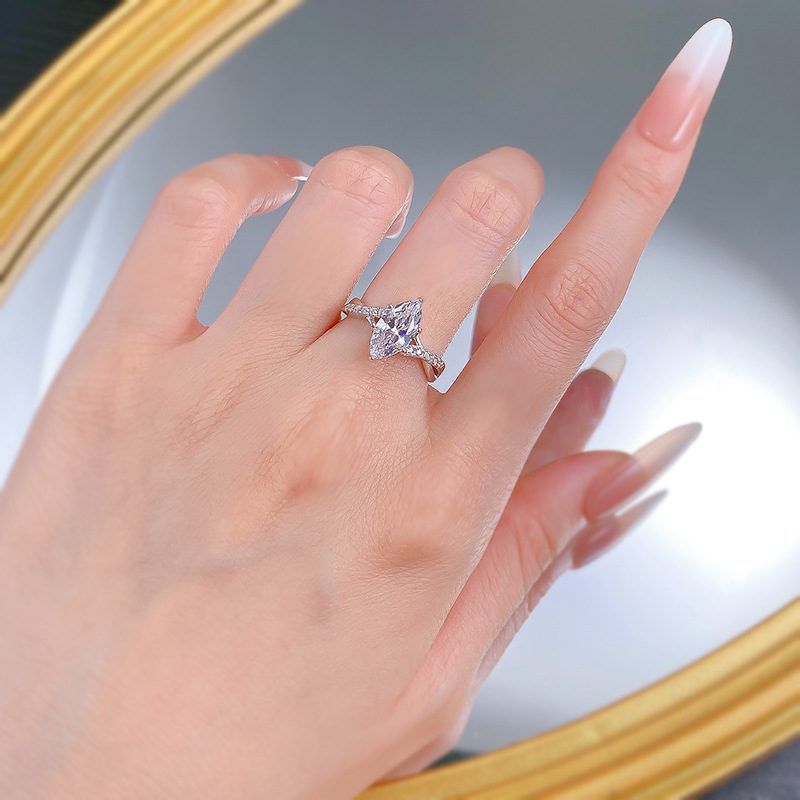
GIA Report Insurance Value Check Before Buying a Diamond
A GIA report insurance value check helps you separate diamond grading from insurance value before money changes hands. That difference matters. A GIA report tells you what the diamond is, but it doesn't tell you what it costs to replace, resell, or insure.
If you're buying an engagement ring, loose diamond, anniversary ring, or pair of diamond studs, good paperwork gives you control. You can Verify the Stone, compare similar diamonds, ask better questions, and talk to your insurer with accurate details. At StoneBridge Jewelry, we've found that customers feel far more confident when they understand which document does what.
What a GIA Report Insurance Value Check Actually Does
A GIA report insurance value check reviews a diamond's grading report, confirms that the report matches the stone, and gathers the records an insurer may need. The goal is simple: make sure the diamond and the paperwork tell the same story.
GIA, the Gemological Institute of America, is one of the best-known diamond grading authorities. Its reports list details such as carat weight, color, clarity, cut grade, measurements, polish, symmetry, and fluorescence. For lab-grown diamonds, the report also identifies the diamond as laboratory-grown.
Those details help define the diamond. They don't set the retail price or the insured value. A GIA report insurance value check keeps those roles clear:
- The GIA report verifies diamond characteristics.
- The receipt confirms what you paid and where you bought it.
- An appraisal may estimate replacement value for insurance.
- The insurer decides which records it accepts for coverage.
That matters Before You Buy because two diamonds can share the same carat weight and still have very different value profiles. A 2.00 carat round lab-grown diamond with F color and VS1 clarity won't compare the same way as a 2.00 carat oval with J color and SI2 clarity.
Why the GIA Report Matters Before Insurance
A GIA report matters because it gives an independent description of the diamond. Without it, buyers and insurers must rely on a seller's listing, a receipt, or a visual inspection. With it, the diamond has a documented grading profile.
A typical report covers the 4Cs: carat weight, color, clarity, and cut for standard round brilliant diamonds where applicable. It may also include measurements, table percentage, depth percentage, girdle details, culet size, polish, symmetry, fluorescence, and clarity characteristics. GIA measures diamond dimensions in millimeters, often to the hundredth, which helps with identification.
A GIA report insurance value check protects you before purchase and after. Before purchase, it helps you verify the report number and compare the diamond to similar options. After purchase, it gives your appraiser or insurer a clearer starting point if the jewelry is lost, stolen, or damaged.
For lab-grown diamonds, documentation is especially useful. GIA explains that laboratory-grown diamonds have essentially the same chemical, physical, and optical properties as natural diamonds, but their origin and market pricing differ. The report confirms identity, while a separate value process addresses coverage.
What a GIA Report Includes
A GIA report usually includes the facts needed to identify and compare a diamond. Depending on the report type, you may see:
- Report number and report date
- Diamond shape and cutting style
- Measurements in millimeters
- Carat weight
- Color and clarity grades
- Cut grade when applicable
- Polish, symmetry, and fluorescence
- Proportions such as table and depth
- Clarity characteristics or a plotting diagram
- Laser inscription details when present
These details affect comparison shopping. A 1.25 carat G color VS2 oval and a 1.25 carat J color SI2 oval may weigh the same, but they don't carry the same quality profile. A GIA report insurance value check uses these facts as the base for the next step.
What a GIA Report Does Not Include
A GIA report does not include an insurance value. It is not an appraisal, a resale estimate, or a promise of what any jeweler or insurer will pay.
That point can save you stress later. If you have a report, you have a grading document, not a coverage amount. Your insurer may still ask for a receipt, appraisal, photos, and a full item description.
How to Run a GIA Report Insurance Value Check
A GIA report insurance value check works best in five steps: verify, match, compare, document, and insure. Each step lowers the chance of confusion before you commit to a diamond or policy.
Start with the report number. GIA offers its online Report Check tool so you can confirm the report details directly with GIA. The information shown online should match the document from the seller.
Next, match the report to the diamond. Compare shape, carat weight, measurements, color, clarity, and any laser inscription. If the diamond is already set, ask the jeweler to confirm the inscription under magnification when possible.
Then compare the diamond with similar options in the market. For lab-grown diamonds, look at shape, carat weight, color, clarity, cut quality, measurements, and grading lab. Prices can shift quickly, especially for popular 1.00, 1.50, 2.00, and 3.00 carat sizes.
Save your documents and ask your insurer what it requires. Many jewelry insurers request a receipt and detailed description. Some ask for an appraisal, especially when the item exceeds a set dollar amount.
Use this checklist:
- Verify the GIA report number through GIA Report Check.
- Match the report details to the diamond.
- Compare similar diamonds before buying.
- Save the receipt, report, photos, and product details.
- Ask your insurer how it calculates coverage.
- Update records after resizing, redesign, or major repair.
A GIA report insurance value check doesn't replace advice from an insurer or appraiser. It gives you a smarter starting point.
Step 1: Verify the Report Number
Enter the report number into GIA Report Check Before You Buy or insure the diamond. Review the shape, carat weight, measurements, color, clarity, and other listed details.
This matters because paperwork can get separated from stones. It happens most often with loose diamonds, estate jewelry, and online listings. If the report details don't match the seller's description, pause and ask for a clear answer.
Step 2: Match the Report to the Diamond
Once the number checks out, compare the report to the actual stone. A 1.51 carat oval with measurements of 8.70 x 6.10 x 3.80 mm should not be treated as identical to another oval with a different spread.
If the diamond has a laser inscription, ask the jeweler to confirm it. Many modern diamonds carry the report number on the girdle. This makes a GIA report insurance value check more reliable, especially for center stones.
Step 3: Request Insurance Documents
Ask your insurer what it needs before you finalize coverage. Some providers accept a receipt for lower-value pieces. Others require a current appraisal from a qualified jewelry appraiser.
For a finished ring, the description should include the center stone, side stones, metal type, setting style, ring size, and custom design details. Store digital copies of the report, invoice, appraisal, and photos in a secure folder.
Diamond Details That Affect Insurance Value
A diamond's insurability starts with clear identification. The value discussion depends on the full quality profile, not only the carat weight.
A GIA report insurance value check should compare the 4Cs, measurements, cut quality, and finished setting. Two 2.00 carat diamonds can look and price very differently. A deep diamond may carry weight in the pavilion and face up smaller than a well-cut diamond with better spread.
The setting matters too. A solitaire in 14k white gold will not have the same replacement cost as a platinum halo ring with pavé diamonds. A tennis bracelet with 6.00 total carat weight has a different insurance profile than 1.00 total carat weight diamond studs.
Before You Buy, compare:
- Grading report and laboratory
- Carat weight, shape, and measurements
- Cut quality, polish, and symmetry
- Color and clarity grades
- Metal type and setting design
- Accent diamond quality and total carat weight
- Warranty, service, and maintenance support
- Insurance-ready documentation
You can explore lab-grown diamonds or compare engagement ring styles with clear product details before starting an insurance conversation.
The 4Cs and Replacement Value
The 4Cs affect both beauty and replacement value. Carat weight affects size and availability. Cut affects brightness, fire, and sparkle. Color and clarity shape the grading profile used for comparison.
Cut deserves extra attention. GIA's cut grading system for round brilliant diamonds considers brightness, fire, scintillation, weight ratio, durability, polish, and symmetry. A well-cut 1.50 carat diamond can look more lively than a larger diamond with weaker proportions.
A GIA report insurance value check uses the 4Cs as replacement benchmarks. If your ring has a 2.00 carat G color VS1 lab-grown diamond, a replacement should match those meaningful details closely.
Metal, Setting, and Craftsmanship
Insurance should usually cover the finished jewelry item, not just the center stone. Metal, accent stones, and design labor can add real replacement cost.
Platinum often costs more than 14k gold because it is denser and can require more labor. Pavé settings, halos, hidden halos, three-stone rings, and custom galleries also add work. If your ring includes 0.60 carat total weight of accent diamonds, those details belong in the insurance record.
Want to design a ring around a documented stone? Use our ring builder to compare settings before you choose the final piece.
Lab-Grown Diamond Documentation
Lab-grown diamonds need clear documentation because pricing changes faster than many shoppers expect. GIA and IGI both grade lab-grown diamonds, and their reports help buyers compare carat weight, measurements, color, clarity, and other factors.
A GIA report insurance value check should use current lab-grown diamond comparisons, not mined diamond assumptions. Production scale, technology, and demand can affect pricing. Your insurer or appraiser should value the piece based on comparable lab-grown replacements.
Purchase Price, Appraisal Value, and Insurance Value
A GIA report insurance value check becomes more useful when you know the difference between purchase price, appraisal value, replacement value, and resale value.
| Value Term | What It Means | How Buyers Use It |
|---|---|---|
| Purchase price | What you paid at checkout | Confirms the transaction |
| Appraisal value | A professional opinion for a stated purpose | Often used for insurance |
| Replacement value | Estimated cost to replace with a comparable item | Helps set coverage |
| Resale value | What another buyer may pay later | Often lower than retail replacement value |
Purchase price is the amount you paid. Replacement value estimates what it may cost to replace the piece through an appropriate retail source. Resale value is different, and it can be much lower than the insured replacement amount.
A high appraisal does not always mean a better policy. Some insurers replace the item through their jeweler network instead of paying the listed appraisal amount in cash. Ask how claims are handled before you pay for coverage.
A GIA report insurance value check gives the appraiser or insurer a documented diamond profile. The finished piece still needs a complete description, including metal, setting, side stones, ring size, and custom work.
Why Insurance Value Can Differ From Retail Price
Insurance value may be higher than your purchase price because it can estimate future replacement cost. A sale price, promotion, or favorable lab-grown diamond market may not reflect replacement cost later.
Several factors can change the number:
- Comparable diamond availability
- Gold or platinum prices
- Setting, sizing, and finishing labor
- Sales tax and shipping
- Accent stones and matching work
- Custom design details
A GIA report insurance value check keeps the diamond facts accurate. The appraisal or insurer then handles the coverage amount.
How to Avoid Overpaying for Coverage
Ask your insurer whether the policy uses agreed value, replacement value, or actual cash value. These terms can lead to different claim outcomes.
Accurate records help you avoid inflated coverage. If an appraisal lists a higher color or clarity grade than the GIA report, ask for a correction. You don't want premiums based on vague or overstated details.
Review the deductible, claim process, exclusions, travel coverage, and mysterious disappearance terms. Ask whether repairs or replacements must go through approved jewelers.
Buying and Wearing Jewelry With Insurance in Mind
Insurance preparation starts before the ring is worn. The right design can reduce risk and make daily wear easier.
Ask a practical question: how will this piece live day to day? A nurse, chef, athlete, or frequent traveler may prefer a lower setting, secure prongs, or a simpler band. Someone who wears a ring only on special occasions may choose a more detailed design.
A GIA report insurance value check helps with paperwork, but habits protect the jewelry. Save receipts, reports, appraisals, and photos. Photograph the top, side, gallery, inside shank, engraving, and any unique design details.
You can also shop fine jewelry with documentation in mind, especially for pieces worn often.
Ring Sizing and Wearability
A secure fit protects comfort and value. A loose ring can slide off during hand washing, cold weather, or travel. A tight ring can become uncomfortable and hard to remove safely.
Sizing can also affect future service. Eternity bands, detailed pavé designs, tension settings, and some custom rings may have resizing limits. Choose carefully before purchase.
Care and Maintenance Records
Regular maintenance protects your jewelry and supports responsible ownership. Have prongs, clasps, links, and settings checked at least once a year for pieces worn daily.
Clean most diamond jewelry with warm water, mild dish soap, and a soft brush. Avoid chlorine, harsh chemicals, and abrasive cleaners. Store pieces separately so diamonds don't scratch metal or other jewelry.
Some insurers suggest updated appraisals every 2 to 5 years for higher-value items. Market prices, metal costs, and replacement availability can change. The GIA report stays useful because it anchors the diamond's identity.
Shop Documented Lab-Grown Diamonds With StoneBridge Jewelry
A GIA report insurance value check works best when the purchase is clear from the start. Choose jewelry with detailed product information, accurate records, and support from people who understand diamonds.
StoneBridge Jewelry offers lab-grown diamond engagement rings, loose lab-grown diamonds, wedding bands, tennis bracelets, earrings, and fine jewelry gifts. Our customers often ask about insurance before checkout, especially for engagement rings above 1.50 carats. That's a smart time to ask.
Start here:
Popular round, oval, emerald, radiant, and cushion-cut diamonds can move quickly in favorite sizes. If you Find the Right stone, verify the report, compare the details, and gather your records before finalizing insurance.
Best Pieces to Insure First
Engagement rings usually deserve insurance attention first because they're valuable, sentimental, and worn daily. Loose lab-grown diamonds also need careful records before setting.
Other strong candidates include anniversary rings, diamond studs, tennis bracelets, and statement necklaces. A 3.00 total carat weight tennis bracelet, for example, faces clasp stress and frequent movement. If replacing the item would hurt financially, run a GIA report insurance value check and talk to your insurer.
Why Buy From StoneBridge Jewelry
StoneBridge Jewelry is a practical choice for shoppers who want premium lab-grown diamonds, fine jewelry craftsmanship, and clear details. We help you compare the diamond, setting, metal, ring size, and records Before You Buy.
A GIA report insurance value check is easier when the purchase is organized. You'll know what you own, what documents you have, and what details your insurer may ask for. If you want help choosing a documented diamond or finished piece, contact our jewelry experts Before You Buy.
Final Check Before You Buy or Insure
A GIA report insurance value check gives you a clear path from diamond grading to insurance readiness. The GIA report identifies the diamond's characteristics. It does not assign insurance value, appraisal value, retail price, or resale price.
Use the report to verify the diamond, match the paperwork to the stone, compare similar options, and gather accurate purchase records. Then ask your insurer what documentation it needs and how it calculates coverage.
For lab-grown diamond buyers, clear records are part of smart shopping. Compare the 4Cs, measurements, grading report, metal, setting, craftsmanship, and service support. The full jewelry item matters, not only the center stone.
Ready to shop with confidence? Explore StoneBridge Jewelry's lab-grown diamond engagement rings, compare loose lab-grown diamonds, or browse fine jewelry. Choose the piece you love, save the right documents, and complete your GIA report insurance value check before coverage begins.
FAQ
Can I use a GIA report insurance value check to find out what my diamond is worth?
A GIA report insurance value check can help confirm the diamond's grading details, but it does not give a dollar value. The report documents facts such as carat weight, color, clarity, cut, and measurements. To estimate insurance value, ask for a receipt-based review, a jewelry appraisal, or an insurer-approved replacement valuation. Keep the report with your other records so the appraiser can compare the diamond accurately.
Does a GIA report show the insurance value of a lab-grown diamond?
No. A GIA report for a lab-grown diamond lists grading details, not insurance value, appraisal value, or retail price. Your insurer may use the report with the sales receipt, photos, and appraisal to describe the item. A GIA report insurance value check helps connect those records Before Coverage Starts. Always confirm the required documents with your provider.
What documents do I need to insure a diamond engagement ring?
Most insurers ask for a sales receipt, grading report, appraisal, photos, and a detailed item description. The description should include the center diamond, accent stones, metal type, setting style, ring size, and any custom work. Some policies accept a receipt for lower-value jewelry, while others require an appraisal above a certain amount. Ask before buying the policy so you don't miss a required document.
Is insurance replacement value the same as what I paid for the diamond?
Not always. Purchase price is what you paid, while replacement value estimates what it may cost to replace the item with a comparable piece. That number can include diamond availability, metal prices, setting labor, taxes, and custom details. A GIA report insurance value check keeps the diamond specs accurate during that comparison. Ask your insurer how claims are paid before choosing coverage.
Should I insure a lab-grown diamond ring from StoneBridge Jewelry?
Insurance is worth considering for engagement rings and other jewelry worn often. A documented lab-Grown Diamond Ring from StoneBridge Jewelry is easier to describe, compare, and support during the insurance process. Run a GIA report insurance value check, save your receipt and photos, and ask your insurer about coverage type, deductible, travel protection, and claim rules. If the ring would be hard to replace out of pocket, coverage may be a smart choice.
Ready to Find Your Perfect Diamond?
Explore our collection of certified lab-grown diamonds
Shop Diamonds