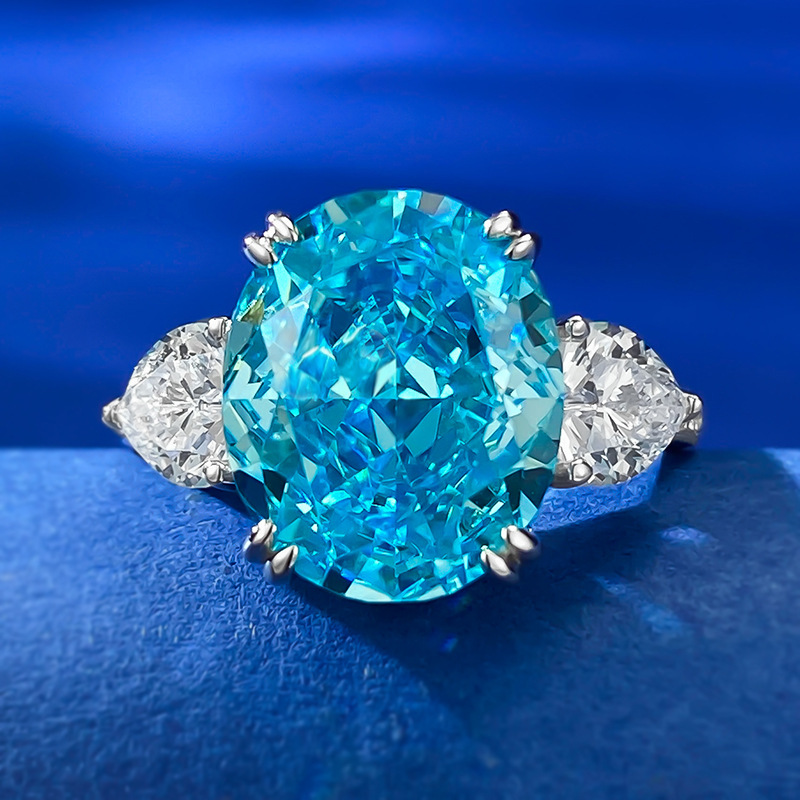
Best Time to Appraise Jewelry for Insurance Before Coverage Starts
Buying Fine Jewelry is a meaningful purchase, and timing the appraisal matters more than many people expect. The best time to appraise jewelry for insurance is right after purchase, before you bind coverage. A current appraisal helps show replacement value, supports the insurer’s decision, and gives you the paperwork you need if the piece is lost, stolen, or damaged.
Jewelry values can change quickly. Gold prices, diamond pricing, and labor costs do not stay still for long. If you wait too long, the document may no longer match the piece or the market.
An appraisal is more than a receipt with a number on it. It connects the jewelry you own to the protection you buy. That matters for engagement rings, custom pieces, lab-Grown Diamond Jewelry, and heirlooms.
Best Time to Appraise Jewelry for Insurance: What Buyers Should Know
A Jewelry Insurance Appraisal is a written valuation prepared by a qualified appraiser. It describes the item in detail and assigns a value for insurance use. Most insurers care about replacement value, not resale value or what you paid at checkout.
The best time to appraise jewelry for insurance is close to the date you buy it. If the report is too old, it may understate what it costs to replace the item today. If it is too high, you may pay more for coverage than you need.
According to GIA grading standards, even small differences in diamond color, clarity, cut, and carat can change value in a real way. The same is true for settings, metal choice, and brand work. A detailed report gives the insurer a clear basis for coverage and gives you a stronger claim file later.
For most buyers, the smart move is simple: appraise the piece before or as soon as it is added to a policy. If you have made repairs, resized the ring, or upgraded the setting, update the document again.
Timing factors that matter most
- Purchase date and receipt availability
- Policy start date or rider activation date
- Recent repairs, resizing, or upgrades
- Changes in gemstone or metal pricing
- Whether the item is new, vintage, or inherited
Why Appraisal Timing Matters for Insurance Coverage
Insurance companies use appraisals to help set coverage limits. That number can affect both the premium you pay and the protection you get. If the value is too low, you may not have enough coverage. If it is too high, you may overpay.
The best time to appraise jewelry for insurance is tied to how insurers review risk. Many carriers ask for a recent appraisal before they schedule a piece on a personal articles policy or add it to a jewelry rider. Some lower-value items may only need a receipt, but fine jewelry usually needs a formal valuation.
Delays can cause real headaches:
- The report may reflect an older diamond or gold price.
- The insurer may ask for a newer document before approving coverage.
- A claim can take longer if the details do not match the item.
- Replacement terms may rely on outdated pricing.
Replacement cost also changes with the market. A ring appraised a few years ago may not reflect today’s cost for the same stone, same metal, and similar craftsmanship. Jewelry is not static, so the paperwork should not be either.
Insurers usually feel better when the appraisal is recent, detailed, and written by someone who follows recognized gemological and appraisal standards. That is another reason timing should be part of the purchase plan, not an afterthought.
When to Get Jewelry Appraised
The best time to appraise jewelry for insurance often falls into a few clear windows. Each one helps the insured value match the piece as it exists now, not months ago.
1. Right after purchase
This is the most common choice, and usually the best one. Schedule the appraisal while the receipt, certificate, and original details are still easy to verify. A new item is easier to document because the appraiser can compare it with sales records, lab reports, and original specs.
For engagement rings and diamond jewelry, early appraisal helps preserve the exact details before wear, resizing, or small repairs change the piece. If you bought from a trusted jeweler, pairing the receipt with a detailed appraisal creates a strong insurance record from day one.
2. Before you add the item to your policy
Some carriers want the appraisal before they finalize a scheduled item or jewelry rider. If that is the rule, the best time to appraise jewelry for insurance is before you submit the application, or right after purchase if the policy setup is already in motion.
This helps if you want coverage in place fast. An insurer cannot price the risk correctly if it does not know what the piece is worth.
3. After a major market shift
Diamond prices, gold prices, and the cost of skilled labor can change. Not every swing calls for a new appraisal, but a material shift can make an older report less useful. In those cases, the best time to appraise jewelry for insurance may be after the market moves.
This matters most for:
- Larger diamond solitaires
- Platinum engagement rings
- Colored gemstone pieces with limited supply
- Custom jewelry with heavy labor costs
4. After repairs, upgrades, or resizing
If a ring has been resized, a stone reset, a mounting upgraded, or extra diamonds added, the old appraisal no longer tells the full story. The piece changed, so the valuation should change too.
The best time to appraise jewelry for insurance after a repair is once the work is done and the piece is in its final form. That gives the appraiser the right measurements, condition notes, and design details.
5. During policy reviews or life changes
Some people only think about appraisals after a claim issue, but that is too late. A policy review is a better moment. Marriage, inheritance, estate planning, or a change in ownership can all signal that it is time to refresh the paperwork.
If a piece now carries more financial or emotional weight, the best time to appraise jewelry for insurance may be during the review rather than waiting for renewal.
Special timing scenarios
Engagement rings often need quick attention because they are worn daily and exposed to loss, bumps, and scratches. The right time is usually right after purchase, before regular wear starts.
Heirloom jewelry can take longer because owners may not have original receipts. In that case, appraisal should happen as soon as the piece is available for inspection, along with any provenance documents.
Lab-Grown Diamond Jewelry needs careful documentation because pricing can shift differently from mined diamonds. Clear descriptions help insurers understand the stone type, growth method, size, and grading details. If you are planning to shop our lab-grown diamonds, an appraisal can help line up the purchase with the coverage you choose.
Custom designs should be appraised right after final delivery. Small changes in craftsmanship, setting style, and materials can shift replacement cost more than people think.
What a Jewelry Insurance Appraisal Should Include
A strong Jewelry Insurance Appraisal should read like a precise item record. It should not feel vague or generic. The more complete the document, the easier it is for an insurer to match the item to a replacement.
A quality report usually includes:
- Metal type and karat or fineness
- Stone species and variety
- Diamond shape, cut, color, clarity, and carat weight when relevant
- Measurements and proportions
- Mounting style and setting details
- Finished weight when applicable
- Condition notes, including wear or repairs
- Unique identifiers, engravings, or hallmarks
- Clear photos of the front, back, sides, and key details
- Replacement value based on current market conditions
For diamonds, GIA and IGI terminology can help keep the description clear. A center stone should not just be called “diamond.” It should include shape, measurements, color range, clarity grade if known, and any certification reference. That level of detail helps support the best time to appraise jewelry for insurance because it anchors the record in real specifications.
A good appraisal should also explain how the value was reached. In most cases, that means insured replacement value or a comparable retail replacement estimate. Clear measurements, photos, and itemized notes reduce confusion later.
If you are not sure what to bring, gather the receipt, grading report, box or brand paperwork, and any prior appraisals. A good appraiser can use those documents to build a stronger report.
How Appraisal Value Affects Premiums and Claims
The appraised value affects how Much Coverage You buy. That can influence the premium for scheduled jewelry coverage, since the insurer bases pricing on the insured amount. If the appraisal is high, the premium may rise. If it is low, the premium may look better but the protection may fall short.
The best time to appraise jewelry for insurance is before you bind coverage. You want the policy to reflect current replacement value, not an old estimate.
Underappraisal vs overappraisal
| Scenario | What It Means | Potential Result |
|---|---|---|
| Underappraisal | Value set too low | Not enough money to replace the item fully after a loss |
| Accurate appraisal | Value matches current replacement cost | Coverage lines up with the piece and the claim process |
| Overappraisal | Value set too high | Higher premiums and possible pushback from the insurer |
Replacement value and resale value are not the same thing. A piece might sell for far less on the secondary market than it would cost to replace through a retail jeweler. Insurers usually care about replacement cost because the goal is to restore a similar position after a covered loss.
That difference matters for engagement rings and branded jewelry. A 1.00-carat Round Diamond Ring with a platinum setting may have a retail replacement value that looks nothing like a resale offer. The best time to appraise jewelry for insurance is when that replacement value can be documented cleanly.
Claims also move faster when the insurer has a complete file. Photos, measurements, and identifiers help reduce disputes about what was lost and what should be replaced.
Buyer Considerations Before Scheduling an Appraisal
Before You Book the appointment, a few simple steps can make the process smoother.
Choose a qualified appraiser
Look for someone with gemological training, recognized appraisal credentials, and experience with jewelry for insurance purposes. The appraiser should know how to describe diamonds, colored stones, and settings in language insurers can use.
If you are comparing styles or planning a future purchase, you can also browse our jewelry collection and explore our engagement rings to see how settings, metals, and stone choices differ.
Gather documents first
Bring whatever you have:
- Sales receipt or invoice
- Diamond grading report or lab certificate
- Previous appraisal, if available
- Brand packaging, serial numbers, or engravings
- Repair records or resize paperwork
Check the item’s condition
Clean jewelry is easier to inspect, but do not scrub it hard if a stone feels loose or the setting is damaged. If the piece needs repair, handle that first. The final appraisal should reflect the actual insured condition.
Confirm insurer requirements
Some carriers want a certain format, a recent date, or a minimum level of detail. Ask Before You schedule if they require specific wording. That way the best time to appraise jewelry for insurance matches the underwriting process.
Plan for updates
Many buyers refresh an appraisal every two to five years, though the right schedule depends on the item and the market. A high-value diamond ring or custom piece may need a sooner review than a simple gold band. If the design changes, reappraise it sooner.
Frequently Asked Questions About Jewelry Insurance Appraisals
What is the best time to appraise jewelry for insurance after buying it?
The best time to appraise jewelry for insurance after buying it is usually as soon as possible, ideally before or right after you add the piece to your policy. That timing helps the insurer see the current replacement value while the item, receipt, and grading papers are all fresh. If the piece is high value, do not let it sit for months before you document it.
Do I need a new jewelry appraisal every time I update my insurance?
Not always, but you should update the appraisal when the piece changes in value, condition, or design. Many owners also ask for a fresh appraisal every few years so the insurance file stays current. If you had repairs, resizing, or a market jump in gold or diamond prices, a new report is usually a smart move.
How recent should a jewelry appraisal be for insurance coverage?
Most insurers prefer a recent appraisal, though the exact timing depends on the carrier. If the report is old, the insurer may ask for an updated valuation before approving the policy. That is why the best time to appraise jewelry for insurance is close to the purchase date or policy setup date.
Should engagement rings and lab-grown diamond jewelry be appraised differently for insurance?
They should be described with precise details about the stone, setting, and quality features, but the insurance goal is the same: establish accurate replacement value. Engagement rings need careful notes on the center Stone and Setting. Lab-Grown Diamond Jewelry may need extra clarity because pricing and availability can change faster than many buyers expect.
What happens if my jewelry is appraised for less than it is worth?
If a piece is underappraised, your policy may not provide enough money to replace it after a loss. That can leave you paying the difference yourself. For that reason, the best time to appraise jewelry for insurance is before you bind coverage, not after.
Protect Your Jewelry With the Right Appraisal Timing
The best time to appraise jewelry for insurance is as soon as possible after purchase and again whenever the piece changes. Good timing helps you secure the right coverage, avoid gaps, and document the exact item you want protected.
If you are ready to Buy with Confidence, start with the piece and then schedule the appraisal right away. Browse our engagement rings, shop our jewelry collection, or contact our jewelry experts for help with the next step.
Ready to Find Your Perfect Diamond?
Explore our collection of certified lab-grown diamonds
Shop Diamonds