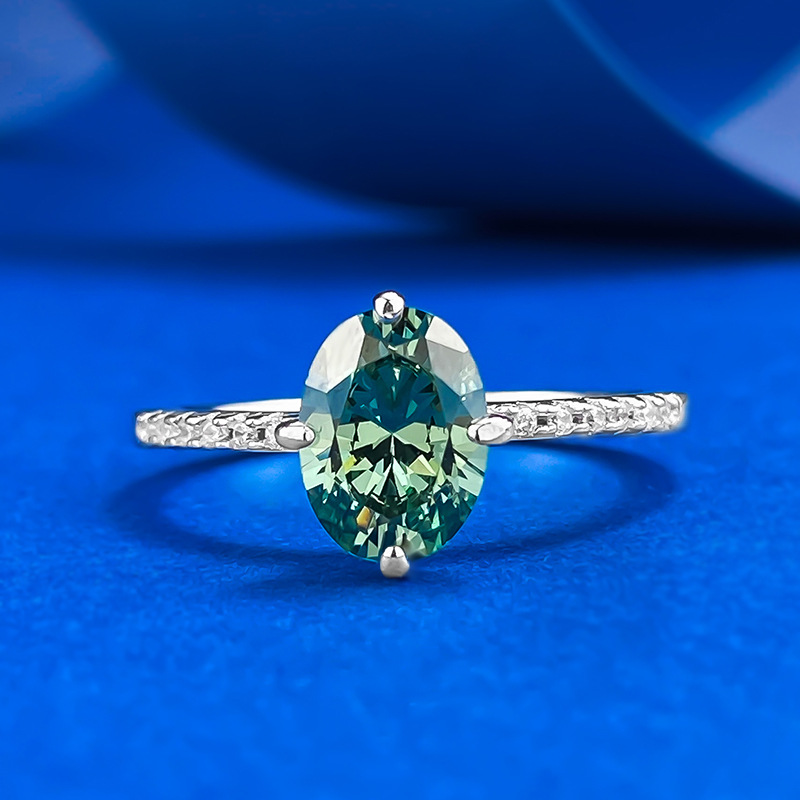
Round Lab Grown Diamond Ring Settings: Choose the Best Fit
Round lab grown Diamond Ring Settings shape how the stone looks, how securely it sits, and how well the ring fits everyday life. The diamond matters, but the setting controls the overall feel: bright and airy, low and secure, bold and detailed, or sleek and modern. If you’re comparing round lab grown Diamond Ring Settings, the right choice can influence sparkle, comfort, maintenance, and even how large the diamond appears on the hand.
Round Lab Grown Diamond ring settings are especially popular because the round brilliant cut works with nearly every design style. That flexibility makes them a favorite for engagement rings and fine jewelry alike. It also means shoppers have real choices to make. A setting can maximize fire, protect the center stone, or keep the ring practical for daily wear. Budget plays a role too, since metal weight, accent stones, and craftsmanship can change the final price as much as carat size.
Round Lab Grown Diamond Ring Settings: What to Know Before You Buy
The setting matters as much as the diamond shape because it affects appearance, durability, and comfort all at once. A round diamond is naturally balanced and symmetrical, but the ring setting decides how that shape is framed and how much light reaches the stone. Round Lab Grown Diamond ring settings can make a diamond feel larger, cleaner, more secure, or more ornate depending on the design.
For shoppers comparing round Lab Grown Diamond ring settings, versatility is the main appeal. A round center stone works in classic solitaire setting styles, decorative halo setting designs, and more protective choices like bezel setting or channel setting. That range makes it easier to match the ring to a lifestyle, whether the wearer wants a low-profile everyday piece or a bright statement ring.
Sparkle, security, and budget all shift with the setting. A high-set cathedral setting can create elegant height and a strong visual presence. A pavé setting can increase brilliance across the band. A bezel setting may sacrifice some open light in exchange for excellent protection. The best ring is rarely just the prettiest one in the case; it is the one that balances beauty with how the ring will actually be worn.
What Makes Round Lab Grown Diamonds Different
Lab Grown Diamonds are real diamonds with the same carbon crystal structure, hardness, and optical behavior as mined diamonds. They are grown using high-pressure high-temperature or chemical vapor deposition methods, then cut and graded using the same standards many buyers know from the natural diamond market. GIA and IGI both evaluate diamonds using familiar criteria such as cut, color, clarity, and carat weight, which helps shoppers compare options with confidence.
Round brilliant cuts pair especially well with many round Lab Grown Diamond ring settings because the shape is engineered for light performance. The 57 or 58 facet design is built to return light efficiently, so the setting should support that effect rather than hide it. A well-cut round lab grown diamond can look lively even in a simple solitaire setting, while a halo setting can amplify the visual impact by surrounding it with accent stones.
Cut quality matters here more than many shoppers realize. A round diamond with strong symmetry, proper proportions, and excellent polish will usually perform better in almost any setting. If the stone has a shallow or deep cut, the setting can still look attractive, but the light return may not be as strong. That is why expert jewelers often recommend choosing the diamond and the setting together rather than separately.
For buyers comparing round Lab Grown Diamond ring settings, look at the relationship between the diamond and the mount. The prongs, basket, gallery, and band all frame the stone. Good design supports the center diamond without blocking its sparkle. Poor design can make even a beautiful round diamond feel less impressive.
The Most Popular Round Lab Grown Diamond Ring Settings
Round Lab Grown Diamond ring settings come in many styles, but a few remain the most requested for good reason. Each one offers a different mix of sparkle, protection, and personality. Expert jewelers often guide shoppers by lifestyle first, then by look, because the setting has to match how the ring will be worn.
| Setting Type | Best For | Look | Durability | Sparkle Impact |
|---|---|---|---|---|
| Solitaire setting | Classic minimal style | Clean and timeless | Strong when well made | Focuses on the center stone |
| Halo setting | Bigger visual presence | Bright and decorative | Good with secure craftsmanship | Adds major sparkle and spread |
| Pavé setting | Extra shimmer on the band | Elegant and detailed | Moderate, depending on stone security | High overall brilliance |
| Channel setting | Smooth, protected accent stones | Structured and polished | Very strong for active wear | Subtle, refined sparkle |
| Bezel setting | Maximum protection | Sleek and modern | Excellent | Can slightly soften visible brightness |
| Three-stone setting | Symbolic and balanced | Classic with side-stone emphasis | Strong when proportions are right | Adds width and sparkle |
| Tension setting | Contemporary look | Bold and open | Depends heavily on craftsmanship | Shows off the center stone dramatically |
| Cathedral setting | Elevated and elegant | Architectural and graceful | Strong structural support | Enhances presence and profile |
Solitaire setting
The solitaire setting is still one of the most popular round Lab Grown Diamond ring settings because it puts all attention on the center stone. It is clean, easy to style, and works with nearly every wardrobe. If the diamond has excellent cut quality, a solitaire setting can look striking without needing extra decoration.
This style is also easy to pair with a wedding band later. Many shoppers like that flexibility. A slim solitaire can make a round diamond appear larger because the eye goes straight to the stone rather than to the band.
Halo setting
A halo setting surrounds the center diamond with a ring of smaller diamonds. That extra frame can make the center stone look larger and add a dramatic amount of sparkle. For shoppers who want round Lab Grown Diamond ring settings with strong visual presence, halo designs are often top contenders.
There are tradeoffs. A halo can add complexity, and tiny accent stones need secure workmanship. When well executed, a halo setting can enhance both brilliance and perceived size, especially for buyers working with a modest center stone budget.
Pavé setting
A pavé setting uses small diamonds set closely along the band, creating a glittering surface effect. It is one of the most elegant round Lab Grown Diamond ring settings for buyers who want continuous sparkle without a very large center stone. The band itself becomes part of the design.
Pavé can be delicate, so craftsmanship matters. The stones should be seated securely, and the edges should feel smooth enough for comfortable wear. For people who love shimmer and do not mind a little extra maintenance, pavé is a beautiful option.
Channel setting
A channel setting places accent diamonds between metal walls, which protects the stones while keeping the surface sleek. It is a strong choice for round Lab Grown Diamond ring settings if durability and clean lines are priorities. It also reduces the risk of small stones snagging on clothing.
This style often appears on bands paired with a round center stone rather than as the center setting itself. Still, it plays a major role in the overall look. Channel-set accents can add sparkle without the higher profile of more open designs.
Bezel setting
A bezel setting wraps metal around the edge of the diamond. For round Lab Grown Diamond ring settings, it offers some of the best protection available and gives the ring a modern, streamlined look. It is a practical choice for active wear or anyone who uses their hands often.
The main visual difference is that a bezel can make the diamond look slightly more compact because part of the edge is covered. But many buyers like that clean outline. It feels secure, polished, and distinctly contemporary.
Three-stone setting
A three-stone setting pairs the center diamond with two side stones. It creates a balanced, meaningful design and gives the ring extra width on the finger. Among round Lab Grown Diamond ring settings, this option often appeals to buyers who want a classic look with more presence than a solitaire.
Side stones can be round, tapered baguettes, or other shapes. The side-stone size should be proportionate to the center diamond; otherwise, the ring can feel unbalanced. When the proportions are right, the setting has both symbolism and visual depth.
Tension setting
A tension setting holds the center diamond in place with pressure from the metal. It creates a dramatic, floating appearance that feels bold and modern. Among round lab grown diamond ring settings, this is one of the most distinctive styles.
It can be visually stunning, but it depends heavily on precise engineering and careful wear. Buyers should ask about the metal alloy, design tolerances, and long-term service support. Expert jewelers often recommend tension designs only when the ring maker has proven craftsmanship.
Cathedral setting
A cathedral setting uses arches from the band to support and elevate the center stone. It gives round lab grown diamond ring settings a graceful profile and often makes the diamond look more prominent from the side. The architectural feel is elegant and timeless.
This setting can also add structural support, which is one reason many shoppers like it. A higher profile may catch more often than a low-set design. For buyers who want height and elegance, cathedral settings are a strong fit.
Quick comparison: which setting suits which buyer?
- Choose a solitaire setting if you want a timeless centerpiece and easy styling.
- Choose a halo setting if you want maximum sparkle and a larger-looking stone.
- Choose a bezel setting if security and everyday practicality matter most.
- Choose a pavé setting if you want band sparkle to match the center stone.
- Choose a three-stone setting if you like balance, symbolism, and a fuller look.
How to Choose the Right Setting for Your Lifestyle
The best round lab grown diamond ring settings match the wearer’s routine as closely as they match their style. Someone who types all day, lifts weights, gardens, or works with their hands may prefer a lower profile and more protection. Someone who wants a formal statement ring may prioritize height, brilliance, and decorative details.
Metal choice matters too. Platinum is dense, durable, and naturally white, which many buyers like for secure prong work. 14K gold can offer a strong balance of durability and value. 18K gold has a richer color but is slightly softer, so it may need more care. The best round lab grown diamond ring settings use metal strength as part of the design, not as an afterthought.
Band width changes comfort and appearance. A thin band can make the center diamond appear larger, but it may show wear faster. A wider band feels substantial and can improve durability, though it may look less delicate. Setting height is equally important. Low-profile round lab grown diamond ring settings usually snag less and feel more practical for daily wear.
Budget also shapes the right choice. A larger halo setting may make a smaller center stone appear bigger, which can stretch value. A simple solitaire setting may leave room to prioritize a higher cut grade, which often improves sparkle more than extra decorative metal. That tradeoff matters.
Practical buying checklist
- Ask how many prongs hold the center stone and whether they’re evenly spaced.
- Check if the setting has a low, medium, or high profile.
- Confirm whether accent stones are set in pavé, channel, or bezel style.
- Review warranty, resizing, and maintenance policies before you buy.
- Ask whether the ring is designed for daily wear or occasional wear.
Design Details That Change the Look of a Round Center Stone
Small design choices can change the appearance of round lab grown diamond ring settings more than shoppers expect. Prong style is one example. Four-prong settings often show more of the diamond, while six-prong settings may offer a bit more security and a more rounded outline. The basket beneath the stone also affects how open or enclosed the ring feels.
Gallery details shape the side profile. An open gallery can let more light move around the center stone, while a more detailed gallery adds visual interest underneath. Cathedral arches lift the diamond and create a formal silhouette, while a low basket keeps the profile closer to the finger.
Halo size and pavé coverage change how large the ring appears. A thin halo can create a subtle boost in spread, while a larger halo delivers a stronger frame. Likewise, pavé on just the top third of the band feels lighter than full pavé coverage. Band thickness matters too. Slim bands can emphasize the round center stone, while thicker bands create a sturdier, more substantial look.
Proportion is the thread that ties all round lab grown diamond ring settings together. A well-proportioned ring feels harmonious from every angle. The setting should complement the diamond, not compete with it.
Practical Tips for Evaluating Settings Before You Buy
Expert jewelers usually evaluate round lab grown diamond ring settings by security first, then comfort, then style. That order is useful for shoppers too. A beautiful setting should still hold the stone firmly and feel good on the hand every day.
Ask about craftsmanship details such as prong count, prong finish, basket reinforcement, and whether the setting was built for the exact diamond dimensions. Tiny differences in millimeter measurements can affect how stable the stone feels. For example, a round center stone measuring 6.50 mm may need a slightly different mount than one measuring 6.80 mm, even if the carat weights seem close.
Also ask how the setting is finished. Smooth edges matter for comfort. Secure stone seats matter for durability. And if you plan to resize later, make sure the design allows for it without weakening the structure. If you want help comparing options, you can browse our jewelry collection or contact our jewelry experts for guidance.
Common Mistakes to Avoid When Choosing a Setting
A common mistake is choosing round lab grown diamond ring settings based on appearance alone. A high-profile ring may look dramatic in a display case, then feel awkward on a daily basis. Another mistake is selecting a very delicate pavé or tension design for someone with an active routine.
Buyers also sometimes assume the sparkliest setting will always make the diamond look bigger. Not always. A well-cut round stone in a slim solitaire can look larger than expected, especially if the band is narrow and the head is proportioned well. Decorative settings add flash, but they often need more upkeep over time.
Conclusion: Choosing the Best Round Lab Grown Diamond Ring Setting
The best round lab grown diamond ring settings balance style, security, comfort, and budget in a way that suits real life. A solitaire setting keeps attention on the diamond. A halo setting boosts presence. A bezel setting protects the stone. A pavé or three-stone design adds character. The right answer depends on how the ring will be worn and what the buyer values most.
If you’re comparing round lab grown diamond ring settings, start with the lifestyle, then narrow by profile, metal, and overall look. That approach leads to better long-term satisfaction and fewer tradeoffs. Explore more diamond and ring options through shop our lab-grown diamonds or explore our engagement rings to find a setting that fits your priorities.
FAQ
What is the best setting for a round lab grown diamond ring?
The best setting depends on style, budget, and lifestyle. A solitaire setting is ideal for a timeless look, while a halo setting can add more sparkle and make the stone appear larger. If you want the best round lab grown diamond Ring Settings for Everyday wear, a low-profile bezel or sturdy channel design is often a strong choice.
Is a bezel setting good for a round lab grown diamond ring?
Yes. A bezel setting is one of the most secure and practical round lab grown diamond ring settings because it wraps metal around the stone’s edge. It works well for active wearers and anyone who wants a sleek, low-maintenance ring.
Which setting makes a round diamond look bigger?
Halo setting designs and some pavé styles often make a round diamond look larger by increasing sparkle around the center stone. A slim solitaire can also create a larger appearance if the band is narrow and the proportions are well balanced.
Are cathedral settings more secure for round lab grown diamond rings?
Cathedral settings can add structural support because the arches connect the center stone to the band. They often feel sturdy and elegant, but overall security still depends on craftsmanship, prong quality, and how the ring is worn.
What is the most durable setting for everyday wear?
Bezel and channel setting styles are often considered among the most durable round lab grown diamond ring settings for daily wear. They protect the stone well and tend to handle frequent use better than more delicate open designs, though the exact build quality still matters.
Ready to Find Your Perfect Diamond?
Explore our collection of certified lab-grown diamonds
Shop Diamonds