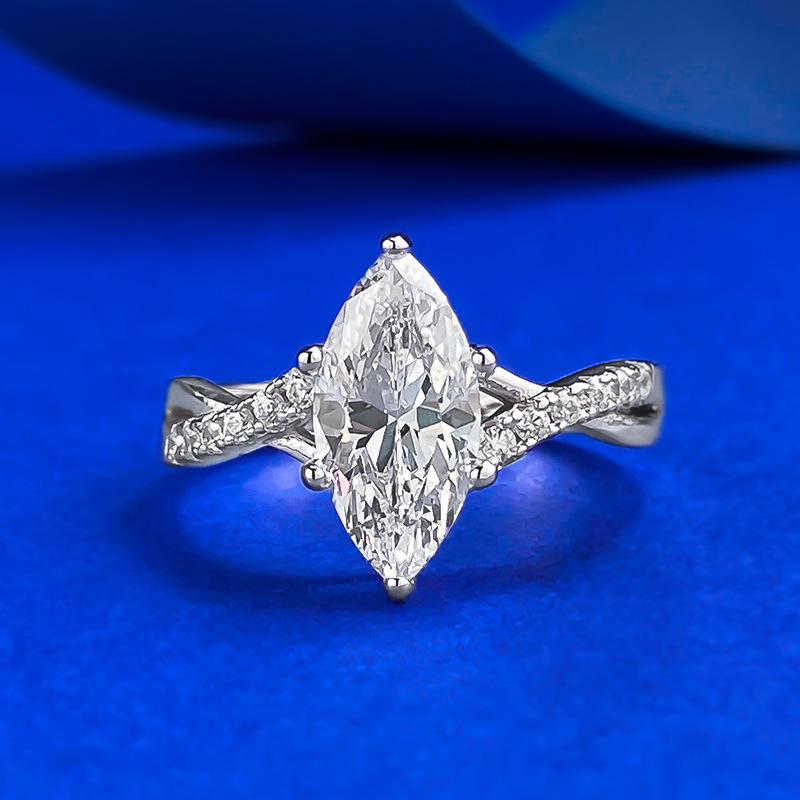
Cushion Diamond Ring Setting Cost: Smart Style and Budget Guide
Cushion diamond ring setting cost can change the look, feel, and long-term value of your engagement ring. The setting controls how high the diamond sits, how much sparkle surrounds it, how secure it feels, and how easily it pairs with a wedding band.
If you're comparing lab-grown cushion diamond rings, don't treat the setting as an afterthought. A simple solitaire may free up more budget for the center stone. A pavé, halo, or three-stone design may cost more, but it can add brilliance, finger coverage, and a more finished look.
At StoneBridge Jewelry, we help customers compare settings every day. Buyers tend to be happiest when they choose the setting around real life, not just a product photo. Will the ring be worn at work, during travel, while caring for kids, or with gloves? Those details matter.
Why Cushion Diamond Settings Affect More Than Price
A cushion cut diamond has rounded corners, soft sides, and either a square or elongated outline. That gentle shape works with many settings. It can look clean in a four-prong solitaire, romantic in a halo, and bold in a three-stone ring.
The setting changes how the cushion diamond performs on the hand. Four prongs show more of the stone. Double claw prongs add a refined, secure look. A halo can make the center diamond appear larger from the top view. Cathedral shoulders lift the stone and give the ring more height.
GIA explains diamond appearance through the 4Cs: cut, color, clarity, and carat weight. For cushion cuts, light return also depends on proportions, polish, symmetry, and how the stone is mounted. Metal color can make a diamond look brighter or warmer, while setting height can affect light flow and daily comfort.
Cushion diamond ring setting cost is not just a line item. It shapes how the ring looks, wears, and protects the diamond.
What Is Included in Cushion Diamond Ring Setting Cost?
A ring setting is the full structure that holds the center diamond. It includes the shank, head, prongs or bezel, basket, gallery, shoulders, polish, and any accent diamonds. If the design has pavé, a hidden halo, engraving, milgrain, or side stones, those features are included in the setting cost.
Many build-your-ring experiences price the center diamond and setting separately. That helps you control the full budget. You can choose a 2.00 carat lab-grown cushion diamond, then pair it with a solitaire, pavé band, halo, hidden halo, or custom setting.
A plain setting usually costs less because it uses fewer stones and less labor. A detailed design needs more metalwork, more inspection, and more hand finishing. Small diamonds may look simple, but each one has to be matched, placed, and secured.
Use these typical ranges as a planning tool. Actual pricing depends on metal markets, ring size, band width, accent diamond quality, and design details.
| Setting Style | Typical Setting Cost Range | Best For | Main Cost Drivers |
|---|---|---|---|
| Solitaire | $600-$1,800 | Clean focus on the center diamond | Metal, band width, prong style |
| Cathedral Solitaire | $900-$2,200 | Classic height and structure | Extra metal, shaped shoulders, finishing |
| Pavé Band | $1,200-$3,500 | Sparkle without a full halo | Accent diamonds, bead work, labor |
| Halo | $1,500-$4,500 | Larger top-view appearance | Halo diamonds, alignment, matching |
| Hidden Halo | $1,600-$4,800 | Side-view sparkle | Gallery work, small diamond placement |
| Three-Stone | $2,500-$8,000+ | Symbolism and finger coverage | Side stones, matching, stronger structure |
| Custom Setting | $2,500-$10,000+ | Personal design details | CAD, casting, hand setting, finishing |
For many shoppers, the most affordable route is a 14k gold solitaire. The higher end often includes platinum, pavé, matched side stones, and custom work.
Setting Cost vs. Center Diamond Cost
The center diamond price depends on carat weight, cut quality, color, clarity, certification, and whether the stone is lab-grown or natural. The setting price depends on metal, design, labor, accent stones, and finishing quality.
Lab-grown diamonds can give you more flexibility. A buyer may choose a larger cushion diamond, upgrade to platinum, or add pavé while staying close to the same total budget. That's one reason lab-grown cushion engagement rings are so popular with value-focused shoppers.
A low cushion diamond ring setting cost is not always the best deal. Weak prongs, thin shanks, or rough finishing can lead to repairs later. A well-made setting protects the stone and makes the ring easier to wear every day.
Cushion Diamond Setting Cost by Style
Style is one of the biggest price factors. A minimalist solitaire uses less metal and fewer components. A pavé, halo, hidden halo, three-stone, or custom setting needs more labor and more quality checks.
Accent diamonds raise the price quickly. A pavé band may include dozens of tiny stones. A halo must follow the cushion outline cleanly, with each accent stone aligned around the center. A hidden halo adds detail under the diamond, so the jeweler has to build a more complex gallery.
Cathedral shoulders can also increase cost. They lift the center diamond and connect the shank to the head. The result feels graceful and secure, but it usually uses more metal than a straight shank.
Solitaire Cushion Diamond Settings
Solitaire settings are timeless, practical, and budget-friendly. They keep the cushion diamond as the main focus without extra stones competing for attention. If your priority is center stone size, a solitaire often makes the most sense.
Cushion diamond ring setting cost for a solitaire depends on metal, prong style, band width, and head construction. A 14k white gold four-prong solitaire usually costs less than a platinum cathedral setting with double claw prongs. A thicker band also uses more metal.
Solitaire rings are easy to clean and simple to pair with wedding bands. They also work well for active lifestyles because there are fewer small stones to inspect. Want a ring that still looks elegant in 20 years? A balanced solitaire is hard to beat.
Halo, Hidden Halo, and Pavé Settings
Halo and pavé settings add sparkle and visual size. A halo frames the center cushion diamond with smaller stones, which can make the diamond look larger from the top. Pavé adds shimmer along the band. A hidden halo gives a flash of detail from the side.
These styles raise cushion diamond ring setting cost because they need more diamonds and more setting work. The jeweler has to sort accent stones by size, color, and brightness. Each stone must be placed securely and checked for even spacing.
Before buying, ask about accent diamond total carat weight and quality. Check whether the small stones are lab-grown or natural. Look at the prongs, gallery, and side profile. A good pavé or halo ring should feel smooth, not scratchy.
Three-Stone and Custom Cushion Settings
Three-stone rings cost more because they include side diamonds and a stronger structure. Popular side stones include half-moons, trapezoids, tapered baguettes, pears, and smaller cushions. Each side stone should match the center diamond in tone, proportion, and overall quality.
A three-stone ring gives strong finger coverage and a meaningful design. Many customers choose it to represent past, present, and future. The added stones and engineering explain the higher cushion diamond ring setting cost.
Custom settings can cost more again. A custom ring may involve consultation, CAD design, wax modeling, stone sourcing, casting, hand setting, polishing, and final inspection. If you want a one-of-a-kind cushion ring, contact our jewelry experts for a quote based on your diamond measurements and design ideas.
Key Features That Change the Price
Several details affect cushion diamond ring setting cost before the ring reaches checkout. The main drivers are metal type, ring weight, band width, accent diamonds, production method, custom work, and finishing quality.
Metal matters because platinum, 14k gold, and 18k gold differ in density and price. Platinum has a density of about 21.45 g/cm³, which is much heavier than most gold alloys. That extra weight often increases material cost.
Construction matters too. A 1.8 mm band costs less than a 2.5 mm band in the same metal because it uses less material. A low basket may cost less than a sculpted cathedral design. Split shanks, decorative galleries, and bridge details add more bench work.
Metal Type and Ring Construction
Platinum usually increases cushion diamond ring setting cost. It is naturally white, dense, and known for long wear. Instead of losing metal quickly, platinum tends to develop a soft patina over time.
14k gold is often the best value choice for daily wear. It has more alloy than 18k gold, which can make it practical for an engagement ring. It comes in white, yellow, and rose tones.
18k gold has a higher pure gold content, so it often has a richer color. It may cost more than 14k gold and can feel slightly softer, depending on the alloy. For many buyers, the choice comes down to color preference, budget, and maintenance expectations.
Accent Diamonds and Craftsmanship
Pavé, French-set, channel-set, and micro pavé all affect the final price. Pavé creates a glittering surface with small diamonds set close together. French-set pavé uses tiny V-shaped cuts in the metal. Channel-set stones sit between metal walls, which can feel smooth and practical.
Craftsmanship decides whether those details stay beautiful. Secure prongs, even spacing, polished metal, and smooth edges are essential. Poor pavé can snag fabric, lose stones, or feel rough against neighboring fingers.
Our bench standards focus on the details buyers can see and feel: aligned accent diamonds, clean prongs, a secure center stone, and balanced proportions. Those checks help the setting age well.
How to Judge Value Before You Buy
Price matters, but value includes more than the number on the tag. Cushion diamond ring setting cost should be weighed against metal quality, comfort, warranty support, resizing options, and design longevity.
Start with the diamond's measurements. Cushion diamonds vary by length-to-width ratio. A square cushion is often close to 1.00, while an elongated cushion may range from about 1.10 to 1.25 or higher. Two 2.00 carat cushion diamonds can face up differently if their depths and proportions are not the same.
Then look at the setting structure. Check the prongs, basket support, gallery height, shank width, and wedding band fit. Some full pavé or eternity styles are difficult to resize. A plain shank or half pavé band usually gives you more flexibility.
Before you choose, ask yourself:
- Metal: Do you prefer 14k gold, 18k gold, or platinum?
- Profile: Do you want a low-set ring or a taller cathedral style?
- Sparkle: Do you prefer solitaire, pavé, halo, or hidden halo details?
- Wearability: Will the ring suit your job, hobbies, and routine?
- Band fit: Do you want a flush wedding band?
- Maintenance: Are you comfortable with yearly inspections?
- Budget: Does the total include the diamond, setting, tax, shipping, and protection?
A lower cushion diamond ring setting cost can be smart if it lets you choose a better center diamond. A higher setting cost can also be wise if it improves durability, comfort, or personal meaning. To compare finished styles, explore our engagement rings and review different cushion designs side by side.
Budgeting for the Complete Ring
Set a total budget before comparing settings. Include the center diamond, setting, taxes, shipping, resizing, appraisal, insurance, and any protection plan. That gives you a truer view of the final purchase.
Lab-grown diamond pricing can make the budget stretch further. You might choose a larger cushion diamond, upgrade from 14k gold to platinum, or add a hidden halo without moving far beyond your target.
Think about daily wear. A nurse, teacher, parent, athlete, or frequent traveler may prefer a low-profile design with secure prongs. Someone who loves sparkle may value pavé or a halo more.
When Paying More Makes Sense
A higher cushion diamond ring setting cost can be worth it when the upgrade improves strength, comfort, or meaning. Platinum, fine pavé, matched side stones, and custom details often justify the added cost for buyers who want a more refined ring.
Paying more can also reduce repair worries. A strong basket, secure prongs, and comfortable shank help protect the center diamond. Better finishing also helps the ring feel smooth during daily wear.
If a feature only adds decoration and doesn't fit your lifestyle, it may not be the best use of budget. If it makes the ring safer, more comfortable, or more personal, it may be worth the upgrade.
Comfort, Sizing, and Long-Term Care
A ring should look beautiful, but it also has to feel right. High-profile settings make a cushion diamond look more prominent, yet they can catch on gloves or sweaters. Low-profile settings feel secure, though they may not allow a straight wedding band to sit flush.
Thin bands can make the center diamond look larger. Very thin shanks may wear faster over time. Wider bands feel more substantial and can support larger stones, but they may need a slightly larger ring size for comfort.
Hand shape can guide your choice. Elongated cushion diamonds can lengthen the look of the finger. Square cushions feel balanced and classic. Yellow gold adds warmth, while white gold and platinum create a bright, crisp look.
Sizing and Wedding Band Fit
Ring size, band width, and setting height all affect comfort. Wider bands often feel tighter than narrow bands in the same size. A tall setting may feel more noticeable during daily tasks.
Flush-fit designs allow a wedding band to sit directly beside the engagement ring. Non-flush designs leave a small gap because the basket or center stone extends into the band area. Some buyers like the gap; others prefer a curved band.
Check resizing options before ordering. Full pavé and eternity-style bands can be hard to resize because diamonds go around most of the shank. If you expect future size changes, choose a plain or half pavé shank.
Care and Protection
Clean your ring with warm water, mild dish soap, and a soft brush. Avoid chlorine, harsh cleaners, and abrasive products. Remove the ring before heavy lifting, gardening, intense workouts, or anything that may strike the setting.
Plan professional inspections at least once a year. GIA and many jewelry care experts recommend checking prongs and mountings regularly, especially on rings with pavé or halo stones. A quick inspection can catch a loose stone before it becomes a bigger problem.
Review warranty, repair, and insurance options before checkout. For sizing help, read our ring size guide. To choose a center stone first, shop lab-grown diamonds, then use our ring builder to pair it with the right setting.
Shop Cushion Diamond Settings at StoneBridge Jewelry
The right cushion diamond ring setting cost depends on your diamond, your budget, and how the ring will be worn. A solitaire can be elegant and efficient. A halo can add size and sparkle. Pavé creates refined brilliance. Platinum adds weight and a luxury feel. A custom setting turns a personal idea into a ring built around your exact stone.
StoneBridge Jewelry offers premium lab-grown cushion Diamond Engagement Rings and curated settings for buyers who want clear guidance. Compare metals, prong styles, accent diamonds, side stones, and custom Options Before You commit.
A good setting protects the diamond, flatters the hand, and feels comfortable for years. If you're ready to compare designs, browse our lab-grown engagement rings, build your ring online, or speak with our team for help matching a cushion diamond to the right setting.
Ready to Find Your Perfect Diamond?
Explore our collection of certified lab-grown diamonds
Shop Diamonds