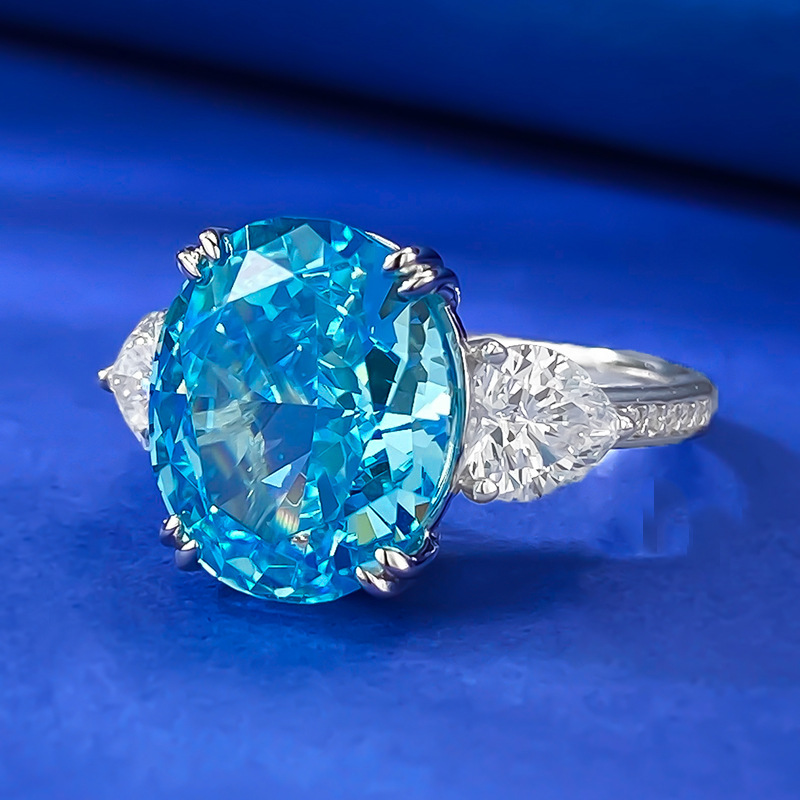
IGI Certificate Number Diamond Check Before You Buy
A diamond can look stunning in photos, but the grading report tells you what you're really buying. An IGI certificate number diamond check confirms that the report number, grades, and measurements match the diamond listed for sale.
That step matters for loose stones, engagement rings, lab-grown diamonds, and insurance records. It protects your budget before money changes hands.
The safest buying path uses two checks. First, verify the report through the International Gemological Institute. Then ask a trusted jeweler to help you read the details and judge whether the diamond is a smart fit for your ring, pendant, or earrings.
What an IGI Certificate Number Diamond Check Confirms
An IGI certificate number diamond check verifies a diamond report through the International Gemological Institute's report lookup system. IGI grades natural and lab-grown diamonds using documented standards for carat weight, color, clarity, measurements, polish, symmetry, fluorescence, and other identifying details.
Think of the report number as the diamond's reference key. Enter it into the official IGI lookup, and the returned record should match the seller's listing. If the page shows a 1.80 carat cushion but the report lookup shows a 2.00 carat oval, stop and ask questions.
GIA teaches that the 4Cs—carat, color, clarity, and cut—create a shared language for comparing diamonds. IGI reports use the same buyer-friendly idea, with lab details that make side-by-side comparisons easier.
For lab-grown diamonds, the IGI certificate number diamond check is especially useful. Two stones may both look bright in a short video, yet one may have better proportions, cleaner clarity features, or a stronger price-to-quality balance.
Many IGI reports include measurements to the hundredth of a millimeter, such as 7.42 x 7.45 x 4.58 mm. That level of detail helps you compare spread, depth, and setting fit instead of relying on carat weight alone.
Direct IGI Report Lookup: How to Check It Yourself
A direct IGI certificate number diamond check is free and quick. You'll need the report number from the grading document, product page, or seller. Some diamonds also carry a laser inscription on the girdle that matches the report number.
Use the official IGI report verification page and enter the number exactly as shown. Include any prefix if the report uses one. Compare the returned information with the seller's page before adding the diamond to your cart.
Check these details line by line:
- Carat weight, such as 1.00 ct, 1.50 ct, or 2.00 ct.
- Shape and cutting style, such as round brilliant, oval brilliant, emerald cut, or cushion modified brilliant.
- Color grade, usually D to Z for colorless-to-light diamonds.
- Clarity grade, such as VVS2, VS1, VS2, SI1, or SI2.
- Measurements in millimeters.
- Polish and symmetry grades.
- Fluorescence, if listed.
- Report date.
- Laser inscription details, when present.
This method works well if you're comparing several loose lab-grown diamonds online. A 1.72 carat F VS1 oval and a 1.74 carat F VS2 oval may look close at first glance. The report can show different measurements, table percentages, depth percentages, and clarity characteristics.
A DIY IGI certificate number diamond check can also catch simple listing errors. Large diamond inventories move fast, and data can be copied into the wrong field. A good retailer will explain the mismatch clearly. A vague answer is a red flag.
Need a second set of eyes? You can contact our jewelry experts before choosing between certified stones.
What Direct Lookup Does Well
The main strength of direct lookup is control. You aren't depending on a product title or a screenshot. You're checking the grading record at the source.
A direct IGI certificate number diamond check confirms whether the report exists and whether the core details match the seller's description. It also gives you a cleaner paper trail for appraisal and insurance files.
Laser inscriptions add another identity check. A jeweler can view the girdle under magnification and compare the inscription to the report. GIA and many gem labs use 10x magnification as a common grading reference, which is also helpful when reviewing inscriptions and clarity features.
Lookup has limits. It doesn't tell you whether the seller mixed up inventory after photography. It also doesn't review prong work, return terms, resizing support, or whether the diamond suits your setting.
Pros and Limits of Checking the IGI Number Yourself
A self-guided IGI certificate number diamond check is best for shoppers who already understand diamond basics. It's fast, free, and useful when you're comparing stones with similar grades.
The benefits are clear:
- You can verify the report before checkout.
- You can compare similar diamonds with more confidence.
- You can spot grade or measurement mismatches.
- You can save cleaner records for insurance.
- You can ask better questions before buying.
The limits are real. A report may say G color and VS2 clarity, but it won't tell you whether an oval has a flattering length-to-width ratio. It also won't tell you if a higher grade is worth the extra cost for your design.
Use the report as the starting point, not the whole decision. A verified document proves the specs. It doesn't prove beauty, value, or service.
Jeweler Verification: Why Expert Review Still Matters
Retailer-assisted verification adds trained eyes to the certificate process. A reputable jeweler checks the IGI Report Number, confirms the grades, and reviews whether the diamond makes sense for the finished piece.
A diamond doesn't live on a report. It lives in a setting. A low-profile solitaire, hidden halo, three-stone ring, or pendant may need certain proportions to look balanced and wear well.
If two diamonds have the same carat weight, color, and clarity, the better choice may come down to measurements, price, video performance, or how the stone pairs with side diamonds. That is where a jeweler earns trust.
At StoneBridge Jewelry, we've found that customers often feel most confident after they see both pieces of proof: the lab report and a plain-English explanation of what the report means for the actual jewelry.
Retailer review can also cover inventory status, quality control, side-stone matching, setting compatibility, shipping protection, and return options. Those details don't appear in the IGI lookup, but they affect the purchase.
What Retailer-Assisted Verification Includes
A retailer-assisted IGI certificate number diamond check usually goes beyond typing in a report number. The jeweler reviews the diamond as a real purchase, not just a data sheet.
Common checks include:
- Matching the IGI report number to the diamond listing.
- Confirming carat weight, color, clarity, and measurements.
- Reviewing photos, video, or magnified media.
- Checking current availability before purchase.
- Reviewing laser inscription details when available.
- Comparing proportions and visible performance.
- Explaining clarity features in simple terms.
This helps you avoid paying for grades you may not see. For example, a D color VVS1 lab-grown diamond may cost more than an F color VS1 stone of the same size. In many ring styles, both may appear colorless and eye-clean.
The better value depends on shape, cut quality, setting style, and budget. A jeweler can help you find that balance.
Pros and Limits of Retailer Verification
Retailer verification works best when the seller is open, responsive, and willing to show the report. The biggest benefit is interpretation. You get help comparing near-matches and avoiding expensive mistakes.
Strong retailer support can help with:
- Matching the diamond to the setting.
- Choosing side stones that look balanced.
- Comparing similar carat weights and grades.
- Understanding return, warranty, and resizing policies.
- Preparing documentation for insurance.
The downside is simple: quality depends on the retailer. Some sellers give clear reports, helpful media, and honest guidance. Others use vague claims and incomplete listings.
Even with retailer help, run your own IGI certificate number diamond check before paying. Trust the jeweler, but verify the report.
IGI Certificate Number Diamond Check vs Retailer Review
You don't need to choose only one method. The strongest process uses the official IGI certificate number diamond check plus retailer guidance.
Independent grading reduces guesswork. It lets you compare stones across sellers using shared terms. Jeweler review adds context, especially for engagement rings and custom pieces.
| Criteria | Direct IGI Report Lookup | Retailer or Jeweler Review | Best Use |
|---|---|---|---|
| Speed | Very fast once you have the number | Depends on response time | Quick online comparison |
| Cost | Free | Usually part of purchase support | Budget-friendly verification |
| Trust source | Direct IGI record | Seller expertise and transparency | Supported buying decisions |
| Ease | Simple, but you must compare details | Easier for first-time buyers | Engagement rings and gifts |
| Interpretation | Limited to report data | Stronger explanation of value | Similar diamond comparisons |
| Risk control | Confirms report identity | Reviews product, setting, and policies | Higher-value purchases |
| Lab-grown fit | Excellent first step | Best with video and media review | Certified lab-grown shopping |
A direct IGI certificate number diamond check tells you whether the report matches the listing. Retailer review helps answer a different question: is this the right diamond to buy?
Suppose two lab-grown round diamonds weigh about 2.00 carats. One is E color, VS1 clarity, Excellent polish, and Excellent symmetry at $1,600. The other is F color, VS2 clarity, with similar measurements at $1,250.
The first diamond has higher grades on paper. The second may be the smarter buy if it looks bright, faces up well, and stays eye-clean in the setting. Report lookup confirms the facts; expert review helps judge value.
Buyer Checklist for a Safer Diamond Purchase
Before you commit, slow down for five minutes. A careful IGI certificate number diamond check can prevent a costly mismatch.
Use this checklist:
- Verify the report number through the official IGI lookup.
- Compare the report with the product page line by line.
- Review photos, video, or magnified media when available.
- Confirm the laser inscription if the diamond is inscribed.
- Compare the price with similar certified diamonds.
- Read the return policy, warranty, resizing terms, and shipping protection.
- Save the report, receipt, and appraisal documents.
Pay close attention to measurements. A 1.50 carat round diamond often measures around 7.3 to 7.5 mm, depending on cut proportions. A 1.50 carat oval may measure closer to 9.0 x 6.5 mm, depending on shape.
Those numbers affect finger coverage and setting fit. Carat weight alone doesn't tell the full story.
Compare value, not just grades. Many buyers choose F to H color and VS1 to VS2 clarity for a balanced look. Emerald cuts often benefit from higher clarity because their step facets show inclusions more easily. Round brilliants tend to hide small clarity features better.
If you're comparing center stones, you can shop certified lab-grown diamonds, explore engagement rings, or build a custom ring with a setting that suits the stone.
Best Fit for Lab-Grown Diamond Shoppers
Lab-grown diamonds can vary a lot, even when the grades look similar. Cut precision, growth features, transparency, and proportions all affect how the diamond looks in real life.
The IGI certificate number diamond check verifies the report, but it doesn't fully capture beauty. That's especially true for fancy shapes such as oval, pear, emerald, radiant, and cushion cuts.
For lab-grown diamond shoppers, the best plan is simple. Verify the IGI report, compare the measurements, review the media, and ask a jeweler to explain any tradeoffs.
This combined approach is useful for larger stones too. A 3.00 carat lab-grown diamond can vary widely in price based on shape, color, clarity, proportions, and seller policies. A verified report keeps the facts straight, while expert review helps you avoid paying for details that don't improve the finished piece.
Avoid uncertified stones with claims like premium quality or top grade unless the seller provides real documentation. A reputable retailer should share the report number, grading lab, and key specs without making you chase them.
StoneBridge Recommendation
Our recommendation is direct: run the official IGI certificate number diamond check first, then buy from a retailer that provides clear certification, honest guidance, and practical support after the sale.
That combination gives you three layers of confidence. You confirm the diamond's report identity. You understand how the specs affect appearance and price. You also know the return, warranty, resizing, and documentation terms Before You Buy.
StoneBridge Jewelry focuses on certified lab-grown diamonds and fine jewelry with clear product details. We want shoppers to know what the diamond is, how it compares, and why it fits the piece they're choosing.
Ready to compare certified options? Browse loose lab-grown diamonds, diamond jewelry, or lab-grown diamond engagement rings.
Before checkout, verify the report number, compare the specs, review the policies, and save every document. The IGI certificate number diamond check starts the buying decision. The right jeweler helps you finish it with confidence.
FAQ
How do I do an IGI certificate number diamond check online?
Use the official IGI report lookup tool and enter the certificate number exactly as it appears on the grading report. Compare the returned record with the seller's listing, including carat weight, shape, color, clarity, measurements, and inscription details. If the report doesn't appear, check spacing, prefixes, and typing errors first. Then ask the retailer to confirm the number Before You Buy.
What details should match on an IGI diamond report?
The report number, carat weight, shape, color grade, clarity grade, measurements, polish, symmetry, and fluorescence should match the product page. If the diamond has a laser inscription, that number should also align with the IGI record. Small formatting differences are normal, but major grade or measurement differences are not. Pause the purchase until the seller explains any mismatch.
Is IGI certification reliable for lab-grown diamonds?
IGI is widely used for lab-grown diamond grading and gives shoppers a clear way to compare certified stones. An IGI certificate number diamond check confirms the report identity and key quality details. Still, the certificate should be paired with photos, video, proportion review, and a fair return policy. That's the best way to judge both the facts and the finished look.
Can someone use a real IGI number for the wrong diamond?
Yes, a listing could misuse a real report number, which is why matching details matters. Compare the IGI record with the diamond's carat weight, measurements, shape, color, clarity, and inscription information. A jeweler can also inspect the laser inscription under magnification when available. Buy from a retailer that verifies certificates instead of relying on report numbers alone.
Should I buy if the IGI certificate number does not show up?
Don't rush the purchase if the number does not return a record. First, recheck the digits, spacing, and any report prefix. If the IGI certificate number diamond check still fails, ask the retailer for a corrected certificate or written explanation. If they can't provide verifiable grading documentation, choose another certified diamond.
Ready to Find Your Perfect Diamond?
Explore our collection of certified lab-grown diamonds
Shop Diamonds