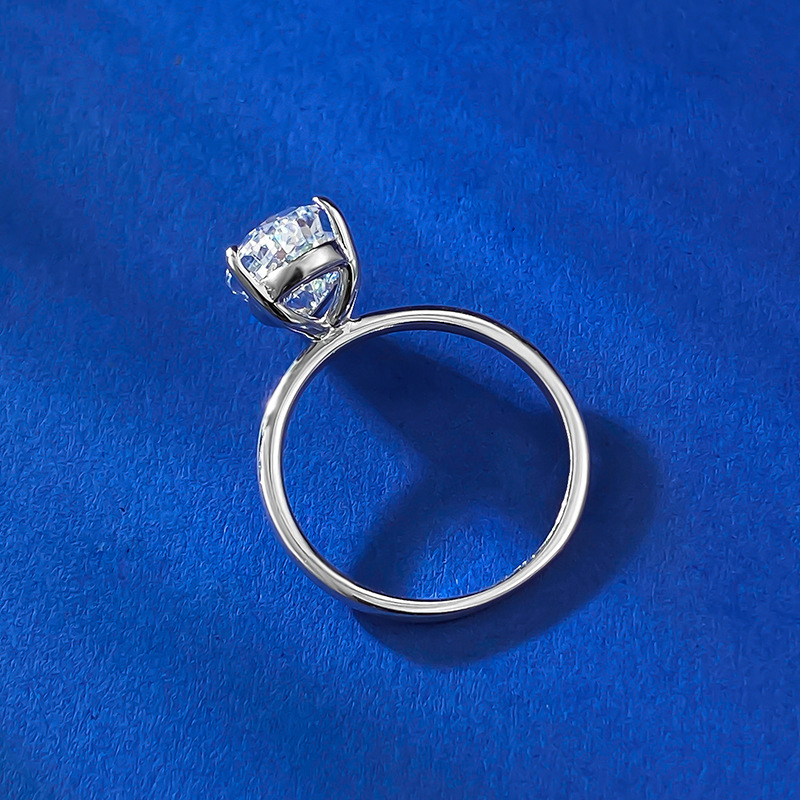
GIA Report for Pear Diamond: Compare Before You Buy
A GIA report for pear diamond buying gives you a clearer way to compare quality before you spend serious money. Pear-shaped diamonds can look elegant, bright, and larger than their carat weight suggests, but they also need a careful eye.
The shape has a rounded end, shoulders, wings, and a pointed tip. If one part looks uneven, the whole diamond can feel off. A report gives you the facts, while photos and videos show whether the stone has charm in real life.
Most shoppers compare three paths: a pear diamond with a GIA report, a diamond with IGI or GCAL paperwork, or a stone sold with limited documents. The right choice depends on budget, natural versus lab-grown preference, resale plans, and how much support the jeweler offers.
GIA, the Gemological Institute of America, is one of the most recognized grading labs in the diamond trade. Its reports list carat weight, color, clarity, measurements, polish, symmetry, fluorescence, and other details. A GIA report for pear diamond purchases does not replace your eyes, because GIA does not give pear shapes the same overall cut grade it gives round brilliant diamonds.
What a GIA Report for Pear Diamond Buying Really Tells You
A GIA report for pear diamond review gives you documented facts instead of a sales pitch. It confirms what the diamond is, how much it weighs, and how GIA graded its main quality factors.
That matters because fancy shapes vary more than round diamonds. Two pear diamonds can both weigh 1.50 carats, carry G color and VS2 clarity, and still look very different on the hand. One may look long and graceful. Another may look wider, darker in the center, or less balanced.
What does the report not tell you? It won't fully judge bow-tie strength, face-up sparkle, or whether the outline feels flattering. For that, you need magnified photos, 360-degree video, and a jeweler who knows fancy shapes.
When comparing a GIA report for pear diamond options, review these points first:
- Grading lab and report number
- Natural or lab-grown origin
- Measurements and length-to-width ratio
- Color, clarity, polish, symmetry, and fluorescence
- Bow-tie visibility in real imagery
- Return policy, warranty, appraisal, and insurance support
Shoppers feel most confident when the report, video, and expert review all point in the same direction. If one part raises a red flag, slow down before buying.
Why Certification Matters More for Pear-Shaped Diamonds
Diamond certification gives you a neutral record of the stone's core traits. A typical grading report verifies carat weight, color grade, clarity grade, measurements, polish, symmetry, fluorescence, and diamond origin.
For pear shapes, that paperwork carries extra weight because there is no simple cut-grade shortcut. With a round brilliant diamond, many buyers start with Excellent cut. With a pear diamond, you have to read several clues together: table, depth, ratio, symmetry, shoulder shape, wing shape, and light return.
A GIA report for pear diamond comparison also helps prevent overpaying. A documented G color VS2 pear diamond is easier to compare than a stone described only as "near colorless" and "eye clean." Those phrases may sound helpful, but they don't give you enough proof.
Option A: Choosing a Pear Diamond With a GIA Report
A pear diamond with a GIA report comes with independent grading from a highly trusted lab. That gives you a stronger baseline, especially for natural diamonds and higher-price engagement rings.
The most useful parts of a GIA report for pear diamond review include:
- Shape and cutting style: confirms the diamond is pear-shaped, often pear brilliant.
- Measurements: lists length, width, and depth in millimeters.
- Carat weight: confirms the exact weight of the stone.
- Color grade: places the diamond on GIA's D-to-Z color scale.
- Clarity grade: describes inclusions and blemishes.
- Polish and symmetry: show finish quality and outline precision.
- Fluorescence: notes the diamond's reaction to ultraviolet light.
- Comments: may disclose extra grading or identification details.
- Inscription number: helps match the report to the girdle inscription.
Measurements deserve close attention. A 1.50-carat pear diamond may measure about 10.0 x 6.3 mm, while another 1.50-carat pear may measure closer to 9.4 x 6.7 mm. The first will look longer. The second will look fuller.
GIA's 4Cs education explains how color, clarity, cut, and carat affect value. For pear diamonds, use that foundation, then add visual review. The report gives facts; the eye judges beauty.
Benefits of a GIA Report for Pear Diamond Shoppers
The main benefit of a GIA report for pear diamond buyers is confidence. A third-party lab grades the stone instead of the seller estimating quality.
That can affect price in a real way. The jump from H to G color, or from SI1 to VS2 clarity, can change the cost by hundreds or thousands of dollars in larger natural diamonds. A trusted report helps you understand what you're paying for.
GIA paperwork also supports online comparison. You can line up carat weight, color, clarity, measurements, fluorescence, and price across several diamonds. If one 2.00-carat pear costs much less than similar stones, the report may show why.
The document can help after the sale, too. Insurance providers often ask for a grading report or appraisal. A GIA report for pear diamond ownership gives future jewelers, insurers, and potential buyers a credible starting point.
Limits of a GIA Report
A GIA report is useful, but it doesn't answer every question. GIA does not give pear-shaped diamonds an overall cut grade, so the report won't tell you whether the stone is beautiful.
Two pear diamonds with the same grades may perform differently. One may have a soft bow-tie and lively sparkle. Another may show a dark center, uneven shoulders, or a point that looks too sharp.
Pair every GIA report for pear diamond review with:
- High-resolution photos from more than one angle
- 360-degree video in neutral lighting
- Magnified imagery for inclusions and facet pattern
- Expert review of bow-tie, outline, and symmetry
- A clear return policy so you can inspect the stone properly
The report lowers risk. It doesn't do the whole job.
Option B: IGI, GCAL, and Limited Paperwork
Not every good pear diamond carries a GIA report. Many lab-grown pear diamonds are graded by IGI, and some diamonds come with GCAL reports or other third-party documents.
IGI is common in the lab-grown diamond market. For shoppers who want a larger pear-shaped center stone at a lower price than a comparable natural diamond, an IGI report can be a practical option.
GCAL reports may include extra performance details, depending on the report type. Some include light performance, optical symmetry, or verification tools. That can be helpful for fancy shapes because standard grades don't predict sparkle by themselves.
A GIA report for pear diamond buying often carries stronger recognition for natural diamonds. A non-GIA report is not automatically weak. The lab, report details, imagery, return policy, and jeweler all matter.
Limited paperwork is different. An in-house appraisal may help with insurance replacement estimates, but it is not the same as independent grading. If a pear diamond has vague paperwork, missing measurements, or no lab report, ask more questions Before You Buy.
When Alternative Reports Make Sense
Alternative reports can work well when they come from reputable labs and include clear grading details. IGI reports often list whether a diamond is lab-grown, along with color, clarity, measurements, polish, symmetry, and inscription information.
Some reports may also show:
- Growth method for lab-grown diamonds
- Post-growth treatment details
- Laser inscription verification
- Light performance data on select report types
- Digital report access for authentication
For value-focused buyers, a certified lab-grown pear diamond can be a smart choice if it looks beautiful on video. You can compare certified lab-grown diamonds by carat weight, shape, and price before choosing a setting.
Risks of Limited Documentation
Risk rises when paperwork gets thin. A pear diamond sold with only a store appraisal, generic certificate, or verbal grade is hard to compare fairly.
You may not know whether color and clarity were graded consistently. You may also miss treatment details, fluorescence notes, or accurate measurements. Those gaps can lead to overpaying.
Inflated appraisal values can confuse buyers, too. A diamond purchased for $4,500 might receive a much higher insurance replacement value, but that doesn't mean it would resell for that amount.
For an engagement ring, don't rely on incomplete paperwork unless the jeweler offers strong imagery, expert help, and a return window you trust. A GIA report for pear diamond purchase gives a cleaner path when the budget is high.
GIA Report for Pear Diamond vs IGI, GCAL, and In-House Documents
A side-by-side comparison helps you match the report to your priorities. The goal isn't to crown one lab for every buyer. The goal is to know what each document can and can't do.
| Comparison Point | GIA Report | IGI Report | GCAL Report | Limited or In-House Paperwork |
|---|---|---|---|---|
| Grading authority | Highly recognized independent lab | Common independent lab, especially for lab-grown diamonds | Independent lab with select performance-focused reports | Seller-provided or non-independent paperwork |
| Common use | Premium natural diamonds and some lab-grown diamonds | Lab-grown selection and value comparison | Buyers who want added verification or performance data | Insurance estimates or basic sales records |
| Confidence level | Strong for grading consistency and recognition | Strong when report details are complete | Strong when the report includes detailed data | Variable and harder to verify |
| Pear-shape cut insight | No overall cut grade for pears | Proportions listed, visual review still needed | May include added performance details | Often limited or unclear |
| Bow-tie help | Not fully judged by report | Not fully judged by report | May be supported by imaging or data | Usually not documented well |
| Pricing expectation | Often supports trust in natural diamond pricing | Often competitive for lab-grown diamonds | Varies by report type and retailer | May look appealing but needs caution |
| Best fit | Buyers who want maximum documentation confidence | Lab-grown value shoppers | Detail-focused shoppers | Only buyers with strong jeweler protection |
StoneBridge Jewelry's view is simple: fancy shapes need both paperwork and a trained visual review. The report tells you what the diamond is. The video shows how it behaves.
A GIA report for pear diamond shoppers is often the preferred route for a premium natural diamond. A lab-grown pear with IGI or GCAL paperwork can also be a smart buy if the proportions, bow-tie control, report verification, and return policy are strong.
What to Check in Any Comparison
A useful comparison should include grading authority, report number, measurements, confidence level, pear-shape cut clues, bow-tie review, price, and return protection. These details move you from guessing to judging.
No lab report fully replaces visual assessment for pear diamonds. A report may say Very Good symmetry, but your eye still needs to check whether the rounded end, shoulders, wings, and point look balanced.
The best purchase is the one where the grading report, diamond video, price, and jeweler's guidance all support the same choice.
How to Read a GIA Report for Pear Diamond Details
Reading a GIA report for pear diamond buying starts with the basics. Confirm the shape, report number, and measurements before looking at color or clarity.
Shape and cutting style should identify the diamond as pear-shaped, often with a brilliant cutting style. Measurements show length, width, and depth in millimeters. Divide length by width to estimate the length-to-width ratio.
Many shoppers like pear diamonds around a 1.50 to 1.65 ratio. Lower ratios look fuller. Higher ratios look longer and slimmer. There is no single perfect number, but the outline should look balanced.
Carat weight measures weight, not face-up size. A 1.20-carat pear with a shallow build may look bigger than a deeper 1.30-carat pear. The larger-looking stone is not always better if it leaks light.
Color affects both price and appearance. In white gold or platinum, many buyers prefer G to I color for a near-colorless look. In yellow gold, a slightly warmer grade can still look lovely.
Clarity needs context. A VS2 pear may be eye-clean, and an SI1 may also work if inclusions are small and away from the center. Inclusions near the point or middle can be easier to spot.
Polish and symmetry matter for finish and shape. Excellent or Very Good grades are common targets. Fluorescence also deserves a look, especially if it is Strong or Very Strong.
Finish your GIA report for pear diamond review by checking the report number in GIA's online report lookup when available. If the diamond has a laser inscription, ask the jeweler to confirm it matches the document.
Details That Affect Beauty and Value
Symmetry is one of the most important report details for pear diamonds. The point should line up with the center of the rounded end, and the shoulders should feel even.
Polish and symmetry grades support quality, but they don't guarantee brilliance. A pear diamond can have Excellent polish and still show a strong bow-tie if the facet pattern doesn't handle light well.
Fluorescence can be neutral, helpful, or distracting. Faint or Medium fluorescence often has little visible effect. Strong fluorescence should be checked under more than one lighting condition.
For a GIA report for pear diamond purchase, focus hardest on measurements, ratio, symmetry, fluorescence, and clarity placement. Then let video confirm the sparkle.
Who Should Choose a GIA-Reported Pear Diamond?
A GIA-reported pear diamond is a strong fit if you want trusted documentation, easy comparison, and cleaner records for insurance. It is especially helpful for natural Diamond Engagement Rings and higher carat weights.
Choose a GIA report for pear diamond confidence if you're comparing stones above $3,000, $5,000, or $10,000. At those levels, small grade differences can change value in a meaningful way.
Alternative reports may fit better if you're focused on lab-grown value, larger size, or specific performance data. A lab-grown pear diamond with IGI or GCAL paperwork can offer excellent beauty for the price when the visuals support the grades.
Engagement ring buyers should prioritize independent grading, clear imagery, and expert support. You can explore pear diamond engagement ring settings or use our ring builder to see how different settings change the look of the center stone.
Best Fit by Buyer Type
Premium buyers should look for a GIA report for pear diamond options with balanced proportions, minimal bow-tie, and strong videos. The report should support a stone that already looks beautiful.
Lab-grown value buyers should compare GIA, IGI, and GCAL reports. Prioritize verified report numbers, high-resolution video, and a return policy that gives you time to inspect the diamond.
Cautious online shoppers should avoid undocumented pear diamonds. Ask for magnified photos, videos, measurements, and a direct explanation of bow-tie visibility before placing an order.
Style-focused buyers should think about the setting early. A halo, solitaire, three-stone design, or east-west setting can change how a pear diamond reads on the hand. You can also browse fine jewelry designs for setting inspiration.
Our Recommendation for Most Pear Diamond Shoppers
Most shoppers should choose a pear diamond with an independent grading report. For natural pear diamonds and higher-value engagement rings, a GIA report is often the safest starting point.
The best diamond is not always the one with the most famous report. The better choice is the stone with verified specs, a graceful outline, balanced proportions, controlled bow-tie, fair price, and a jeweler who will answer direct questions.
Use this buying order:
- Decide between natural and lab-grown.
- Set your carat and budget range.
- Compare independently graded diamonds first.
- Review measurements and length-to-width ratio.
- Watch videos for bow-tie and sparkle.
- Ask an expert to compare your finalists.
- Confirm return policy and insurance paperwork.
A GIA report for pear diamond buying gives you a strong foundation because it reduces guesswork. Your final choice should still consider the setting, your style, and how the diamond looks in motion.
For premium confidence, StoneBridge Jewelry recommends GIA-graded pear diamonds with balanced proportions and clear visual documentation. For value, certified lab-grown pear diamonds with GIA, IGI, or GCAL reports can be excellent options. If you want help reading a report or comparing two stones, contact our jewelry experts Before You Buy.
Ready to Compare Pear Diamonds?
Start with a GIA report for pear diamond options if documentation confidence is your top priority. This is especially wise for natural diamonds and premium engagement rings.
If lab-grown value matters more, compare certified pear diamonds from GIA, IGI, and GCAL. Look for verified report numbers, clean videos, balanced outlines, and a return policy that gives you room to inspect the stone.
The right pear diamond should look good on paper and beautiful in real life. That's the standard worth holding.
FAQ
Is a GIA report for pear diamond purchases worth it?
Yes, a GIA report for pear diamond purchases is worth it for many buyers, especially for natural diamonds and higher budgets. It documents carat weight, color, clarity, measurements, polish, symmetry, and fluorescence through an independent lab. You'll still need video and expert review because pear diamonds don't receive a full GIA cut grade. Use the report as proof, then use your eyes to judge beauty.
Does GIA grade the cut of pear-shaped diamonds?
GIA does not assign an overall cut grade to pear-shaped diamonds the way it does for round brilliant diamonds. That means a GIA report for pear diamond buying won't fully predict bow-tie, sparkle, or outline appeal. Check symmetry, polish, measurements, and ratio on the report. Then compare videos under neutral lighting before choosing.
What should I look for on a GIA report for a pear diamond?
Start with the report number, shape, measurements, carat weight, color, clarity, polish, symmetry, and fluorescence. For a pear diamond, the length-to-width ratio and symmetry deserve extra attention because they affect how balanced the stone looks. Also check comments and any laser inscription details. After that, review magnified images to see inclusion placement and bow-tie strength.
Is GIA better than IGI for a lab-grown pear diamond?
GIA has very strong recognition for grading consistency, while IGI is widely used for lab-Grown Diamond Reports. For a lab-grown pear diamond, the better choice depends on price, availability, report detail, and how the stone looks in video. A GIA report for pear diamond shoppers may feel more familiar, but a well-documented IGI or GCAL report can still support a smart purchase. Always verify the report number before buying.
Can two pear diamonds with the same GIA grades look different?
Yes, two pear diamonds with similar GIA grades can look very different face up. Pear shapes vary in outline, shoulder balance, wing shape, bow-tie visibility, and light performance. A GIA report for pear diamond comparison confirms the main specs, but it won't rank those visual traits for you. Compare videos side by side and ask for an expert opinion if you're unsure.
Ready to Find Your Perfect Diamond?
Explore our collection of certified lab-grown diamonds
Shop Diamonds