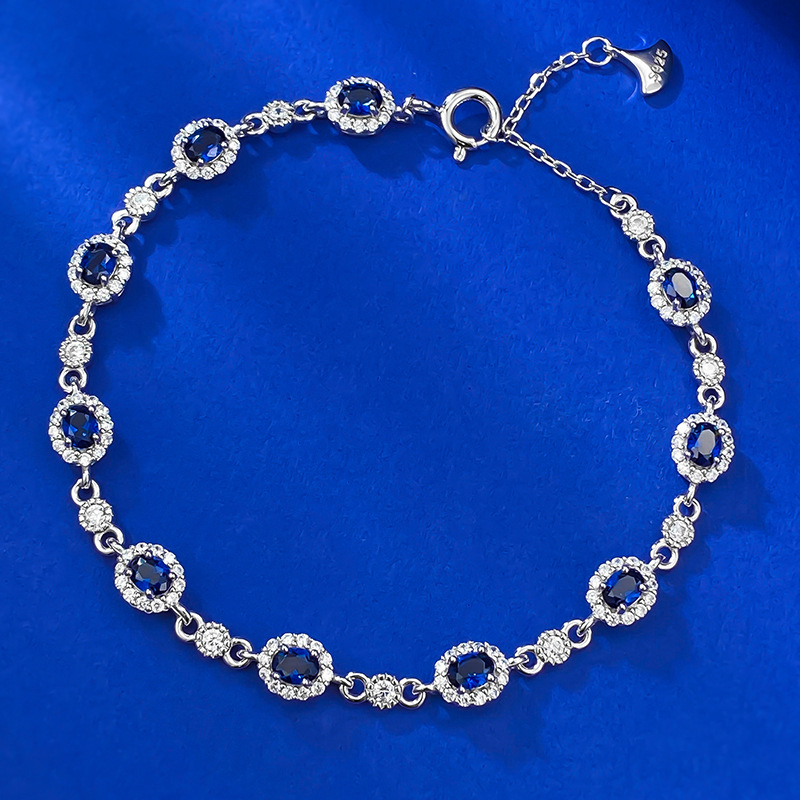
Fine Jewelry Warranty Coverage Appeal Letter Guide for Smart Buyers
A Fine Jewelry Warranty coverage appeal letter can help when a repair claim is denied, reduced, or left unclear. Still, the best time to think about warranty support is Before You Buy. A ring, bracelet, necklace, or pair of diamond earrings should come with more than sparkle. It should come with clear product details, care guidance, and a realistic service path.
StoneBridge Jewelry works with shoppers choosing premium lab-grown diamond Jewelry for Proposals, anniversaries, milestones, and everyday wear. In my years helping customers compare settings, stones, and service details, I’ve seen the same pattern again and again: buyers feel far more confident when they understand the warranty before checkout, not after a prong bends or a clasp starts slipping.
Fine jewelry often ranges from a few hundred dollars for classic diamond studs to several thousand dollars for engagement rings, depending on carat weight, metal, setting style, and grading details. That investment deserves good records, clear expectations, and a little common sense from the start (trust me, I’ve seen a missing receipt turn a simple service question into a headache).
What a Fine Jewelry Warranty Appeal Letter Actually Does
A Fine Jewelry Warranty Coverage appeal letter is a formal request for another review after a warranty claim has been denied or only partly approved. You may send it to a retailer, manufacturer, or warranty company when you believe a repair, replacement review, or service request deserves a closer look.
Common issues include loose stones, clasp failure, bent prongs, setting concerns, metal defects, or problems that appear tied to the original craftsmanship. The letter should explain what happened, why you think the warranty applies, and what evidence supports your request.
Here’s the practical question: would a reviewer understand your case in five minutes? If not, the letter needs better structure. A strong appeal includes dates, photos, product details, warranty language, and a clear request.
The smarter move is to reduce the chance of needing an appeal. Before buying engagement rings, wedding bands, tennis bracelets, pendants, or fine jewelry gifts, read the warranty with the same care you give to diamond shape and metal color. A proposal ring carries a lot of emotion, and the last thing anyone wants is confusion over coverage during such a meaningful season.
Why Warranty Terms Matter Before You Buy
Fine jewelry is made for regular wear, but it isn’t damage-proof. Rings hit countertops. Bracelets catch on sleeves. Necklaces rub against skin and fabric. Earrings depend on small posts, hinges, backs, or clasps.
A warranty usually covers eligible defects in materials or workmanship for a set period. It does not replace jewelry insurance, a return policy, or routine care. Those are different forms of protection.
A service plan may include cleaning, inspections, resizing, rhodium plating, or selected maintenance. Jewelry insurance may cover theft, loss, or accidental damage, depending on the policy. A return policy controls whether you can send an item back within a stated window after delivery.
Before you rely on a Fine Jewelry Warranty coverage appeal letter, know what the original warranty promised. Review these points before checkout:
- Coverage period: one year, several years, or lifetime coverage under certain conditions
- Covered repairs: manufacturing defects, stone tightening, prong repair, clasp repair, or metalwork
- Exclusions: normal wear, lost stones, impact damage, chemical exposure, or outside repair
- Required records: invoice, order number, appraisal, certificate, photos, or inspection history
- Inspection rules: professional checks every 6 to 12 months for frequently worn rings or bracelets
- Repair process: whether you need written approval before any jeweler works on the piece
Consumer protection agencies often advise shoppers to keep copies of warranty terms at the time of purchase. That matters because online product pages and policies can change. Honestly, I think this is one of the most overlooked parts of buying jewelry online: people save screenshots of ring inspiration, but not the warranty terms that protect the actual purchase.
Fine Jewelry Warranty Coverage Appeal Letter Evidence to Save
Good records make your appeal easier to review. They also make your purchase easier to insure, service, or appraise later.
Save these items in a digital folder:
- Order confirmation and invoice
- Warranty terms active on the purchase date
- Diamond certificate or grading report
- Appraisal or insurance documentation
- Original product description and specifications
- Delivery photos and later condition photos
- Inspection notes from authorized jewelers
- Repair estimates and written assessments
- Emails, chat transcripts, and claim responses
A Fine Jewelry Warranty coverage appeal letter supported by organized evidence is stronger than one based only on memory. The reviewer can see what you bought, when the issue appeared, and how you handled the piece.
I’ve helped customers prepare service requests where one clear close-up photo and a simple timeline made the whole conversation easier. The best requests usually include the order number, a few sharp photos, and a short explanation of what changed.
Manufacturing Defect or Normal Wear?
A manufacturing defect is a problem connected to how the jewelry was made. A clasp that fails soon after purchase during normal use may qualify for review. So might a stone that loosens because the setting was formed poorly.
Normal wear is different. Gold can scratch. Platinum can develop a soft patina. White gold rhodium plating can fade. Prongs can thin after years of contact with desks, handbags, gym equipment, fabric, and other rings.
Diamonds rank 10 on the Mohs hardness scale, which makes them highly scratch-resistant. The setting still needs care. Gold, platinum, posts, prongs, links, and clasps can bend or wear long before the diamond itself shows a problem.
Warranty providers usually separate defects from accidental damage. A stone lost after a hard hit against tile may be handled differently from a stone that loosens soon after delivery. Unauthorized repair can also make the original issue harder to judge.
This distinction sits at the center of any Fine Jewelry Warranty coverage appeal letter. Explain why the problem appears linked to a covered defect rather than impact, gradual wear, misuse, or outside alteration.
Lab-Grown Diamond Jewelry and Warranty Value
Lab-grown diamonds are real diamonds. GIA explains that laboratory-grown diamonds have the same chemical composition and crystal structure as natural diamonds. They are created through methods such as HPHT or CVD growth.
IGI and GIA-style grading reports may list cut, color, clarity, carat weight, measurements, polish, symmetry, fluorescence, and laser inscription details. Those details help confirm what you bought.
Even with a well-graded diamond, the setting matters. A 1.50 carat oval lab-grown diamond in a delicate hidden halo faces different durability questions than a bezel-set Round Diamond Pendant. A pavé engagement ring may need more frequent inspections than a plain gold band.
Metal choice also affects service needs. 14K gold, 18K gold, platinum, and sterling silver each wear differently. Prong settings show more diamond, while bezel settings offer more edge protection. Pavé and micro-pavé designs add shimmer but include many small stones that need careful care.
Here’s what nobody tells you: the prettiest setting in a photo is not always the easiest setting to maintain. That doesn’t mean you should avoid delicate details if you love them. It means you should buy with your real life in mind, especially for a ring you plan to wear every day.
If you’re comparing stones before choosing a setting, you can shop lab-grown diamonds and review shape, carat weight, and grading details. For finished pieces, browse fine jewelry with product details that make future service conversations simpler.
How to Write a Fine Jewelry Warranty Coverage Appeal Letter
A Fine Jewelry Warranty coverage appeal letter is not a louder complaint. It is a clear request for reconsideration based on facts.
Keep it short, polite, and specific. The reviewer should be able to identify the item, understand the issue, see the evidence, and know what outcome you want.
Include these details:
- Product information: style number, order number, metal type, diamond shape, carat weight, and setting style
- Purchase record: purchase date, retailer, invoice number, and warranty reference
- Issue description: what happened, when it began, and what symptoms you can see
- Care history: cleaning habits, storage method, inspection records, and wear details
- Denial reason: the exact reason the claim was rejected or limited
- Supporting proof: photos, inspection notes, repair estimates, appraisals, certificates, and emails
- Requested outcome: repair approval, replacement review, store credit, escalation, or warranty reconsideration
Use plain language. For example: “On March 4, I noticed the center stone moved slightly when touched with a clean fingertip.” That helps more than “the ring is defective.”
A good Fine Jewelry Warranty coverage appeal letter should also be honest. If the ring was resized, say who did the work and when. If the bracelet was worn daily, explain how it was cleaned and stored. If another jeweler inspected it, include the written note.
What Not to Put in a Jewelry Warranty Appeal
Avoid vague claims, edited photos, missing dates, or angry language. Pressure tactics rarely help. Facts do.
Don’t authorize outside repair before the warranty provider reviews the item unless urgent action is needed to prevent loss or safety risk. If a stone feels loose, stop wearing the piece. If a clasp no longer closes securely, store the bracelet or necklace safely and contact the retailer.
A Fine Jewelry Warranty coverage appeal letter can lose strength if the item has been altered without approval. Many warranties limit coverage after third-party resizing, stone resetting, soldering, or structural work.
One more friendly warning: don’t keep wearing a piece “just for the weekend” if something already feels off. I know it’s tempting before a wedding, trip, or anniversary dinner, but a loose stone or weak clasp can turn a small repair into a much bigger problem (yes, even on a budget).
Online Shopping Confidence Starts With Clear Details
Online Jewelry Shopping raises fair questions. Will the ring fit? Will the bracelet feel secure? Is the diamond size right for daily wear? What happens if a prong catches or a clasp feels weak?
Detailed product pages answer many of those questions. Look for metal type, measurements, carat weight, diamond shape, setting description, certificate details, care guidance, warranty terms, and customer service access.
Before You Buy, compare more than price. A lower price may look appealing, but unclear specifications can create stress later. A well-documented lab-grown diamond ring with a clear warranty may offer better peace of mind than a cheaper piece with only a product photo.
For engagement rings, this matters even more. That ring may be tied to the moment you ask a life-changing question, the first happy phone calls after “yes,” and years of everyday memories. A little extra clarity upfront helps protect the joy around the purchase, not just the jewelry itself.
You can explore engagement rings by style, shape, and setting type. If you’re designing a ring from the start, use the ring builder to pair a diamond with a setting that matches your taste and wear habits.
Pricing, Service, and Long-Term Value
Fine jewelry value includes diamond quality, metal type, setting construction, design complexity, warranty clarity, care requirements, and support access. The purchase price is only one part of the decision.
Consider two lab-grown diamond rings with similar center stones. One includes a grading report, metal purity, setting details, care instructions, and written warranty terms. The other lists only carat weight and a photo. Even if the second ring costs less, the first gives you more to verify.
Daily-wear pieces need special attention. Engagement rings may be worn 12 to 16 hours a day. Tennis bracelets move with the wrist and depend on secure links and clasps. Necklaces may see less impact, but chains and bails still need strength.
| Jewelry Type | Common Wear Risks | Warranty Questions to Ask | Value Factors to Compare |
|---|---|---|---|
| Engagement rings | Prong wear, loose stones, resizing stress | Are prong checks or stone tightening covered? | Diamond grade, setting durability, metal type, sizing rules |
| Wedding bands | Scratches, dents, fit changes | Does resizing affect coverage? | Metal purity, width, finish, comfort fit |
| Tennis bracelets | Clasp weakness, link wear, impact | Are clasp repairs or stone security reviewed? | Total carat weight, clasp style, metal strength |
| Diamond earrings | Bent posts, loose backs, stone movement | Are post or backing defects covered? | Back type, stone size, setting quality |
| Necklaces and pendants | Chain breaks, clasp wear, bail stress | Is chain repair covered or excluded? | Chain gauge, clasp type, pendant setting |
A fine jewelry warranty coverage appeal letter may help later, but buying a better-documented piece is the stronger first step.
Fit, Care, and Everyday Wear
Fit affects durability. A loose ring can spin and hit surfaces more often. A tight ring may need resizing sooner. Eternity bands, pavé shanks, and mixed-metal designs may have resizing limits.
Bracelets should move slightly without sliding enough to catch often. Necklaces should sit where they don’t twist or rub constantly. Earrings should use backs or closures that fit your Comfort and Security needs.
Care habits matter too. Clean diamond jewelry with mild soap, warm water, and a soft brush unless your jeweler gives different instructions. Dry each piece with a lint-free cloth. Store jewelry separately to reduce scratches and chain tangles.
Remove fine jewelry before swimming, cleaning, heavy lifting, gardening, high-impact workouts, or using harsh chemicals. Chlorine, bleach, and abrasive cleaners can damage metals, finishes, and some gemstones.
Check frequently worn pieces at home. Look for prongs that catch fabric, stones that shift, weak clasps, kinked links, or a change in fit. Jewelers commonly suggest professional inspections once or twice a year for rings and bracelets worn most days.
I’ve helped hundreds of couples choose engagement rings, and my most practical advice is not glamorous at all: choose a Ring That Fits your love story and your Tuesday morning routine. If you work with your hands, travel often, lift weights, or never take your jewelry off, those habits should shape the setting you choose.
If you’re unsure about fit, review our ring size guide before ordering. For help comparing styles, care needs, or service details, contact our jewelry experts Before You Buy.
Before You File a Fine Jewelry Warranty Coverage Appeal Letter
Before filing, gather the claim denial, original warranty, receipt, photos, certificate, inspection notes, and all service messages. Read the denial carefully. Sometimes the missing piece is a document, not a final rejection.
Then write a concise fine jewelry warranty coverage appeal letter with a simple timeline. State what happened, why you believe coverage applies, and what resolution you want. Attach only clear, useful evidence.
Ask for a specific next step, such as review by a senior jeweler, repair approval, replacement review, or written explanation of the denial. Keep the tone calm. You’ll sound more credible, and the file will be easier to evaluate.
Buy With Better Protection From the Start
Understanding warranty terms before buying helps you choose fine jewelry with more confidence. If a claim is ever denied or limited, a fine jewelry warranty coverage appeal letter gives you a practical way to ask for review.
The strongest appeal starts long before a problem appears. Save your documents, photograph the piece when it arrives, follow care instructions, schedule inspections, and contact the retailer before outside repairs.
StoneBridge Jewelry offers premium lab-grown diamond engagement rings, wedding bands, diamond earrings, tennis bracelets, pendants, and fine jewelry gifts for shoppers who value beauty and clear product details. Shop with intention, keep your records, and care for each piece well. That’s the kind of protection that keeps your jewelry easier to enjoy, easier to service, and easier to pass through life’s best moments with confidence.
Ready to Find Your Perfect Diamond?
Explore our collection of certified lab-grown diamonds
Shop Diamonds