Fine Jewelry Warranty Term Comparison Memo for Smart Buyers
A Fine Jewelry Warranty term comparison memo gives you a calmer way to shop. It helps you compare coverage, exclusions, repairs, resizing, inspections, and insurance before you choose a ring, necklace, bracelet, earrings, or fine jewelry gift.
Beautiful jewelry should feel exciting, not risky. The best choice is not always the brightest diamond or the lowest price. You also want secure settings, clear metal details, honest care guidance, and support after checkout.
At StoneBridge Jewelry, we've found that customers feel more confident when they understand the care side of ownership before they buy. I've helped many couples compare engagement rings side by side, and the ones who ask warranty questions early almost always feel more relaxed later. That matters most for pieces worn every day, such as engagement rings, wedding bands, diamond studs, tennis bracelets, and delicate chains.
Fine Jewelry Warranty Term Comparison Memo: What to Check First
A Fine Jewelry Warranty term comparison memo starts with one question: what does the retailer actually promise? Some warranties cover eligible manufacturing defects. Others include limited services, such as cleaning or inspection. A warranty may sound generous, but the details decide its real value.
Look for the start date, coverage length, proof-of-purchase rules, and repair process. Ask whether the warranty applies only to the original buyer. Check whether outside repairs, resizing, or stone replacement can affect future coverage.
Daily-wear jewelry needs extra attention. Rings touch desks, car doors, gym equipment, luggage, countertops, and cleaning products. Necklaces deal with chain stress. Earrings rely on secure posts, hinges, and backs. Bracelets take more knocks than many shoppers expect (trust me, I've seen it happen).
For lab-grown diamond jewelry, the warranty review usually centers on craftsmanship rather than the diamond itself. GIA explains that laboratory-grown diamonds have essentially the same chemical composition, crystal structure, and optical properties as natural diamonds. The difference is origin, while the setting still needs careful construction.
Why Warranty Terms Affect Real Jewelry Value
A Fine Jewelry Warranty term comparison memo belongs beside your diamond specs and metal choice. Price reflects the stone, setting, labor, finishing, and brand service standards. Long-term value also depends on what happens if a prong bends, a clasp fails, or a ring needs sizing.
The clearest policies separate four protections:
| Protection Type | What It Usually Covers | What to Ask Before Buying |
|---|---|---|
| Product warranty | Eligible manufacturing defects | What counts as a workmanship issue? |
| Service policy | Cleaning, inspection, resizing, or maintenance | Is the service included or fee-based? |
| Return policy | Eligible returns during a set window | Can I return an unworn piece if it is not right? |
| Jewelry insurance | Loss, theft, disappearance, or accidental damage | Do I need a separate policy? |
Do not assume these protections overlap. A product warranty rarely replaces insurance. It also may not cover normal wear, impact damage, chemical exposure, or lost jewelry.
Specific numbers help you compare quality. For example, 14K gold contains 58.3% pure gold, while 18K gold contains 75% pure gold. Diamond hardness is 10 on the Mohs scale, but the metal, prongs, and tiny accent stones still need regular checks.
Warranty vs. Insurance vs. Care Plan
A warranty usually addresses eligible defects linked to manufacturing. That may include a faulty clasp, a weak solder joint, or a setting issue caused by workmanship. It usually does not cover a ring crushed at the gym or a bracelet lost on vacation.
Jewelry insurance handles a different risk. Depending on the policy, it may cover loss, theft, mysterious disappearance, travel, or accidental damage. High-value engagement rings, diamond earrings, and tennis bracelets are common candidates for separate coverage.
A care plan may include cleanings, polishing, prong checks, rhodium plating, or stone tightening. Ask whether these services are included, optional, time-limited, or billed separately. If the answer feels vague, pause before checkout.
Key Warranty Terms to Compare Before Checkout
A useful Fine Jewelry Warranty term comparison memo turns policy language into real-life questions. You do not need legal training. You need to know how the policy works if something goes wrong.
Start with coverage duration. A limited lifetime warranty can sound stronger than a one-year warranty, but the word limited matters. Some policies require inspections every 6 or 12 months. If you miss those records, the retailer may limit coverage.
Next, check covered defects. Manufacturing defects may include faulty clasps, weak soldering, poorly finished prongs, loose settings from workmanship, or structural issues that appear under normal wear. Reputable jewelers usually separate those problems from scratches, dents, thinning prongs, stretched chains, and impact damage.
Read the exclusions with the same care. Most warranties do not cover loss, theft, accidental impact, improper cleaning, chlorine exposure, harsh chemicals, or work performed by an unauthorized jeweler. A stone that loosens after a clear setting problem may be treated differently from a stone lost after a hard hit.
Use this Fine Jewelry Warranty term comparison memo checklist Before You Buy:
- Coverage length and start date
- Proof-of-purchase requirements
- Covered manufacturing defects
- Normal wear and accidental damage exclusions
- Resizing rules and limits
- Loose stone or missing stone process
- Inspection or maintenance requirements
- Repair shipping, cost, and timing
- Effect of third-party repairs
- Insurance recommendations for high-value pieces
Coverage Duration and Eligibility
Coverage length can vary from one year to limited lifetime. A longer term helps only if the eligibility rules fit your habits. If the policy requires regular inspections, save every inspection record.
Eligibility often depends on original ownership, proper care, proof of purchase, and no unauthorized changes. If another jeweler resizes the ring, adjusts prongs, replaces a stone, or repairs a clasp, the original retailer may not be able to stand behind the altered work.
Keep your documents together. Save receipts, order confirmations, diamond grading reports, appraisal paperwork, warranty details, repair emails, and service records. IGI and GIA reports can help confirm lab-grown diamond specifications, while appraisals can support insurance coverage.
Manufacturing Defects and Common Exclusions
Manufacturing defects are issues tied to how the piece was made. A clasp that fails under normal use, a solder joint that opens too soon, or a prong that was not finished correctly may fall into this category.
Common exclusions include scratches, dents, worn prongs, bent bands, pulled chains, lost stones after impact, theft, chlorine damage, and improper cleaning. White gold rhodium wear is also usually maintenance, not a defect.
If the wording feels unclear, ask before you pay. A good answer about prong tightening, resizing, repair shipping, or loose stones can save you stress later.
Lab-Grown Diamond Warranty Notes for Rings and Fine Jewelry
A Fine Jewelry Warranty term comparison memo is especially helpful when you shop online for lab-grown diamonds. Many buyers compare several stones, settings, and retailers in one sitting. Clear policies make those comparisons easier.
GIA notes that lab-grown diamonds share the essential physical and chemical properties of mined diamonds. They are still graded by familiar factors such as carat weight, color, clarity, cut, polish, symmetry, and fluorescence. The finished piece depends on more than the center stone.
Prongs, bezels, basket construction, gallery rails, pavé layout, shank thickness, chain gauge, and clasp style all affect wear. A 1.6 mm band may look delicate and refined. A 2.0 mm or 2.2 mm band may feel more substantial for everyday wear. The better choice depends on the wearer, the setting, and the care routine.
Lifestyle should guide the setting. A nurse, chef, athlete, gardener, or mechanic may need a lower-profile design or stronger care routine. Someone who removes jewelry during hands-on work may feel comfortable with a more delicate style.
Honestly, I think this is where shoppers can save themselves the most regret: choose the setting for the life it will actually live, not just the photo that looks prettiest online. StoneBridge shoppers can explore lab-grown diamond engagement rings, compare stone shapes, and review setting details before buying. If you want to choose the diamond and setting together, try our ring builder for a more tailored comparison.
Engagement Rings and Wedding Bands
Engagement rings and wedding bands deserve careful warranty review because they are high-contact pieces. They move through handwashing, travel, work, cooking, exercise, and sleep. Even careful wearers put pressure on rings.
Review resizing rules early. A plain solitaire is often easier to resize than an eternity band, tension-style ring, engraved band, or pavé design. Stones set around the full band can make resizing difficult or impossible.
White gold buyers should ask about rhodium plating. Rhodium gives white gold its bright finish, but it wears over time. Replating is usually routine maintenance rather than warranty work.
When someone is choosing a ring for a proposal, there is usually a lot of emotion in the room, even if the shopping happens online. The ring carries a promise, a plan, and a little bit of nerves. A clear warranty will not make the proposal more romantic, but it can make the buyer breathe easier before the big moment.
Necklaces, Earrings, Bracelets, and Gifts
Necklaces need chain and clasp review. Compare chain gauge, link style, pendant bail construction, and clasp type. A thin chain can look elegant, but it will not tolerate pulling or rough storage.
Earrings raise different questions. Diamond studs need secure baskets or prongs. Hoops depend on hinges and closures. Screw backs, friction backs, and locking backs each feel different in daily use.
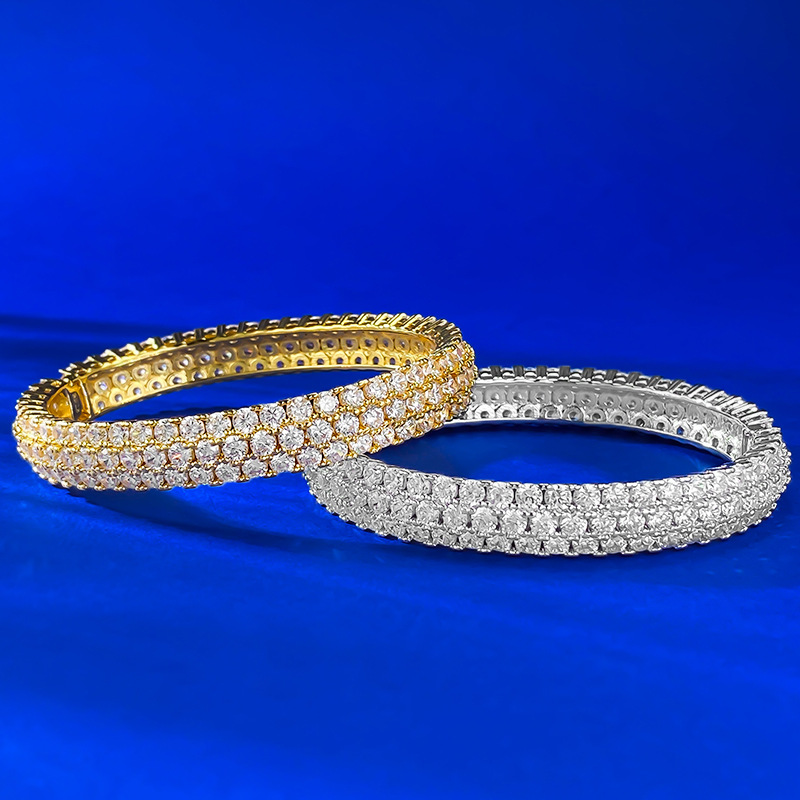
Bracelets deserve special care because they hit more surfaces. Tennis bracelets need flexible construction, secure settings, and a reliable clasp. Before choosing a gift, browse the fine jewelry collection and check metal type, stone setting, chain length, and care notes.
I always like when a gift feels beautiful and practical at the same time (yes, even on a budget). A necklace that sits at the right length, earrings with backs the recipient will actually wear, or a bracelet with a secure clasp can feel more personal than simply choosing the biggest sparkle.
Pricing, Ownership Cost, and Warranty Confidence
A Fine Jewelry Warranty term comparison memo can reveal value that price alone hides. Two rings may both feature a 1.50 carat lab-grown diamond in 14K gold. One may still offer clearer documentation, stronger setting details, easier service access, and better long-term support.
Fine jewelry pricing depends on diamond size, shape, color, clarity, cut quality, metal type, total carat weight, setting complexity, labor, finishing, and certification. A round brilliant diamond with excellent cut precision may price differently from an oval, emerald, radiant, pear, or cushion cut with different proportions.
Total cost of ownership includes more than the first purchase. Over time, you may pay for resizing, professional cleaning, polishing, rhodium plating, clasp repair, prong work, stone tightening, appraisal updates, or insurance premiums. Jewelers often recommend professional ring inspections at least once or twice a year for frequently worn pieces, especially pavé and shared-prong designs.
Use this comparison table when two pieces look similar:
| Buying Factor | Lower-Confidence Signal | Stronger-Confidence Signal |
|---|---|---|
| Warranty wording | Hard to find or unclear | Clear coverage, limits, and process |
| Diamond documentation | No report for major stones | IGI, GIA, or another recognized lab report |
| Metal details | Metal purity not listed | Specific 14K, 18K, platinum, or sterling details |
| Setting design | Delicate design with no care notes | Design details paired with wear guidance |
| Service access | Hard-to-reach support | Clear contact path and repair instructions |
| Resizing policy | Not mentioned | Limits and fees explained before checkout |
A lower price can be tempting. Vague repair terms or broad exclusions may cost more later. Here's what nobody tells you: the cheapest ring is not always the most affordable ring after resizing, maintenance, repairs, and insurance enter the picture. For a more informed comparison, shop lab-grown diamonds with grading details and match them to settings that fit your lifestyle.
Fine Jewelry Warranty Term Comparison Memo Before You Buy
Use a Fine Jewelry Warranty term comparison memo as your final checkpoint. It keeps the purchase practical without taking away the joy. The goal is simple: choose jewelry that suits your style, budget, routine, and care habits.
Start with sizing. Wider bands often fit more snugly than narrow bands in the same size. Fingers can change with heat, cold, travel, salt intake, and time of day. If possible, get measured by a professional or use a reliable sizing tool before ordering.
Review metal choice next. 14K gold offers durability and value. 18K gold has a richer gold content and slightly softer feel. Platinum is dense, naturally white, and popular for engagement rings and wedding bands. Sterling silver can be lovely, though it may need more polishing.
Match the design to the wearer. A low-profile bezel may suit an active person better than a high solitaire. A delicate chain may be perfect for occasional wear, but not for someone who sleeps in necklaces. For gifts, consider ring size, chain length, earring back style, and preferred metal color.
Before checkout, read the product page, warranty terms, care guidance, and return policy. If one detail affects your decision, ask StoneBridge Jewelry before buying. Our customers often tell us that one sizing or care question helped them avoid a costly guess.
Care Habits That Help Protect Coverage
Good care supports both beauty and warranty eligibility. Store pieces separately, clean them with methods suited to the metal and stones, and schedule routine checks for prongs, clasps, and settings.
Avoid chlorine, bleach, abrasive cleaners, heavy impact, and rough workouts while wearing fine jewelry. Use caution with ultrasonic cleaners because some settings and gemstones are not good candidates. If a stone feels loose or a clasp starts sticking, stop wearing the piece until it can be checked.
Unauthorized repairs may affect coverage. Contact the retailer first if you notice a bent prong, misshapen band, loose stone, or broken clasp. Quick action often prevents a small repair from becoming a missing-stone claim.
Shop StoneBridge Jewelry With Clear Warranty Expectations
A fine jewelry warranty term comparison memo helps you buy with fewer surprises. It gives you a simple way to compare coverage length, manufacturing defect protection, exclusions, resizing rules, inspection needs, repair steps, and insurance options.
StoneBridge Jewelry pairs premium lab-grown diamonds with clear product information and buyer-focused support. Whether you are choosing an engagement ring, wedding band, necklace, bracelet, earrings, or a meaningful gift, review the details before checkout.
Ready to compare styles? Start with lab-grown diamond engagement rings, shop certified lab-grown diamonds, or build a custom ring. If you need help before purchase, contact our jewelry experts and ask the practical questions now.
Use this fine jewelry warranty term comparison memo as your last review step. Then choose the piece that gives you beauty, documentation, craftsmanship, and confidence you can actually feel.
Ready to Find Your Perfect Diamond?
Explore our collection of certified lab-grown diamonds
Shop Diamonds