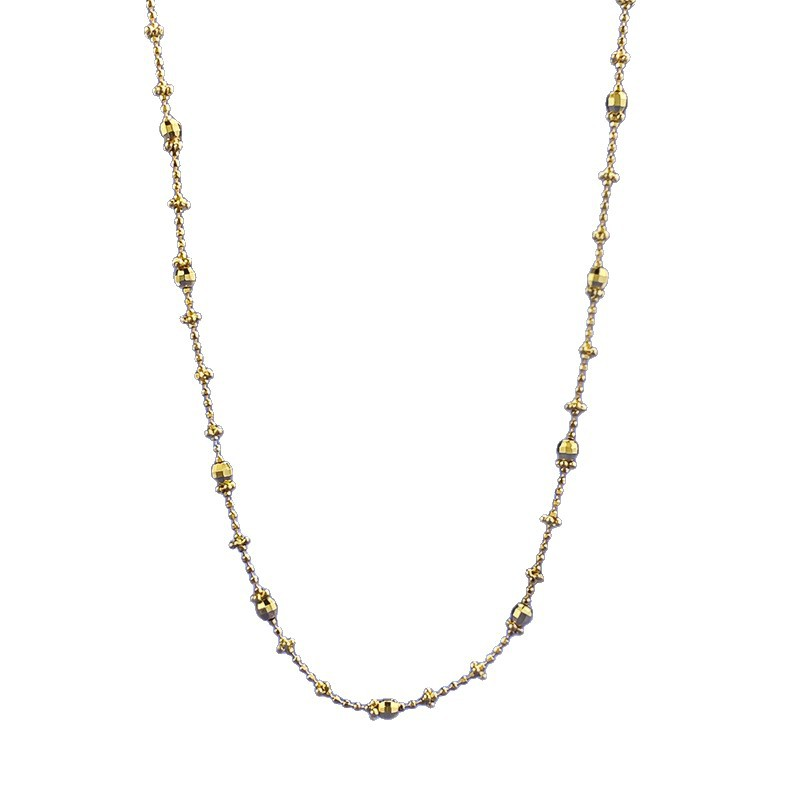
Fine Jewelry Warranty Coverage Timeline File for Confident Buying
A Fine Jewelry Warranty coverage timeline file helps you understand protection Before You Buy, not after something feels loose or looks worn. It keeps your receipt, order details, warranty terms, diamond report, appraisal, photos, inspection notes, and service history in one place.
That simple folder can save real stress. If a prong catches on fabric, a clasp stops clicking cleanly, or a ring fit changes, you'll know what was purchased, when coverage started, and which documents support the next step.
StoneBridge Jewelry works with shoppers choosing lab-grown diamond engagement rings, wedding bands, diamond earrings, necklaces, bracelets, and everyday fine jewelry. Customers feel more confident when they understand the piece and the paperwork before checkout.
A warranty can help with qualifying craftsmanship concerns. It doesn't replace careful wear, routine inspections, safe storage, or jewelry insurance. Your Fine Jewelry Warranty coverage timeline file connects those pieces so ownership feels easier from day one.
What Is a Fine Jewelry Warranty Coverage Timeline File?
A Fine Jewelry Warranty coverage timeline file is a simple record of purchase, coverage, care, and service. Think of it as the ownership history for your jewelry.
It should answer practical questions. When did coverage begin? What product did you buy? Which diamond or gemstone details identify the piece? Has it been resized, inspected, cleaned, repaired, or appraised?
This file matters most for pieces you wear often. Engagement rings and wedding bands face daily contact with desks, door handles, soaps, lotions, gym equipment, and cleaning products. Bracelets, necklaces, and earrings have their own weak points, including clasps, chains, posts, backs, hinges, and jump rings.
A Fine Jewelry Warranty coverage timeline file also helps separate normal wear from possible craftsmanship issues. Surface scratches, finish changes, gradual prong wear, and stretched chains often come from use. A documented timeline gives customer care teams a clearer view of what changed and when.
Why Buyers Should Start the File Before Checkout
The best time to build your Fine Jewelry Warranty coverage timeline file is before you place the order. Review the product page, metal type, setting style, stone details, sizing options, return policy, warranty language, and service instructions.
If you're comparing styles, start with the details that affect care. A solitaire ring may be easier to maintain than a pavé or halo setting. A tennis bracelet offers a lot of sparkle, but it also has many small settings and a clasp that should be checked regularly.
StoneBridge shoppers can compare lab-grown diamond options, browse engagement ring styles, or explore fine jewelry designs before choosing. If you want a custom path, the ring builder can help you match a diamond, setting, and budget with more control.
Ask yourself one practical question early: would you know what to send customer support if you needed help six months from now? A Fine Jewelry Warranty coverage timeline file makes that answer easy.
What to Include in Your Jewelry Warranty File
A useful Fine Jewelry Warranty coverage timeline file doesn't need to be fancy. It needs to be complete, dated, and easy to find.
Start with purchase proof. Save the order number, item name, SKU if available, receipt, payment confirmation, product page details, delivery date, and written warranty terms. Add the warranty start date and coverage duration as soon as you confirm them.
Next, record product identity. For rings, include ring size, metal, setting style, center stone shape, carat weight, color grade, clarity grade, cut details, and certificate number if provided. For necklaces, bracelets, and earrings, include clasp type, chain length, post or backing style, total carat weight, gemstone details, and metal type.
For diamond jewelry, save the grading report or certificate. GIA explains diamond quality through the 4Cs: carat weight, color, clarity, and cut. IGI and GIA both issue reports for lab-grown diamonds, and those reports identify laboratory-grown origin along with quality characteristics.
A strong Fine Jewelry Warranty coverage timeline file should include:
- Purchase record: order number, receipt, payment confirmation, item name, SKU, and delivery date.
- Product details: metal, size, setting style, diamond or gemstone specifications, and certificate number.
- Warranty records: written terms, coverage start date, exclusions, service steps, and contact details.
- Care history: inspections, cleanings, resizing, prong checks, clasp checks, repairs, and photos.
- Insurance support: appraisal, replacement value, insurer notes, policy number, and renewal reminders.
Photos, Appraisals, and Certificates
Take clear photos on delivery day. Capture the top, side profile, underside, prongs, clasp, chain links, earring backs, hallmarks, and any identifying details.
Dated photos are useful because they show condition over time. If a stone feels loose later, your file can show what the piece looked like when it arrived and whether any service was done after purchase.
Appraisals also belong in the fine jewelry warranty coverage timeline file. Many insurers ask for receipts, photos, appraisals, and grading reports before issuing or updating coverage. Some insurers recommend updating appraisals every 2 to 3 years, especially when market prices shift.
What Fine Jewelry Warranties Usually Cover
Fine jewelry warranties often focus on qualifying manufacturing defects or craftsmanship concerns. The exact terms control the coverage, so always read the written warranty for the specific piece.
A manufacturing issue may involve a construction problem or setting concern tied to how the jewelry was made. Normal wear is different. Scratches, dents, bent shanks, worn prongs, stretched chains, and finish changes often happen through use.
Your fine jewelry warranty coverage timeline file doesn't change the warranty. It helps you follow the process, keep proof ready, and avoid mistakes that could complicate service eligibility.
Common warranty exclusions may include accidental damage, misuse, loss, theft, chemical damage, neglect, skipped maintenance, and unauthorized repairs. Jewelry insurance may help with some risks that warranties don't cover, depending on the policy.
| Concern | Warranty May Help | Insurance May Help | What to Save in the File |
|---|---|---|---|
| Craftsmanship issue | Yes, if terms apply | Usually no | Receipt, warranty terms, photos, product details |
| Normal scratches | Usually no | Usually no | Care notes and inspection dates |
| Accidental damage | Usually no | Sometimes | Incident notes, photos, appraisal |
| Loss or theft | No | Sometimes | Appraisal, receipt, report, certificate |
| Loose stone | Depends on cause | Sometimes | Inspection history, dated photos, service notes |
| Unauthorized repair damage | Often excluded | Varies | Repair receipt and written approvals |
Warranty Coverage vs. Jewelry Insurance
A warranty and an insurance policy solve different problems. A warranty usually relates to qualifying product or craftsmanship issues. Insurance may protect against loss, theft, mysterious disappearance, or accidental damage, depending on your policy.
For higher-value lab-grown diamond engagement rings and fine jewelry, compare insurance options soon after purchase. Jewelers Mutual and other jewelry insurers commonly request item descriptions, values, receipts, appraisals, and photos.
Keep those documents inside your fine jewelry warranty coverage timeline file. If you need a claim, updated appraisal, or policy change, you won't have to dig through old emails.
Care Timelines for Rings, Diamonds, and Everyday Jewelry
Your fine jewelry warranty coverage timeline file should match how often you wear the piece. Daily-wear rings need more attention than earrings worn once a month.
GIA recommends protecting fine jewelry from harsh chemicals and checking settings regularly. Many jewelers suggest professional inspections every 6 to 12 months for engagement rings, especially rings with pavé, halos, cathedral shoulders, or delicate prongs.
Use this timeline as a starting point:
- Purchase day: save the receipt, warranty terms, order details, certificate, and product page notes.
- Delivery day: photograph the piece and check fit, finish, prongs, stones, clasp, posts, and backs.
- First week: note comfort, spinning, clasp feel, chain length, snagging, or pressure points.
- Every 3 to 6 months: inspect daily-wear rings, bracelets, prongs, settings, clasps, and chains.
- Every 6 to 12 months: schedule a professional inspection for high-wear or detailed designs.
- Once a year: review your fine jewelry warranty coverage timeline file, appraisal, insurance, and service notes.
Engagement Rings and Wedding Bands
Engagement rings and wedding bands usually need the most careful tracking. They sit on your hand all day, so they meet water, soap, lotion, sanitizer, cookware, luggage handles, seat belts, and hard surfaces.
Record resizing, stone tightening, prong inspections, cleaning visits, and fit changes. If a ring starts spinning, slipping, pinching, or trapping moisture, add that note to the file.
Before ordering, check sizing and design limits. Eternity bands, engraved rings, mixed-metal styles, and pavé-heavy designs may be harder to resize. If you're unsure, review the StoneBridge ring size guide Before You Buy.
Earrings, Necklaces, Bracelets, and Fine Jewelry Staples
Diamond earrings need secure posts, backs, hinges, and settings. Necklaces need sound clasps, jump rings, pendant bails, and chain links. Tennis bracelets need clasp checks and stone security reviews because they include many small settings.
Store each piece separately so diamonds don't scratch softer metals or gemstones. Close clasps before storing chains, and use a structured case for travel.
Add every cleaning, repair, inspection, or support message to your fine jewelry warranty coverage timeline file. Even a short note like "clasp checked, no issue found" can help later.
How Warranty Clarity Affects Value
Price matters, but it isn't the whole value story. Warranty clarity, documentation, service access, and realistic care needs should be part of the buying decision.
Lab-grown diamonds can offer strong value compared with natural diamonds of similar size and quality grades. Pricing changes by market, but many shoppers compare 1.00 to 2.00 carat lab-grown diamonds because the category can make larger center stones more accessible.
The setting matters as much as the stone. A 2.00 carat diamond in a delicate setting may need more care than a smaller diamond in a sturdier design. Platinum, 14K gold, and 18K gold also wear differently, so choose the metal that fits your lifestyle.
A fine jewelry warranty coverage timeline file helps you compare total ownership, not just the checkout price. Look at:
- Craftsmanship: setting structure, finish, stone security, and design details.
- Metal choice: 14K gold, 18K gold, platinum, or other available precious metals.
- Setting style: solitaire, bezel, halo, pavé, three-stone, eternity, or tennis design.
- Diamond details: shape, carat weight, cut, color, clarity, measurements, and grading report.
- Paperwork: receipt, appraisal, certificate, warranty terms, and product specifications.
- Service access: resizing options, inspection guidance, repair process, and customer support.
Questions to Ask Before You Buy
Ask clear questions before checkout. What starts the warranty period? What is covered? What is excluded? Are inspections recommended? Who may perform repairs? What documents support a service request?
If the answer isn't clear, contact customer support. StoneBridge Jewelry encourages shoppers to ask about care, sizing, service, and documentation before choosing a piece.
Use the answer to update your fine jewelry warranty coverage timeline file. Your buying notes and ownership records will stay together.
How to Use the File After Purchase
Once your jewelry arrives, update the fine jewelry warranty coverage timeline file right away. Save the receipt, order number, warranty terms, product description, certificate, appraisal if available, and delivery photos.
Then keep it active. Add cleaning dates, inspections, resizing notes, repair requests, stone tightening, clasp adjustments, and customer service messages.
If something changes, stop wearing the piece until you know it's safe. A loose stone, lifted prong, bent setting, stretched chain, or unreliable clasp can get worse with continued wear.
Contact support with specific details. Include your order number, product name, dated photos, service history, and a short description of what you noticed. StoneBridge shoppers can contact jewelry experts for product and service questions before making repair decisions.
Shop With Clear Warranty Confidence
A fine jewelry warranty coverage timeline file gives you a cleaner way to buy and own fine jewelry. It organizes the proof, care notes, and service history that matter most.
It also helps you understand the difference between warranty coverage, normal wear, insurance protection, and daily care. That's especially useful for lab-grown diamond engagement rings, wedding bands, diamond studs, tennis bracelets, necklaces, and fine jewelry you plan to wear often.
StoneBridge Jewelry offers premium lab-grown diamond engagement rings and fine jewelry with detailed product information and shopper-focused support. Before You Buy, review the piece, ask questions, and set up your fine jewelry warranty coverage timeline file on day one.
Ready to choose with more clarity? Shop lab-grown diamond rings, explore fine jewelry, or compare lab-grown diamonds before your preferred style, size, or diamond specifications sell out.
FAQ
What should I include in a fine jewelry warranty coverage timeline file?
Include the receipt, order number, product details, warranty start date, written warranty terms, diamond certificate, appraisal, photos, and service notes. Add inspection dates, cleaning records, resizing notes, repair receipts, and customer support emails. Keep insurance documents in the same folder if the piece has separate coverage. A complete fine jewelry warranty coverage timeline file gives you faster answers if you need service help.
Does a jewelry warranty cover a loose diamond or gemstone?
It depends on the written warranty and why the stone became loose. A loose stone tied to a qualifying craftsmanship concern may be handled differently from one caused by impact, wear, or skipped inspections. Take dated photos and stop wearing the piece until you get guidance. Add the concern to your fine jewelry warranty coverage timeline file before contacting support.
Is jewelry insurance the same as a fine jewelry warranty?
No. A warranty usually addresses qualifying craftsmanship or product issues, while insurance may cover loss, theft, or accidental damage depending on the policy. Many owners use both because they protect against different risks. Keep appraisals, receipts, grading reports, and photos ready for insurance requests. Your jewelry warranty file can store all of those records together.
How often should I update my jewelry warranty timeline file?
Update it at purchase, delivery, every professional inspection, every cleaning, and after any repair or resizing. For daily-wear engagement rings, a 3 to 6 month self-check and a 6 to 12 month professional inspection is a practical rhythm. Occasional-wear pieces may need fewer updates, but they should still be checked before travel or major events. The goal is a current record, not paperwork for its own sake.
Can unauthorized repairs affect fine jewelry warranty coverage?
Yes, they can, depending on the warranty terms. Outside resizing, soldering, stone tightening, or setting changes may affect eligibility if the repair changes the original piece or causes damage. Contact the retailer before using a third-party repair provider. Save any written approval or repair receipt in your fine jewelry warranty coverage timeline file.
Ready to Find Your Perfect Diamond?
Explore our collection of certified lab-grown diamonds
Shop Diamonds