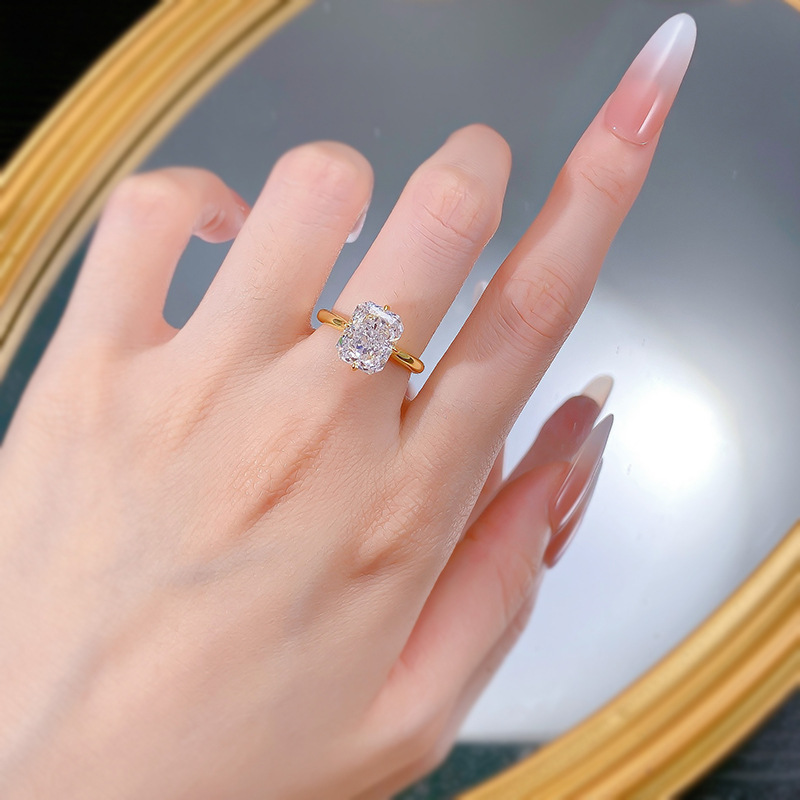
Fine Jewelry Warranty Exclusion Appeal File
A Fine Jewelry Warranty exclusion appeal file is the folder you hope you never need. If a warranty claim is denied, limited, or questioned, it can make the review much easier. It keeps your receipt, warranty terms, diamond report, photos, care notes, repair records, and support emails in one place.
Building one early matters because fine jewelry is both emotional and expensive. Engagement rings, wedding bands, lab-grown diamond studs, tennis bracelets, necklaces, and milestone gifts deserve better than scattered screenshots and forgotten emails.
At StoneBridge Jewelry, customers ask sharper questions when they think about documentation before checkout. They compare diamond details, setting style, metal type, sizing, care needs, and service options with more confidence. A Fine Jewelry Warranty exclusion appeal file does not guarantee a warranty decision, but it gives you a clean record if you ever need support.
Why a Warranty Appeal File Helps Before You Buy
A Fine Jewelry Warranty exclusion appeal file is not only for a denied claim. It is a buying tool. It helps you judge whether a seller gives enough product detail, explains care clearly, and states warranty exclusions in plain language.
Good records answer simple questions fast. What did you buy? When did it arrive? What were the diamond specs? Was the ring inspected? Did anyone resize it? Was the piece exposed to impact, chemicals, or outside repair work?
Those details matter because many warranty reviews look at identity, condition, timeline, and care history. A Fine Jewelry Warranty exclusion appeal file gives each area a home.
What StoneBridge Jewelry Customers Should Save
Start with the basics. Save your order confirmation, itemized receipt, product page, SKU, metal type, ring size, stone shape, stone measurements, setting style, chain length, clasp type, earring backing type, and care instructions.
For lab-grown diamonds, save the grading report or certificate number if one is provided. GIA explains diamond quality through the 4Cs: cut, color, clarity, and carat weight. IGI reports also document measurements, shape, proportions, and other identifying details.
A 2.00 carat oval lab-grown diamond with F color and VS1 clarity is not the same as a 2.00 carat oval with H color and SI1 clarity. Your Fine Jewelry Warranty exclusion appeal file should make that difference clear.
Fine Jewelry Warranty Exclusion Appeal File Checklist
A strong Fine Jewelry Warranty exclusion appeal file should be easy for a support team, jeweler, appraiser, or insurer to follow. Think of it as a timeline with proof attached.
Keep digital copies in cloud storage and printed copies with your appraisal or insurance paperwork. Use file names with dates, such as 2025-02-10-receipt or 2025-08-12-prong-inspection. Small habits save time later.
Include these records:
- Itemized receipt and order confirmation
- Warranty terms from the purchase date
- Product page, SKU, metal, size, setting, and style details
- Diamond certificate, lab report, or appraisal
- Arrival-day photos and updated care photos
- Cleaning, resizing, polishing, rhodium plating, and repair invoices
- Inspection notes from qualified jewelers or repair teams
- Support emails, chat transcripts, and denial or exclusion notices
- A dated timeline with the issue discovery date
- A short appeal statement if you request reconsideration
Do not wait until a stone loosens or a clasp fails. Build the file the week your jewelry arrives.
Photos That Actually Help
Take clear photos on the day your jewelry arrives. Use natural light, a plain background, and several angles. Capture the top view, side profile, prongs, gallery, shank, clasp, chain links, earring posts, and hallmark stamps.
Add new photos after cleanings, inspections, or repairs. If a jeweler tightens prongs, adjusts a clasp, resizes a ring, replaces a stone, or polishes a bracelet, photograph the piece again. Your Fine Jewelry Warranty exclusion appeal file should show how the item changed over time.
Close-ups help, but wide shots matter too. A reviewer needs to see the full piece, not only the damaged area.
Common Warranty Exclusions to Read Closely
Most fine jewelry warranties do not cover every future problem. Common exclusions may include normal wear, accidental damage, loss, theft, improper cleaning, impact damage, unauthorized repairs, bent prongs, worn settings, stretched chains, and missing stones tied to wear or damage.
The key question is often defect versus wear. A manufacturing defect points to a production or craftsmanship concern. Wear reflects what happens as metal, prongs, chains, clasps, and settings meet daily life.
Daily-wear pieces work hard. Rings touch countertops, car doors, gym equipment, soaps, lotions, clothing fibers, and bags. Bracelets flex. Chains catch. Earring backs loosen. A Fine Jewelry Warranty exclusion appeal file helps show whether the issue appeared suddenly or developed over time.
Manufacturing Defect vs. Wear and Tear
A manufacturing defect may involve a casting flaw, faulty component, or stone setting problem that was not caused by normal use. The seller or warranty provider usually needs to inspect the piece before making that call.
Wear and tear looks different. Scratches, metal thinning, bent bands, loose stones, worn rhodium plating, stretched links, and tired clasps can happen with regular wear. Jewelry is not fragile, but it is not indestructible either.
Jewelers Mutual recommends professional inspections at least every six months for many frequently worn pieces, especially rings. That specific schedule may vary by style, but the point is practical: do not wait until a prong is already failing.
Third-Party Repairs and Modifications
Outside resizing, soldering, stone setting, engraving, polishing, rhodium plating, or repair can affect warranty eligibility. Even skilled work may make it harder for the original seller to identify the cause of a later issue.
If you want to preserve warranty options, contact StoneBridge Jewelry support before altering a piece. Ask whether the work should go through an approved service path and what paperwork you should keep.
If outside work already happened, include every invoice, note, and photo in your Fine Jewelry Warranty exclusion appeal file. Clear disclosure is better than a gap in the record.
How Documentation Protects Your Jewelry Investment
A fine jewelry warranty exclusion appeal file turns scattered proof into a useful ownership record. That matters for engagement rings, anniversary jewelry, lab-grown diamond gifts, and everyday pieces with financial and personal value.
It can also reduce stress. Instead of digging through old emails during a service issue, you will have the receipt, photos, warranty terms, and service history ready. Support teams can review the facts faster when the record is organized.
Customers who save care records tend to ask better follow-up questions too. They know when a ring was inspected, who worked on it, and what changed. That makes the conversation more specific and less emotional.
Better Questions at Checkout
Warranty readiness helps you choose jewelry that fits your life. If you work with your hands, a lower-profile engagement ring may suit you better than a tall prong setting. If you love delicate pavé, plan for regular inspections.
Before buying, compare beauty with maintenance. Ask whether a ring can be resized, how white gold should be cared for, whether a Tennis Bracelet Clasp needs routine checks, and whether outside engraving affects warranty options.
You can shop lab-grown diamonds, explore engagement rings, browse fine jewelry, or design a piece with the ring builder while keeping documentation in mind.
Pricing, Value, and Long-Term Care Records
Price is only part of value. Craftsmanship, diamond quality, metal type, warranty language, care needs, and support access matter too. A lower price may not feel like a bargain if the product details are vague or the service path is unclear.
Lab-grown diamonds often let buyers compare larger carat weights or higher color and clarity grades within a planned budget. The final price still depends on the 4Cs, shape, certification, setting, and market conditions. Save those details in your fine jewelry warranty exclusion appeal file as soon as you buy.
Plan for ownership costs as well. White gold may need rhodium plating. Rings may need resizing. Prongs and clasps may need service. Appraisals and insurance may need updates.
| Buyer Factor | Why It Matters | What to Save |
|---|---|---|
| Diamond quality | Confirms carat, cut, color, clarity, shape, and measurements | Grading report, certificate number, product page |
| Metal type | Affects durability, polishing, resizing, and care | Receipt, product specs, hallmark photos |
| Setting style | Shapes maintenance needs and stone security | Setting name, photos, inspection notes |
| Warranty terms | Defines coverage, exclusions, and service steps | Warranty document, support emails |
| Care history | Shows cleaning, inspection, and repair patterns | Invoices, dated photos, jeweler notes |
Warranty, Appraisal, and Insurance Are Different
A warranty usually covers specific product or craftsmanship concerns under stated terms. Jewelry insurance may cover loss, theft, or accidental damage, depending on the policy. An appraisal documents value for a stated purpose, which may differ from purchase price or resale value.
GIA and IGI reports describe diamond characteristics. They do not replace an insurance policy or a warranty. Keep each document in your fine jewelry warranty exclusion appeal file so the record is complete.
For high-value jewelry, ask your insurer what documents they need Before a Claim. Many policies require an appraisal, receipt, and clear item description.
Sizing, Care, and Appeal Readiness
Sizing and daily habits can affect both comfort and condition. A ring that is too loose may spin, hit surfaces, or slip off. A ring that is too tight may feel uncomfortable and need resizing sooner.
Some designs are harder to resize. Eternity bands, tension settings, intricate pavé rings, engraved bands, mixed-metal styles, and rings with stones around the full shank may allow only limited adjustment. Save sizing notes in your fine jewelry warranty exclusion appeal file.
Need help before checkout? Use the ring size guide or contact StoneBridge Jewelry support for style-specific advice.
Simple Care Habits Worth Recording
Use warm water, mild dish soap, and a soft brush for many diamond and gold pieces, unless your care instructions say otherwise. Avoid bleach, chlorine, abrasive cleaners, and harsh chemicals.
Remove fine jewelry before weightlifting, swimming, gardening, cleaning, sports, or heavy work. Store pieces separately so rings do not scratch each other and chains do not tangle.
Add these actions to your routine:
- Save the receipt, warranty terms, product page, and diamond report.
- Take arrival-day photos from several angles.
- Store jewelry in separate pouches, boxes, or compartments.
- Schedule inspections for daily-wear rings and bracelets.
- Remove jewelry before impact, chlorine, and harsh chemicals.
- Add every service note to your fine jewelry warranty exclusion appeal file.
How to Submit a Warranty Exclusion Appeal File
If coverage is denied or limited, read the warranty terms first. Identify the exact exclusion cited in the denial. Then gather your purchase documents, diamond report, photos, appraisal, care records, inspection notes, repair invoices, and support history.
Photograph the jewelry again in bright, even light. Capture the issue from several angles. If the problem involves a prong, stone, chain, clasp, setting, or band shape, include close-ups and full-piece photos.
Write a timeline using dates. Include purchase date, delivery date, first wear if relevant, cleaning dates, inspection dates, service appointments, issue discovery date, support contact dates, and denial date.
Keep your appeal statement short and factual. Explain why you believe the exclusion should be reviewed again, then point to the documents that support your request. A fine jewelry warranty exclusion appeal file supports the review, but it does not promise a different result.
What to Say in the Appeal Statement
Use plain language. Identify the item by order number, product name, metal, size, setting, and diamond details. Describe the issue, when you found it, and what care or service happened before that date.
Disclose outside repair, resizing, engraving, impact, or unusual wear. That honesty helps the reviewer understand the full history. Missing details can slow the process or weaken the request.
A simple statement might include purchase details, issue description, discovery date, care history, prior service, documents attached, and the reason you are asking for reconsideration.
FAQs About Fine Jewelry Warranty Appeal Files
What should I include in a fine jewelry warranty exclusion appeal file?
Include the receipt, warranty terms, product specs, diamond certificate, appraisal, photos, service records, inspection notes, denial notice, and a dated timeline. Add support emails and any third-party repair invoices too. The goal is to show what you bought, how you cared for it, and what happened before the warranty exclusion was applied.
Can I appeal a denied diamond ring warranty claim?
You can usually ask the seller or warranty provider to review the decision if you believe the exclusion does not fit the facts. A fine jewelry warranty exclusion appeal file gives the support team purchase details, care history, and photos to review. It does not guarantee approval, but it can make your request clearer and easier to evaluate.
Do outside repairs hurt a jewelry warranty appeal?
They can, depending on the warranty terms. Resizing, soldering, engraving, polishing, stone setting, or rhodium plating by a third party may change the condition of the jewelry. If outside work was done, include invoices, dates, photos, and repair notes in your file so the review stays transparent.
Is jewelry insurance the same as a fine jewelry warranty?
No. A warranty usually addresses specific craftsmanship or manufacturing issues listed in the warranty terms. Insurance may cover loss, theft, or accidental damage, depending on the policy. For engagement rings and other high-value pieces, keep both warranty records and insurance documents together.
Should I build the file before my jewelry has a problem?
Yes. Build your fine jewelry warranty exclusion appeal file right after purchase, while the receipt, product page, certificate, and photos are easy to save. You will thank yourself later if you need repairs, an appraisal update, an insurance claim, or warranty support. It also nudges you to schedule care before small issues become expensive.
Shop With Clear Records and More Confidence
A fine jewelry warranty exclusion appeal file is a simple way to protect the story of your jewelry. It keeps the facts close: what you bought, what it looked like, how it was cared for, who serviced it, and what happened if a warranty question came up.
StoneBridge Jewelry shoppers can compare lab-grown diamond engagement rings, wedding bands, earrings, necklaces, bracelets, and fine jewelry gifts with documentation in mind. Save the specs, ask care questions, and keep support notes from day one.
Ready to choose a piece you will wear often? Shop StoneBridge Jewelry with a plan for beauty, care, and ownership records. Your future self will be glad the file already exists.
Ready to Find Your Perfect Diamond?
Explore our collection of certified lab-grown diamonds
Shop Diamonds