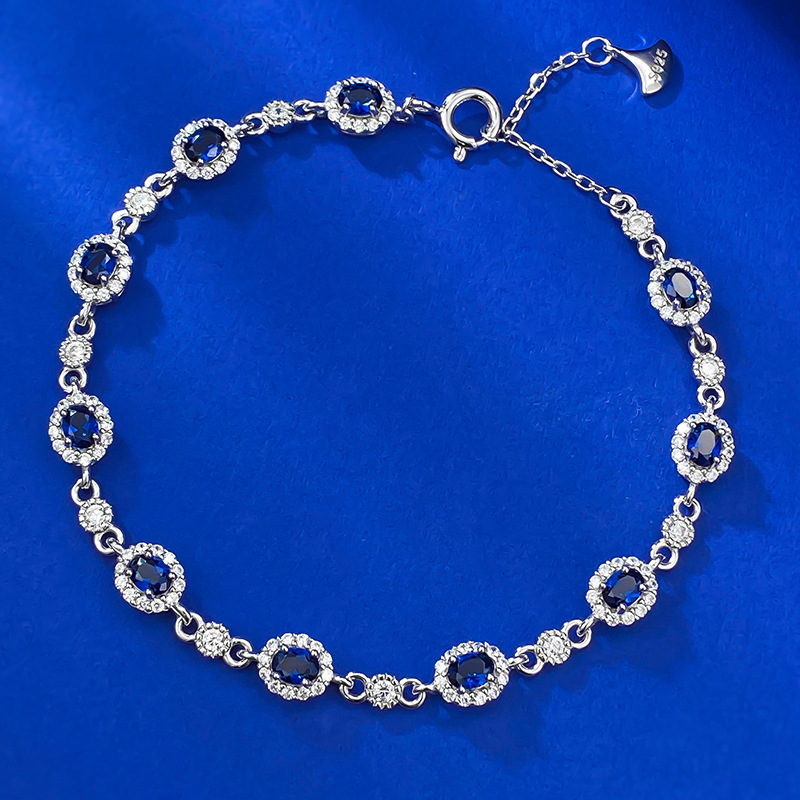
Fine Jewelry Warranty Exception Tracking Memo Guide
A Fine Jewelry Warranty exception tracking memo gives you a practical way to compare protection Before You Buy and keep cleaner records after delivery. It works for engagement rings, wedding bands, diamond studs, tennis bracelets, necklaces, and fine jewelry gifts.
Sparkle matters. So does the plan for real-life wear. If a prong lifts, a clasp weakens, or a stone loosens after months of use, a clear memo helps you see what is covered, what is excluded, and which care steps may affect future service.
At StoneBridge Jewelry, we want shoppers to compare lab-grown diamond jewelry with clear product details, useful care guidance, and documentation habits that hold up over time. I've helped plenty of couples choose rings they were excited to wear every day, and the happiest ones usually had one thing in common: they understood the beauty and the maintenance before they bought. Use this memo while you shop, then keep it with your receipt, grading report, appraisal, and inspection notes.
What a Fine Jewelry Warranty Exception Tracking Memo Does
A Fine Jewelry Warranty exception tracking memo is a buyer's record for the practical side of ownership. It tracks the item, order number, metal, stone details, warranty terms, inspection dates, and any exceptions that may limit coverage.
Think of it as a service history for your jewelry. A diamond certificate identifies a stone, but it does not show whether a ring was inspected, whether a prong was worn, or whether a clasp repair was recommended.
This record is especially helpful for daily-wear pieces. Engagement rings and bracelets see more contact than jewelry worn only a few times each year, so small issues can grow if no one catches them early.
A Fine Jewelry Warranty exception tracking memo also makes product comparisons more honest. One ring may cost less, while another may offer clearer specifications, easier service support, and stronger long-term peace of mind.
Before checkout, compare the design and the protection details together. You can explore StoneBridge engagement rings, browse fine jewelry styles, or compare lab-grown diamonds while noting the details that matter most.
Why Warranty Exceptions Matter Before You Buy
Fine jewelry is built to last, but it is not indestructible. Gold can bend, platinum can scratch, prongs can thin, and chains can break under force (trust me, I've seen it happen at the worst possible time).
Most warranties separate manufacturing concerns from damage caused by wear, impact, chemicals, missed inspections, or outside repairs. That line often decides whether a repair is covered, reviewed further, or quoted as paid service.
Common warranty exceptions include accidental damage, normal wear, lost stones after impact, unauthorized repair, chemical exposure, resizing limits, and missing inspection records. A Fine Jewelry Warranty exception tracking memo keeps those terms visible instead of buried in old emails.
Bench jewelers often read small clues. A flattened prong, stretched bracelet link, cracked stone, or worn setting seat may tell a different story than a clean manufacturing issue.
GIA teaches the 4Cs--cut, color, clarity, and carat weight--as the standard language for diamond quality. IGI reports for lab-grown diamonds commonly list measurements, color, clarity, carat weight, and growth method details. Those records help identify the jewelry, while your memo helps explain its care history.
Common Warranty Exceptions to Track
A Fine Jewelry Warranty exception tracking memo should list the exclusions that apply to your exact piece. Generic notes are better than nothing, but specific notes are far more useful.
Track issues such as bent prongs, chipped stones, broken chains, stretched links, worn plating, loose clasps, and damage from chlorine or harsh cleaners. If an inspection finds early wear, write down the recommendation and whether service was completed.
For frequently worn rings and bracelets, many jewelers recommend professional inspection every 6 to 12 months. That habit can catch loose stones, thinning prongs, and clasp weakness before the repair becomes expensive.
How the Memo Helps During Service
A service team can work faster when the history is clear. Your memo can show the purchase date, SKU, report number, inspection notes, and previous repair advice.
That record reduces guesswork. If a clasp was flagged six months ago and repair was declined, the next service conversation starts with facts. If inspections were current and no damage was noted, that matters too.
Customers often feel more confident when they save the practical details early. Receipts, certificates, warranty terms, and inspection notes may not feel exciting on purchase day, especially when everyone is focused on the proposal, the anniversary dinner, or the gift reveal, but they can be valuable later.
What to Include in a Fine Jewelry Warranty Exception Tracking Memo
A useful Fine Jewelry Warranty exception tracking memo should be short, specific, and easy to update. You do not need legal language. You need facts that match the jewelry in your order.
Include the product name, SKU, order number, purchase date, retailer, metal type, stone details, grading report number, ring size or bracelet length, and any customization. Add the warranty terms, listed exclusions, recommended inspection schedule, and service history.
For lab-grown diamond jewelry, record the exact diamond specifications. A 1.50 carat round lab-grown diamond with F color and VS1 clarity is not the same as another 1.50 carat diamond with different measurements, cut quality, or clarity features.
Use this quick pre-purchase check:
- Does the product page list metal purity, diamond carat weight, and setting style?
- Is the lab-grown diamond certificate available or clearly referenced?
- Are warranty terms and exclusions easy to understand?
- Does the design have resizing limits, delicate prongs, or pavé maintenance needs?
- Can you save the receipt, certificate, appraisal, and warranty terms together?
- Is there guidance for cleaning, inspection, resizing, or repair requests?
A Fine Jewelry Warranty exception tracking memo gets more useful each time you update it. Add notes after cleanings, inspections, resizing, stone tightening, polishing, retipping, or clasp repair.
Product Details and Certificates
Match the memo to the exact piece you buy. For a ring, note the setting type, center stone shape, prong count, metal, size, and any hidden halo or pavé details.
For a bracelet, record the total carat weight, length, link construction, clasp type, and safety mechanism. For earrings, include the backing style, post type, stone size, and whether the design should be checked for looseness after frequent wear.
A grading report supports identification. An appraisal may support insurance scheduling, gifting records, or later value updates. Keep both with your Fine Jewelry Warranty exception tracking memo.
Diamond Specs Worth Recording
When you compare diamonds, do not stop at carat weight. Record shape, measurements, cut grade when available, color, clarity, polish, symmetry, fluorescence if listed, and the report number. For round diamonds, cut quality has a major effect on brightness, so an Excellent or Ideal-style cut grade may matter more visually than a small increase in carat weight.
For fancy shapes such as oval, pear, emerald, radiant, cushion, and marquise, pay close attention to measurements and appearance because cut grades are not always presented the same way. Two 2.00 carat oval lab-grown diamonds can face up differently if one is long and slender and the other is wider. Note the length-to-width ratio in your memo if shape preference matters to you.
Color and clarity choices should match the setting and the wearer. Many buyers like D to F color for icy white looks, while G to H can offer strong value in white gold, yellow gold, or platinum settings. VS1 to VS2 clarity is a popular sweet spot because inclusions are usually difficult to see without magnification, while SI grades need closer review. If the diamond has a visible feather, cloud, or crystal near an edge or under a prong, note it with the certificate so future inspections are easier to interpret.
Price ranges vary with size, shape, market conditions, and grading details, but the memo should capture the purchase price and any upgrade or service promises tied to that price. A simple lab-Grown Diamond Pendant may be a few hundred dollars, diamond studs may range from several hundred to several thousand dollars depending on total carat weight, and engagement rings often vary widely based on center stone size, metal, and setting complexity. Your record should make clear whether you paid for a finished piece, a loose diamond plus setting, custom work, or added services.
Inspection Notes That Actually Help
Good inspection notes are direct. For example: "Two prongs show wear; retipping recommended; not treated as a manufacturing defect." Another useful note might say: "Accent stone loose; no visible impact; submit for warranty review."
Label each issue as covered, excluded, paid repair, or needs review. That small step can save time months later.
Keep digital and paper copies. Store files in a cloud folder, and keep printed documents with your valuables or insurance records. Honestly, I think this is one of the easiest ways to protect your future self from a stressful service conversation.
Lab-Grown Diamond Buyers Get Extra Value From Better Records
Lab-grown diamonds have the same chemical composition as mined diamonds, and they are graded using familiar quality factors. Many shoppers choose them because they can often get a larger stone or higher grade for the budget (yes, even on a budget).
Price still is not the whole story. A 2.00 carat lab-grown diamond ring may look attractive, but the setting, prong construction, metal quality, warranty language, and service support shape the ownership experience.
A fine jewelry warranty exception tracking memo helps you compare total value, not just the center stone. It also helps separate warranty protection from jewelry insurance.
A warranty usually covers specific defects or service concerns. Insurance may cover broader risks such as theft, loss, or accidental damage, depending on the policy. For higher-value pieces, many buyers consider both.
Documentation Can Protect Long-Term Value
Clear records support repairs, appraisals, insurance updates, and future gifting details. If you give a diamond necklace for an anniversary, saved product records can make later appraisal updates much easier.
The same applies to engagement rings. If you insure the ring, the grading report, appraisal, receipt, and fine jewelry warranty exception tracking memo can help document the piece accurately. In my experience at StoneBridge, couples feel more relaxed when they know the ring's story is organized from day one, especially when that ring marks such a personal, joyful promise.
Documentation will not prevent every problem. It does make the next step clearer if something needs attention.
Metal, Setting, and Design Choices That Affect Exceptions
The jewelry design you choose can influence how often service is needed. A low-set bezel ring, a six-prong solitaire, a delicate hidden halo, and a full pavé band all wear differently. Your fine jewelry warranty exception tracking memo should describe the construction, not just the style name, because service questions often come down to how the piece is built.
Metal choice is part of that story. 14K gold is popular for everyday jewelry because it balances durability, color, and price. 18K gold has a richer gold content and can be beautiful for fine pieces, but it may show wear differently because it is softer than 14K. Platinum is dense, naturally white, and excellent for many engagement rings, though it develops a patina and may cost more upfront. Sterling silver and gold vermeil can be lovely for fashion-leaning pieces, but they usually carry different durability and plating expectations than solid gold or platinum.
White gold often has rhodium plating for a bright white finish. That plating wears over time, especially on rings, and replating is usually considered maintenance rather than a defect. Yellow gold and rose gold do not need rhodium, but they still scratch and can bend under pressure. If you choose white gold, write down whether rhodium maintenance is expected so you are not surprised later.
Setting Tradeoffs to Note Before Checkout
Prong settings show more diamond and are classic for engagement rings, but prongs need periodic checks. Four prongs can make a round or oval diamond look open and elegant; six prongs add extra contact points and may feel more secure to some buyers. Bezel settings protect the diamond edge better, which can suit active hands, but they show less side profile and have a more framed look.
Pavé, micro-pavé, and hidden halo settings add sparkle, yet their tiny accent stones require careful wear. They can be more vulnerable to impact, resizing stress, and heavy polishing. Channel settings protect stones between metal walls, but if the channel bends, multiple stones may loosen. Tension-style and ultra-thin bands can look modern, but they should be reviewed carefully for daily wear and resizing limitations.
For bracelets and necklaces, note clasp quality and chain weight. A lobster clasp is common and practical, while a box clasp with safety catches is often used for tennis bracelets. Thin cable chains can be elegant but may not suit pendants worn every day or people who sleep in jewelry. A tennis bracelet should not fit so loosely that it repeatedly hits hard surfaces; that constant impact can loosen stones even when the bracelet appears undamaged.
Fit, Care, and Wear Patterns to Record
How you wear jewelry affects how it ages. A ring worn every day faces more contact than a pendant worn once a month. A loose tennis bracelet may strike desks and counters, while a delicate chain may not suit someone who sleeps in jewelry.
Record fit details in your fine jewelry warranty exception tracking memo. Note the ring size, bracelet length, chain length, clasp type, prong style, and any resizing limits.
Sizing matters. Eternity bands can be difficult or impossible to resize because stones circle the full band. Some pavé and channel settings also need careful review before sizing work.
Ring size can change with temperature, travel, pregnancy, weight changes, and time of day. A ring that feels perfect in winter may feel tight in summer, and a top-heavy center stone can spin if the shank is too loose. If you are between sizes, note whether sizing beads, a slightly wider band, or a future resize was discussed. Wider bands generally feel tighter than thin bands in the same numerical size.
Bracelet and necklace fit deserve the same attention. A 7-inch bracelet may fit one wrist closely and another loosely depending on wrist shape and link style. Tennis bracelets usually need a little movement, but not enough slack to flip constantly. Necklace length changes the way a pendant sits: 16 inches is often close to the collarbone, 18 inches is a common everyday length, and 20 inches or longer can layer better over clothing.
Care habits matter as well. Remove fine jewelry before workouts, gardening, swimming, cleaning, and heavy lifting. Chlorine, bleach, abrasive cleaners, and repeated impact can damage metal or loosen settings.
For at-home cleaning, use warm water, mild dish soap, and a soft brush when the jewelry construction allows it. Avoid toothpaste, baking soda scrubs, and harsh ultrasonic use on pieces with delicate pavé, treated gemstones, pearls, emeralds, or any loose stones. Dry jewelry thoroughly before storage, especially around clasps and under gallery details where moisture can linger.
If a prong looks lifted or a stone moves, stop wearing the piece and ask for service guidance. Do not wait for the stone to fall out. Here's what nobody tells you: the tiny wiggle you notice for two seconds while making coffee can be the warning sign that saves the stone.
For sizing help, review StoneBridge ring sizing guidance Before You Order. If you want more control over stone and setting details, you can also build your ring.
Shipping, Returns, and Delivery Records to Save
Warranty records are stronger when they begin at delivery, not months later. Save shipping confirmations, tracking numbers, delivery date, package photos if relevant, and any return or exchange deadline. If the piece arrives with a visible concern, document it immediately before wearing it.
For engagement rings and higher-value jewelry, check the package soon after delivery in a clean, well-lit area. Confirm the ring size, engraving, metal color, diamond shape, certificate number, and any customization. If the diamond report lists laser inscription details, compare them with the documentation or ask the jeweler for help confirming the match. Do not resize, polish, or alter the piece through an outside jeweler before you understand how that may affect warranty review.
Return policies and warranties are not the same thing. A return window deals with whether you can send an eligible item back within a set period. A warranty deals with service concerns after purchase under specific terms. Custom rings, engraved pieces, special orders, eternity bands, and resized items may have different return or exchange limitations, so write those details into the memo while they are easy to find.
If you send jewelry for service, use the shipping method recommended by the retailer or insurer. Record the service authorization number, shipping carrier, insurance amount, drop-off receipt, and photos of the item before shipment. Pack jewelry so it cannot rattle against itself, and never write words like "diamond," "jewelry," or "engagement ring" on the outside of a package unless the shipper specifically instructs it.
How to Use a Fine Jewelry Warranty Exception Tracking Memo at StoneBridge
Start your memo before checkout. It helps you compare product details, warranty terms, and care needs while the options are still in front of you.
Follow this simple workflow:
- Choose the category: engagement ring, wedding band, bracelet, studs, necklace, or gift.
- Record the specifications: carat weight, shape, metal, setting, size, length, and clasp.
- Save the certificate or report number if one is provided.
- Read the warranty terms and list the exclusions in plain language.
- Note design risks such as delicate prongs, pavé settings, thin chains, or resizing limits.
- Save the order confirmation, receipt, product page, appraisal, and warranty language.
- Set an inspection reminder for every 6 to 12 months for daily-wear pieces.
- Update the memo after cleaning, resizing, tightening, polishing, or repair.
Here is a practical example:
| Memo Field | Example Entry |
|---|---|
| Item | Lab-grown diamond solitaire engagement ring |
| Stone | 1.75 ct oval lab-grown diamond, F color, VS1 clarity |
| Certificate | IGI report number saved with order documents |
| Metal | 14K white gold, four-prong setting |
| Size | 6.5 |
| Warranty note | Manufacturing concerns reviewed under warranty terms |
| Possible exceptions | Impact damage, lost stone from wear, outside repair, missed inspection |
| Inspection plan | Every 6 months because the ring is worn daily |
This same format works for bracelets, earrings, necklaces, and wedding bands. The best fine jewelry warranty exception tracking memo is the one you will actually keep updated.
Common Memo Mistakes to Avoid
The most common mistake is saving only a receipt. A receipt proves purchase, but it may not show the diamond report number, exact measurements, inspection schedule, or excluded service issues. Save the product page or order details too, especially if the piece includes a specific lab-grown diamond or custom setting.
Another mistake is relying on memory after a repair. Write down who inspected the piece, what they observed, what they recommended, and whether you approved the work. "Cleaned and checked" is helpful, but "tightened two side stones and advised prong check in six months" is much better.
Do not assume every jeweler can work on every setting without affecting coverage. Outside sizing, soldering, stone replacement, polishing, or rhodium plating may complicate a later warranty review. If you need urgent local service while traveling, keep photos, invoices, and written notes from the jeweler so the service history remains complete.
Finally, avoid choosing a design only because it photographs well. Very thin bands, oversized center stones on minimal settings, and heavy pavé coverage can be gorgeous, but they may need more careful wear. The right choice is the one that fits the buyer's lifestyle, budget, and maintenance tolerance.
Shop With Clear Warranty Confidence
A fine jewelry warranty exception tracking memo turns scattered purchase details into a clear ownership record. It shows what you bought, how it was documented, how it should be cared for, and which issues may affect coverage.
Use it while you compare StoneBridge lab-grown diamond engagement rings, wedding bands, diamond studs, tennis bracelets, necklaces, and fine jewelry gifts. Then keep it updated after each inspection or service visit.
Ready to choose with more confidence? Shop StoneBridge Jewelry now, save your product records from day one, and protect the piece you love with clear warranty expectations.
Ready to Find Your Perfect Diamond?
Explore our collection of certified lab-grown diamonds
Shop Diamonds