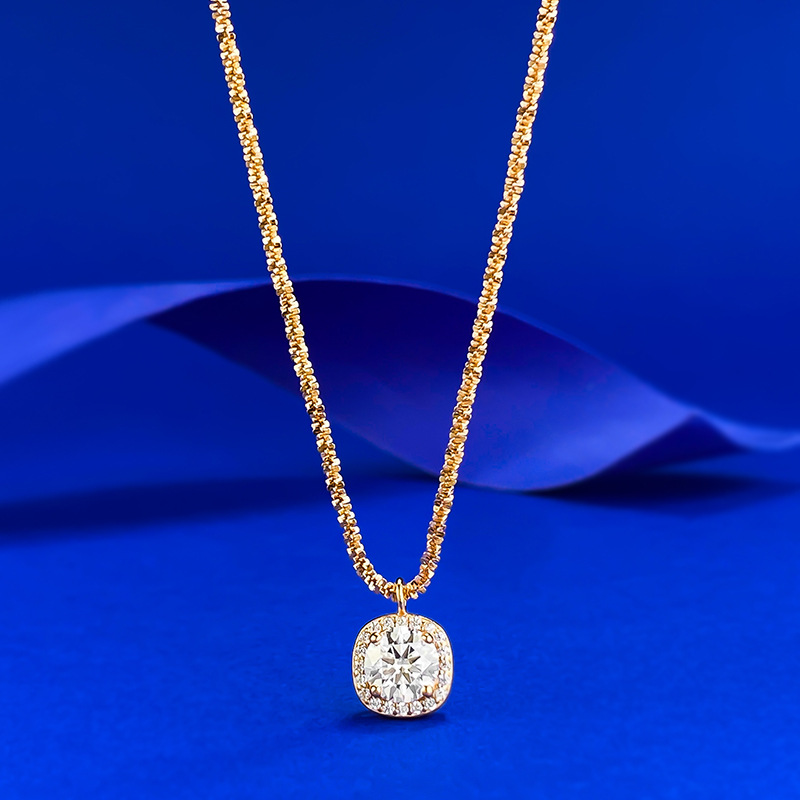
Fine Jewelry Warranty Coverage Question Log: Smart Questions Before You Buy
Buying fine jewelry online should feel exciting, not risky. A Fine Jewelry Warranty coverage question log gives you a simple way to compare service rules before you choose an engagement ring, wedding band, diamond earrings, tennis bracelet, pendant, or meaningful gift.
Think of it as your purchase notes. You write down what the retailer covers, what they exclude, which documents you need, and how repairs work. Those details matter after checkout, especially if a stone feels loose or a ring needs resizing.
Warranty coverage belongs beside diamond quality, metal choice, craftsmanship, price, and brand trust. A brilliant lab-grown diamond still needs a secure setting. A delicate necklace still depends on a strong clasp. A diamond band still needs clear care guidance.
At StoneBridge Jewelry, we have found that confident shoppers ask service questions early. They do not wait until a repair is needed. I have helped plenty of couples compare two rings that looked nearly identical at first glance, only to realize the service details made one choice feel much more comfortable. Use this Fine Jewelry Warranty Coverage question log while you browse lab-grown diamonds, compare engagement rings, or build a ring through the ring builder.
What Is a Fine Jewelry Warranty Coverage Question Log?
A Fine Jewelry Warranty coverage question log is a record of the questions and answers that affect long-term ownership. It helps you compare two rings that look similar online, understand why one bracelet costs more than another, and see which retailer offers clearer support.
Fine jewelry is rarely a casual purchase. Engagement rings may be worn every day for decades. Wedding bands carry deep meaning. Diamond earrings, necklaces, and bracelets often mark birthdays, anniversaries, graduations, new babies, promotions, and other milestone moments worth remembering warmly.
Your Fine Jewelry Warranty Coverage question log should capture the practical side of that emotion. What workmanship issues may qualify for service? Are prongs, clasps, chains, posts, backs, links, and settings covered? What happens if another jeweler works on the piece?
GIA and IGI grading reports help explain diamond quality through cut, color, clarity, and carat weight. Those reports describe the stone. Warranty notes describe the support around the finished jewelry.
Why Warranty Questions Matter Before Checkout
Online Jewelry Shopping gives you more choices and easier price comparison. It also puts more responsibility on you to read the policy before buying. A Fine Jewelry Warranty coverage question log keeps those details from getting lost in product photos, sparkle videos, and sale banners.
Fine jewelry faces real wear. Rings hit desks, door handles, steering wheels, gym equipment, and cookware. Bracelets slide across surfaces all day. Necklaces can catch on sweaters or hair. Earrings depend on small posts, backs, halos, and accent stones.
Common service concerns include loose stones, worn prongs, bent settings, clasp strain, chain breaks, resizing limits, and inspection rules. A good Fine Jewelry Warranty coverage question log helps you ask about each one before money changes hands.
Many jewelers recommend professional inspections every 6 to 12 months for engagement rings and diamond bands worn daily. A jeweler can check prong tips, stone movement, thinning metal, solder points, and clasp tension. You cannot always see those issues at home (trust me, I have seen tiny prong problems become much bigger headaches when they are ignored).
The Mohs hardness scale rates diamond at 10, which means diamond resists scratching better than any other natural mineral. Gold and platinum settings can still bend, wear, or loosen with daily contact. Warranty and care questions help you understand where the diamond ends and the jewelry craftsmanship begins.
Warranty, Insurance, and Returns Are Different
A warranty usually applies to qualifying workmanship or manufacturing concerns. It may cover certain setting issues, construction flaws, or service needs described by the retailer. It does not cover every problem that can happen during daily wear.
Jewelry insurance serves a different purpose. Depending on the policy, insurance may help with loss, theft, mysterious disappearance, or major accidental damage. High-value engagement rings, diamond studs, and tennis bracelets often deserve an insurance review after purchase.
A return policy answers early purchase questions. Can you return the item? How many days do you have? Does it need to be unworn? Are engraved, custom, or special-order pieces excluded?
Keep three sections in your Fine Jewelry Warranty coverage question log: warranty, returns, and insurance follow-up. Mixing them together creates confusion later.
What to Record in Your Fine Jewelry Warranty Coverage Question Log
Start with the item details. Record the product name, SKU, metal type, ring size or chain length, diamond shape, carat weight, and grading report number. For lab-grown diamond jewelry, save the GIA, IGI, or listed lab report with your order confirmation.
Then add the policy details that affect ownership. Your fine jewelry warranty coverage question log should include covered issues, excluded damage, service timelines, repair steps, resizing rules, inspection guidance, and proof-of-purchase requirements.
Covered issues may include workmanship, manufacturing defects, stone tightening, prongs, bezels, clasps, chains, earring posts, backs, and bracelet links. Exclusions often include loss, theft, impact damage, chemical exposure, improper storage, normal wear, and unauthorized repair.
Service notes are just as useful. Ask how long inspections, repairs, resizing, and shipping usually take. Write down whether the retailer provides estimates before paid work begins.
Save screenshots or PDFs of policy pages. Keep emails too. If a support specialist clarifies a warranty detail, add the date, name, and answer to your fine jewelry warranty coverage question log. It may feel a little overly organized in the moment, but future you will be grateful.
Coverage Questions to Ask First
Broad questions get vague answers. Specific questions reveal how a policy works. Start your fine jewelry warranty coverage question log with direct, practical questions.
Ask what workmanship or manufacturing defects are covered. Ask whether loose stones qualify if the issue comes from the setting. Ask whether prongs, bezels, pave settings, halos, clasps, chains, earring posts, backs, and bracelet links are included.
For diamond rings, ask about prong tightening and stone security checks. For necklaces and bracelets, ask about clasp tension, chain strength, link repair, and safety catches. For earrings, ask about posts, backs, halos, and accent stones.
Ask when coverage begins. Does it start on the purchase date, delivery date, or after inspection? Are routine inspections required to keep coverage active?
Your fine jewelry warranty coverage question log should capture the exact answer. A simple yes or no may not be enough if a repair question comes up later.
Service Process Questions to Document
The service process shapes the ownership experience. A helpful warranty can still feel frustrating if no one explains how to start a request.
Ask whether you submit a form, email customer service, contact a jewelry specialist, or use another process. Confirm whether the retailer must authorize service Before You Ship the piece. Ask whether they inspect the jewelry before deciding if the work qualifies.
Shipping deserves careful notes. Who pays for shipping? Is the package insured in transit? Does the retailer require special packaging or signature delivery? Valuable diamond jewelry should never be mailed casually.
Add case numbers, tracking numbers, photos, repair estimates, and written updates to your fine jewelry warranty coverage question log. If you ever need support again, you will have a clean service history.
Fine Jewelry Warranty Coverage Question Log by Product Type
Different jewelry styles have different stress points. A fine jewelry warranty coverage question log should match the piece you plan to buy, not just the store policy.
Engagement rings and wedding bands face the most contact. They touch hard surfaces often, and even careful wearers can bump a prong without noticing. Ask about center stone security, prong checks, resizing, polishing, and inspection records.
Necklaces and bracelets need a different lens. A pendant setting may be secure, but the chain or clasp may be the part under the most strain. Tennis bracelets need extra attention because each link and stone setting affects the whole piece.
Earrings can seem simple, but small parts matter. Posts bend, backs loosen, and halo or pave accents should be checked from time to time. Add earring-specific notes to your fine jewelry warranty coverage question log if you are buying studs, hoops, or drops.
| Product type | Common wear pattern | Questions to ask |
|---|---|---|
| Engagement rings | Daily impact, washing, prong wear | Are prongs, center stone security, resizing, and inspections addressed? |
| Wedding bands | Daily abrasion, sizing changes | Are resizing limits, engraving, and finish restoration explained? |
| Diamond earrings | Posts, backs, halos, small accents | Are backs, posts, and accent stones included in service guidance? |
| Necklaces | Chain tension, clasp wear, pendant movement | Are clasps, chains, jump rings, and pendant settings reviewed? |
| Bracelets | Link stress, high movement, clasp reliance | Are links, safety clasps, stone settings, and shipping steps explained? |
Maintenance Rules That Can Affect Coverage
Care rules are not just about sparkle. They can affect how a retailer evaluates a service request. Add every recommended or required care step to your fine jewelry warranty coverage question log.
Ask how often the piece should be inspected. For daily-wear rings, 6 to 12 months is a common professional inspection range. Ask whether inspections must be done by the retailer or by an approved jeweler.
Daily habits matter too. Remove fine jewelry before workouts, heavy lifting, swimming, gardening, and cleaning with harsh chemicals. Chlorine, bleach, abrasive cleaners, and repeated impact can weaken settings or affect finishes.
Keep cleaning gentle unless a jeweler says otherwise. Warm water, mild dish soap, and a soft brush work for many diamond and gold pieces. Delicate pave, antique-style details, damaged clasps, or loose stones need professional care.
Store each inspection note in your fine jewelry warranty coverage question log. Include dates, findings, cleaning notes, and any service performed.
Sizing and Custom Work Questions
Ring sizing belongs near the top of your notes. Fingers change with temperature, hydration, travel, pregnancy, weight shifts, and time of day. Wide bands can also fit tighter than slim bands.
Ask whether resizing is covered, limited, or billed separately. Confirm how many sizes the ring can safely move. Eternity bands, tension settings, pave shanks, and detailed vintage-inspired designs may have strict limits.
Engraving and customization can affect returns and service. Custom pieces, special orders, and engraved rings may be final sale or may follow different rules. Record those limits before approving the order.
If possible, get professionally measured before buying an engagement ring or wedding band. You can also review the ring size guide before choosing a size.
How Warranty Clarity Supports Better Value
The lowest price is not always the best value. A fine jewelry warranty coverage question log helps you compare the total purchase: diamond quality, precious metal, setting design, craftsmanship, service support, and retailer communication.
A discount may look appealing at first. Unclear resizing rules, vague repair steps, or hidden exclusions can add stress later. Clear warranty terms and responsive service can make a higher-quality piece feel like the smarter buy.
Consider a 1.50 carat lab-grown diamond engagement ring. Price can shift based on cut precision, G-H color, VS clarity, certification, metal type, setting complexity, and bench work. A 14K gold solitaire usually costs less than a platinum pave ring with hidden halo details because the materials and labor differ.
Honestly, I think this is where many shoppers are too hard on themselves. They want the ring to feel romantic, so they worry that asking warranty questions will make the purchase feel cold or transactional. It does not. It means you care enough to protect the piece that will be there for proposals, wedding vows, anniversaries, and ordinary Tuesday mornings.
The Knot has reported that lab-grown center stones now represent a major share of engagement ring purchases, with recent survey figures around the mid-40% range among respondents. As more shoppers compare lab-grown diamonds online, policy clarity becomes even more useful.
GIA explains that lab-grown diamonds have the same chemical composition as natural diamonds but form in a controlled laboratory setting. IGI and GIA grade lab-grown diamonds using recognized quality factors such as cut, color, clarity, and carat weight. Your warranty notes help you evaluate the jewelry around the stone.
Use your fine jewelry warranty coverage question log to compare full value, not just the sale price. What good is a beautiful ring if you do not know how service works?
Retailer Comparison Questions
A retailer's answers before checkout tell you a lot. If support is clear Before You Buy, it may be easier to get help later.
Ask whether the warranty information is easy to find. Are exclusions written in plain language? Does customer service answer specific questions, or only point you back to a broad policy page?
Compare resizing, repairs, inspections, shipping, and custom-order rules. Ask whether estimates are provided before paid work begins. Ask whether engraved or special-order items follow different service steps.
Here is what nobody tells you: the way a retailer answers a small question before checkout often reveals how they will handle a bigger question after purchase. StoneBridge shoppers can contact jewelry experts before choosing a diamond, setting, or finished piece. Bring your fine jewelry warranty coverage question log to that conversation so every answer is easy to save.
Documents to Keep After You Buy
Good records make service easier. Create a digital folder for each important purchase and keep it with your fine jewelry warranty coverage question log.
Save the order confirmation, receipt, product page screenshot, warranty policy, diamond grading report, appraisal, insurance documents, and delivery photos. Add inspection notes, cleaning records, repair emails, case numbers, estimates, and tracking details over time.
Our customers often tell us that photos help most when a question comes up later. Take clear pictures when the jewelry arrives. Photograph the ring from the top, side, and underside, or photograph a bracelet clasp and links before regular wear begins.
I have seen customers feel instantly calmer simply because they had their receipt, grading report, and original photos in one folder (yes, even on a budget, this kind of organization helps). If you own several pieces, label each folder clearly. A ring, bracelet, and necklace may have different service rules. Your fine jewelry warranty coverage question log keeps those details separate.
Final Checklist Before You Shop
A fine jewelry warranty coverage question log does not make the purchase less romantic. It makes it calmer. You can focus on the design and meaning of the piece while still protecting the practical side of ownership.
Before You Buy, answer these questions:
- What workmanship or manufacturing concerns are covered?
- Are stones, prongs, settings, clasps, chains, links, posts, and backs addressed?
- What damage is excluded from warranty support?
- Does the policy treat lab-grown diamonds, natural accent stones, and metalwork differently?
- When does coverage begin?
- Are inspections or professional cleanings recommended or required?
- Who handles shipping, authorization, estimates, and repair updates?
- Are resizing, engraving, custom orders, and special designs limited?
- Which receipts, reports, appraisals, photos, and service records should you keep?
Ready to compare with a clearer eye? Explore the StoneBridge jewelry collection, save your favorite styles, and use your fine jewelry warranty coverage question log as you choose the diamond, setting, and support that feel right.
Ready to Find Your Perfect Diamond?
Explore our collection of certified lab-grown diamonds
Shop Diamonds