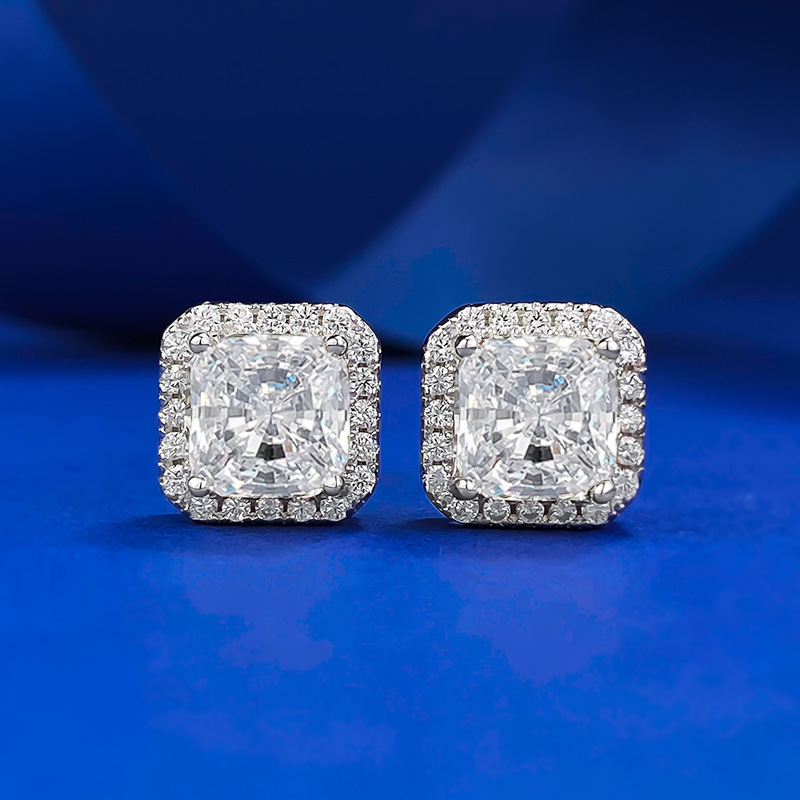
Fine Jewelry Warranty Coverage Dispute File: What to Save Before You Buy
A Fine Jewelry Warranty coverage dispute file sounds like paperwork you handle after something goes wrong. Smart buyers start it before checkout. If you're choosing a lab-grown diamond engagement ring, wedding band, tennis bracelet, pendant, or diamond studs, the warranty can affect what ownership feels like years later.
Fine jewelry is made to last, but it still lives a real life. Prongs can loosen. Clasps can fail. A ring can bend if it hits a hard surface. The real question is simple: will the issue qualify under the warranty you accepted?
A Fine Jewelry Warranty Coverage dispute file is your organized proof. It can include your receipt, order confirmation, product page, warranty terms, grading report, delivery photos, service notes, and written messages with the retailer.
Why save all that before you need it? Because memory gets fuzzy, web pages change, and service teams need facts. I've helped hundreds of couples choose engagement rings, and the calmest service conversations almost always start with one thing: good records.
Why a Fine Jewelry Warranty Coverage File Matters
Warranty coverage can affect value as much as metal choice or diamond quality. A ring with a lower price may cost more over time if service terms are vague or records are missing. A Fine Jewelry Warranty coverage dispute file gives you a stronger record if a retailer needs to decide whether a problem is a manufacturing defect, normal wear, accidental damage, or an excluded condition.
Most jewelry warranties are limited. They often cover defects in materials or workmanship, not every problem that can happen during daily wear. A faulty clasp from production may be reviewed differently from a clasp damaged after being caught on clothing (trust me, I've seen it happen).
That difference matters for engagement rings, diamond bands, pendants, earrings, and bracelets. Bridal jewelry often gets worn every day. Tennis bracelets and diamond studs also need steady attention because clasps, posts, prongs, and links take regular pressure.
GIA explains that laboratory-grown diamonds have essentially the same physical, chemical, and optical properties as natural diamonds. That helps confirm diamond identity and quality, but it doesn't replace warranty terms. A grading report documents the stone; it doesn't automatically cover setting wear, repair labor, loss, theft, or accidental damage.
Before You Buy, ask direct questions:
- What defects are covered?
- What care or inspections are expected?
- Who can resize or repair the jewelry?
- Are loose or missing stones covered?
- What exclusions apply to impact, chemicals, loss, or normal wear?
- What documents will you receive after purchase?
A Fine Jewelry Warranty coverage dispute file helps answer those questions with records instead of guesses.
Warranty Terms to Review Before Checkout
Fine jewelry warranties vary by retailer, brand, and product type. Save the full policy before placing your order, especially for customized engagement rings, engraved wedding bands, lab-grown diamond jewelry, and multi-stone pieces. Your Fine Jewelry Warranty coverage dispute file should begin while the product details are still easy to access.
Common service terms include:
- Limited lifetime warranty: usually covers certain manufacturing defects, subject to exclusions.
- Manufacturer warranty: coverage from the maker or brand, sometimes with registration rules.
- Service plan: may include cleanings, inspections, tightening, or resizing within stated limits.
- Protection plan: a paid plan that may cover select accidental damage or repairs.
- Jewelry insurance: a separate policy that may cover loss, theft, or accidental damage.
These terms are not the same. A warranty may help with a production issue in a setting. Insurance is usually the better tool for a lost ring or stolen bracelet. A service plan may help with routine care, but it may not pay for a diamond replacement.
| Coverage Type | Often Helps With | Usually Does Not Replace | Buyer Action |
|---|---|---|---|
| Limited warranty | Manufacturing defects and workmanship concerns | Insurance for loss or theft | Save policy and purchase records |
| Service plan | Cleaning, inspection, tightening, or select repairs | Broad accidental damage coverage | Confirm limits before checkout |
| Protection plan | Some accidental damage, depending on terms | Every exclusion or lost item | Read claim rules closely |
| Jewelry insurance | Loss, theft, or accidental damage, depending on policy | Retailer warranty review | Keep appraisal and policy details |
Save product listings, receipts, grading reports, care instructions, inspection records, and the exact warranty terms shown at checkout. If a product page lists 14K white gold, 2.00 carat total weight, or an IGI-certified lab-grown diamond, keep that information in your file.
Manufacturing Defects vs. Normal Wear
A manufacturing defect is tied to how the jewelry was made. Examples may include a faulty clasp, a soldering issue, or a setting flaw that makes a stone loosen unusually early. Warranty teams often review the timeline, the item's condition, and the surrounding metal before deciding whether coverage applies.
Normal wear is different. Fine jewelry is durable, not indestructible. Scratched metal, worn rhodium plating, thinning prongs, stretched chains, bent rings, and damage from poor storage are often treated as ownership wear.
A bench jeweler will look for evidence. Are the prongs worn evenly? Is the shank bent? Are there impact marks? Has another jeweler worked on the piece? This is where a fine jewelry warranty coverage dispute file helps, because it shows the care history.
Documents to Save Right Away
Don't wait for a problem. Save records on the day you buy.
A strong file includes:
- Order confirmation and invoice
- Warranty policy in effect at purchase
- Product page screenshots or PDFs
- Appraisal, if available
- Diamond grading report from GIA, IGI, or another recognized lab
- Delivery photos in good lighting
- Care instructions from the retailer
- Inspection, cleaning, resizing, and repair receipts
- Email or chat messages with customer support
Organize the file by purchase date, product name, SKU, metal type, diamond details, and service history. For a lab-grown diamond engagement ring, note the center stone's carat weight, shape, color, clarity, certificate number, metal, setting style, and ring size.
What to Put in a Fine Jewelry Warranty Coverage Dispute File
A fine jewelry warranty coverage dispute file should be factual, complete, and easy to follow. Treat it like a service record for your jewelry. It should show what you bought, what the warranty promised, how you cared for the piece, what happened, and when you contacted support.
This file isn't about arguing. It's about making the review easier. Clear records can shorten service timelines and reduce repeat questions.
Build your file in this order:
- Purchase details: receipt, order number, product name, SKU, date, price, metal, diamond specifications, customization, and warranty registration.
- Warranty proof: policy PDF, screenshots, service plan terms, promotional promises, and care requirements.
- Condition proof: delivery photos, packaging photos, and images before regular wear.
- Maintenance history: inspection notes, cleaning records, prong checks, resizing receipts, rhodium service, clasp adjustments, and repair invoices.
- Issue timeline: date noticed, description of the problem, whether you stopped wearing the piece, and the date you contacted support.
- Communications: emails, chat transcripts, shipping instructions, repair estimates, and service decisions.
Specific details help. A ring size of 6.5, 14K yellow gold setting, 1.50 carat oval lab-grown diamond, or 7-inch tennis bracelet length can matter during service review.
Purchase Records and Policy Proof
Start with the basics: order number, receipt, purchase date, product description, customization details, warranty registration, and any promotional service terms. If your ring has engraving, a hidden halo, a two-tone setting, or a matching band, keep those details with the original order.
Original warranty language matters because policies can change. Save screenshots or PDFs of warranty pages, product specifications, return policies, and service promises. Add the date to the file name if the screenshot doesn't show it.
A fine jewelry warranty coverage dispute file is strongest when it includes both payment proof and policy proof. One shows you bought the item. The other shows the terms you relied on.
Photos, Inspections, and Repair History
Photos are useful when they are clear. Take delivery photos from several angles before regular wear. Capture the top, side profile, gallery, prongs, clasp, posts, chain links, and engraving.
If a problem appears later, take close-ups under bright natural light. Avoid filters. Include a short note with the date and what changed.
Professional inspection notes add context. Many jewelers recommend prong and setting checks every 6 to 12 months for frequently worn rings. For pavé settings, eternity bands, and tennis bracelets, that routine can catch small issues early.
Buying From a Retailer With Clear Warranty Guidance
Clear warranty guidance is part of a better jewelry purchase. Online buyers can't flip through a policy binder at a counter. They rely on product pages, support teams, written terms, and the documents they receive after purchase.
This matters for lab-grown diamond rings, anniversary bands, diamond studs, tennis bracelets, pendants, and heirloom-style pieces. A 1.00 to 2.50 carat lab-grown diamond engagement ring or a 3 carat total weight tennis bracelet deserves more than a vague promise.
At StoneBridge Jewelry, we've found that customers feel more confident when they save product specs, grading reports, and care guidance from the start. You can explore lab-grown diamond engagement rings, compare setting details, and add the exact specifications to your fine jewelry warranty coverage dispute file. If you want to pair a specific diamond with a setting, build your ring online and save the finished design details.
Clear records help in four practical ways:
- Confidence: you know what coverage may apply before you buy.
- Faster support: service teams can see the product and timeline quickly.
- Better care habits: written expectations make inspections easier to remember.
- Fewer surprises: exclusions and third-party repair rules are easier to spot.
A fine jewelry warranty coverage dispute file also helps you compare retailers. If one piece costs slightly less but the warranty is unclear, the better value may be the jewelry backed by clearer terms and support. Honestly, I think that clarity is part of craftsmanship, not a bonus tucked into the fine print.
Engagement Rings and Wedding Bands
Engagement rings and wedding bands carry daily wear and deep personal meaning. They are washed, stored, cleaned, resized, stacked, and worn through thousands of ordinary movements. They also mark a promise, a proposal, a wedding day, or a milestone gift, so it's completely normal to want every detail protected.
Common bridal service questions include resizing, prong inspection, center stone security, side stone tightening, engraving, band fit, and cleaning. If a ring has pavé diamonds, a hidden halo, or a delicate cathedral setting, review how maintenance affects warranty coverage.
Before finalizing a bridal purchase, save the ring size, metal, center diamond certificate, setting style, and matching band notes. Add each item to your fine jewelry warranty coverage dispute file. It may feel overly careful in the moment, but future-you will be grateful.
Lab-Grown Diamond Jewelry Records
Lab-grown diamonds need the same setting care as mined diamonds. The diamond may be grown in a lab, but the prongs, bezels, pavé beads, chains, clasps, and earring posts still face daily wear.
If you're comparing stones, shop certified lab-grown diamonds and save grading report numbers, measurements, and quality grades. A 2.00 carat round brilliant lab-grown diamond with F color and VS1 clarity should be documented differently from a 1.20 carat oval with H color and VS2 clarity.
Jewelers Mutual and many appraisers suggest reviewing jewelry values every 2 to 3 years, especially when market prices change. Updated appraisals can help with insurance, replacement value, and record accuracy.
Price, Value, and Warranty Expectations
Price is only one part of jewelry value. Warranty clarity, craftsmanship, documentation, support, return policy, and care guidance all shape the ownership experience. A low price loses appeal if the buyer receives thin records and unclear repair terms.
For lab-grown diamond jewelry, pricing can vary by carat weight, shape, color, clarity, cut quality, metal, and setting complexity. A simple solitaire ring may cost less than a halo ring with pavé diamonds, even when the center stone is similar. A tennis bracelet's price can shift with total carat weight, diamond quality, clasp style, and metal weight.
Warranty expectations should match the design. A delicate 14K gold chain won't handle wear like a platinum solitaire setting. A shared-prong eternity band needs more inspection than a plain wedding band because diamonds sit around the full circumference.
A fine jewelry warranty coverage dispute file helps you judge total value. It also helps if you buy jewelry insurance. Insurers often ask for receipts, appraisals, grading reports, photos, and updated valuations.
| Buyer Concern | Warranty May Help | Insurance May Help |
|---|---|---|
| Manufacturing defect | Yes, depending on terms | Usually not the main purpose |
| Loose stone from setting issue | Possibly | Possibly, depending on cause and policy |
| Lost ring | Usually no | Often yes, if covered |
| Theft | Usually no | Often yes, if covered |
| Accidental impact damage | Often excluded | May be covered by policy |
| Normal wear | Often excluded | Usually limited or excluded |
The best purchase decision looks beyond the checkout total. Compare policy clarity, product quality, support access, and the documents included with the order.
What Warranties Usually Exclude
Most fine jewelry warranties do not cover everything. Common exclusions include loss, theft, accidental damage, improper care, chemical exposure, unauthorized repairs, third-party resizing, missing stones after impact, and normal wear.
Don't assume a warranty replaces jewelry insurance. If you're buying a high-value engagement ring, tennis bracelet, or diamond necklace, decide whether separate insurance fits your risk level. Your choice may depend on value, wear frequency, travel habits, storage, and comfort.
Care rules matter too. If a policy requires inspections or limits who may repair the piece, missing those steps may affect eligibility. Keep those rules in your fine jewelry warranty coverage dispute file so you don't have to hunt for them later.
How to Judge Value Before Buying
Look at diamond quality, setting craftsmanship, metal type, return policy, warranty clarity, customer support, grading documents, and care instructions. A ring with clearer support can be a stronger buy than a cheaper option with unclear terms.
Premium lab-grown diamonds can offer strong visual value for shoppers comparing size and quality (yes, even on a budget). Still, the setting matters. Prongs should be secure, the shank should fit the design, and the metal should match your wear habits.
Here's what nobody tells you: the most romantic jewelry purchase still needs practical paperwork. Ask one simple question before ordering: can I build a complete fine jewelry warranty coverage dispute file from the information provided? If yes, you're starting from a safer position.
Before You File a Warranty Dispute
Before contacting support, pause and gather facts. Review the original warranty policy, identify the issue, and compare the problem with the coverage and exclusions. A fine jewelry warranty coverage dispute file keeps the process calm and organized.
Start with the issue itself. Is the stone loose or missing? Is the clasp failing? Did a chain stretch? Is the ring bent? Did the problem appear after delivery, after resizing, or after years of wear?
Then gather evidence. Use your receipt, product description, warranty policy, photos, inspection notes, and message history. If the jewelry was repaired or resized, include all invoices and note who performed the work.
Stop wearing the jewelry if the issue could worsen. A loose center stone, lifted prong, cracked solder joint, or failing clasp needs prompt attention. Continued wear may create new damage and complicate review.
A helpful first message includes:
- Order number and purchase date
- Product name, SKU, metal, and size or length
- Date the issue was first noticed
- Clear description of the issue
- Delivery photos and current photos
- Inspection or repair history
- The next step you're requesting
Need fit help before purchase? Use our ring size guide so your size choice supports comfort and daily wear.
Care Habits That Support Service Review
Care records can support a service review because they show responsible ownership. In my years working with fine jewelry buyers at StoneBridge, I've noticed that people who keep simple care notes often feel less stressed when they need help. For prong-set engagement rings and frequently worn diamond jewelry, schedule professional inspections every 6 to 12 months. Consider shorter intervals for pavé settings, eternity bands, tennis bracelets, and jewelry worn during active routines.
Clean jewelry gently with mild soap, warm water, and a soft brush when the materials allow it. Dry with a lint-free cloth. Avoid chlorine, harsh cleaners, abrasive products, and ultrasonic machines unless a jeweler confirms the piece is suitable.
Store jewelry separately to prevent scratches and tangling. Remove rings, bracelets, and necklaces during heavy lifting, sports, swimming, gardening, and hands-on work. Add cleanings, prong checks, clasp adjustments, and repairs to your fine jewelry warranty coverage dispute file.
When to Contact Customer Support
Contact support as soon as you notice a loose stone, damaged setting, clasp issue, earring post concern, chain weakness, or possible defect. Early communication can keep a small repair from becoming a bigger claim.
Your first message should include the order number, product name, date noticed, description, photos, and requested next step. Clear details help the team respond faster.
If you need help before or after purchase, contact StoneBridge jewelry experts for guidance on product details, service questions, or documentation.
Shop With Warranty Confidence
A fine jewelry warranty coverage dispute file protects your purchase before a problem appears. It gives you a clear record of what you bought, what was promised, how the item was cared for, and what happened if service became necessary.
Before You Buy, review warranty terms, save documents, understand exclusions, maintain jewelry properly, and choose a retailer with transparent support. These steps matter for lab-grown diamond engagement rings, wedding bands, diamond earrings, tennis bracelets, pendants, and daily-wear jewelry.
StoneBridge Jewelry helps you shop with premium lab-grown diamonds, refined craftsmanship, clear product details, and buyer-focused support. Build your file as part of the purchase process, then choose the piece you'll love wearing for years. Whether it's for a proposal, a wedding, an anniversary, or a just-because gift, the right record-keeping lets the joy stay front and center.
Ready to buy with clearer records? Browse fine jewelry at StoneBridge, compare engagement rings, choose wedding bands, or explore diamond earrings and tennis bracelets while your favorite styles are available.
Ready to Find Your Perfect Diamond?
Explore our collection of certified lab-grown diamonds
Shop Diamonds