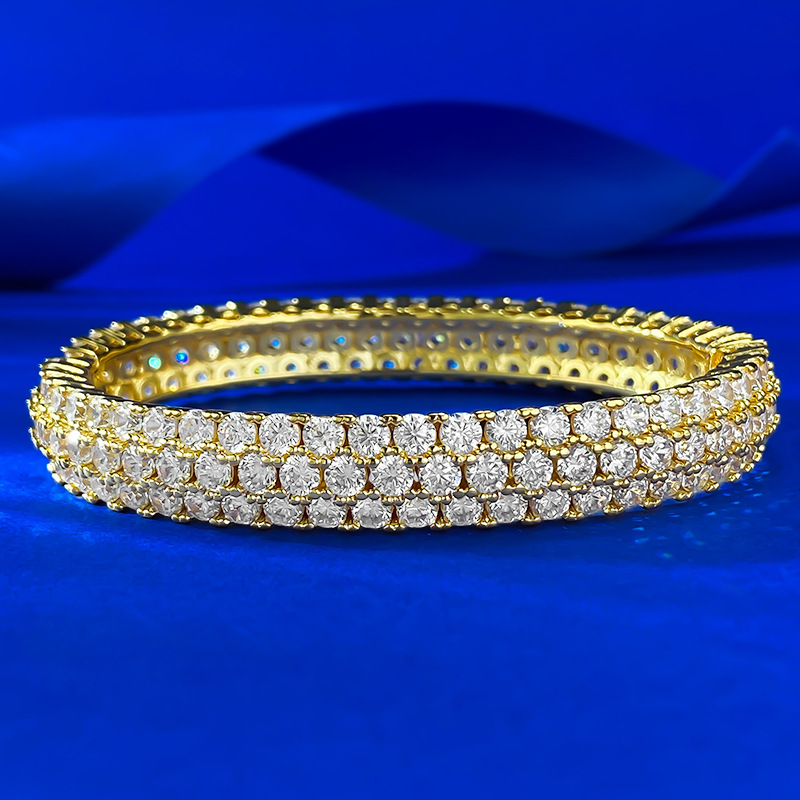
Diamond Tennis Bracelet Cleaning Care: Home vs. Jeweler Cleaning
Diamond Tennis Bracelet cleaning care sounds simple, but it makes a real difference in how your bracelet looks and wears. A tennis bracelet sits close to your skin, so it picks up lotion, sunscreen, soap film, perfume, sweat, and dust. Even bright diamonds can look flat when residue covers the facets or builds up under the settings.
A tennis bracelet also has more moving parts than many other diamond pieces. Each link, prong, basket, clasp, and safety catch has a job. Good care keeps the diamonds lively and helps protect the structure that makes the bracelet comfortable.
Should you clean it at home or take it to a jeweler? The best answer is usually both. Home cleaning handles routine dullness, while professional service checks the tiny details you may not see.
Diamond Tennis Bracelet Cleaning Care: What We’re Comparing
This guide compares two practical options: gentle at-home cleaning and professional cleaning with inspection. They are not rivals. They solve different problems.
At-home Diamond Tennis Bracelet cleaning care works best for weekly or biweekly upkeep. It removes light oil, lotion, and everyday film before grime hardens. It costs little, takes about 15 to 25 minutes, and fits easily into a regular jewelry routine.
Professional cleaning goes deeper. A jeweler can inspect prongs under magnification, test the clasp, check the safety catch, and look for stretched or stiff links. That inspection matters because one weak point can put a diamond at risk.
We’re comparing each method by the factors owners actually care about:
- Safety for diamonds, gold, prongs, and links
- Sparkle after cleaning
- Cost and time
- Ease of repeating the routine
- Clasp and safety-catch protection
- Long-term confidence
StoneBridge Jewelry focuses on premium lab-grown Diamond Tennis Bracelets made for brilliance, value, and responsible ownership. Lab-grown diamonds have the same chemical, optical, and physical properties as mined diamonds. The bracelet setting still needs care, because gold, prongs, and clasps experience daily wear.
Why Tennis Bracelets Need Special Care
Diamonds rank 10 on the Mohs hardness scale, which means they resist scratching better than any other natural gemstone. Hardness does not stop grease. GIA explains that diamonds attract oil, so skin products and hand cream can dull their sparkle fast.
A tennis bracelet has dozens of small spaces where buildup can hide. Oil collects behind the stones. Soap dries around prongs. Dust settles between links. Over time, that film can make the bracelet look cloudy and can hide early signs of wear.
Professional jewelers often suggest regular gentle cleaning plus periodic inspection. Cleaning brings back brightness. Inspection helps catch lifted prongs, weak clasps, or link wear before they become expensive repairs.
How a Tennis Bracelet Differs from Other Diamond Jewelry
A tennis bracelet is a flexible line of diamonds, often set in four-prong, shared-prong, basket, or bezel settings. That design creates elegant movement and many contact points. Every diamond setting connects to the next.
Bracelets take more knocks than pendants. They tap against desks, zippers, watch bands, handbags, sleeves, and countertops. They also sit near hands, where soap, sanitizer, sunscreen, and lotion are common.
Good Diamond Tennis Bracelet cleaning care protects shine and structure. The goal is not hard scrubbing. The goal is to loosen buildup safely while keeping each setting secure.
At-Home Diamond Tennis Bracelet Cleaning Care
At-home cleaning is the best routine method between jeweler visits. For most secure bracelets, you only need lukewarm water, mild dish soap, a soft toothbrush, a clean bowl, and a lint-free cloth.
Use lukewarm water, not hot or boiling water. A few drops of mild dish soap help break down oils without harsh chemicals. A clean bowl is safer than the sink, where a slippery bracelet can slide toward the drain.
Skip bleach, chlorine, toothpaste, baking soda paste, abrasive powders, ammonia-heavy cleaners, and rough pads. Chlorine can weaken gold alloys with repeated exposure. Toothpaste and gritty cleaners can scratch metal.
A safe home routine looks like this:
- Inspect the bracelet first. Look for missing stones, lifted prongs, bent links, or a clasp that does not click firmly.
- Mix lukewarm water with a few drops of mild dish soap in a clean bowl.
- Soak the bracelet for 10 to 15 minutes.
- Brush gently with a soft toothbrush, especially behind each diamond.
- Clean around the clasp, but don’t force the hinge or safety catch.
- Rinse in a second bowl of clean lukewarm water.
- Pat dry with a lint-free cloth, then let it air dry fully before storage.
This method works well for lab-Grown Diamond Bracelets worn a few times a week. It removes fresh buildup before it turns into stubborn grime.
At-Home Cleaning Benefits
The classic soap-and-brush method targets the most common cause of dullness: surface film. Warm water loosens residue. The soft brush reaches the underside of the diamonds and the base of each setting.
Pay close attention to the back of the bracelet. That is where diamonds sit closest to your skin. Brush from the underside instead of scrubbing hard across the top.
Drying matters, too. Water spots can make diamonds look less crisp under bright light. After Diamond Tennis Bracelet cleaning care at home, let the bracelet dry fully before placing it in a pouch, jewelry box, or tray.
At-Home Cleaning Limits
Home cleaning is affordable and convenient, but it cannot tighten a loose stone. It cannot rebuild a worn prong, fix a stretched link, or repair a weak clasp. If something feels off, stop wearing the bracelet and contact a jeweler.
Use ultrasonic cleaners with caution. These machines use vibration to shake dirt loose, but that same vibration can worsen loose stones or weakened settings. Only use one after a jeweler has inspected the bracelet and confirmed that it is secure.
Professional Diamond Tennis Bracelet Cleaning Care
Professional Diamond Tennis Bracelet cleaning care is the stronger choice when you need deep cleaning or a safety check. It is not just about shine. It protects the bracelet’s structure.
A jeweler can inspect prongs, links, clasps, safety catches, and stone security while cleaning. That matters because tennis bracelets are built from many small repeating parts. One worn link or lifted prong can lead to a lost diamond.
Professional tools may include steam cleaning, ultrasonic cleaning, hand cleaning, polishing, and magnified inspection. Not every bracelet should go into an ultrasonic machine. A trained jeweler can decide what is safe based on the bracelet’s condition.
Professional cleaning is especially useful for daily-wear or higher-carat bracelets. A 3 carat total weight tennis bracelet may hold dozens of diamonds. A 5, 7, or 10 carat total weight bracelet often carries larger stones, so routine inspection becomes even more valuable.
What a Jeweler Checks
A jeweler can remove grime from areas a toothbrush may miss. Steam can clear residue under settings. Ultrasonic cleaning may help with tight spaces if the bracelet is secure. Light polishing can refresh metal, though it should not be overdone.
The inspection is the biggest advantage. Under magnification, a jeweler checks each diamond and setting. They can test the clasp, safety latch, hinge, and bracelet flexibility.
Industry practice often points to professional inspection every 6 to 12 months for frequently worn fine jewelry. For daily-wear tennis bracelets, a six-month check is a smart benchmark. For occasional wear, annual inspection may be enough unless the bracelet feels loose, cloudy, or damaged.
Professional Cleaning Pros and Cons
Professional care gives the deepest clean and the best peace of mind. It is a smart choice before weddings, anniversaries, vacations, appraisals, gifting, or resale review.
The main benefits are clear:
- Deeper cleaning in tight areas
- Expert review of prongs, links, stones, and clasp parts
- Early repair before a diamond is lost
- Event-ready sparkle
The tradeoffs are cost and timing. Some jewelers charge a cleaning or inspection fee, especially if the bracelet was bought elsewhere or needs repair. Turnaround can range from a quick visit to several days.
Professional care should support at-home diamond tennis bracelet cleaning care, not replace it. Think of home cleaning as shine maintenance and jeweler service as preventive maintenance.
At-Home vs Professional Cleaning: Side-by-Side
Most owners get the best results by using both methods. Home cleaning wins for speed and convenience. Professional care wins for deep cleaning and hidden-problem detection.
| Cleaning Method | Best Use Case | Typical Cost | Time Required | Safety Level | Cleaning Depth | Inspection Value |
|---|---|---|---|---|---|---|
| Warm soapy water at home | Weekly or biweekly care | Usually under $10 for supplies | 15 to 25 minutes | High when gentle | Light to moderate | Obvious issues only |
| Professional hand cleaning | Older or delicate bracelets | Varies by jeweler | Same day to several days | Very high | Moderate to deep | Strong |
| Professional steam cleaning | Event prep or stubborn residue | Varies by jeweler | Often quick | High if suitable | Deep | Strong |
| Ultrasonic cleaning | Only after jeweler approval | Varies | Usually quick | Conditional | Deep | Helpful if settings are secure |
If the bracelet is newer, secure, and only lightly dull, start with gentle home care. If it still looks cloudy, the clasp feels weak, or a link moves oddly, choose professional service first.
Our customers often tell us their tennis bracelet looks brightest when they clean it lightly every week or two and book a jeweler check before heavy travel or major events. That simple rhythm keeps the piece ready without overhandling it.
How to Decide What Your Bracelet Needs
Sparkle is the easiest clue. If diamonds look bright after a warm soapy soak, home cleaning did the job. If dullness remains, residue may be trapped under the settings or the metal may need professional attention.
Security matters even more. Tennis bracelets rely on small prongs, baskets, or bezels. Rough scrubbing, harsh chemicals, and unapproved ultrasonic use add risk.
Cost and convenience favor home care. Long-term protection favors professional inspection. For a bracelet with dozens of diamonds, the cost of a checkup can be small compared with replacing a stone or repairing a damaged section.
Who Should Clean at Home and Who Should Visit a Jeweler
Choose at-home diamond tennis bracelet cleaning care if your bracelet feels secure and only has light surface dullness. It works well for regular wearers who remove the bracelet before showering, swimming, sleeping, workouts, and heavy chores.
Choose professional cleaning if the bracelet is worn daily, has not been cleaned in months, or still looks cloudy after home cleaning. A clasp that closes less firmly, a stiff link, or a stone that looks uneven needs expert attention.
Inherited and secondhand bracelets should go to a jeweler first. Even when the diamonds look beautiful, older gold settings may have wear that is hard to see without magnification.
The strongest routine is a blend: clean gently at home every 1 to 2 weeks, then schedule professional cleaning and inspection once or twice a year. You get regular sparkle and better confidence in the bracelet’s condition.
If you’re comparing other diamond pieces, you can also shop our lab-grown diamonds at /diamonds or browse fine jewelry styles at /jewelry to build a collection with similar care needs.
Choose At-Home Cleaning If
Home care is the right first choice when the bracelet is newer, secure, and lightly dull. It suits bracelets worn to work, dinners, and occasional events where exposure to lotion and dust is moderate.
It is also helpful when you want a low-cost way to keep diamonds bright. A few minutes of careful cleaning can make the bracelet look noticeably fresher.
Use only soft, non-abrasive materials. If you see a lifted prong, loose-feeling link, or weak clasp, don’t keep cleaning. Set the bracelet aside and ask a jeweler to check it.
Choose Professional Cleaning If
Professional cleaning is better when the bracelet is worn daily, exposed to cosmetics often, or overdue for service. Daily wear creates more buildup and more motion through the clasp and links.
Book a jeweler visit if home cleaning does not restore sparkle. Persistent cloudiness can come from deeper residue, hard-water minerals, or hidden wear.
Professional service is also smart before travel, gifting, insurance appraisal, resale evaluation, or a formal event. The bracelet looks better, and the inspection adds peace of mind.
Best Diamond Tennis Bracelet Cleaning Care Routine
The best diamond tennis bracelet cleaning care routine is simple: wipe after wear, clean gently every 1 to 2 weeks, and schedule professional inspection every 6 to 12 months. This plan protects sparkle without stressing the bracelet.
For daily wear, wipe the bracelet with a lint-free cloth after taking it off. Clean with mild soap and lukewarm water weekly or biweekly. Choose the shorter inspection interval if the bracelet has a high carat weight, shared prongs, or frequent exposure to cosmetics.
For occasional wear, clean after several wears or whenever the diamonds look less sharp. Check the clasp before storage. Store the bracelet flat or gently curved in a soft pouch or lined jewelry box.
For special events, clean at home only if the bracelet already feels secure. If it catches on fabric, looks cloudy, or feels loose, book professional service before wearing it.
Protective habits matter as much as cleaning. Remove your bracelet before swimming, since chlorine can affect gold alloys over time. Take it off before applying lotion, sunscreen, perfume, or hair products.
A quick pre-wear check takes less than a minute:
- Listen for a firm clasp click.
- Confirm the safety catch is engaged.
- Look for uneven stones or lifted prongs.
- Feel for stiff, stretched, or bent links.
- Stop wearing the bracelet if anything feels wrong.
We’ve found that owners are more consistent with care when the routine is easy. Keep a soft brush, mild soap, and lint-free cloth together, and you’ll be more likely to clean the bracelet before buildup becomes visible.
Suggested Cleaning Schedule
For daily wear, wipe after each use, clean every 1 to 2 weeks, and schedule a professional inspection every 6 months. If your bracelet is 5 carats total weight or larger, that six-month rhythm is worth keeping.
For occasional wear, clean after several wears and inspect before storage. Make sure the bracelet is fully dry before closing it inside a box or pouch.
For event wear, use at-home diamond tennis bracelet cleaning care if the bracelet is secure and recently inspected. Choose professional cleaning if sparkle does not return or the clasp feels weak.
Shop Easy-Care Lab-Grown Diamond Tennis Bracelets
The winning care plan is clear: pair gentle home cleaning with scheduled professional inspection. That routine keeps the bracelet bright, secure, and ready to wear.
StoneBridge Jewelry lab-grown diamond tennis bracelets are designed for buyers who want brilliance, value, and everyday elegance. Lab-grown diamonds are graded by the same 4Cs used for mined diamonds: cut, color, clarity, and carat weight. Many shoppers compare 2 to 7 carat total weight bracelets for daily wear, while larger carat weights create a stronger statement.
Before You Buy, compare the details that affect both style and upkeep:
- Carat weight: Higher total weight may need closer inspection.
- Metal color: White gold looks bright and diamond-forward; yellow gold adds warmth.
- Clasp type: A box clasp with safety catch supports confident wear.
- Setting style: Prongs maximize light; bezels can feel smoother.
- Bracelet length: A good fit reduces excess movement and impact.
Shop StoneBridge Jewelry’s lab-grown diamond tennis bracelets for lasting sparkle and easy ownership. Start with classic lab-grown diamond tennis bracelets, compare white gold diamond tennis bracelets, or explore yellow gold diamond tennis bracelets. For fit and care questions, visit our jewelry care support, review our FAQ, or contact our jewelry experts.
Ready to Find Your Perfect Diamond?
Explore our collection of certified lab-grown diamonds
Shop Diamonds