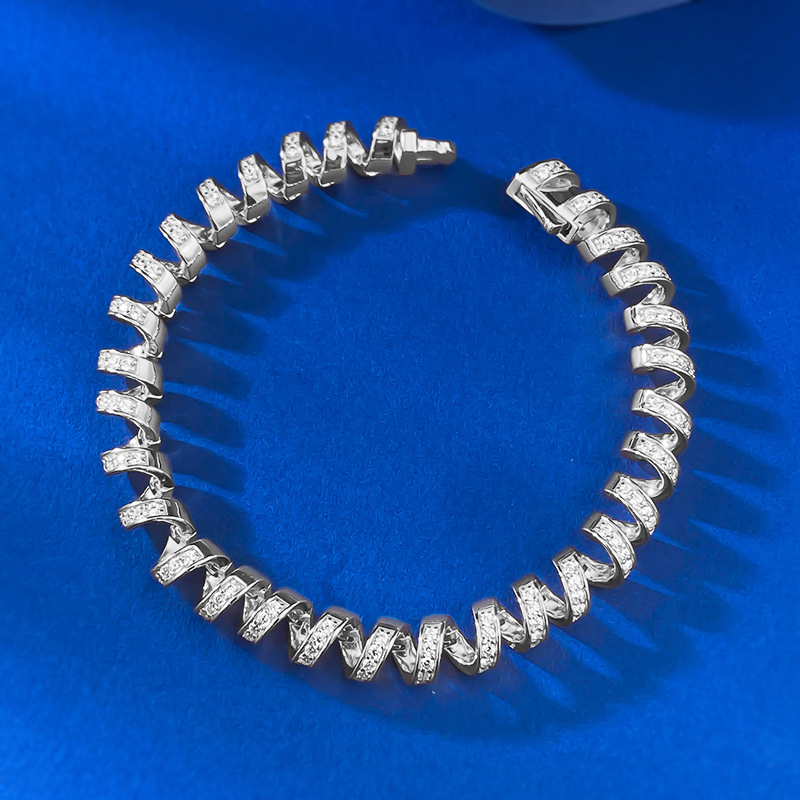
Choose a Diamond Tennis Bracelet for Everyday Wear
A Diamond Tennis Bracelet for everyday wear has a quiet kind of confidence. It works with a blazer, denim, a dinner dress, or a simple watch. The real question is not whether it looks beautiful. It is whether the bracelet is built well enough for your normal routine.
That comes down to fit, clasp security, setting style, metal, and care. A good bracelet should feel smooth, flexible, and secure on the wrist. It should sparkle without feeling fussy. It should also be easy to enjoy often.
Why an Everyday Diamond Tennis Bracelet Works So Well
A tennis bracelet is one of the easiest fine jewelry pieces to wear often. Its line of diamonds adds polish without shouting for attention. That balance makes a Diamond Tennis Bracelet for everyday wear a strong choice if you want one piece that moves from errands to office hours to dinner.
Bracelets live a harder life than pendants. They tap desks, brush sleeves, catch on bags, and move every time your hand moves. So the whole piece matters, not just the diamonds.
Diamonds score 10 on the Mohs hardness scale, according to the Gemological Institute of America. That means they resist scratches very well. Still, hardness does not make a bracelet damage-proof. A sharp hit can chip a diamond or bend a setting.
Our customers often tell us they want a bracelet they can wear often, not one that stays in the box. The best results come from lower-profile settings, a dependable clasp, and a fit that stays close without pinching.
What Makes a Tennis Bracelet Different
A tennis bracelet is a flexible line bracelet set with diamonds or gemstones. Unlike a bangle, it bends with your wrist. Unlike a charm bracelet, it keeps a clean and even shape.
The name became famous after tennis player Chris Evert paused a U.S. Open match when her diamond bracelet came loose. Jewelers still mention that story because it proves a simple point: sparkle matters, but security matters more.
A Diamond Tennis Bracelet for everyday wear is popular because it gives steady brilliance from every angle. There is no single center stone to style around. The eye reads the bracelet as a neat line of light.
That clean shape also makes it flexible. You can wear it alone, pair it with diamond studs, or place it near a watch if the pieces do not rub. The style feels classic, but it does not feel stuck in one era.
Everyday-Wear Features That Matter Most
Before You Choose a Diamond Tennis Bracelet for everyday wear, look at the parts that affect daily comfort and safety. A bracelet can look lovely in a photo and still feel wrong on the wrist.
Focus on these details first:
- Diamond quality and matching
- Setting height and stone protection
- Metal type and finish
- Clasp strength and safety catches
- Link flexibility
- Bracelet length and fit
- Cleaning and inspection needs
The right bracelet should move a little, but not slide wildly. It should sit low enough that it does not snag on sweaters or bag straps. It should also close with a firm click that you can feel.
Everyday wear does not mean nonstop wear. Remove fine jewelry before workouts, swimming, cleaning, gardening, and sleep. That habit protects the bracelet and makes repairs less likely.
Diamond Quality and Matching
A Diamond Tennis Bracelet for everyday wear should have diamonds that look consistent across the wrist. Matching matters because many small stones sit side by side. If one diamond looks darker or duller, your eye will catch it.
Most tennis bracelets use round brilliant diamonds because they give strong sparkle in a repeating pattern. Cut quality still matters, even with smaller stones. Better-cut diamonds return more light and make the bracelet look brighter.
Lab-grown diamonds can be a smart choice for this style. GIA and IGI both recognize that lab-grown diamonds have the same chemical composition, crystal structure, optical properties, and hardness as mined diamonds. In daily use, the bracelet's construction affects wearability more than diamond origin.
For higher-value bracelets, ask what documentation is included. Some bracelets come with a grading summary rather than individual reports for every small diamond. That is common, but the seller should explain the grading standards clearly.
Settings for a Diamond Tennis Bracelet for Everyday Wear
The setting holds each stone in place, so it deserves close attention. The best setting depends on how you use your hands and how much sparkle you want.
Common setting styles include:
- Prong settings: Classic, bright, and airy, with small metal claws holding each diamond.
- Shared-prong settings: Delicate and elegant, but highly dependent on precise workmanship.
- Bezel settings: Smooth and protective, with metal surrounding each diamond edge.
- Channel-style designs: Sleek and low profile, with diamonds held between metal walls.
Prong settings offer a lot of brilliance, but the prongs need checks. Bezel settings protect edges better and feel smooth against clothing. For a Diamond Tennis Bracelet for everyday wear, many shoppers prefer a lower setting because it catches less.
Try this quick test if you are shopping in person: gently shake the bracelet near your ear. You should not hear stones rattling. Then run a fingertip over the setting. It should feel smooth, not sharp.
Best Metals for Daily Wear
Metal affects strength, color, weight, and maintenance. For a Diamond Tennis Bracelet for everyday wear, the metal should match both your style and your habits.
| Metal | Daily Wear Strength | Maintenance | Best For |
|---|---|---|---|
| 14k gold | High | Low to moderate | Frequent wear and balanced durability |
| 18k gold | Moderate | Moderate | Richer gold color and a softer luxury feel |
| White gold | High in 14k, moderate in 18k | May need rhodium replating | Bright white color at a practical price |
| Platinum | High density | Develops patina | Naturally white metal and premium weight |
14k gold is a common pick because it contains more alloy than 18k gold. That can make it more resistant to bending and scratching. If you want daily practicality, it is often the safer gold choice.
18k gold has a richer look, especially in yellow gold. It can work well, but it may show wear sooner. White gold looks crisp, though rhodium plating can fade and need refreshment. Platinum feels substantial and develops a soft patina over time.
How to Choose the Right Bracelet
Choosing a diamond tennis bracelet for everyday wear is part style choice and part comfort check. The bracelet should look good, but it also needs to fit your real day. Do you type all day, chase toddlers, cook often, or stack bracelets with a watch?
Start with these decisions:
- Choose a practical total carat weight.
- Pick a setting height that suits your routine.
- Select a metal that can handle regular wear.
- Check the clasp and safety features.
- Measure your wrist before buying.
- Ask about grading and care.
A slightly understated bracelet often becomes the one people wear most. A very large bracelet may look stunning, but it can feel less comfortable during daily tasks.
If you are comparing diamond quality, you can shop lab-grown diamonds to see how cut, color, clarity, and carat weight change the final look.
Pick a Practical Carat Weight
Total carat weight is the combined weight of all diamonds in the bracelet. A 2 carat total weight bracelet will look slimmer than a 5 carat total weight bracelet, even if the design is similar.
For a diamond tennis bracelet for everyday wear, smaller matched diamonds often make sense. They sit lower, layer more easily, and feel polished with casual clothing. Larger diamonds create more presence, but they can add height and weight.
Wrist size changes the effect. A 3 carat total weight bracelet may look bold on a small wrist and balanced on a larger wrist. Proportion matters more than trend.
Ask yourself whether this will feel easy on an ordinary Tuesday. If the answer is no, consider a slimmer style or a lower setting.
Check Clasp Security
The clasp is one of the most important parts of a diamond tennis bracelet for everyday wear. It handles constant movement, so it needs to close securely every time.
Box clasps are popular because they slide into a fitted housing. Fold-over safety locks add backup protection. Some bracelets use double safety catches, which can give extra peace of mind.
A good clasp should click firmly. It should not feel loose, soft, or hard to align. If you are buying online, read the clasp details and ask whether the bracelet includes a safety catch.
Clasp tension can change with use. If the closure starts to feel weaker, stop wearing the bracelet until a jeweler checks it. That small pause can prevent a costly loss.
Get the Fit Right
Fit makes a huge difference. A diamond tennis bracelet for everyday wear should move slightly, but it should not spin all day or slide far up your arm.
A bracelet that is too tight can pinch and stress the links. A bracelet that is too loose can hit desks, countertops, and door handles. Both problems can shorten the life of the piece.
Many wearers like enough room to slip one finger between the bracelet and wrist. That is a helpful starting point, not a strict rule. Bracelet style and wrist shape matter too.
Measure your wrist with a soft tape or a strip of paper. If you are between sizes, ask for professional sizing. Resizing a tennis bracelet can mean adding or removing links, so it is better to start close.
Styling a Diamond Tennis Bracelet for Everyday Wear
A tennis bracelet does not need a formal event. Worn simply, it can become your daily signature piece. The trick is to keep the styling intentional.
For work, pair it with a blazer, knit top, crisp shirt, or simple dress. For weekends, try it with denim, linen, cashmere, or a white tee. For dinner, let it sit beside diamond studs or a slim ring.
Metal color changes the mood. Yellow gold feels warm and classic. White gold and platinum look clean and bright. Rose gold brings softness.
You can browse fine jewelry styles to compare how different metals and silhouettes work together. If you are building a coordinated look, explore engagement ring settings for metal and diamond-shape ideas.
Wear It Alone
Wearing a diamond tennis bracelet for everyday wear by itself is the easiest option. It lets the diamonds stand out and cuts down on rubbing from other pieces.
This look works with almost anything. It feels polished with tailored clothes and relaxed with denim. It also helps preserve the bracelet's finish because there is less metal-on-metal contact.
If you want a low-maintenance routine, start here. One bracelet, worn well, can say plenty.
Layer It Carefully
Layering can look beautiful, but it adds friction. Diamonds can scratch softer metals, and rough chains can wear against prongs or links.
If you stack a tennis bracelet with a watch, check that the pieces are not grinding together. A smooth bangle is usually kinder than a sharp-edged cuff. Leave a little space when you can.
Mixed metals can work if they look intentional. A white gold bracelet beside a yellow gold watch can feel modern when other pieces repeat both tones.
For a diamond tennis bracelet for everyday wear, less is often safer. Layer lightly, listen for clanking, and remove pieces that rub.
Daily Care for a Diamond Tennis Bracelet
Good care makes frequent wear realistic. A diamond tennis bracelet for everyday wear can stay bright and secure when you clean it gently, store it separately, and inspect it often.
Put the bracelet on after lotion, perfume, sunscreen, and hair products. Remove it before impact, chemicals, sweat, or heavy pressure. Store it flat in a soft pouch or lined jewelry box.
Many jewelers recommend professional inspections every 6 to 12 months for frequently worn fine jewelry. Ask the jeweler to check prongs, links, clasp tension, safety catches, and metal wear. That schedule is simple, but it prevents many problems.
Diamonds attract oils, so sparkle can fade between cleanings. The stones are not losing brilliance. They are usually just coated with everyday buildup.
When to Take It Off
A diamond tennis bracelet for everyday wear should still come off during risky tasks. That is normal Fine Jewelry Care, not a sign that the bracelet is fragile.
Remove it before:
- Exercising or lifting weights
- Swimming in pools, hot tubs, lakes, or oceans
- Cleaning with bleach, ammonia, or strong chemicals
- Gardening or yard work
- Sleeping
- Applying lotion, perfume, sunscreen, or hair products
- Cooking sticky or heavy-prep foods
- Moving furniture or using tools
Chlorine can affect metal finishes, especially rhodium on white gold. Sweat and lotion can build up under stones. Repeated pressure can stretch links or weaken a clasp.
Keep a soft pouch or small tray in a safe place. If removal is easy, you are more likely to do it.
Clean It Safely at Home
A simple cleaning routine keeps the bracelet bright and helps you spot problems early. You do not need harsh products.
Use this method:
- Fill a small bowl with warm water and a few drops of mild dish soap.
- Soak the bracelet for 10 to 15 minutes.
- Brush gently behind the diamonds and around the links with a soft brush.
- Rinse with clean water over a closed drain or strainer.
- Pat dry with a lint-free cloth.
- Let it air dry fully before storage.
Skip toothpaste, baking soda scrubs, abrasive cloths, and strong cleaners. Be careful with ultrasonic machines too. They can loosen stones if prongs are worn or if the bracelet has hidden damage.
Professional cleaning gives the bracelet a deeper refresh. It also lets a jeweler catch loose stones, thinning prongs, stretched links, or clasp fatigue.
Common Mistakes to Avoid
The biggest mistake is buying for sparkle alone. A diamond tennis bracelet for everyday wear needs good engineering, not just bright diamonds.
Do not choose total carat weight before comfort. A larger bracelet can look impressive, but it may sit higher and catch more often. Balance size with setting height and wrist proportion.
Do not ignore the clasp. A weak clasp turns a beautiful bracelet into a worry. Choose a secure closure with a safety feature, then check it often.
Do not wear it to the gym. Weights, machines, and repetitive movement can bend settings or stretch links. Put it in a safe place before you start.
Do not sleep in it. Sheets can catch prongs, and wrist pressure can stress the links. Make removal part of your night routine.
Do not store it loose with other jewelry. Diamonds can scratch gold, platinum, and gemstones. Use an individual pouch or a separate slot in a soft-lined box.
Are Lab-Grown Diamond Tennis Bracelets Good for Daily Wear?
Yes, a lab-grown diamond tennis bracelet for everyday wear can be an excellent choice. Lab-grown diamonds are real diamonds, not simulants. They have the same hardness and optical properties as mined diamonds.
The key is craftsmanship. A well-built lab-grown bracelet with secure settings, strong metal, and a dependable clasp can be just as wearable as a mined diamond bracelet.
Lab-grown diamonds may also help your budget go further. Many buyers can choose a higher color grade, better clarity, or a larger total carat weight for the same spend. Others use the savings to prioritize a stronger setting or better clasp.
Ask for clear quality documentation from recognized labs such as GIA or IGI. For bracelets with many small stones, a grading summary may be more common than individual reports. A reputable jeweler should explain exactly what you are buying.
A lab-grown diamond tennis bracelet for everyday wear is a strong option if you want sparkle, value, and clear diamond origin information. It still needs the same care as any fine bracelet.
Choose a Bracelet You Will Actually Wear
The best diamond tennis bracelet for everyday wear is the one that fits your life. It should feel secure, comfortable, and easy to style. It should also be built well enough for regular use.
Start with the clasp, setting, metal, and fit. Then choose the carat weight and diamond look that feel right on your wrist. Beauty matters, but comfort keeps the bracelet in rotation.
With smart care, a diamond tennis bracelet for everyday wear can become one of the most useful pieces in your jewelry box. It can be quiet, polished, personal, and easy to love.
StoneBridge Jewelry offers lab-grown diamond jewelry for modern buyers who care about quality and thoughtful design. You can read more jewelry buying guides or contact our team for help choosing a bracelet that suits your routine.
FAQ
Can you wear a diamond tennis bracelet every day?
Yes, you can wear a diamond tennis bracelet every day if it is well made, properly fitted, and cared for. Look for secure settings, a strong clasp, and a length that does not slide too much. Take it off before workouts, swimming, cleaning, gardening, and sleep. A jeweler should inspect frequently worn bracelets every 6 to 12 months.
What setting is best for a diamond tennis bracelet for everyday wear?
The best setting depends on your habits. Bezel settings give more edge protection and a smooth feel, which can be helpful for daily wear. Well-made prong settings offer more visible sparkle, but they need regular checks. For a diamond tennis bracelet for everyday wear, a lower-profile setting is usually easier to live with.
Is 14k or 18k gold better for an everyday tennis bracelet?
Both can work, but 14k gold is often the practical choice for frequent wear. It contains more alloy than 18k gold, so it usually resists bending and scratching better. 18k gold has a richer color and a softer luxury feel. If you are hard on bracelets, 14k gold may give you more peace of mind.
How should a tennis bracelet fit for daily wear?
A tennis bracelet should move slightly without spinning or sliding far up your arm. Many people like enough room to fit one finger between the bracelet and wrist. Too tight can strain links, while too loose can hit surfaces and snag. Professional sizing is worth it for a bracelet you plan to wear often.
Are lab-grown diamond tennis bracelets durable enough for everyday wear?
Yes, lab-grown diamond tennis bracelets can be durable enough for everyday wear. Lab-grown diamonds have the same hardness, brilliance, and chemical composition as mined diamonds. The bracelet's long-term wear depends more on setting quality, clasp strength, metal choice, and care. Ask for GIA, IGI, or clear seller documentation when comparing options.
Ready to Find Your Perfect Diamond?
Explore our collection of certified lab-grown diamonds
Shop Diamonds