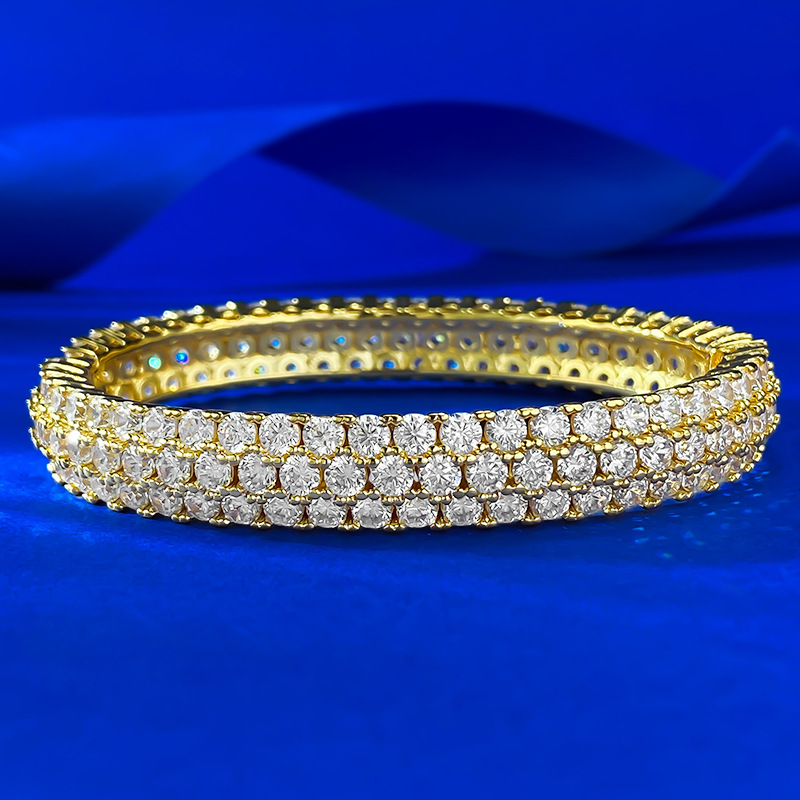
Diamond Tennis Bracelet Carat Cost: Smart Ways to Compare Size, Fit, and Value
A Diamond Tennis Bracelet has a rare kind of ease. It looks polished with a black dress, a blazer, or a plain white shirt. It can mark an anniversary, a birthday, a wedding day, or a quiet personal milestone.
For most shoppers, Diamond Tennis Bracelet carat cost is the first question. The honest answer is that price depends on more than total carat weight. Diamond quality, metal, bracelet length, setting style, clasp strength, and craftsmanship all change the final value.
StoneBridge Jewelry focuses on lab-grown Diamond Tennis Bracelets for buyers who want real diamond sparkle with practical value. Customers often get the best result when they compare wrist presence first, then review carat weight and specifications. A larger bracelet only feels like the right choice when it also feels secure, comfortable, and well made.
Diamond Tennis Bracelet Carat Cost: What the Number Really Means
Diamond Tennis Bracelet carat cost starts with total carat weight, often shown as CTW or TCW. This is the combined weight of every diamond in the bracelet. It is not the weight of one stone.
A 3.00 CTW bracelet may use dozens of small matched diamonds. A 7.00 CTW bracelet usually uses larger diamonds, so it has a stronger look on the wrist. The Gemological Institute of America notes that 1 carat equals 200 milligrams, which helps explain why even small weight changes can affect price.
Still, Diamond Tennis Bracelet Carat cost is not a simple cost-per-carat calculation. A well-cut 3.00 CTW bracelet can look brighter than a heavier bracelet with dull or uneven stones. The setting and clasp also matter because a bracelet moves all day.
Key cost factors include:
- Total carat weight and the size of each diamond
- Cut quality, color, clarity, and stone matching
- Metal type, such as 14K gold, 18K gold, or platinum
- Bracelet length and the number of diamonds needed
- Setting style, including prong, shared-prong, or bezel
- Clasp design, safety features, and link construction
For a better comparison, look at Diamond Tennis Bracelet Carat cost alongside photos, videos, and product details. A bracelet should sparkle evenly from the top of the wrist. It should also feel smooth, balanced, and secure.
Total Carat Weight vs. Diamond Size
Total carat weight tells you the full diamond weight across the bracelet. It does not tell you exactly how large each stone will look. Two bracelets with the same CTW can appear different because of diamond count, length, and setting style.
For example, a 4.00 CTW bracelet made in a 6.5-inch length may show slightly larger diamonds than a 4.00 CTW bracelet made in a 7.5-inch length. The same total weight is spread across fewer stones. That small sizing detail can change visual impact.
A bracelet with fewer, larger diamonds often has bolder flashes. A bracelet with more smaller diamonds can create a soft ribbon of light. The better choice depends on your style and how often you plan to wear it.
Why Lab-Grown Diamonds Change the Value
Lab-grown diamonds are real diamonds. They have the same optical, chemical, and physical properties as mined diamonds. GIA and IGI both grade lab-grown diamonds using the core 4Cs: cut, color, clarity, and carat weight.
Because lab-grown diamonds are created in controlled conditions, they often offer a stronger size-to-price relationship. That can improve Diamond Tennis Bracelet carat cost for shoppers who want more sparkle within a set budget. Many buyers can move up in CTW, choose better color, or select a more refined setting.
This value is especially helpful in tennis bracelets. Every stone contributes to the look, so better matching and brighter cutting make a visible difference.
Features That Shape Diamond Tennis Bracelet Carat Cost
Two bracelets can both say 5.00 CTW and still have very different prices. One may use better-cut diamonds. Another may have a heavier gold setting, a safer clasp, or tighter quality matching.
Diamond tennis bracelet carat cost should always be judged with the full specification list. A low price can be tempting, but it may reflect lighter construction or lower diamond quality. A bracelet worn on the wrist needs strength as much as sparkle.
Use this quick checklist before buying:
- Confirm total carat weight and bracelet length.
- Check cut, color, clarity, and matching details.
- Compare metal type and metal purity.
- Review clasp design and safety features.
- Look for clear product photos or videos.
- Read return, warranty, and support details.
A tennis bracelet should look beautiful under real light. It should also flex naturally and close with confidence. Those details are part of the real value, not extras.
Diamond Quality: Cut, Color, Clarity, and Grading
Cut has the strongest effect on sparkle. Well-cut diamonds return more light, so a bracelet can look brighter even at a lower total carat weight. Poorly cut stones may carry weight on paper, but they often look flat.
Color and clarity should fit the bracelet format. In many tennis bracelets, near-colorless diamonds look clean and white, especially in white gold or platinum. Eye-clean clarity grades can also offer strong value because small inclusions are hard to see without magnification.
Look for clear grading language. Reputable sellers should share total carat weight, metal type, diamond quality range, and whether stones are graded or quality checked. GIA and IGI standards give shoppers a useful frame of reference.
Metal Choice and Bracelet Construction
Metal affects price, color, weight, and durability. White gold gives a bright, icy look. Yellow gold adds warmth. Rose gold feels soft and modern. Platinum is naturally white and dense, but it usually costs more.
Gold purity matters too. 14K gold is popular for bracelets because it balances durability and luxury. 18K gold has more pure gold, so it has a richer color and a higher price. Platinum offers long wear, though it adds both weight and cost.
Construction can raise diamond tennis bracelet carat cost, but it protects the piece. Secure links, neat prongs, smooth movement, and a dependable clasp all matter. For higher-carat bracelets, a box clasp with a safety latch or figure-eight safety can add peace of mind.
Setting Style and Diamond Shape
Prong settings are classic because they let plenty of light reach the diamonds. Shared-prong settings place stones close together, creating a nearly continuous line of sparkle. Bezel settings wrap metal around each diamond for a sleek look and added protection.
Diamond shape changes the mood. Round brilliant diamonds remain the most common choice because they deliver strong light performance. Oval diamonds can look elegant and elongated. Emerald-cut diamonds create clean, step-cut flashes rather than classic round sparkle.
Comfort also matters. A flexible bracelet should follow the wrist without flipping constantly. The underside should feel smooth, and the setting should not pinch or snag.
Diamond Tennis Bracelet Cost by Carat Weight
Diamond tennis bracelet carat cost usually rises as CTW increases, but not in a perfectly straight line. Larger individual diamonds cost more because they require tighter matching and more careful setting. Higher color and clarity grades also lift the price.
The table below gives broad shopping guidance for lab-grown diamond tennis bracelets. Actual diamond tennis bracelet carat cost will vary by quality, metal, length, setting, and current inventory.
| Total Carat Weight | Typical Look | Best For | Cost Factors to Compare |
|---|---|---|---|
| 1.00-2.00 CTW | Slim, refined sparkle | Daily wear, first fine jewelry, subtle gifts | Cut quality, metal type, clasp security |
| 2.00-4.00 CTW | Noticeable but wearable | Anniversaries, birthdays, versatile luxury | Diamond matching, color range, bracelet length |
| 4.00-6.00 CTW | Strong wrist presence | Special occasions, elevated daily wear | Individual diamond size, setting quality, safety clasp |
| 6.00-10.00 CTW | Bold statement sparkle | Milestone gifts, formal wear, heirloom pieces | Higher-grade diamonds, heavier construction, metal choice |
| 10.00+ CTW | High-impact luxury | Statement jewelry collectors | Premium matching, advanced craftsmanship, appraisal support |
These ranges help you compare, but they do not replace product-page pricing. A 3.00 CTW platinum bracelet with higher color and clarity may cost more than a 4.00 CTW bracelet in 14K gold. The full specification sheet tells the real story.
If you're building a jewelry wardrobe, think about how the bracelet will pair with rings, watches, and necklaces. You can browse our fine jewelry collection for pieces that work with diamond bracelets. If you're planning a bridal or anniversary gift, you may also want to explore lab-grown engagement rings in the same metal color.
1 to 2 Carats: Refined Everyday Sparkle
A 1.00 to 2.00 CTW bracelet works well for understated luxury. It feels polished without being flashy. This range suits daily wear, graduation gifts, birthdays, or a first fine jewelry purchase.
Smaller diamonds can still sparkle beautifully when they are well cut and evenly matched. In this range, consistency matters. One dull stone can interrupt the line of light.
Diamond tennis bracelet carat cost at this level often gives buyers a comfortable entry point. It is also a good choice for stacking with a watch or a second bracelet.
2 to 6 Carats: Balanced Sparkle and Value
Many shoppers see 2.00 to 6.00 CTW as the sweet spot. The bracelet looks noticeable, but it still feels easy to wear. Lab-grown diamonds are especially appealing here because the value difference can be clear.
A bracelet in this range may allow better color, stronger clarity, or a more secure clasp without pushing beyond the budget. Customers often compare 3.00 CTW and 5.00 CTW styles first because the visual difference is easy to see on the wrist.
For frequent wear, Comfort and Security should sit beside sparkle. For a milestone gift, a slightly higher CTW can make the bracelet feel more memorable.
6 Carats and Up: Statement Diamond Bracelets
A bracelet above 6.00 CTW makes an immediate impression. The diamonds are larger, the flashes are stronger, and the bracelet usually feels more substantial. Quality differences are easier to notice at this size.
At higher price points, buyers should pay close attention to matching, color, clarity, and construction. The bracelet should have a secure clasp and smooth flexibility. It should not feel stiff or bulky.
High-carat styles suit major birthdays, anniversaries, weddings, and heirloom-minded gifts. Diamond tennis bracelet carat cost is higher here, but the visual payoff can be dramatic.
How to Choose the Best Bracelet for Your Budget
Start with a clear budget before comparing carat weights. Without a price range, it is easy to chase size and miss the details that affect wear. A smart budget keeps the search focused.
Next, decide how the bracelet will be worn. Daily bracelets should sit low, flex smoothly, and close securely. Event bracelets can be bolder and more dramatic.
Prioritize these features:
- Total carat weight for wrist presence
- Cut quality for brightness and fire
- Color and clarity for a clean look
- Metal type for style and durability
- Clasp strength for secure wear
- Bracelet length for comfort and fit
If two bracelets look similar in photos, read the specifications closely. One may have better diamond quality, a heavier setting, or a safer clasp. Those details can justify a higher diamond tennis bracelet carat cost because they improve daily use.
Set a Budget Before Comparing CTW
A defined price range helps you compare bracelets in the same quality tier. Some buyers want the largest bracelet possible. Others prefer a slightly lower CTW with better diamond quality and stronger construction.
Both approaches can work. The best choice is the one that fits your taste, lifestyle, and expectations. If you plan to wear the bracelet several times a week, better construction may matter more than extra size.
Financing options, return flexibility, and expert help can also make the purchase easier. If you are comparing diamonds for multiple jewelry pieces, you can shop lab-grown diamonds to review shapes, grading terms, and quality factors.
Match the Bracelet to Your Lifestyle
A low-profile bracelet often works best for daily wear. It sits close to the wrist, catches less easily, and layers well with a watch. Active routines may call for slimmer carat weights, bezel settings, or extra-secure clasps.
Larger carat weights shine for evening wear and statement styling. They create a strong line of light and can carry a look without many other accessories. If you want one standout piece, this may be the better direction.
Fit is non-negotiable. A tennis bracelet should move naturally, but it should not slide over the hand. If you're unsure, contact our jewelry experts before ordering.
Compare Value, Not Just Price Per Carat
The lowest price per carat is not always the best deal. A bracelet may cost less because the diamonds are poorly matched, the setting is light, or the clasp lacks a safety feature. Those compromises can affect long-term satisfaction.
Better craftsmanship improves durability, comfort, and polish. Well-set diamonds sit evenly. Smooth links flex without stiffness. A good clasp closes with a reassuring click.
Before you decide, compare diamond tennis bracelet carat cost against quality details and support policies. A transparent return policy and helpful customer service can be just as valuable as a lower price.
Fit, Sizing, and Care Before You Buy
Carat weight is only one part of a successful purchase. Fit affects how often you'll wear the bracelet. Care affects how long it keeps its beauty.
Bracelet length can also change diamond tennis bracelet carat cost. Longer bracelets require more metal and often more diamonds. If two bracelets share the same CTW but have different lengths, the shorter one may show slightly larger stones.
A common fit rule is to allow about 0.25 to 0.5 inches of room beyond your wrist measurement. Many buyers like enough space to slide one finger between the bracelet and wrist. This gives comfort without too much movement.
How a Tennis Bracelet Should Fit
Measure your wrist with a flexible tape, or wrap a strip of paper around your wrist and mark the overlap. Add a small comfort allowance. Then compare that number with the bracelet length listed on the product page.
A bracelet should not pinch. It also should not turn constantly or slip over the hand. If you are buying a gift, choose a style with clear sizing guidance or ask for help before ordering.
Wrist size changes the look of CTW. The same bracelet can appear bolder on a smaller wrist and more subtle on a larger wrist. Photos and length details matter for this reason.
How to Care for a Diamond Tennis Bracelet
Clean your bracelet with warm water, mild soap, and a soft brush when the design allows. Rinse carefully and dry it with a lint-free cloth. Avoid bleach, harsh chemicals, and abrasive cleaners.
Remove the bracelet during heavy exercise, gardening, swimming, or moving furniture. Diamonds are hard, but prongs, links, and clasps can still bend or loosen after impact.
Schedule periodic professional inspections. A jeweler can check prongs, links, and clasp security. This is especially useful for daily-wear bracelets and higher-carat pieces.
Why Buy a Lab-Grown Diamond Tennis Bracelet from StoneBridge Jewelry
StoneBridge Jewelry helps shoppers compare lab-grown diamond tennis bracelets with clear details and quality-focused selection. Our goal is simple: help you choose a bracelet that looks beautiful, fits well, and feels worth wearing often.
Lab-grown diamonds can make diamond tennis bracelet carat cost easier to manage. Instead of choosing between size and quality too early, many buyers can compare several strong options. That may mean more CTW, better color, or a setting that feels more secure.
A strong buying experience should be clear. You should be able to review total carat weight, diamond quality, metal type, bracelet length, setting style, and clasp information Before You Buy. Clear details make similar-looking bracelets easier to compare.
If you want a custom diamond look for another piece, you can also start with our ring builder and compare diamond shapes and settings across styles.
Practical Luxury with Real Sparkle
A lab-grown diamond tennis bracelet gives the classic look buyers love: a continuous line of real diamond brilliance. The value is the added benefit. You may be able to choose a more substantial bracelet than expected.
These bracelets work for anniversaries, birthdays, weddings, promotions, and self-purchase milestones. They feel special without being hard to style.
The right bracelet should feel personal. It should look polished with dressy outfits and simple daily pieces. Luxury should be wearable, not fussy.
Clear Details Help You Shop Confidently
Before buying, review the full specification list. Check total carat weight, diamond quality, metal type, bracelet length, setting style, and clasp design. These details make diamond tennis bracelet carat cost easier to compare.
Clear product information reduces guesswork. You can decide whether you want more size, a different metal color, or a lower-profile bracelet. If you need help narrowing choices, ask before ordering.
StoneBridge Jewelry supports buyers who want beauty, transparency, and value in one purchase. A tennis bracelet should feel exciting on day one and reliable every time you wear it.
Frequently Asked Questions About Diamond Tennis Bracelet Carat Cost
How much does a diamond tennis bracelet cost by carat weight?
Diamond tennis bracelet carat cost depends on total carat weight, diamond quality, metal, bracelet length, setting, and craftsmanship. Higher CTW usually costs more, especially when the bracelet uses larger individual diamonds. Lab-grown diamonds can help buyers compare larger or higher-quality bracelets at a stronger value. Always review the full specifications before judging price.
What carat weight is best for a tennis bracelet?
The best carat weight depends on your wrist size, budget, and style. A 1.00 to 2.00 CTW bracelet looks refined for daily wear. A 3.00 to 5.00 CTW bracelet gives more visible sparkle while staying versatile. Higher carat weights work well for statement jewelry and milestone gifts.
Is a lab-grown diamond tennis bracelet worth it?
Yes, a lab-grown diamond tennis bracelet can be a smart choice if you want real diamond sparkle and strong value. Lab-grown diamonds share the same core optical, chemical, and physical properties as mined diamonds. They may let you choose more CTW or better quality within the same budget. That can improve the overall diamond tennis bracelet carat cost equation.
Why do two tennis bracelets with the same CTW cost different amounts?
Two bracelets with the same CTW can differ because of cut, color, clarity, diamond shape, metal type, clasp design, and craftsmanship. Diamond count also matters because fewer larger diamonds may cost more than many smaller diamonds at the same total weight. Better matching and sturdier construction can raise the price. Those details often improve comfort, sparkle, and long-term wear.
What should I check before buying a diamond tennis bracelet online?
Check total carat weight, diamond quality, metal type, bracelet length, setting style, clasp design, return policy, and care guidance. Look for product photos that show the bracelet on a wrist. If sizing feels uncertain, ask a jewelry specialist before buying. A clear comparison helps you choose a bracelet that fits your budget and lifestyle.
Shop Diamond Tennis Bracelets at StoneBridge Jewelry
Diamond tennis bracelet carat cost is shaped by CTW, diamond quality, metal, setting, length, and craftsmanship. Carat weight creates presence, but cut creates sparkle. Fit and construction decide how often you'll reach for the bracelet.
Lab-grown diamond tennis bracelets make the decision especially appealing because they can deliver more brilliance for the budget. You can choose a subtle everyday bracelet, a balanced mid-range style, or a bold high-carat piece.
Explore StoneBridge Jewelry's lab-grown diamond tennis bracelets, compare current styles, and choose the carat weight that feels right before popular designs sell out.
Ready to Find Your Perfect Diamond?
Explore our collection of certified lab-grown diamonds
Shop Diamonds