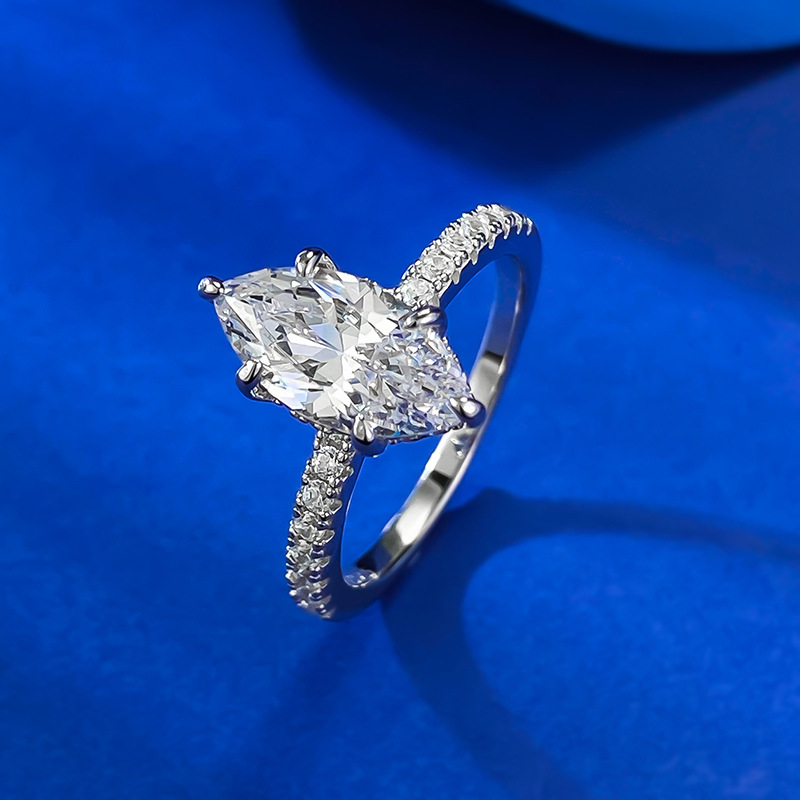
Cushion Diamond Proposal Ring Price: What to Compare Before You Buy
A cushion diamond proposal ring price can vary a lot, which is why smart shoppers compare more than the sticker number. Cushion cuts are known for rounded corners, a soft square or rectangular shape, and a romantic look that feels both classic and modern. If you want a ring that looks beautiful, wears well, and fits the budget, the real goal is value, not the lowest price.
You’ll see big differences between solitaire, halo, pavé, and hidden halo styles. Lab-grown diamonds can stretch your budget even further, often giving you a larger center stone or a higher color and clarity grade for the same spend. The key is knowing where the money goes and which details actually change the way the ring looks on the hand.
What a Cushion Diamond Proposal Ring Price Usually Includes
A cushion diamond proposal ring price usually comes down to two parts: the center diamond and the setting. In most rings, the diamond takes the biggest share of the budget, especially as carat weight rises. The setting adds cost based on metal, design work, side stones, and how much hand-finishing the ring needs.
Cushion cuts are popular because they balance softness and sparkle. They also show up beautifully in solitaire, halo, pavé, and hidden halo designs. That flexibility means two rings with the same carat weight can still feel very different in price and in person.
Lab-grown diamonds give buyers more room to work with. They’re graded on the same core factors as mined diamonds: carat, color, clarity, and cut-related performance. Reputable labs like GIA and IGI grade many stones, so you can review the report Before You Buy.
A simple way to think about cushion diamond proposal ring price is this:
- Value-focused rings: Smaller center stones, clean solitaire settings, or lab-grown cushion diamonds.
- Mid-range rings: Better spread, near-colorless grades, and popular pavé or hidden halo designs.
- Premium rings: Larger stones, platinum, custom work, and more detailed craftsmanship.
The best budget depends on what matters most to the wearer. Some people want a bigger face-up look. Others care more about platinum, a higher color grade, or a ring that pairs neatly with a wedding band later.
What Drives Cushion Diamond Proposal Ring Price Higher or Lower
Carat weight is the biggest price driver. As the diamond gets larger, the price usually climbs faster because bigger, high-quality stones are rarer. A 2.00 carat cushion often costs well over twice as much as a similar 1.00 carat stone.
Cut quality matters a lot with cushions. Unlike round brilliant diamonds, cushion cuts don’t have one simple cut grade that tells the whole story. Proportions, symmetry, and light return all matter. A well-cut cushion looks bright across the whole stone, while a poorly cut one can look dark in the center or smaller than its weight suggests.
Color also affects price. Cushion cuts can show body color more than some other shapes, especially in larger sizes or white metal settings. Many buyers choose G, H, or I for strong value, since those grades often face up white once set.
Clarity should be judged with your eyes, not just the report. Many VS and SI diamonds look eye-clean, which means you won’t spot inclusions during normal wear. Paying more for a higher grade only makes sense if it changes what you can see.
The setting is the other big price driver. A plain 14K gold solitaire usually costs less than a pavé band, halo design, or platinum setting with hand-set detail. More metal, more stones, and more labor usually mean a higher total.
Metal choice also changes both price and wear:
- 14K white gold: Durable and usually the most budget-friendly white-metal option.
- 18K gold: Richer gold content with a warmer feel and a higher price.
- Platinum: Naturally white, dense, and often the most expensive metal option.
- Yellow gold: Warm and classic, and it can soften the look of slightly warmer diamonds.
- Rose gold: Romantic and distinctive with a soft pink tone.
Lab-grown and natural diamonds can also shift the budget in a big way. A lab-grown cushion diamond proposal ring price is often lower than a comparable natural diamond ring at the same size and grade. That gap can open the door to a larger center stone, a better setting, or extra room for insurance and resizing.
How to Compare Cushion Diamond Proposal Ring Price by Look, Not Just Numbers
The smartest comparison starts with the full look of the ring. Two stones can share the same carat weight and still look very different once they’re set. Face-up size, shape ratio, and light performance matter just as much as the number on the report.
A cushion’s shape ratio tells you whether it leans square or elongated. A ratio near 1.00 looks more square, while a ratio around 1.10 to 1.20 creates a softer elongated look. Neither style is better across the board. Square cushions feel timeless, while elongated cushions can flatter the finger and sometimes look larger.
Face-up measurements are also worth checking. A 1.50 carat cushion with better spread may look bigger than another 1.50 carat stone that holds more weight in the depth. That’s why millimeter dimensions matter so much.
Cushion Shape, Brilliance, and Face-Up Size
Cushion diamonds come in a few visual styles. Some have chunkier facets and an antique feel. Others show a crushed-ice sparkle pattern that looks brighter and more lively. Your preference matters, but the diamond should still look active in normal light, not just under a showroom spotlight.
GIA’s educational guidance says the 4Cs still form the base of diamond evaluation. For fancy shapes like cushions, though, the outline, proportions, and facet pattern deserve extra attention. That’s where a trusted jeweler or gemologist can help.
We’ve found that shoppers usually feel happiest when they compare these details side by side:
- Face-up measurements in millimeters
- Shape ratio and outline symmetry
- Brightness across the center and edges
- Eye-clean clarity from a normal viewing distance
- Certification from a recognized grading lab
Setting Style and Metal Choice
Setting style can change both the final cushion diamond proposal ring price and the way the ring feels on the hand. A solitaire keeps the focus on the center diamond and often gives the best value. A halo can make the center look larger, while pavé adds sparkle down the band.
Hidden halos are a nice middle ground. They add shine from the side without the visual weight of a full halo. If you want extra presence without jumping to a much larger stone, that can be a smart move.
Metal choice should fit everyday life. Platinum is great for daily wear and has a naturally white look, but it usually costs more. White gold gives a bright finish at a lower price, though it may need rhodium replating later. Yellow gold and rose gold can both pair beautifully with cushion diamonds.
Also think about the wedding band. Some low-profile settings sit close to the finger and need a curved band later. Others sit high enough for a straight band to fit flush. That detail can change the real cushion diamond proposal ring price once the full bridal set is planned.
If you’re comparing styles, you can explore our engagement rings or use StoneBridge Jewelry’s ring builder to see how size, metal, and setting affect the final look.
Cushion Diamond Proposal Ring Price by Budget Range
Start with the total ring budget, not just the diamond budget. Include the center stone, setting, tax if applicable, shipping, resizing, insurance, and any custom work. That gives you a much clearer view of what you can actually buy.
Here’s a practical budget breakdown. Exact pricing changes with diamond specs, metal cost, and craftsmanship, but these ranges reflect how the market usually works.
| Budget Range | Typical Ring Profile | Best Value Focus | Watch For |
|---|---|---|---|
| Under $1,500 | Smaller lab-grown cushion diamond or simple gold setting | Clean design, eye-clean clarity, strong proportions | Stones that are too deep or too dull |
| $1,500-$3,500 | Lab-grown cushion diamond with solitaire, pavé, or hidden halo setting | 1.00-1.50 carat looks, near-colorless grades | Paying for grades that don’t change visible beauty |
| $3,500-$7,500 | Larger lab-grown center stone or smaller natural cushion diamond | Better cut performance and refined settings | Deep stones that face up smaller than expected |
| $7,500-$15,000 | Statement center stones, platinum, halo, or custom design | Bigger presence and stronger craftsmanship | Complex designs without clear aftercare support |
| $15,000+ | High-spec natural diamonds or custom lab-grown rings | Rare specs and bespoke finishing | Buying without certification or appraisal documentation |
Entry to Mid-Range Options
Entry and mid-range buyers can still get a beautiful ring. The key is to skip invisible upgrades and focus on the details people actually notice: sparkle, shape, size, and setting balance.
A lab-grown cushion diamond proposal ring price in this range can deliver a larger look than a natural diamond ring at the same spend. For example, a buyer may choose a 1.25 carat lab-grown cushion in 14K white gold with a slim solitaire band instead of a smaller natural diamond with similar visual appeal.
Good value choices include:
- Choosing 14K gold instead of platinum.
- Selecting an eye-clean VS2 or SI1 clarity grade when the stone looks clean.
- Considering G, H, or I color grades that still face up white.
- Picking a hidden halo for sparkle without paying for a full halo.
- Comparing millimeter spread before paying for more carat weight.
Lower budgets do come with tradeoffs. Some stones look overly deep, sleepy, or visibly included. A smaller cushion with strong brightness often looks more expensive than a larger stone with weak light return.
Premium and Statement Rings
Premium buyers usually want larger center stones, higher grades, platinum, or custom detail. A higher cushion diamond proposal ring price can make sense when the ring shows visible beauty, solid craftsmanship, and clear documentation.
Statement rings may include a 2.00 carat or larger lab-grown cushion, a rare natural cushion diamond, a hand-set pavé band, a double halo, or a three-stone style. Custom work can matter too if the wearer wants a specific shape ratio, a vintage-style gallery, engraving, or a wedding band that nests perfectly.
Features that often justify a premium price include:
- Larger face-up measurements with strong brilliance
- Near-colorless or colorless grades in white metal settings
- Eye-clean clarity with minimal visible inclusions
- Platinum or detailed 18K gold craftsmanship
- Certified diamond paperwork and appraisal support
- Custom design work that improves fit and band pairing
Premium does not mean buying the highest grade in every category. It means paying for the mix that makes the ring look and wear the best.
How to Get the Best Value Without Overspending
The best cushion diamond proposal ring price is the one that fits your budget and still feels special. Start with the total spend you’re comfortable with, then rank your priorities. If size matters most, lab-grown diamonds may give you the best path. If the wearer loves heirloom style, put more money into the setting and finish.
Cut-related beauty should stay near the top of the list. A lively cushion can look bigger, cleaner, and more refined than its report makes it sound. For fancy shapes, don’t rely on paper alone. Review videos, measurements, and expert notes Before You Buy.
You can often save money by choosing color and clarity wisely. Many near-colorless diamonds look white once set, especially in yellow or rose gold. Many eye-clean clarity grades look the same in everyday wear as higher grades. Paying for D color or VVS clarity only makes sense if those grades matter to you.
Lab-grown diamonds can make a cushion diamond proposal ring price much more efficient. Since they’re graded with standard gemological criteria, you can compare carat, color, clarity, polish, and symmetry with confidence. That often lets buyers choose a larger center stone, a better setting, or both.
Use this buying order:
- Set a total budget for the whole ring.
- Decide between lab-grown and natural.
- Compare face-up size, not just carat weight.
- Prioritize brightness and balanced proportions.
- Choose an eye-clean clarity grade.
- Match the metal to lifestyle and taste.
- Confirm certification, warranty, and resizing support.
StoneBridge Jewelry makes comparison easier with curated lab-grown diamonds. You can shop our lab-grown diamonds and pair your favorite stone with a setting that fits the proposal plan.
What to Check Before You Place the Order
A cushion diamond proposal ring price should include the details that protect the purchase after the proposal. Sizing, cleaning, warranty coverage, return windows, shipping security, and certification all affect how confident you feel when you buy.
Certification is one of the biggest trust signals. Look for grading from GIA or IGI, and make sure the report lists carat weight, measurements, color, clarity, and the rest of the quality details. Many buyers also ask for an appraisal after purchase for insurance purposes.
Shipping and returns matter too. A proposal ring is emotional and time-sensitive, so confirm production time, delivery method, signature requirements, return eligibility, and resizing Options Before You place the order. A lower price isn’t really a better deal if the service support is thin.
Sizing and Proposal Planning
Ring size can be hard to guess during a surprise proposal. Borrowing a ring from the right finger is ideal, but that’s not always possible. A trusted friend or family member can help, and some designs are easier to resize than others.
If you’re unsure, choose a style that can be resized safely. Full eternity bands and some complex pavé styles have limited flexibility. Before buying, learn about ring sizing and confirm the retailer’s resizing policy. That can save you money and stress later.
Care, Warranty, and Aftercare
Daily wear means the ring will need care. Clean it with warm water, mild dish soap, and a soft brush. Skip harsh chemicals, chlorine, and abrasive cleaners. Have the setting checked once or twice a year so the prongs and accent stones stay secure.
Warranty support matters, too. Ask what the warranty covers, how inspections work, and how repairs are handled. A well-made cushion ring should hold up well, but every setting benefits from a little maintenance.
FAQ: Cushion Diamond Proposal Ring Price Questions
How much does a cushion diamond proposal ring cost for a 1 carat stone?
A 1 carat cushion diamond proposal ring price can vary a lot based on whether the stone is lab-grown or natural, along with color, clarity, and setting style. Lab-grown options often give you more size or higher grades for the same budget, while natural diamonds usually cost more at comparable specs. A simple solitaire will also cost less than a halo or pavé design. Always price the full ring, not just the diamond.
Is a cushion diamond proposal ring price lower than a round diamond ring?
Sometimes, yes. Round brilliant diamonds often carry a higher per-carat price because of demand and cutting yield. Cushion diamonds can offer strong face-up size and a softer, romantic look at a more comfortable price point. Even so, the final cushion diamond proposal ring price still depends on the stone’s quality and the setting.
What cushion diamond size looks best on the hand?
There isn’t one perfect size, because finger shape, style, and budget all matter. Many shoppers compare 1.00, 1.50, and 2.00 carat cushions because those sizes tend to feel substantial without becoming too costly. Face-up dimensions matter just as much as carat weight, so a well-spread stone can look larger than expected. If size is the priority, ask for measurements in millimeters.
Is a lab-grown cushion diamond proposal ring worth buying?
For many buyers, yes. A lab-grown cushion diamond proposal ring can give you a bigger or better-looking stone for the same budget, which makes it appealing if value matters. Lab-grown diamonds are graded with standard gemological criteria, so you can still compare reports carefully. Just make sure the stone is certified and the setting quality matches the diamond.
How do I choose a cushion diamond proposal ring on a budget?
Start with your total budget, then decide what matters most: size, sparkle, metal, or setting style. Many buyers get the best value by choosing a near-colorless, eye-clean diamond with strong spread and a simple setting. Compare lab-grown and natural options side by side before deciding. If you want help narrowing it down, contact our jewelry experts for guidance.
Shop With Confidence
The right cushion diamond proposal ring price is the one that gives you beauty, durability, and peace of mind. Focus on the center stone’s face-up look, cut performance, color, clarity, and proportions. Then choose a setting that fits the wearer’s style and daily routine.
Lab-grown cushion diamonds can offer excellent value for proposal rings, especially if you want a larger or higher-spec stone without stretching the budget. Natural diamonds still appeal to buyers who care about rarity. Both can be great choices when they’re certified, well cut, and set with care.
Ready to compare options? Start with StoneBridge Jewelry’s engagement ring collection, build your preferred design, and choose the cushion diamond proposal ring price that fits your proposal plan with confidence.
Ready to Find Your Perfect Diamond?
Explore our collection of certified lab-grown diamonds
Shop Diamonds