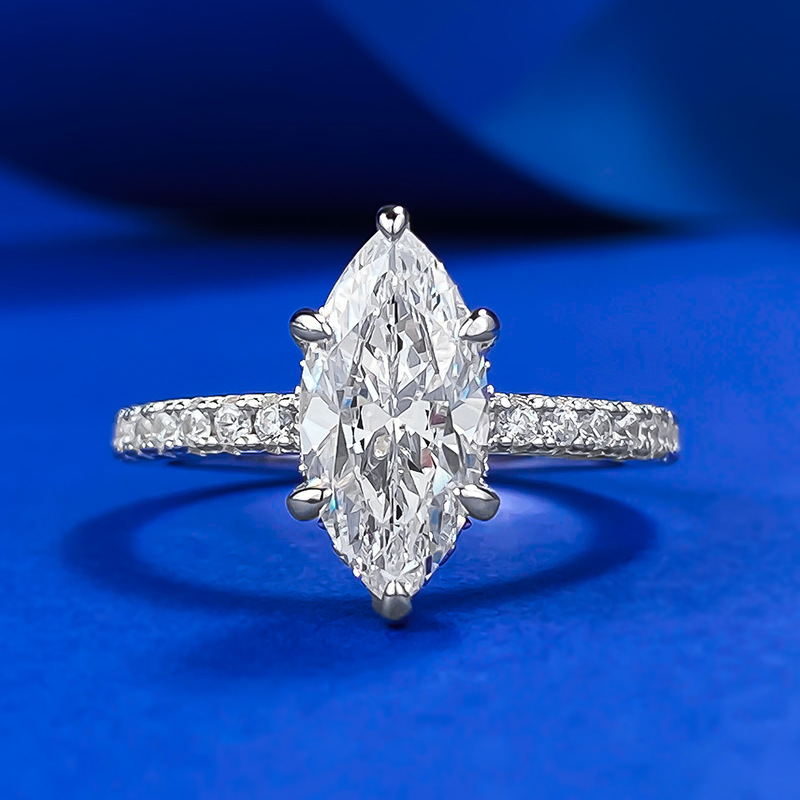
Compare Emerald Wedding Band Pairing Cost Before You Buy
Emerald wedding band pairing cost matters most when you want a bridal set that looks intentional, wears comfortably, and fits your budget. A beautiful match is not only about choosing a band you like. The final price reflects stone shape, metal type, diamond accents, setting height, craftsmanship, and whether the band needs to sit flush against an emerald-Cut Engagement Ring.
For many shoppers, the goal is clear: find a wedding band that complements the clean lines of an emerald-cut ring without overspending on details that do not add daily value. StoneBridge Jewelry helps buyers compare refined lab-grown diamond designs, classic fine jewelry metals, and custom pairing options so the finished set feels balanced from every angle.
Emerald Wedding Band Pairing Cost: What Buyers Should Expect
Emerald wedding band pairing cost refers to the total price of choosing, fitting, and sometimes customizing a wedding band to coordinate with an emerald-Cut Engagement Ring or emerald-inspired bridal set. That cost can include the band itself, accent diamonds, metal, setting labor, design modifications, resizing, and presentation details such as appraisal documentation or matching bridal packaging.
The emerald cut has a distinct personality. Its step-cut facets, rectangular outline, and crisp geometry make pairing more precise than matching a round solitaire. A straight band may work beautifully with a raised emerald-cut solitaire. A low-profile halo or basket setting may need a curved, contoured, or custom-fitted wedding band. That difference directly affects emerald wedding band pairing cost because more exact fitting usually requires more labor.
Most buyers can think in three broad pricing tiers:
- Entry pairings: about $400 to $1,200 for a simple gold band, petite diamond band, or minimalist match.
- Mid-range pairings: about $1,200 to $3,500 for lab-grown diamond accents, platinum options, pavé work, or a contoured fit.
- Premium pairings: about $3,500 to $8,000 and higher for larger diamonds, custom nesting, platinum craftsmanship, hand-finished details, or designer-level bridal sets.
These ranges reflect common jewelry market norms, not fixed quotes. Diamond quality, carat weight, metal price, and labor rates can shift quickly. According to GIA grading standards, diamond value is influenced by the 4Cs: carat weight, color, clarity, and cut quality. IGI and GIA reports are also common for lab-grown diamond verification, especially for larger stones used in bridal jewelry.
A thoughtful pairing does not always mean the most expensive option. Sometimes the best emerald wedding band pairing cost comes from choosing lab-grown diamonds, a slim band profile, and a setting that mirrors the engagement ring's proportions. The strongest purchase is the one that looks cohesive, feels secure, and holds up to everyday wear.
What Affects Emerald Wedding Band Pairing Cost
Emerald wedding band pairing cost changes because each component adds material value, design work, or fitting complexity. Two bands can look similar online but differ sharply in price once you compare diamond quality, metal weight, craftsmanship, and how precisely the band sits next to the engagement ring.
Center Stone Size and Quality
The engagement ring influences the wedding band even if the band does not include a center stone. A larger emerald-cut diamond or gemstone often needs a band with the right scale. If the engagement ring has a 2.00 carat emerald-cut center stone, a very thin plain band can look delicate and modern, but it may also feel visually underpowered. A diamond band with baguette, emerald-cut, or pavé accents may create a more balanced bridal set.
If the wedding band includes diamonds, cost rises with total carat weight and grading quality. A 0.25 total carat weight pavé band usually costs less than a 1.00 total carat weight emerald-cut eternity band. Color and clarity matter too. Many Fine Jewelry Buyers choose near-colorless diamonds, often in the G to J range, because they look bright in white gold or platinum while preserving value. For step-cut diamonds, clarity is more visible than it is in brilliant cuts, so buyers may prefer VS or better grades for emerald-cut accents.
Metal Choice
Metal selection is one of the most predictable price drivers in emerald wedding band pairing cost. Platinum usually costs more because it is dense, durable, and often heavier than gold in the same design. It also offers a naturally white finish that does not require rhodium plating. White gold is popular for a bright look at a lower starting price, though it may need replating over time.
Yellow gold gives an emerald-cut bridal set warmth and contrast. Rose gold adds a soft romantic tone, especially with vintage-inspired settings. 14k gold is typically more affordable and durable for daily wear than 18k gold, while 18k gold has richer color and higher gold content. Shoppers should compare both appearance and maintenance, not just the upfront price.
Setting Style and Design Labor
Solitaire Engagement Rings often pair easily with straight bands, keeping labor costs lower. Halo, pavé, split-shank, vintage-inspired, and east-west emerald settings may require more careful matching. A low basket can block a straight wedding band from sitting flush. A hidden halo may call for a curved band that clears the gallery. An east-west emerald setting often pairs best with a slim band that respects the horizontal layout.
Diamond accents also add labor. Pavé setting requires small diamonds to be secured individually. Channel-set baguettes need precise alignment. A shared-prong eternity band must be built with consistent spacing around the finger. The more intricate the setting, the more emerald wedding band pairing cost reflects bench work, quality control, and long-term durability.
Matching Complexity
Matching a wedding band to an existing engagement ring can add sourcing and design costs. Jewelers may need to match metal color, band width, stone size, setting height, and curve radius. Expert jewelers often recommend viewing the rings together from the top and side because a set that looks good from above may still rub, gap, or sit too high during daily wear.
Custom work can be worth the added cost if the engagement ring has unusual proportions. Standard solitaire designs often pair well with ready-to-ship bands, offering excellent value and a faster purchase path.
Emerald Cut Band Styles and Match Options
Emerald-Cut Engagement Rings favor clean structure. Because the shape is linear, symmetrical, and architectural, the wedding band should either echo that geometry or create a deliberate contrast. Your emerald wedding band pairing cost will depend on which path you choose.
Common Pairing Styles
| Band Style | Best For | Typical Cost Impact | Buyer Benefit |
|---|---|---|---|
| Straight band | Raised solitaires and simple settings | Lower | Clean, classic, easy to resize |
| Contoured band | Low baskets, halos, or unique galleries | Moderate | Sits closer with less gap |
| Curved band | Soft bridal stacks and romantic looks | Moderate | Creates a graceful fitted outline |
| Wrap-style band | Statement bridal sets | Higher | Adds visual drama around the center ring |
| Nested set | Fully coordinated engagement ring and band | Moderate to high | Most seamless finished look |
A straight band is the simplest option. It works well when the engagement ring sits high enough for the band to slide underneath or rest beside it without interference. This option often keeps emerald wedding band pairing cost lower because it requires less shaping.
A contoured band has a gentle notch or curve that follows the engagement ring. It can reduce the visible gap between rings. A curved band is similar but often softer and more decorative. Wrap-style bands and nested sets create a more dramatic look by framing the emerald-cut center stone from multiple sides.
Why Symmetry Matters
Emerald-cut diamonds show alignment. If a band is slightly off-center, the eye catches it quickly. The long edges of an emerald-cut center stone create a visual grid, so band width, stone spacing, and prong placement should feel balanced. This is especially true for baguette bands, emerald-cut eternity bands, and channel-set designs.
For a minimalist buyer, a polished 14k or 18k gold band can preserve the elegance of the emerald cut. A classic buyer may prefer a pavé diamond band that adds sparkle without competing with the center stone. Modern shoppers often choose east-west bands, mixed metal stacks, or bezel-set diamond bands. Statement buyers may lean toward a wide diamond band, a wrap design, or a nested set with larger lab-grown diamonds.
Lab-grown diamonds can increase visual impact without pushing the budget as high as comparable mined diamonds. Because lab-grown diamonds share the same chemical composition and optical properties as mined diamonds, they offer strong value for shoppers who want a larger look, higher total carat weight, or better clarity in the same price range. Buyers can shop our lab-grown diamonds to compare shapes and sizes before deciding how bold the wedding band should be.
Emerald Wedding Band Pairing Cost Breakdown by Budget Tier
A clear budget helps you compare options faster. Emerald wedding band pairing cost usually falls into tiers based on metal, stone coverage, setting complexity, and whether the ring is custom-made or ready to ship.
Entry Tier: $400 to $1,200
This range usually includes plain gold bands, slender stackable bands, petite pavé styles, and simple lab-grown diamond accents. Many shoppers in this tier choose 14k yellow, white, or rose gold because it balances beauty and durability at an accessible price.
A plain band can be a smart choice with a bold emerald-cut engagement ring. It lets the center stone stay dominant and avoids paying for accent diamonds that may not be needed. Petite pavé bands in this tier may include modest total carat weights, often around 0.10 to 0.25 carats, depending on diamond size and setting style.
The main tradeoff is limited customization. A straight band may leave a small gap beside a low-set engagement ring. Some buyers like that negative space; others prefer a fitted look. If flush fit matters, emerald wedding band pairing cost may move into the next tier.
Mid-Range Tier: $1,200 to $3,500
This is the most flexible range for many bridal shoppers. It can include platinum bands, higher diamond coverage, contoured shapes, channel-set baguettes, shared-prong bands, and more refined pavé details. Lab-grown Diamond Wedding Bands often perform especially well here because buyers can choose a larger visual spread without moving into luxury pricing.
Expect costs in this tier to reflect several factors:
- Diamond weight: more total carat weight increases material cost.
- Stone quality: better color and clarity raise the price, especially for step cuts.
- Metal weight: platinum and wider bands cost more than slim 14k gold styles.
- Setting labor: pavé, channel, and shared-prong work require precision.
- Fit work: curved or contoured bands may need more design time.
For many buyers, this range delivers the strongest balance between appearance and price. A 0.50 total carat weight lab-grown diamond band can create noticeable sparkle, while a shaped band can make the set look intentionally designed.
Premium Tier: $3,500 to $8,000+
Premium emerald wedding band pairing cost often reflects larger diamonds, platinum construction, full eternity coverage, custom modeling, hand-finishing, or rare design details. A full eternity band with emerald-cut or baguette diamonds costs more because the stones must be matched carefully for size, color, clarity, and orientation.
Custom nested sets can also fall here. The jeweler may create a wax model or CAD design, adjust the curve to match the engagement ring, source calibrated stones, cast the band, set each diamond, polish the ring, and inspect the finished piece. That process adds value because the band is built around your ring rather than selected from a standard case.
Luxury pricing may also include branding, presentation, appraisal documentation, and a higher standard of finishing. These details matter for buyers who want a long-term heirloom piece, not just a band that looks good on purchase day.
Where the Money Goes
A wedding band price is not one single cost. It is a stack of decisions:
- Stones: diamond type, total carat weight, cut quality, color, and clarity.
- Metal: 14k gold, 18k gold, or platinum, plus total gram weight.
- Labor: casting, setting, polishing, inspection, and finishing.
- Design: straight, curved, contoured, wrap, or fully custom nesting.
- Service: resizing support, documentation, packaging, and expert matching help.
Ready-to-ship options usually cost less and arrive faster. Custom options cost more but solve fit problems and create a more cohesive look. If your engagement ring has a standard solitaire profile, start with ready-to-ship bands. If it has a halo, low basket, unusual gallery, or east-west layout, custom matching may be the better investment.
How to Get the Best Value Without Sacrificing Style
The best emerald wedding band pairing cost is not always the lowest number. It is the price that gives you the right look, secure construction, and daily comfort without paying for features you do not need.
Start with lab-grown diamonds if you want more presence for the budget. A lab-grown diamond band can offer higher total carat weight or cleaner clarity at a lower price than a comparable mined diamond band. This is especially helpful for emerald-cut and baguette accents, where clarity can be easier to see.
Next, optimize total carat weight. A band with many tiny stones may cost less than a band with fewer large step-cut diamonds, even if both feel bright on the finger. Pavé can deliver sparkle efficiently. Channel-set baguettes create a more architectural look but may cost more because the stones need careful alignment.
Simplifying the setting can also help. A slim straight band in 14k gold often provides excellent long-term wear. If you love platinum, spend there for durability and a naturally white finish. If you want a warmer look, yellow gold can make a white emerald-cut diamond pop without requiring extra stone size.
Use these value checks before ordering:
- Decide whether flush fit is essential or simply preferred.
- Compare 14k gold, 18k gold, and platinum in the same style.
- Review total carat weight instead of only the number of stones.
- Ask whether the diamonds are lab-grown or mined.
- Confirm whether resizing is possible, especially on eternity bands.
- Check return, warranty, inspection, and maintenance policies.
Custom design is worth considering if the engagement ring is hard to match. If you can achieve a strong look with a pre-made matched set, you may save hundreds or even thousands. StoneBridge shoppers can try our ring builder to compare design direction, then contact our jewelry experts for help narrowing the fit.
Sizing, Comfort, and Care Considerations
A beautiful pairing still needs to feel good. Ring size, stack height, band profile, and stone setting all affect comfort. Wider stacks often fit more snugly than a single ring, so some buyers need a slight size adjustment. If you plan to wear an engagement ring, wedding band, and anniversary band together, test the combined width before finalizing size.
Stack height matters too. A high engagement ring may allow a straight band to sit flush, but it can catch more easily during daily activity. A low engagement ring may feel secure, yet it may require a curved band. Expert jeweler advice helps here. A trained jeweler can check how the rings touch, whether stones rub against metal, and whether prongs are exposed to unnecessary wear.
Emerald-cut diamonds and emerald-shaped accents have corners. Those corners should be protected by secure prongs, bezels, or channel walls. If a wedding band uses step-cut diamonds around the finger, buyers should avoid harsh impact and schedule inspections. Industry experts commonly recommend professional ring checks every six to twelve months for pieces worn daily, especially pavé and shared-prong styles.
Care is simple but consistent:
- Clean rings with warm water, mild dish soap, and a soft brush.
- Store the wedding band separately from harder jewelry to reduce scratches.
- Remove rings for heavy lifting, gardening, chlorine exposure, and abrasive cleaning.
- Check prongs and channels if you notice movement, clicking, or a loose stone.
- Schedule professional inspection before travel, resizing, or major life events.
Platinum develops a soft patina over time. Gold can scratch and may need polishing. White gold may need rhodium refreshes to maintain its bright white surface. These maintenance costs are part of long-term emerald wedding band pairing cost, so include them in your buying decision rather than focusing only on checkout price.
For fit questions, StoneBridge buyers can learn about ring sizing before ordering or speak with a jeweler for custom guidance.
Buyer FAQs and Next Steps
Shoppers usually ask three questions before buying: Will the band fit my engagement ring? Will it match the style? Is the price fair? The answer depends on measurements, design, and the level of customization needed.
If your engagement ring has a high solitaire setting, you may have many affordable options. If it has a halo, low basket, split shank, or unusual geometry, plan for a higher emerald wedding band pairing cost because the band may need a shaped profile. The extra spend can be worthwhile if it prevents rubbing, reduces gaps, and creates a bridal set that looks made together.
Lab-grown diamond bands are one of the strongest value choices for shoppers comparing online options. They allow buyers to prioritize carat weight, clarity, and design without moving straight into premium mined-diamond pricing. For a refined everyday set, many buyers Choose a Lab-Grown Diamond pavé band, a slim platinum band, or a contoured gold band with subtle accents.
Before You Order, gather these details:
- Engagement ring metal type and karat.
- Band width and center stone dimensions.
- Setting height from finger to gallery.
- Desired fit: flush, slight gap, or stacked look.
- Preferred budget range and upgrade priorities.
Then compare product pages with the same criteria. Look at metal, total carat weight, diamond type, setting style, resizing limits, and service support. A lower price can be appealing, but a poorly matched band may cost more later if it needs replacement or redesign.
Shop Emerald Wedding Bands at StoneBridge Jewelry
The right emerald wedding band pairing cost should give you confidence Before You Buy. StoneBridge Jewelry offers premium lab-grown diamond and fine jewelry options for shoppers who want a polished bridal set with clear value, strong craftsmanship, and elegant design.
Browse ready-to-shop wedding bands if you want a fast, refined match. Choose a custom consultation if your engagement ring needs a fitted contour, special stone layout, or exact metal match. If you are building the full set from the beginning, pair your wedding band search with engagement ring styles from StoneBridge Jewelry so the rings are planned together from the start.
Ready to compare styles? Review diamond bands, classic gold bands, platinum designs, and custom bridal sets with StoneBridge Jewelry. The smartest emerald wedding band pairing cost is the one that matches your ring, your lifestyle, and your budget with no guesswork.
Ready to Find Your Perfect Diamond?
Explore our collection of certified lab-grown diamonds
Shop Diamonds