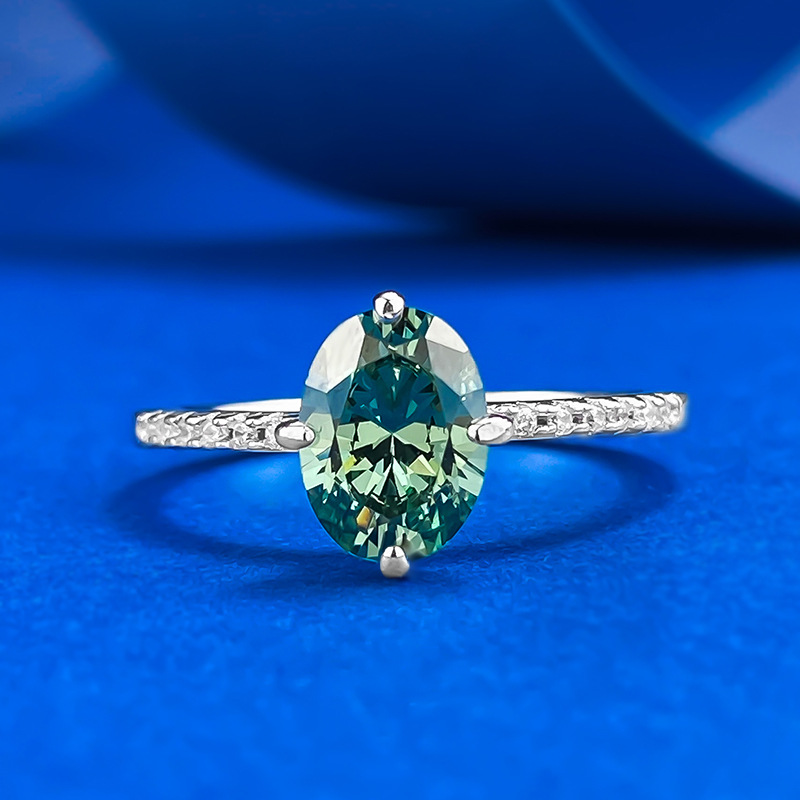
How to Choose a Matching Wedding Ring for Round Solitaire Engagement Rings
A round solitaire engagement ring gives you plenty of freedom. It can look classic with a plain gold band, bright with pavé diamonds, or custom with a curved wedding ring that follows the center setting. Choosing a Matching Wedding Ring for round solitaire designs still takes more than holding two rings side by side.
The right band should feel comfortable, protect the engagement ring, and keep the round diamond as the focus. It also needs to suit real life. Do you wear gloves at work? Do you want a band you can wear alone? Do you plan to add anniversary rings later?
We've helped many StoneBridge Jewelry customers compare these details in person and online. The best pairings usually come down to four things: fit, width, metal, and daily wear.
Why Round Solitaires Pair Well With Many Wedding Bands
Round brilliant diamonds are easy to style because their shape is balanced from every angle. GIA describes the modern round brilliant as a cut designed for brightness, fire, and scintillation, usually with 57 or 58 facets depending on the culet. That sparkle gives even a simple solitaire a lively look.
A solitaire setting also leaves room for the wedding band to set the tone. A polished metal band feels quiet and timeless. A diamond band adds light. A contoured band creates a fitted bridal set, especially when the engagement ring sits low.
This flexibility is why shoppers sometimes get stuck. A Matching Wedding Ring for round solitaire engagement rings can go in several directions, and more choice doesn't always make the decision easier.
Check the Solitaire Setting Before Choosing a Band
Start by looking at the engagement ring from the top and the side. The top view shows style and proportion. The side view tells you whether a straight wedding band can sit close without pressing against the basket, prongs, or hidden halo.
Focus on these details:
- Setting height: Higher solitaires often allow a straight band to sit closer.
- Basket clearance: Low baskets may block a flush fit.
- Prong placement: Exposed prongs can wear down if another ring rubs them.
- Shank profile: Flat, domed, knife-edge, and cathedral shanks pair differently.
A flush fit means the rings sit directly together. A slight gap leaves visible space. A contoured fit curves around the engagement ring. None is automatically better.
A small gap can be the smartest choice if it prevents friction. A curved band may look more finished if the solitaire has a low basket. A straight band gives you more flexibility if you'll wear the wedding ring by itself.
Setting Height and Basket Clearance
Setting height is one of the biggest fit clues. A high-set round solitaire usually gives a straight wedding band enough space to sit close. The result is the clean bridal set many people picture.
Low-profile solitaires need more care. Their baskets sit closer to the finger, so a straight band may bump into the setting. In that case, a curved, notched, or custom band can give the rings a better fit.
Before buying a Matching Wedding Ring for round solitaire settings, check the contact points. If the wedding band rubs the basket or prongs, daily movement can wear down metal over time. Gold and platinum are strong, but they aren't immune to friction.
Band Width and Finger Coverage
Band width changes the whole look. Slim bands around 1.5 to 2.0 mm keep the focus on the center diamond. Medium bands around 2.0 to 3.0 mm feel balanced for many round solitaires. Wider bands can look modern and bold, especially beside a larger center stone.
Profile matters too. A domed band feels traditional. A flat band looks cleaner and more modern. A knife-edge band can echo a solitaire shank. A comfort-fit interior feels smoother for daily wear.
If you have shorter fingers, a slimmer wedding ring may feel less crowded. If your engagement ring has a larger center stone, a wider band may look more proportional.
Best Wedding Band Styles for Round Solitaire Engagement Rings
A matching wedding ring for round solitaire styles should fit your taste and your routine. Try at least one plain band, one diamond band, and one curved band before deciding. Seeing the contrast helps more than guessing from photos.
| Wedding Band Style | Best For | Sparkle Level | Practical Note |
|---|---|---|---|
| Plain metal band | Classic, minimal, active wear | Low | Easy to clean and resize |
| Pavé diamond band | Soft sparkle | Medium | Needs prong checks |
| Shared-prong band | Brighter diamond look | High | More delicate than plain metal |
| Channel-set band | Smooth diamond detail | Medium | Good for active hands |
| Curved or contoured band | Low-set solitaires | Varies | Best worn with the engagement ring |
| Eternity band | Full diamond coverage | High | Resizing is often limited |
Plain Metal Wedding Bands
Plain bands remain popular because they let the round solitaire shine. Yellow gold, white gold, rose gold, and platinum all work well. They also suit people who want lower-maintenance jewelry.
A narrow plain band looks delicate. A medium band feels traditional. A wider band creates a stronger style contrast. If you plan to stack anniversary bands later, a plain wedding ring can act as the anchor.
For many round solitaire designs, a plain metal band is the most timeless and practical match, especially if you want a ring that is easy to wear alone.
Pavé, Channel, and Shared-Prong Diamond Bands
Diamond bands add sparkle without changing the main shape of the bridal set. Pavé bands use small diamonds set close together. Channel-set bands hold diamonds between metal walls for a smoother edge. Shared-prong bands show more diamond surface, so they can look brighter.
Scale is the key. Accent diamonds around 0.01 to 0.05 carats often give refined sparkle without overpowering the center stone. The right size depends on the solitaire's carat weight and band width.
GIA and IGI grading reports are most common for center stones, while small accent diamonds are usually matched in parcels by color and clarity range. Ask about the expected color range, setting style, and metal quality. You'll notice mismatched accents more when the stones sit close to the center diamond.
Curved, Contoured, and Notched Bands
Curved bands solve fit problems. A gentle curve can wrap around a round solitaire basket. A contoured band follows the engagement ring more closely. A notched band has a small fitted opening for part of the setting.
These styles help with low-set solitaires, cathedral shoulders, hidden halos, and decorative galleries. They can make a bridal set look intentional rather than forced.
The trade-off is solo wear. Some contoured rings look incomplete without the engagement ring beside them. If you travel, work with your hands, or sometimes wear only your wedding band, try the curved band alone before you commit.
How to Match Metal and Diamond Details
A cohesive bridal set doesn't need to match in every detail. It should simply look intentional. Start with the engagement ring's design language: classic, modern, romantic, vintage-inspired, or minimal.
Matching metals is the safest route when rings touch every day. Platinum with platinum wears evenly. A 14k yellow gold solitaire beside a 14k yellow gold band gives consistent color and hardness. White gold looks bright, though it may need rhodium replating as the finish wears.
Mixed metals can look beautiful too. A platinum solitaire with a yellow gold band adds warmth. A rose gold band beside a white metal solitaire feels personal and modern. For a matching wedding ring for round solitaire settings, mixed metals work best when the widths, profiles, or diamond details connect the two rings.
Diamond shape also affects the final look. Round accents repeat the center stone's shape. Baguettes create a clean Art Deco feel. Marquise accents add movement. Oval accents soften the stack.
Use millimeter measurements, not only carat weight. Two diamond bands with the same Total Carat Weight can look very different depending on stone spread and setting style.
Step-by-Step Wedding Band Buying Checklist
Use this process before choosing a matching wedding ring for round solitaire engagement rings:
- View the engagement ring from the top, side, and slight angle.
- Decide whether you prefer a flush, slight-gap, or contoured fit.
- Compare one plain band, one diamond band, and one curved band.
- Check width and height in millimeters.
- Match the metal or choose an intentional contrast.
- Ask about resizing, maintenance, warranty, and returns.
- Consider whether you'll wear the wedding band alone.
If you're shopping online, product details matter. Look for band width, metal type, setting style, diamond size, ring height, and stackability notes. Side-view photos and videos are especially helpful.
Need help comparing options? Contact our team through StoneBridge Jewelry support, browse engagement ring settings, or use our ring builder to see how setting style affects future wedding band choices.
Flush Fit, Small Gap, or Contour?
A flush bridal set looks polished and close. Many higher-set solitaires can handle this look with a straight band. A small-gap stack feels more relaxed and may protect the engagement ring from pressure.
A contoured band works well if you want the rings to look fitted. It can be the best matching wedding ring for round solitaire designs with low baskets. The curve may be obvious when the band is worn alone, so test it both ways.
Don't treat a gap as a flaw. If the spacing protects the ring and feels comfortable, it can be the right choice.
Lifestyle and Maintenance
Daily habits should guide the final decision. Healthcare workers, artists, frequent travelers, gym-goers, and parents with young children often prefer smooth bands or secure settings. A delicate micro-pavé band can be beautiful, but it needs gentler wear.
Resizing matters too. Plain bands and half-eternity bands are usually easier to resize. Full eternity bands and patterned designs may have strict limits because stones or details continue around the ring.
Plan for cleaning and inspections. Diamond bands should be checked regularly for loose stones or worn prongs. Rings that touch each other daily should also be inspected for rubbing.
Buying a Matching Wedding Ring for Round Solitaire Online
Online shopping can work well if you know what to check. Start with your engagement ring's measurements. If you don't know the band width or setting height, measure with a millimeter gauge or ask a jeweler.
Review product pages carefully. The best listings show multiple angles, metal details, diamond information, stackability notes, and return terms. Custom or engraved bands may have different policies than standard rings.
StoneBridge shoppers can compare lab-grown diamonds, review fine jewelry styles, and check our ring size guide before ordering. U.S. ring sizes are commonly measured in quarter-size increments, but wider bands often feel tighter than slim engagement rings in the same size.
Measurements to Confirm
Before You Buy, check these details:
- Band width: Even 0.5 mm can change the look.
- Band height: This affects clearance beside the solitaire.
- Metal type: Confirm karat weight for gold or platinum composition.
- Diamond setting: Pavé, channel, bezel, shared-prong, and eternity styles wear differently.
- Stackability: Some bands are shaped to sit neatly with other rings.
- Resizing rules: Full eternity and patterned bands can be limited.
If the product photos don't show the side profile, ask for help before purchasing. A band that looks perfect from above may press into the solitaire from the side.
When Custom Makes Sense
Custom design is helpful when a straight band won't sit comfortably beside the engagement ring. Low baskets, heirloom solitaires, cathedral settings, and decorative galleries often need a fitted shape.
A custom matching wedding ring for round solitaire styles doesn't have to look ornate. It can be a simple polished band with a subtle curve. It can also include pavé diamonds, milgrain, or a mixed-metal detail if those choices suit the engagement ring.
The main benefit is control. You choose the width, metal, diamond size, contour, and spacing instead of forcing a ready-made band to work.
Common Mistakes to Avoid
The most common mistake is choosing by sparkle alone. A wedding band should look beautiful, but it also needs to feel good and wear well for years.
Avoid these issues:
- Buying without checking the side profile.
- Choosing accent diamonds that overpower the center stone.
- Mixing metals without thinking about contact wear.
- Picking an ultra-thin band for heavy daily wear.
- Ignoring resizing limits on eternity bands.
- Forgetting to test how the band looks alone.
Our customers often bring in rings that look great from the top but rub underneath the basket. The problem may not show right away. After months of wear, friction can loosen stones or leave visible marks.
A practical matching wedding ring for round solitaire engagement rings balances beauty with structure. Sometimes the simple choice is the one you'll love longest.
Final Buying Advice for Round Solitaire Wedding Bands
Choose fit first. Study the setting height, basket clearance, band width, metal, diamond accents, and daily wear needs. Then decide whether you want a flush set, a slight-gap stack, or a custom contour.
Round solitaires pair well with plain gold, platinum, pavé diamonds, baguettes, eternity bands, and mixed metals. The strongest pairing keeps the center diamond as the focus while adding comfort and meaning.
Before ordering, compare measurements, side photos, product videos, return policies, and resizing details. If the solitaire sits low or has a unique profile, ask about a custom band. A thoughtful matching wedding ring for round solitaire styles should feel secure, balanced, and unmistakably yours.
FAQ
What wedding band looks best with a round solitaire engagement ring?
A plain metal band, pavé diamond band, channel-set band, or curved band can all work with a round solitaire engagement ring. The best choice depends on the setting height, band width, sparkle level, and whether you want a flush or small-gap fit. If you want the solitaire to stay the star, start with a simple band around 1.5 to 2.5 mm. If you want more brilliance, try a pavé or channel-set band with small, well-matched diamonds.
Does a wedding band need to sit flush with a round solitaire?
No, a wedding band doesn't need to sit flush with a round solitaire. A small gap can look intentional and may protect the engagement ring basket from rubbing. Flush fits work best with higher-set solitaires, while low-set rings often need a curved or notched band. Try both styles on your finger before choosing, because comfort matters as much as appearance.
Should the wedding band metal match the solitaire setting?
Matching metal is the most traditional choice and often helps the rings wear more evenly. Platinum with platinum or 14k gold with 14k gold keeps color and hardness consistent. Mixed metals can also look beautiful if the contrast feels planned, such as a yellow gold band beside a platinum solitaire. If the rings touch every day, ask a jeweler to check for possible contact wear.
Can an eternity band pair with a round solitaire engagement ring?
Yes, an eternity band can pair beautifully with a round solitaire engagement ring. Keep the diamond size proportionate so the band supports the center stone instead of competing with it. Full eternity bands offer sparkle all the way around, but they can be harder to resize and may feel thicker between the fingers. A half or three-quarter eternity band gives a similar look with more flexibility.
When should I order a custom matching wedding ring for round solitaire styles?
Order a custom band if your solitaire has a low basket, hidden halo, cathedral shoulders, decorative gallery, or heirloom setting that blocks a straight band. A custom contour can improve fit, reduce rubbing, and make the bridal set look more balanced. It doesn't have to be elaborate; a simple curved gold or platinum band can be enough. Bring side-view photos or measurements if you're starting the process online.
Ready to Find Your Perfect Diamond?
Explore our collection of certified lab-grown diamonds
Shop Diamonds