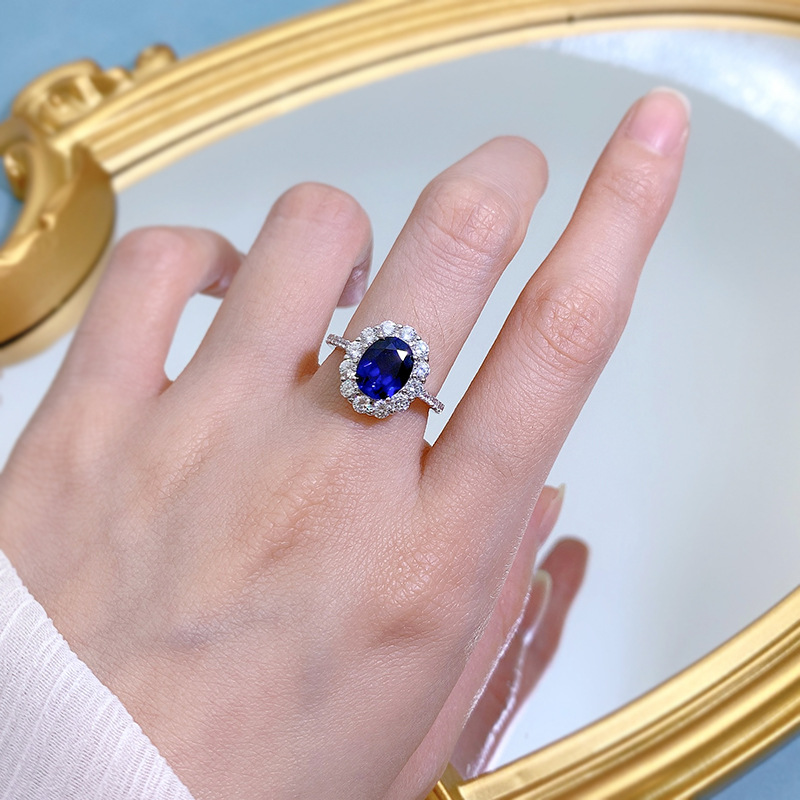
Matching Wedding Ring for Emerald Engagement Rings
Choosing a Matching Wedding Ring for Emerald Engagement Rings takes more than picking the same metal. Emerald-cut diamonds have long step-cut facets, clipped corners, and a clean outline. A band that looks lovely alone can sit too high, hit the prongs, or make the set feel crowded.
The right band should look intentional from the top and comfortable from the side. It should also suit your routine. Do you want a flush bridal set, a small gap, or a shaped band that curves around the diamond?
This guide focuses on emerald-cut diamond engagement rings, including lab-grown diamond styles. A green emerald gemstone is different. It may share a rectangular shape, but emerald is a colored gemstone with different care and durability needs.
How to Choose a Matching Wedding Ring for Emerald Rings
A matching wedding ring for emerald styles should support the center stone, not compete with it. Emerald cuts look calm and architectural because they rely on symmetry, clarity, and long facets instead of intense sparkle. Proportion matters from the start.
Begin with the engagement ring itself. Check the center stone size, length-to-width ratio, setting height, basket shape, side stones, and prong placement. A 1.50 carat emerald-cut solitaire needs a different band than a 3.00 carat emerald cut with trapezoid side stones.
Ask four questions before choosing a wedding band:
- Does the band sit comfortably beside the engagement ring?
- Does the width balance the center stone?
- Does the metal create the look you want?
- Will the band work for daily wear, not just photos?
Fit comes first. If the engagement ring has a low basket, a straight band may bump the gallery or corner prongs. If the diamond sits higher, a straight wedding band may slide underneath and create a flush set. A difference of 1 or 2 millimeters can change the whole result.
At StoneBridge Jewelry, many clients start by asking for sparkle, then choose a simpler band once they try the rings together. A matching wedding ring for emerald engagement rings usually looks best when the set is planned as one design, even if the rings are bought at different times.
You can compare settings through our emerald-cut engagement ring styles, then pair them with wedding bands from our fine jewelry collection.
Why Emerald-Cut Engagement Rings Need a Careful Band Match
Emerald-cut diamonds have a distinct personality. Their long, parallel facets create the hall-of-mirrors look that many shoppers love. The shape is usually rectangular, though some stones look more square or more elongated.
GIA diamond education notes that step cuts reveal more of a diamond's interior than many brilliant cuts. In practice, clarity, symmetry, polish, and cut quality are easy to notice. A busy or poorly fitted band can distract from those clean lines.
A matching wedding ring for emerald engagement rings can feel off when the band fights the stone's shape. A thick pavé band may overwhelm a narrow center stone. A tall channel-set band may rub against prongs. An ornate vintage band can look beautiful, but it needs the right scale.
Use the engagement ring shank as a guide. If the engagement ring band is 1.8 mm wide, a wedding ring between about 1.5 mm and 2.2 mm often looks balanced. A 2.5 mm to 3.0 mm band can also work, especially with a larger center stone or a bolder modern setting.
Emerald cuts show alignment clearly. Straight edges make a crooked band, uneven gap, or mismatched profile easier to spot. A small gap is fine when it looks deliberate. The key is making the spacing feel chosen, not forced.
A matching wedding ring for emerald designs works best when it repeats one feature from the engagement ring. That feature might be metal color, band width, stone shape, finish, or the clean geometry of the setting.
Check Shape, Setting, and Profile Before Shopping
Before you compare styles, inspect the engagement ring from every angle. The top view shows the diamond shape, but the side view tells you whether a wedding band can sit close. Jewelers often start there because basket height and prong placement decide fit.
Look at these details first:
- Center stone size: Larger emerald-cut diamonds may need more visual space.
- Length-to-width ratio: Many emerald cuts fall near 1.30 to 1.50, while elongated styles may go higher.
- Basket height: Low settings often need a curved, contoured, or notched band.
- Prong placement: Low corner prongs can block a straight wedding ring.
- Side stones: Baguettes, trapezoids, halos, and hidden halos all affect clearance.
- Shank width: Similar widths usually create the most cohesive bridal set.
A matching wedding ring for emerald solitaire settings is often easier to fit than one for a halo or three-stone ring. Raised solitaires may allow a straight band to sit flush. Low-profile rings feel sleek, but they often need a shaped band.
Comfort matters too. A set can look perfect in a photo and still feel too wide across the finger. Finger size, knuckle shape, climate, and daily habits all affect wear. If you use your hands often, a lower band with fewer exposed stones may feel better.
Some people prefer a small, planned gap. Others stack a wedding band on one side and an anniversary band on the other. Either choice can work when the set feels balanced.
If you're comparing sizes at home, our ring sizing guide can help you prepare before a professional measurement. For custom contour bands, a jeweler may use CAD renderings to preview the curve, notch, and clearance.
Wedding Band Styles That Pair With Emerald Cuts
A matching wedding ring for emerald engagement rings can look minimal, vintage, glamorous, or modern. The strongest choice depends on the setting and the wearer's routine.
| Wedding band style | Best for | Visual effect | Practical notes |
|---|---|---|---|
| Plain metal band | Minimal bridal sets | Clean and timeless | Easy to clean and often easier to resize |
| Pavé band | Added sparkle | Bright contrast beside step-cut facets | Small stones need periodic checks |
| Micro-pavé band | Delicate shimmer | Refined sparkle without bulk | Best with careful daily wear |
| Channel-set band | Smooth diamond detail | Sleek and polished | Protective metal walls suit many active routines |
| Baguette band | Geometric styling | Step-cut harmony | Layout and sizing need precision |
| Curved band | Low or unusual settings | Close custom look | May not look as natural when worn alone |
| East-west diamond band | Modern sets | Directional and bold | Works best with careful height planning |
You can match either the band width or the stone language. A pavé band gives contrast. A baguette band repeats the step-cut geometry. Both can be right.
Lab-grown diamond bands are popular for emerald-Cut Engagement Rings because they give shoppers more room to compare carat weight, setting style, and budget. You can browse StoneBridge Jewelry's lab-grown diamond selection while planning the full bridal set.
Plain Metal Bands for a Clean Emerald-Cut Look
A plain band is one of the safest choices for a matching wedding ring for emerald engagement rings. It keeps attention on the center diamond and reinforces the ring's clean lines. Platinum, white gold, yellow gold, and rose gold can all work.
A 1.5 mm to 1.8 mm band feels delicate beside a solitaire. A 2.0 mm to 2.5 mm band looks classic and balanced. A 3.0 mm band or wider creates a stronger architectural look, especially with a larger emerald cut.
Finish changes the mood. High polish feels formal and bright. Satin or brushed finishes look softer and more modern. A knife-edge band can echo the crisp lines of an emerald cut, though rounded edges often feel more comfortable.
A plain matching wedding ring for emerald styles also leaves room for future stacking. You can add an anniversary band later without making the set feel too busy.
Pavé and Micro-Pavé Bands
Pavé bands bring sparkle beside the quieter facets of an emerald-cut diamond. The contrast can be beautiful. The emerald cut adds depth and structure, while pavé adds light.
For a delicate engagement ring, micro-pavé often looks more refined than larger accent stones. For a larger center stone, a slightly wider pavé band may feel balanced. Band height still matters. A tall pavé band can rub against prongs or tilt the engagement ring.
Maintenance should be part of the decision. Tiny diamonds are secure when well set, but prongs and beads wear over time. Many jewelers recommend a professional inspection at least once a year for bridal jewelry worn daily.
A pavé matching wedding ring for emerald engagement rings suits shoppers who want sparkle without losing the center stone's elegant shape.
Baguette, Channel-Set, and East-West Diamond Bands
Baguette diamonds pair naturally with emerald cuts because both use step-cut geometry. Their rectangular facets echo the center diamond without copying it too literally. The look feels tailored and refined.
Channel-set bands are a practical choice for daily wear. The diamonds sit between metal walls, so the surface often feels smoother than pavé. A channel-set matching wedding ring for emerald designs can give you diamond detail with fewer exposed prongs.
East-west baguette bands feel more modern. The stones run horizontally around the finger, creating a clean rhythm beside the vertical presence of an emerald-Cut Engagement Ring. Keep the stones modest if you want the set to stay comfortable.
Accent diamond color also matters. Many shoppers choose F-G or G-H accent diamonds for white metal settings. The right match depends on the center diamond grade and whether you want a blended or slightly contrasted look.
Step-by-Step Fit Plan for a Matching Wedding Ring for Emerald Settings
Choosing a matching wedding ring for emerald settings gets easier when you follow a clear order: fit, metal, shape, diamond detail, then final try-on. Style matters, but structure should lead.
Use this process:
- Try the band with the actual engagement ring whenever possible.
- Choose a metal that either matches or contrasts on purpose.
- Compare straight, curved, contoured, and notched bands.
- Decide between plain metal, pavé, channel-set, baguette, or mixed stone details.
- Wear the rings together for several minutes.
- Ask whether the band touches prongs, basket edges, or side stones.
A matching wedding ring for emerald engagement rings doesn't have to be identical to the engagement ring. A yellow gold band can look stunning with a platinum setting if the proportions are right. A baguette band can feel coordinated even if the engagement ring is a simple solitaire.
For custom contour bands, professional measurement is worth it. CAD previews can show the curve, notch, stone placement, and clearance before the ring is made. That helps prevent rubbing and gives you a clearer view of the finished set.
Flush, Contoured, or Stacked Fit
A flush fit means the wedding band sits directly against the engagement ring with little or no gap. This works best when the engagement ring has a raised head or cathedral setting. The band can slide under the center stone without hitting the basket.
A contoured band curves around the engagement ring. A notched band has a small cutout that clears a low basket or prong. These styles are common for elongated emerald cuts, halos, low baskets, and unusual galleries.
A small gap can also look elegant. Vintage-inspired rings, bezel settings, and modern stacks often benefit from breathing room. The gap should look clean and intentional.
The best matching wedding ring for emerald settings may be straight, curved, or stacked. The right answer depends on the ring's side profile and how you want to wear the set.
Matching or Mixing Metals
Metal choice shapes the whole bridal set. Platinum and white gold create a crisp, classic look with emerald-cut diamonds. Yellow gold adds warmth and can make a white diamond look brighter by contrast. Rose gold feels soft and romantic.
Matching metals create a traditional set. They also help the rings age at a similar visual pace. Mixed metals add personality, especially when the band widths and profiles feel balanced.
Durability and care should guide the choice too. Platinum develops a patina and is dense, which makes it popular for bridal jewelry. White gold is usually rhodium plated for a bright white finish, and that plating may need refreshing. Yellow and rose gold don't need rhodium, but they can still scratch with daily wear.
A matching wedding ring for emerald engagement rings should fit both the design and the lifestyle behind it.
Width, Sparkle, and Proportion
Center stone size and finger size both affect band width. A petite emerald cut can look overwhelmed by a wide diamond band. A larger emerald cut may need a band with more presence.
As a working range, many bridal sets look balanced with wedding bands between 1.5 mm and 2.5 mm. Wider bands can work, but they make a stronger style statement. If the engagement ring already has side stones, a halo, or a split shank, a simpler band often looks cleaner.
Sparkle should enhance the center stone. Pavé adds brightness. Baguettes add geometry. Plain metal adds calm. Channel-set diamonds add polish and a smoother surface.
Practical Tips for Daily Wear and Long-Term Fit
The most reliable way to Choose a Matching Wedding Ring for emerald engagement rings is to try bands with the actual engagement ring. If that isn't possible, bring accurate measurements, side-view photos, and setting details. A top-view image alone rarely tells the full story.
Use these checks during a try-on:
- Look from the top. Do the band and emerald cut align visually?
- Look from the side. Does the band touch the basket, prongs, or gallery?
- Move your hand. Does the set pinch, spin, or feel too wide?
- Check height. Do both rings sit level?
- Think about routine. Will the band feel comfortable at work, while traveling, or during errands?
Long-term wear matters. Rings worn together can rub, especially if one band has diamonds or raised details facing the other. A jeweler can check whether metal contact might wear prongs or edges.
Cleaning should be simple enough for your habits. Plain bands are easy to maintain. Pavé and channel-set bands need more attention because lotion and soap can collect around small stones.
Soldering is another option. It connects the engagement ring and wedding band so they stay aligned and rub less. It can help if a matching wedding ring for emerald engagement rings spins or separates, but it also means you can't wear the rings separately without undoing the work.
Resizing is easier with some bands than others. Plain metal bands and half-eternity bands often allow more flexibility than full eternity baguette bands. Ask about resizing Before You Buy.
If you want to compare profiles before committing, browse StoneBridge Jewelry's wedding jewelry collection or design a paired look through our ring builder.
When Custom Makes Sense
Custom design is helpful when standard bands don't sit correctly. Low baskets, east-west emerald cuts, halos, vintage rings, bypass settings, and three-stone rings often need a shaped solution.
Custom options include:
- A curved band that follows the center stone's outline
- A notched band that clears the basket or prongs
- Baguette placement planned around the engagement ring
- Accent stones that match the bridal set's geometry
- A width and profile built for your finger coverage preference
A custom matching wedding ring for emerald engagement rings can solve fit problems without giving up style. It can also keep the band from pressing against vulnerable areas of the engagement ring.
Common Mistakes to Avoid
One common mistake is choosing a wedding band from photos only. Images show style, but they don't reveal exact side profile, height, clearance, or comfort. A matching wedding ring for emerald engagement rings depends on those details.
Another mistake is choosing too much sparkle. Emerald-cut diamonds have a refined presence. A very ornate band with large brilliant-cut diamonds, heavy milgrain, and complex engraving may overpower the center stone.
Watch for these practical issues:
- Ignoring metal care and maintenance
- Choosing a band that rubs against prongs or the basket
- Buying a full eternity band without considering future resizing
- Forgetting future stacking plans
- Pairing mismatched heights that make the set tilt
- Choosing a curved band that feels awkward when worn alone
Industry jewelers often check prong wear and contact points before finalizing a bridal set. If a wedding band rubs the same prong every day, it can weaken the metal over time. You may not see the wear right away.
Think about real life too. If you lift weights, work in healthcare, travel often, or wear gloves, you may prefer a lower-profile band with secure settings. If you want more sparkle for formal wear, you may accept more maintenance.
The engagement ring and wedding band don't have to come from the same collection. Many beautiful sets combine different designs. Shared metal, compatible width, balanced height, or coordinated stone shapes can make the pairing feel intentional.
Quick Takeaway for a Timeless Emerald-Cut Bridal Set
The best matching wedding ring for emerald engagement rings respects the center stone's clean lines. Start with setting height, basket shape, prongs, side stones, and band width. Then compare straight, contoured, pavé, channel-set, baguette, and plain metal designs.
A matching wedding ring for emerald styles should feel chosen, not copied. Matching metals look classic. Mixed metals add personality. Pavé brings sparkle. Baguettes echo step-cut geometry. Plain bands keep the look timeless.
Before buying, try the rings together and inspect the side profile. Ask a jeweler to check for contact points that could cause wear. If the engagement ring has a low or unusual setting, custom design may give you the cleanest fit.
StoneBridge Jewelry offers lab-grown Diamond Wedding Bands, emerald-Cut Engagement Rings, and bridal set options for shoppers comparing fit, style, and long-term comfort. Explore designs or contact our jewelry experts for help choosing a matching wedding ring for emerald engagement rings.
Ready to Find Your Perfect Diamond?
Explore our collection of certified lab-grown diamonds
Shop Diamonds