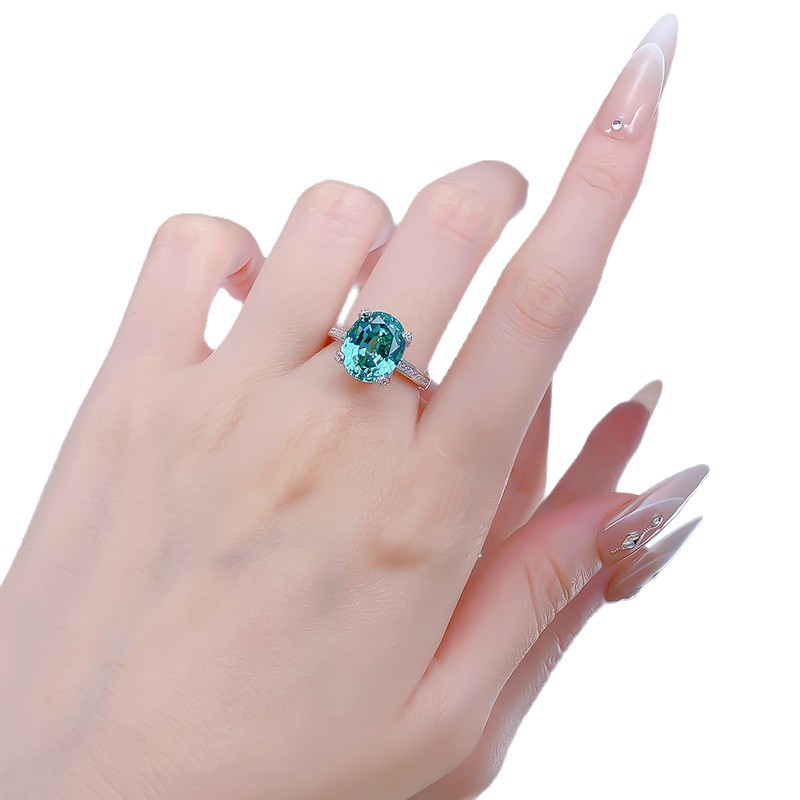
How to Choose a Matching Wedding Ring for Cushion Engagement Rings
Finding a Matching Wedding Ring for cushion engagement rings is part style choice, part fit check. A cushion-cut diamond has soft corners and a romantic outline. It can look square, elongated, vintage, or modern, depending on the setting.
The wedding band should support that shape without crowding the center stone. It also shouldn't rub against prongs, push into a halo, or create a gap that looks accidental. The right band makes the bridal set feel finished.
What makes one band look natural while another feels slightly off? It usually comes down to height, curve, width, metal, and daily comfort.
Why a Matching Wedding Ring for Cushion Cuts Needs Careful Fit
A cushion-Cut Engagement Ring often becomes the visual anchor of a bridal set. Its rounded-square outline feels softer than a princess cut and more structured than an oval. Because of that balance, choosing a matching wedding ring for cushion styles takes more than picking a band with similar diamonds.
The wrong band can interrupt the design. A straight band may press against a low basket. A tall eternity band may compete with a delicate halo. A wide pavé band may overpower a slim solitaire.
Fit matters for comfort, too. If two rings bump all day, they can pinch, shift, or wear each other down. Over time, friction can thin prongs, loosen pavé stones, and polish away metal edges.
Before recommending a matching wedding ring for cushion engagement rings, jewelers usually check three areas: clearance under the center setting, prong placement, and ring height from the finger. Those details decide whether a band can sit flush or needs a curve.
A good pairing should answer these questions:
- Can the band sit flush, or will a small gap look better?
- Does the band frame the cushion shape instead of hiding it?
- Do the metals match in color, hardness, and wear pattern?
- Is the band width balanced beside the engagement ring?
- Will the setting hold up to daily wear?
- Is there room for future stacking?
These questions keep the decision practical while leaving space for personality, whether you prefer classic, vintage-inspired, minimal, or high-sparkle styling.
How Cushion-Cut Diamonds Affect Band Choice
Cushion-cut diamonds are square or rectangular stones with softened corners and larger facets. GIA classifies cushion cuts as fancy-shape diamonds, so their beauty depends on outline, proportion, and facet pattern rather than one universal cut grade.
Some cushions show broad, antique-style flashes. Others have a crushed-ice look with smaller sparkle. That face-up pattern influences the feel of the whole bridal set.
The cushion outline also changes how a wedding band sits. A round diamond often leaves predictable space near the setting. A cushion's corners can extend closer to a straight band, especially in halo or low-basket designs.
For that reason, a matching wedding ring for cushion rings may need a curved, contoured, or notched shape. Elongated cushions can need extra attention because the basket may sit closer to the wedding band.
Fit, Proportion, and Everyday Comfort
Visual balance starts with scale. A 1.00 carat cushion solitaire on a 1.8 mm shank may look best with a slim plain band or a 1.5 to 2.0 mm pavé band. A 3.00 carat cushion halo may need more breathing room, smaller accent diamonds, or a shaped band.
Halo, solitaire, and three-stone settings each behave differently. A high-set solitaire often accepts a straight band. A cushion halo often needs a contour. A three-stone ring may limit space near the side stones.
Ask a jeweler to check band clearance, prong placement, ring height, and stone contact points Before You Buy. That small inspection can prevent repair costs later.
Cushion Settings and Their Best Wedding Band Matches
Cushion cuts have antique roots. Early cushion-like diamonds, including old mine cuts, were popular before modern round brilliant cutting became dominant. They were shaped by hand and often had high crowns, larger culets, and pillowy outlines.
Modern cushion-cut diamonds offer more variety. Shoppers can choose square cushions, elongated cushions, brilliant-style cushions, modified cushions, halos, hidden halos, cathedral solitaires, bezels, and three-stone designs. Lab-grown diamonds have expanded those options even more.
IGI and GIA grade lab-grown diamonds using the familiar 4Cs: cut, color, clarity, and carat weight. Many StoneBridge customers choose lab-grown cushion diamonds because they can often compare larger carat weights or higher color grades while staying within budget.
That larger center stone changes the wedding band conversation. A 2.50 carat cushion needs different clearance than a 1.00 carat cushion, even if both rings are solitaires.
Classic Cushion Solitaires
Cushion solitaire engagement rings usually give you the most freedom. If the setting is high enough, a straight plain band, slim pavé band, channel-set band, or half-eternity band may sit neatly beside it.
A plain metal band creates a quiet frame for the cushion diamond. A pavé band adds shimmer without changing the main silhouette. A channel-set band gives a smoother feel, which can help active wearers.
For a balanced matching wedding ring for cushion solitaires, compare the band width to the engagement ring shank. If the engagement ring is 1.8 mm wide, a 1.7 to 2.0 mm wedding band will usually feel cohesive.
Cushion Halo Engagement Rings
Cushion halo rings need more planning. The halo extends beyond the center diamond, so a straight band may hit the halo edge or leave a crescent-shaped gap. A curved, contoured, or notched band often gives a cleaner fit.
Choose accent diamond size carefully. A halo already adds sparkle around the center stone. A wedding band with large diamonds can make the set look busy.
A curved matching wedding ring for cushion halo settings works well when the curve echoes the halo's softened corners. If you prefer a straight band, keep the gap even and intentional.
Hidden Halo, Bezel, and Three-Stone Rings
Hidden halos look sleek from the top, but the lower diamond row can block a straight band. Check the side profile closely. Those small diamonds can rub against the wedding band if the fit is too tight.
Bezel settings protect the center diamond with a smooth rim of metal. They may need a lower-profile band or a shaped band, depending on how far the bezel extends.
Three-stone cushion rings can be harder to pair because side diamonds reduce space. Trapezoids, half-moons, pears, and round side stones each create a different footprint. A gentle curve or custom band may protect the side-stone prongs.
How to Choose a Matching Wedding Ring for Cushion Engagement Rings
Choosing a matching wedding ring for cushion engagement rings works best as a step-by-step process. Don't start with sparkle alone. Start with the ring's structure.
Look at the engagement ring from the top, side, and on the finger. The top view shows the cushion outline, halo spread, and side-stone layout. The side view shows whether a straight band can pass under or beside the basket.
A strong pairing balances beauty and engineering. The band should look like it belongs, but it also needs to move comfortably and resist damage.
Use this quick framework before comparing styles:
- Identify whether the setting is high-set or low-set.
- Decide if you want a flush fit or an intentional gap.
- Match or intentionally contrast the metal color.
- Compare band width against the engagement ring shank.
- Choose a setting style that suits daily wear.
- Confirm measurements before buying online.
- Ask about customization if standard bands don't sit correctly.
This process helps you avoid a common mistake: buying a wedding band because it looks beautiful alone. Bridal rings are worn together, so the combined silhouette matters.
Step 1: Check Setting Height and Clearance
A matching wedding ring for cushion cuts depends heavily on height. Cathedral settings lift the center stone with arches of metal, often leaving space for a straight band. Low baskets, halos, and hidden halos may block that same band.
Ask for measurements in millimeters. A 1.8 mm tall wedding band may fit where a 2.4 mm tall band doesn't. Small differences matter when two rings sit side by side every day.
Side-profile photos are just as useful as measurements. They show how far the basket, halo, or prongs extend toward the wedding band.
Step 2: Choose Flush Fit or a Planned Gap
A flush fit means the wedding band sits directly beside the engagement ring with no visible space. Many shoppers love this clean bridal-set look. Some cushion rings can't sit flush unless the band is curved or custom-made.
A small gap can look elegant when it is even. It gives each ring room and may reduce friction. A large or uneven gap can make the set look mismatched.
Try the rings together with your hand relaxed, fingers bent, and palm down. Rings shift as you move, so a pairing that looks perfect on a tray may behave differently on the finger.
Step 3: Match Metal, Width, and Profile
Metal affects both style and maintenance. Platinum has a naturally white tone and wears well. White gold looks bright but usually needs rhodium plating over time. Yellow gold adds warmth, while rose gold gives a softer romantic tone.
Matching metals creates a classic look and helps both rings wear at a similar pace. Mixed metals can also work, especially when the contrast feels intentional. A platinum cushion engagement ring with a yellow gold band can look modern if the widths are balanced.
Band width changes the mood. Slim bands around 1.5 to 2.0 mm feel delicate. Medium bands around 2.0 to 3.0 mm add presence. Wider bands can work, but they need careful proportion.
Profile matters as much as width. A low-dome band feels smooth. A flat-edge band looks crisp. A tall shared-prong diamond band adds sparkle, but it may rub if it sits too close to the engagement ring.
Best Band Styles for a Matching Wedding Ring for Cushion Cuts
The best wedding band style depends on the engagement ring's architecture. A band that looks perfect online may sit differently against a real basket, halo, or prong layout.
Use this practical comparison:
| Wedding Band Style | Best For | Fit Notes | Wear Notes |
|---|---|---|---|
| Straight plain band | High-set solitaires, cathedral rings | Can sit flush if clearance allows | Timeless and low maintenance |
| Straight pavé band | Minimal solitaires, slim shanks | Check diamond height against prongs | Adds sparkle; needs inspections |
| Curved band | Halos, low-set cushions | Follows the engagement ring outline | Less flexible when worn alone |
| Notched band | Large baskets, halos, unique profiles | Cutout accommodates the setting | Often needs precise sizing |
| Half-eternity band | Many cushion styles | Easier to resize than full eternity | Comfortable palm-side metal |
| Full eternity band | High-sparkle bridal sets | Requires exact size | Harder and costlier to resize |
Secure settings matter for daily wear. Channel-set bands protect diamond edges with metal walls. Bezel-set bands offer smooth, low-snag sparkle. Shared-prong bands show more diamond, but their prongs should be checked regularly.
Straight Wedding Bands
A straight band works best with high-set cushion solitaires or cathedral settings. This is the most versatile option because it can often be worn alone, stacked later, or paired with anniversary bands.
Plain bands are classic and durable. Pavé straight bands add shimmer without changing the engagement ring's shape. Channel-set bands feel smoother and can suit active routines.
For a refined matching wedding ring for cushion solitaires, keep the wedding band close in width to the engagement ring shank. A much wider band can work, but it becomes a stronger design choice.
Curved, Contoured, and Notched Bands
Curved and contoured bands follow the outline of the engagement ring. For cushion rings, that may mean a soft arc, a squared curve, or a subtle dip near the center setting. This style is especially helpful for cushion halos and low-set rings.
A notched band has a small shaped opening that lets the engagement ring nest closer. It can solve fit problems that a simple curve can't. Large cushion centers, wide halos, and protruding prongs may benefit from this approach.
The tradeoff is versatility. A curved or notched band may look less complete when worn alone. If you'll wear the bridal set together every day, that may not matter.
Diamond Eternity and Half-Eternity Bands
Full eternity bands bring diamonds all the way around the finger. They look luxurious with cushion-Cut Engagement Rings, but they require exact sizing. Resizing can be difficult because diamonds circle the entire band.
Half-eternity bands place diamonds across the visible top portion and leave plain metal underneath. Many wearers find them more comfortable. They also allow more resizing flexibility.
Diamond size should support the cushion center stone. Small pavé diamonds around 1.0 to 1.5 mm add shimmer without competing. Larger stones create a bold look but can distract from the cushion center, especially with a halo.
Shopping Tips for Cushion Engagement Ring Pairing
Shopping for a matching wedding ring for cushion engagement rings takes more than comparing photos. Measurements, return policies, and customization options can decide whether the set feels effortless or frustrating.
If you're shopping online, ask for the same details a jeweler would check in person:
- Engagement ring setting height in millimeters
- Wedding band height and width in millimeters
- Side-profile photos of both rings
- Whether the band is designed for a flush fit
- Diamond size and setting style on the band
- Resizing policy for eternity or custom bands
- Return or exchange window for non-custom rings
CAD renderings can help with custom work. A CAD image shows the band shape, notch depth, curve, and alignment from the top and side.
You can compare ring styles in StoneBridge's engagement ring collection, browse lab-grown diamonds, or start with the ring builder if you want to design around a specific cushion center stone. For fit help, our ring sizing guide is a useful starting point.
Lifestyle Should Shape the Band
Daily habits should guide the final choice. Someone who wears gloves, lifts weights, travels often, or works with their hands may prefer a smoother, lower-profile band. Plain metal, channel-set, and bezel-set bands can reduce snagging.
A shared-prong eternity band can be beautiful, but it needs more upkeep. Tiny prongs can catch, wear, or loosen over time. Many jewelers recommend professional inspections every 6 to 12 months for frequently worn pavé or shared-prong rings.
Comfort matters, too. Try the band while making a fist, typing, holding a phone, and washing your hands. A ring that feels fine for five minutes can feel bulky after a full day.
Custom Bands Can Solve Real Fit Problems
Custom design can be worth it when standard bands don't fit correctly. This is common with low-set cushion halos, large center stones, three-stone rings, and unusual profiles. A custom curved or notched band can preserve symmetry while reducing rubbing.
Custom doesn't have to mean ornate. Sometimes the best matching wedding ring for cushion settings is a simple plain contour. Other times, a delicate pavé curve adds just enough sparkle.
The goal is comfort, durability, and visual harmony. Your wedding band should feel easy to wear, not like a compromise.
Mistakes to Avoid With a Matching Wedding Ring for Cushion Rings
Even careful shoppers can fall for a band that sparkles beautifully on its own but fails as part of a set. The most common mistakes involve fit, proportion, and maintenance.
Before you commit, check the full bridal set in motion. View it from the top, side, and palm side. Bend your finger and look for contact points.
Metal-on-metal contact is normal when rings are stacked. Diamond-on-metal or prong-on-diamond contact can cause faster wear. A well-fitted matching wedding ring for cushion styles should reduce those risks.
Choosing Sparkle Before Fit
Sparkle is tempting. A bright diamond band can look incredible in a display case. If it sits too high, rubs against the engagement ring, or overwhelms the cushion center, it's not the best choice.
Prioritize fit, proportion, and durability first. Then choose the level of diamond coverage. A slim pavé band that fits well will usually look more elegant than a larger diamond band that crowds the ring.
Ignoring Metal Wear
Rings worn together touch throughout the day. Over time, that contact can wear prongs, pavé beads, and metal edges. This matters most when diamonds on one ring rub directly against metal on the other.
Schedule a professional inspection at least once a year. Clean both rings with gentle soap, warm water, and a soft brush unless your jeweler recommends a different method for your setting.
Forgetting Future Stacking
Many couples add anniversary bands later. If you may build a stack, choose a foundation wedding band that leaves room for future additions.
A very specific notched band may only work beside the engagement ring. A straight or gently curved band may give you more flexibility over time.
Quick Recap: The Right Band for Cushion-Cut Rings
The right matching wedding ring for cushion engagement rings complements the diamond shape, fits the setting, and supports daily wear. Start with the engagement ring's structure. Then compare straight, curved, contoured, notched, half-eternity, and full eternity bands.
A high-set cushion solitaire may look perfect with a straight plain or pavé band. A cushion halo often benefits from a curved or notched design. A three-stone cushion ring may need a lower-profile or custom band to avoid crowding side stones.
If you're choosing a matching wedding ring for cushion cuts online, request measurements and side-view photos before purchasing. If the ring has a low basket, hidden halo, or large center stone, ask whether the band will sit flush or create a small planned gap.
StoneBridge Jewelry offers lab-grown diamond engagement rings, wedding bands, and bridal set guidance for shoppers who want beauty with practical fit. Explore compatible designs, compare diamond options, or contact our jewelry team for help choosing a band that feels secure, balanced, and personal.
FAQ
What wedding band looks best with a cushion-cut engagement ring?
The best wedding band depends on the Engagement Ring Setting. High-set cushion solitaires often pair well with straight bands, while halo or low-profile cushion rings may look better with curved, contoured, or notched bands. The band should frame the cushion outline without overpowering the center stone. Ask for ring height and clearance measurements before choosing.
Can a straight wedding band sit flush with a cushion-cut ring?
A straight wedding band can sit flush if the cushion engagement ring has enough clearance beneath the center setting. Cathedral and high-set solitaire designs are usually the easiest matches. If the basket, halo, or prongs sit close to the finger, the band may leave a gap or rub. A curved or custom band can solve that problem.
Should my wedding band match my cushion engagement ring metal?
Matching metals create a classic bridal set and help the rings wear in a similar way. Platinum with platinum or gold with the same karat gold is the most traditional choice. Mixed metals can also look beautiful when the contrast is intentional. Keep the band width, diamond size, and profile balanced so the set feels unified.
Is a curved wedding band better for a cushion halo ring?
A curved wedding band is often a smart choice for cushion halo rings. It can follow the halo outline and reduce awkward spacing. It may also keep the band from pressing against halo diamonds or delicate prongs. A straight band can still work if you like a small, even gap.
Do I need a custom wedding band for a cushion-cut engagement ring?
You don't always need a custom band. Many high-set cushion solitaires work with standard straight bands. Custom design helps with low-set rings, large cushion halos, three-stone styles, and unusual profiles. A custom curved or notched band can improve comfort, symmetry, and long-term wear.
Ready to Find Your Perfect Diamond?
Explore our collection of certified lab-grown diamonds
Shop Diamonds