How to Choose a Pear Shaped Engagement Ring Setting for Beauty and Security
A pear shaped Engagement Ring Setting is the framework that holds a pear-shaped center stone in place and shapes how it looks, feels, and wears every day. It’s easy to confuse the setting with the diamond itself, but they do very different jobs. The pear shape refers to the stone’s outline, while the pear shaped engagement ring setting determines how securely that outline is protected, how high the ring sits, and whether the design feels classic, modern, or bold.
That distinction matters more with a pear cut than with many other shapes. The pointed tip needs protection. The rounded end needs balance. The setting affects everything from sparkle and finger coverage to comfort and snag resistance. If you’re comparing designs, the right pear shaped engagement ring setting can make the same diamond look larger, longer, or more refined on the hand.
Before You Choose, it helps to know the main decision points: prong style, halo or no halo, bezel versus open design, setting height, metal choice, and how the ring will hold up to daily wear. Those details shape both the look and the longevity of the ring.
Why the Right Pear Shaped Engagement Ring Setting Is Essential for a Pear Shaped Center Stone
A pear-shaped diamond combines two different curves in one stone. One end is rounded. The other narrows to a point. That pointed tip is the biggest structural concern in any pear shaped engagement ring setting because it can chip if it’s left exposed or poorly supported.
Security is only part of the story. Symmetry matters too. A well-built pear shaped engagement ring setting keeps the stone centered, aligns the point with the finger, and prevents the diamond from tilting visually. Even a small imbalance is noticeable on a pear cut because the shape naturally draws the eye.
The setting also changes the ring’s personality. A low, streamlined design can make the diamond feel sleek and modern. A halo can make the center stone appear larger. A taller cathedral setting can create elegance and extra presence. So while the diamond is the star, the pear shaped engagement ring setting sets the tone for how that star performs in real life.
For many shoppers, the best setting is the one that balances three things: protection, beauty, and wearability. A ring can look stunning in a display case and still be frustrating if it catches on clothing, feels top-heavy, or leaves the tip vulnerable.
What the setting controls
- Tip protection and stone security
- Visual balance and symmetry
- Height, comfort, and snag potential
- Perceived size and finger coverage
- Long-term maintenance needs
Understanding the Shape: A Brief Background on Pear Cuts
A pear-shaped diamond, sometimes called a teardrop shape, blends the round brilliance of one end with a tapered point on the other. Jewelers often describe three main parts: the tip, the belly, and the shoulders. The belly is the widest part of the stone, and the length-to-width ratio influences whether the shape looks slim, balanced, or more rounded.
Most shoppers see ratios in the approximate range of 1.45 to 1.75, though personal preference matters more than a single number. A slightly longer pear can make the finger appear more elongated. A fuller pear can look softer and more romantic. Either way, the pear shaped engagement ring setting should reinforce the stone’s proportions instead of fighting them.
Cut quality matters as well. The Gemological Institute of America emphasizes symmetry, polish, and proportion as key contributors to overall appearance. In a pear shape, uneven shoulders or a crooked tip can be easy to spot once the ring is mounted. That’s why the setting should frame the stone carefully and support clean alignment from every angle.
Orientation matters too. Most people wear the point toward the fingertip because it creates a classic, lengthening effect. But if the ring design is meant to feel more fashion-forward, an inverted orientation can change the mood completely. The setting has to be built for the chosen direction, especially around the tip and gallery.
Most Popular Pear Shaped Engagement Ring Setting Styles
There’s no single best pear shaped engagement ring setting for every buyer. The right choice depends on how much sparkle you want, how much security you need, and how much visual attention you want the ring to command. Some styles make the shape stand out. Others soften it. Some are designed for maximum durability. Others are all about glamour.
Here’s a quick comparison to help narrow the field:
| Setting Style | Look | Security | Maintenance | Best For |
|---|---|---|---|---|
| Prong | Classic, open, bright | High with proper tip protection | Low to moderate | Minimalists, traditional buyers |
| Halo | Sparkling, larger face-up look | High if well made | Moderate | Maximum sparkle, smaller center stones |
| Solitaire | Clean, timeless, elegant | High if the tip is protected | Low | Buyers who want the diamond to lead |
| Bezel | Sleek, modern, secure | Very high | Low | Active lifestyles, low-profile preferences |
| Semi-bezel | Contemporary, secure, airy | High | Low to moderate | Buyers who want protection with visibility |
| Hidden halo | Subtle sparkle from the side | High | Moderate | Shoppers who want detail without a full halo |
| Cathedral | Elevated, graceful, refined | High with solid shoulders | Moderate | Elegant profile and more presence |
| Side-stone | Balanced, detailed, dimensional | High | Moderate | Statement look with extra sparkle |
A good pear shaped engagement ring setting should support the point, keep the belly visually centered, and complement the length of the stone. If the setting is too bulky, it can overpower the pear shape. If it’s too delicate, the tip may feel exposed.
Prong Settings
Prong settings remain one of the most common choices for a pear shaped engagement ring setting because they show off the diamond’s outline while allowing light to enter from many angles. Three-prong, four-prong, and five-prong designs all appear in pear settings, but the prong count matters less than placement.
A prong at the pointed tip is usually essential. That tip prong helps guard the most fragile end of the stone. Some designs use two prongs near the rounded end and one at the tip for a clean, balanced look. Others add an extra prong for more security or symmetry.
Three-prong settings can look minimal and elegant. Four-prong settings often create a more anchored appearance. Five-prong options are less common, but they can be useful for larger stones or highly customized designs.
For a classic look, prongs are ideal when you want the pear shape to remain the main visual feature. They’re especially appealing in white gold or platinum because the metal blends into the diamond visually.
Halo Settings
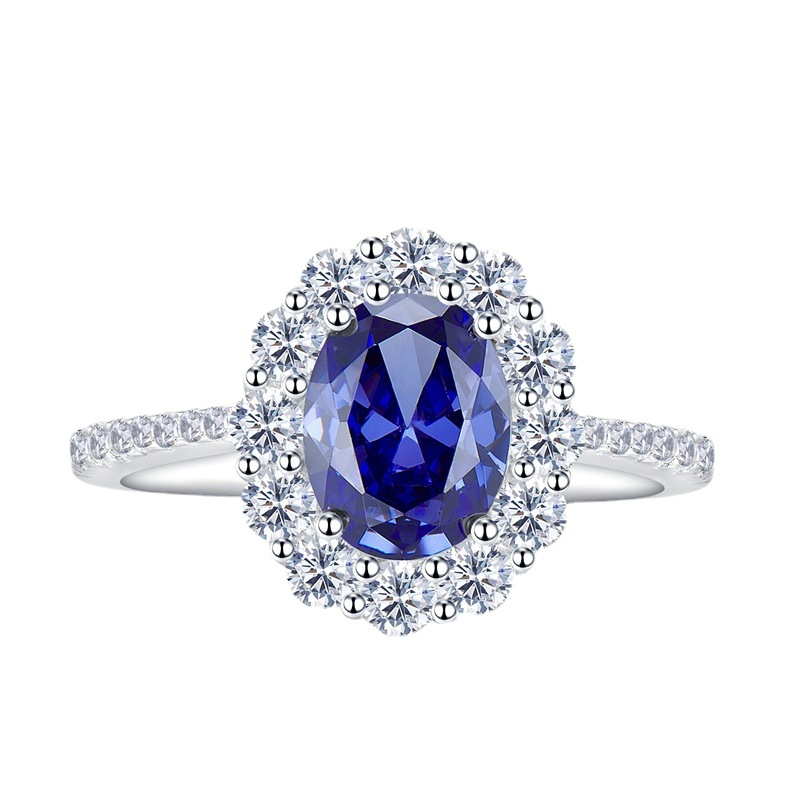
A halo setting surrounds the center stone with small diamonds, increasing sparkle and giving the illusion of a larger center stone. In a pear shaped engagement ring setting, the halo can make the outline appear softer and more glamorous.
Halo designs are popular with buyers who want strong visual impact without increasing center-stone carat weight as much. That said, they do require more upkeep than simpler styles because there are more small stones and more places for dirt to collect.
A halo can also change the feel of the pear shape. Some halos preserve the outline sharply, while others round the overall silhouette slightly. If you like a softer, more ornate look, a halo may be the right move.
Solitaire Settings
A solitaire pear shaped engagement ring setting keeps the focus on the center stone alone. That simplicity works beautifully when the diamond has strong proportions and a clean outline. Nothing competes with the shape, so the pear silhouette reads clearly from across the room.
Because the design is so open, tip protection becomes even more important. A solitaire with weak prong placement may look elegant but wear poorly. A well-made solitaire uses a secure prong at the point and a stable gallery that supports the stone from below.
If you prefer a timeless ring that won’t feel trend-driven later, solitaire styles are a strong choice.
Bezel and Semi-Bezel Settings
A bezel setting wraps metal around all or part of the diamond’s edge, while a semi-bezel protects the stone from two sides or select areas. These are among the most secure options for a pear shaped engagement ring setting because they shield the outer edge and reduce the chance of impact.
That security makes bezels appealing for active wearers, healthcare professionals, frequent travelers, and anyone who wants a lower-maintenance ring. They also create a sleek, modern look that feels clean and architectural.
The tradeoff is light return. A bezel covers more of the diamond than prongs do, so the stone may face up with slightly less open sparkle. Many buyers are happy to make that trade when durability is the priority.
Hidden Halo, Cathedral, and Side-Stone Designs
A hidden halo adds sparkle below the center stone, so the ring catches light from the side without changing the face-up look very much. It’s a smart choice if you want a subtle detail that makes the ring feel more custom.
Cathedral settings lift the center stone on graceful shoulders that rise toward the diamond. In a pear shaped engagement ring setting, that elevation can give the ring a more formal, elegant profile. It can also make the center stone feel more prominent.
Side-stone designs use smaller accent diamonds to frame the pear shape and create visual balance. Some side stones lengthen the finger line, while others add symmetry and extra brilliance. The challenge is to keep the accents from overwhelming the center stone.
How to Choose the Best Pear Shaped Engagement Ring Setting for Your Style
Choosing the best pear shaped engagement ring setting starts with how the ring will actually be worn. A design that looks beautiful in a photo may not suit someone who works with their hands, types all day, or prefers a low-profile ring. The right answer depends on lifestyle, style preference, and maintenance tolerance.
Think about how much of the diamond you want to see. A prong or solitaire style usually shows more of the stone. A halo creates more sparkle and can make the center appear larger. A bezel emphasizes protection and modern simplicity. The pear shaped engagement ring setting should support what matters most to the wearer.
Finger shape and coverage matter too. Pear cuts already create a lengthening effect, especially when the point faces up toward the fingertip. If you want a ring that makes the finger look slimmer or more elongated, a narrower pear and a cleaner setting can help. If you want more coverage, a halo or side-stone layout may work better.
Metal choice also changes the mood. Platinum and white gold often give a crisp, contemporary feel. Yellow gold brings warmth and a more traditional tone. Rose gold adds softness and romantic color. The setting profile should match not only the diamond but also the wearer’s wardrobe and everyday habits.
Lifestyle and Durability Factors
If the ring will be worn daily, durability should lead the decision. The pointed tip of a pear shaped engagement ring setting needs real protection, especially for people who are active or hands-on at work. Bezel settings, secure prong settings, and lower-profile designs usually perform better over time.
Industry jewelers often recommend stronger settings for frequent wearers because repairs to a chipped tip can be costly and inconvenient. That advice aligns with practical risk management, not just aesthetics. A stone that sits lower on the finger may snag less, while a reinforced gallery can improve stability.
If you’re comparing rings online, look for explicit notes about tip coverage, prong count, and setting height. Those details tell you more about real-world performance than polished marketing language does.
Style Preferences and Hand Shape
The pear shaped engagement ring setting can change how the ring looks on the hand. A long, narrow pear with a simple setting can make fingers appear slimmer. A more substantial halo or side-stone design can add presence and spread.
Traditional buyers often lean toward prong solitaires or delicate halos. Vintage-inspired shoppers may prefer ornate halos, milgrain details, or cathedral shoulders. Modern buyers often choose bezels, hidden halos, or clean semi-bezel lines.
What matters most is visual harmony. The ring should look intentional from every angle, not just from the top view.
Metal Choice and Setting Height
Metal strength affects how the ring ages. Platinum is highly durable and resists wear well, though it can develop a soft patina. White gold offers a similar look at a lower price point, but it may need periodic rhodium plating. Yellow gold is classic and warm, while rose gold gives a softer, trend-conscious tone.
Setting height is just as important. Higher settings can create more sparkle and presence, but they may snag more often. Lower settings sit closer to the finger and tend to feel safer for daily wear. A low pear shaped engagement ring setting can also feel more modern and understated.
If comfort is a top priority, try to find the middle ground: enough height for light and presence, but not so much that the ring feels unstable.
Practical Tips Before You Buy
Before buying a pear shaped engagement ring setting, inspect the details that reveal craftsmanship. The photo can look beautiful even when the construction is weak, so the goal is to verify security, symmetry, and finish.
Use this quick checklist:
- Check the tip prong or bezel coverage.
- Confirm the stone sits centered in the setting.
- Look for even shoulders and balanced alignment.
- Review the side profile for height and snag risk.
- Ask about resizing, repair, and warranty terms.
A well-made pear shaped engagement ring setting should feel stable, not fragile. The prongs should appear even, the stone should not wobble, and the gallery should look clean from the side. If the ring includes accent stones, those should also sit flush and symmetrical.
Price is another clue, though not the only one. A simple solitaire in 14k gold may cost far less than a diamond halo in platinum. Setting complexity, metal weight, and stone count all affect pricing. As a rough shopping range, many fine settings land from the low hundreds to several thousand dollars depending on materials and craftsmanship, separate from the center diamond itself.
What to Check in Product Photos or Videos
Good product imagery should show the tip, the prongs, the gallery, and the side profile. If the listing only shows the ring from the top, ask for more images or video. The side view reveals whether the setting is too tall, too delicate, or uneven.
Zoom in on the point of the pear shape. It should look centered and protected. The ring should also appear balanced, not leaning to one side. A strong pear shaped engagement ring setting shows careful geometry, not just shine.
Questions to Ask a Jeweler
Ask how the tip is protected and how many prongs are used. Ask whether the design can be resized without affecting the setting. Ask what maintenance is expected over time, especially for halos or intricate side-stone designs.
It also helps to ask whether the design was built with everyday wear in mind. A jeweler should be able to explain why the pear shaped engagement ring setting is durable, where the weak points are, and what kind of care the ring needs.
If you want guidance from a specialist, contact our jewelry experts or explore our engagement rings to compare setting styles side by side.
Mistakes to Avoid When Choosing a Pear Shaped Engagement Ring Setting
Some ring choices look beautiful at first glance but create problems later. The most common mistake is leaving the pointed end exposed or under-supported. A pear shaped engagement ring setting without strong tip protection is more vulnerable to damage, especially during daily wear.
Another issue is poor symmetry. If the point sits off-center or the shoulders don’t mirror each other, the whole ring can look unbalanced. Because the pear shape already has directional flow, even a small alignment issue becomes obvious.
Comfort is easy to overlook too. A dramatic high setting may look impressive, but if it catches on clothes or gloves, the owner may stop enjoying it. The best design is one that feels good to wear, not just good to photograph.
Common Design and Fit Errors
- Choosing a setting that leaves the pointed end exposed
- Ignoring symmetry and center alignment
- Picking a profile that feels uncomfortable for everyday use
Mistakes Based on Lifestyle or Budget
- Selecting intricate styles without thinking about maintenance
- Focusing only on sparkle instead of structural support
- Overlooking metal strength and long-term wear value
A smart buyer balances appearance with practicality. If a style seems too fragile for the intended lifestyle, it probably is.
Frequently Asked Questions About Pear Shaped Engagement Ring Settings
What is the best setting for a pear shaped engagement ring?
The best setting for a pear shaped engagement ring depends on lifestyle, style preference, and how much protection the pointed tip needs. Many shoppers choose prong, bezel, or halo styles because they balance security with beauty. The ideal pear shaped engagement ring setting is the one that fits the wearer’s daily habits and design taste.
How many prongs should a pear shaped engagement ring setting have?
A pear shaped engagement ring setting commonly uses 3, 4, or 5 prongs, and one of those prongs often protects the pointed tip. The right number depends on the size of the stone, the design, and how much visual emphasis you want. In many cases, the placement of the prongs matters more than the raw count.
Is a pear shaped engagement ring setting durable for everyday wear?
Yes, a pear shaped engagement ring setting can be durable for everyday wear when the tip is well protected and the craftsmanship is strong. Bezel and secure prong settings are often smart options for active wearers. Lower-profile rings can also reduce snagging and improve comfort.
Should the point of a pear shaped diamond face up or down?
Most pear shaped engagement ring settings place the point toward the fingertip for a classic, elongating look. Some people prefer the point facing down for a more unconventional feel. The traditional direction remains the most common because it visually lengthens the finger.
How do I know if a pear shaped engagement ring setting is well made?
Look for symmetry, secure prongs, a protected tip, and a centered stone with no visible wobble. Clear product photos and video help, but so does a detailed explanation from the jeweler. A well-made pear shaped engagement ring setting should look stable from the top and the side.
If you’re still comparing options, learn about ring sizing before finalizing the design, or browse our jewelry collection for more style inspiration.
Choosing a Pear Shaped Engagement Ring Setting That Balances Beauty and Security
The best pear shaped engagement ring setting does more than hold a stone. It protects the tip, supports the shape, and brings the whole design into focus. A strong setting also fits the wearer’s routine, whether that means a low-profile bezel for active days or a refined solitaire for a clean, timeless look.
If you remember just three things, make them these: protect the point, check the symmetry, and choose a profile that suits real life. Those choices matter as much as sparkle. They help the ring age well and stay comfortable for years.
A thoughtful pear shaped engagement ring setting turns a beautiful diamond into a ring that feels intentional, secure, and easy to love. If you’re ready to compare styles, try our ring builder or explore our engagement rings to see how different settings change the look of a pear cut.
Ready to Find Your Perfect Diamond?
Explore our collection of certified lab-grown diamonds
Shop Diamonds