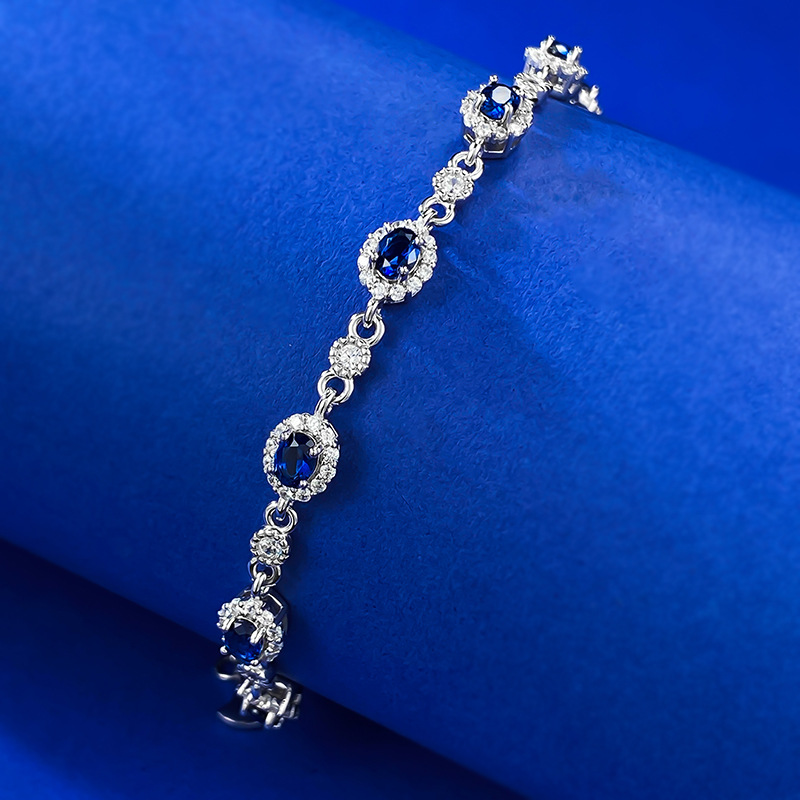
Round Diamond Tennis Bracelet Cost: Value, Fit, and Quality Guide
What Drives Round Diamond Tennis Bracelet Cost?
A round Diamond Tennis Bracelet is easy to love because it works with almost everything. It can dress up a black gown, soften a blazer, or add polish to a simple sweater. Round diamond tennis bracelet cost can vary widely from one piece to the next.
Price depends on total carat weight, diamond quality, metal, length, setting style, clasp design, and how carefully the stones are matched. A bracelet with lively, even sparkle will usually feel more valuable than a larger bracelet with dull or mismatched diamonds.
StoneBridge Jewelry focuses on lab-grown Diamond Tennis Bracelets for shoppers who want real diamond beauty with strong value. Lab-grown diamonds have the same chemical, optical, and physical properties as mined diamonds. They are diamonds, not simulants.
Before You Buy, compare the details that affect both price and wearability:
- Total carat weight and individual diamond size
- Cut quality, color, clarity, and matching
- Metal choice, including 14k gold, 18k gold, and platinum
- Setting style, such as prong, shared-prong, or bezel
- Bracelet length, wrist fit, and resizing options
- Clasp security, safety latch, and link flexibility
- Return policy, warranty, service access, and product transparency
Round Diamond Tennis Bracelet cost makes more sense when you compare bracelets by the same standards. A 3 carat bracelet in 14k white gold sits in a different value tier than a 7 carat platinum bracelet with larger diamonds. Even two 5 carat bracelets can look different if one has better cut consistency and stronger stone matching.
Why Round Diamonds Remain the Favorite
Round brilliant diamonds are popular because they are cut for brightness and fire. A standard round brilliant has 57 or 58 facets, depending on whether it has a culet. Those facets help create the flashes of light people expect from a classic diamond bracelet.
The Gemological Institute of America, or GIA, explains diamond quality through the 4Cs: cut, color, clarity, and carat weight. For round diamonds, cut has a major effect on light return. IGI also grades lab-grown diamonds and is widely used for lab-created diamond reports.
Round diamonds can cost more than some fancy shapes because demand is high and cutting often removes more rough material. In a tennis bracelet, that effect grows because the jeweler must match many stones. That matching work is one reason round Diamond Tennis Bracelet cost rises with quality.
Round Diamond Tennis Bracelet Cost by Carat Weight
Total carat weight means the combined weight of all diamonds in the bracelet. A 5 carat tennis bracelet is usually made with many smaller round diamonds that add up to 5 carats total weight. The look depends on both the total weight and the size of each stone.
Common lab-grown Diamond Tennis Bracelet sizes include 2 ct, 3 ct, 5 ct, 7 ct, and 10 ct total weight. A 2 ct bracelet gives subtle sparkle. A 3 ct bracelet feels more noticeable while staying easy for daily wear. A 5 ct bracelet has a fuller luxury look. A 7 ct or 10 ct bracelet creates stronger wrist presence.
Round diamond tennis bracelet cost usually climbs faster as individual diamond size increases. Larger matched round diamonds are harder to source, especially when color, clarity, and cut appearance need to stay even from end to end.
Use this breakdown to compare value tiers:
| Value Tier | Typical Look | Common Specifications | Best For |
|---|---|---|---|
| Entry | Delicate sparkle | 2 to 3 ct total weight, 14k gold, classic prong setting | Everyday wear and first diamond bracelets |
| Mid-range | Noticeable brilliance | 3 to 5 ct total weight, strong matching, 14k or 18k gold | Anniversaries and milestone gifts |
| Premium | Full wrist presence | 5 to 7 ct total weight, higher color and clarity, secure clasp | Signature jewelry and daily luxury |
| Luxury | Statement sparkle | 7 to 10 ct total weight or more, larger diamonds, platinum or custom details | Major milestones and heirloom-style gifts |
Cost per carat can help, but it does not tell the whole story. A low cost per carat may hide weaker diamond matching, lighter metal, or a basic clasp. A higher price may be justified if the bracelet has better stones, a stronger setting, and dependable service.
As a general lab-grown diamond buying range, a simple 2 to 3 ct bracelet may start in the lower four figures, while a well-matched 5 ct bracelet often moves into the mid four figures depending on metal and quality. Larger 7 to 10 ct bracelets can reach higher four figures or beyond when the stones are larger, brighter, and more carefully matched. Exact pricing changes with the diamond market, but these ranges help you spot offers that seem unusually high or suspiciously low.
Entry-Level and Mid-Range Bracelets
Entry and mid-range bracelets usually focus on classic styling and wearable sizes. These pieces often use 14k gold because it gives a good mix of strength, beauty, and price. For many shoppers, this range is where round diamond tennis bracelet cost feels most practical.
We've found that customers often choose 2 to 3 carats for daily wear or gifting. These sizes look refined on the wrist and stack well with watches or gold bangles. A well-made 3 ct bracelet can be more satisfying than a larger bracelet with flat-looking diamonds.
Lab-grown diamonds can stretch this budget tier. Compared with mined diamonds of similar quality, lab-grown diamonds often let buyers choose more carat weight or better color and clarity for the same budget.
In this range, look for diamonds that are bright and consistent rather than chasing the highest clarity grade. For many bracelets with smaller round diamonds, VS to SI clarity can be eye-clean when selected well. Near-colorless grades such as G-H or H-I often balance whiteness and value, especially in yellow or rose gold.
Premium and Luxury Bracelets
Premium bracelets usually begin around 5 carats total weight. At this level, round diamond tennis bracelet cost depends heavily on stone matching, clasp quality, and metal weight. Larger diamonds make small differences easier to see.
A 7 ct or 10 ct bracelet creates a bolder look. It also needs more careful construction. The bracelet should flex smoothly, sit comfortably, and hold each diamond securely.
Platinum, custom sizing, bezel settings, and higher color grades can raise the price. These upgrades can be a smart choice if you want a piece that feels substantial and special every time you put it on.
For premium pieces, ask whether the bracelet uses a consistent diamond range from end to end. A bracelet described as F-G color and VS clarity should not include noticeably warmer or included stones near the clasp. This is especially important in larger total weights because the diamonds have more surface area and differences are easier to catch in daylight.
Diamond Quality and Lab-Grown Value
Diamond quality has a direct effect on round diamond tennis bracelet cost. Cut, color, clarity, and matching all matter because the diamonds sit side by side. If one stone looks darker or less lively, the line of sparkle can feel uneven.
Cut quality should come first for round brilliant diamonds. A well-cut diamond returns light with brightness, fire, and scintillation. Poor cut can make even a high-color diamond look sleepy.
Color also affects the look. Near-colorless diamonds often give excellent value in tennis bracelets. White gold and platinum can make warmth more visible, while yellow gold and rose gold are usually more forgiving.
Clarity should be clean to the eye during normal wear. Tiny inclusions are less noticeable in smaller bracelet diamonds than in a center stone. The stones should still look bright and consistent.
Matching is its own quality factor. A bracelet can list attractive color and clarity ranges but still look uneven if the diamonds vary too much in diameter, table size, depth, or brightness. When comparing options, look for a balanced row of stones rather than one or two standout diamonds carrying the whole bracelet.
Certification and Trusted Grading
For higher-value bracelets, ask about grading details and quality disclosures. Not every small diamond in a bracelet will have an individual report, but the product page should list total carat weight, color range, clarity range, metal, length, and setting type.
GIA and IGI are helpful authority sources for diamond education and grading language. GIA's 4Cs give buyers a shared way to compare quality. IGI reports are common for lab-grown diamonds and can add confidence for larger purchases.
Round diamond tennis bracelet cost becomes easier to judge when the seller gives clear specs. If a product page only lists carat weight and skips color, clarity, clasp, and metal details, compare carefully before buying.
For bracelets with many smaller diamonds, a single summary appraisal or quality statement is more common than individual reports for every stone. For bracelets with larger individual diamonds, ask whether any stones come with individual grading reports or whether the bracelet includes a detailed professional appraisal for insurance. The most important point is that the description should be specific enough to verify what you are paying for.
Why Lab-Grown Diamonds Change the Budget
Lab-grown diamonds are made of carbon in the same crystal structure as mined diamonds. They rate 10 on the Mohs hardness scale, which makes them suitable for fine jewelry worn often. They also show the same diamond sparkle when cut well.
The main benefit is value. Lab-grown diamond pricing can make higher carat weights more reachable. A shopper comparing round diamond tennis bracelet cost may be able to move from 3 ct to 5 ct, or choose better color and clarity, without stretching as far.
If you want to compare diamond quality before choosing a bracelet, explore StoneBridge Jewelry's lab-grown diamonds. You can also browse our fine jewelry collection to see how bracelets pair with earrings, necklaces, and rings.
Metal, Setting, and Fit Details That Affect Price
Metal changes both style and cost. 14k white gold is popular because it is durable, bright, and usually more accessible than platinum. Yellow gold brings warmth. Rose gold feels soft and romantic. Platinum is dense, naturally white, and premium.
Setting style also changes round diamond tennis bracelet cost. Prong settings show more diamond surface and allow strong light return. Shared-prong settings create a smooth line of brilliance. Bezel settings wrap metal around each diamond, adding edge protection and a modern look.
Craftsmanship is easy to miss online, but it matters every time you wear the bracelet. Look for smooth links, even stone spacing, clean finishing, and a clasp that feels secure. A tennis bracelet should move with the wrist, not fight it.
14k gold is often the most practical choice for everyday wear because it is harder than higher-karat gold and handles frequent use well. 18k gold has a richer color and more pure gold content, but it is softer and typically costs more. Platinum is heavier and naturally white, so it does not need rhodium plating, but it can develop a soft patina over time and may be more expensive to repair.
Setting Tradeoffs to Know
Prong settings are classic because they let more light reach each diamond and keep the bracelet visually airy. Four-prong styles can feel secure and traditional, while three-prong or shared-prong styles may create a more delicate line of sparkle. The tradeoff is that prongs should be checked periodically because they can wear down with friction.
Bezel settings protect the edge of each diamond with a rim of metal. They are a strong choice for active wearers, people who dislike snagging, or shoppers who prefer a sleek modern look. Bezel bracelets can look slightly more metal-forward, and the extra metal may increase cost and make the bracelet feel more substantial.
Channel settings are less common for round diamond tennis bracelets but can appeal to buyers who want a smooth edge. They protect stones well, though they may show less of each diamond and can be more complex to repair if a stone needs replacement. The best setting depends on how often you plan to wear the bracelet and how much maintenance you are comfortable with.
Sizing and Bracelet Length
Fit affects comfort, appearance, and price. A tennis bracelet should move a little, but it should not slide so much that it catches on sleeves or turns constantly. A common sizing method is to measure the wrist and add about 0.5 inch for a close fit.
Some people prefer adding 0.75 inch for a softer drape. Standard lengths often include 6.5, 7, and 7.5 inches, depending on the style. Longer bracelets need more diamonds and metal, so length can raise round diamond tennis bracelet cost.
Buying a gift? Check the recipient's current bracelet length if you can. If not, choose a retailer that can guide you on sizing and explain adjustment options.
Also consider wrist shape, not just wrist measurement. A flatter wrist may need a slightly different fit than a rounder wrist with the same circumference. If the bracelet is too loose, the diamond line can flip under the wrist or strike desks and countertops. If it is too tight, the links may not articulate properly and the bracelet can feel stiff.
Clasp Security and Daily Wear
A beautiful bracelet still needs to feel safe. Look for a secure clasp, safety latch, or side safety features. This is especially important for higher carat weights.
Daily wear also depends on profile. Lower settings are less likely to snag. Smooth link movement helps the bracelet sit naturally instead of twisting.
Our customers often tell us they want a bracelet that feels special but not fragile. That is the right goal. Round diamond tennis bracelet cost should reflect sparkle, comfort, and confidence.
For valuable bracelets, a hidden box clasp with one or two safety catches is a strong feature. The clasp should close with a firm click and should not feel loose when gently pulled. If you plan to wear the bracelet often, put the clasp through normal movements before keeping it: bend your wrist, slip on a jacket, and check whether the bracelet catches or opens too easily.
How to Compare Round Diamond Tennis Bracelet Cost Online
Online comparison works best when you compare similar bracelets. One product may list only total carat weight. Another may include diamond color, clarity, metal, length, setting, clasp type, photos, return terms, and service details.
The second product gives you more to work with. Clear details reduce guesswork and help you decide whether the price is fair. Round diamond tennis bracelet cost should never be judged by the final number alone.
Before buying, check these details:
- Total carat weight and approximate diamond size
- Diamond color, clarity, and cut-related information
- Metal type and karat purity
- Bracelet length and resizing options
- Setting style and clasp security
- Warranty, return policy, shipping, and service access
- Photos, video, or close-up views of the bracelet
A strong product page should show the bracelet from multiple angles. You should be able to see the clasp, setting height, metal color, and diamond presence. If anything is unclear, ask Before You Buy.
For a direct shopping path, compare StoneBridge Jewelry's diamond tennis bracelet collection. If you prefer the value of lab-created stones, view our lab-grown diamond tennis bracelet collection.
Shipping, Returns, and Insurance Questions
Shipping and return terms are part of the real buying experience, especially for a higher-value bracelet. Look for insured shipping, signature confirmation, protective packaging, and clear delivery timing. If the bracelet is made to order or customized for length, confirm whether the production time is separate from shipping time.
Return policies deserve close reading. Some retailers allow returns on standard sizes but restrict returns on customized lengths, engraved pieces, or special orders. Before buying, ask whether resizing affects return eligibility and whether the bracelet must be unworn with tags, documents, and packaging intact.
For premium bracelets, consider insurance once the piece arrives. A detailed receipt, appraisal, or quality document can help with coverage. Store digital copies of purchase documents and take photos of the bracelet, clasp, and any identifying paperwork. These steps do not change round diamond tennis bracelet cost, but they help protect the purchase after it leaves the store.
Care and Long-Term Maintenance
A diamond tennis bracelet is durable, but it still needs care. Clean it with warm water, mild soap, and a soft brush. Rinse well and dry it with a lint-free cloth.
Avoid chlorine, harsh chemicals, and abrasive cleaners. These can affect metal finishes or leave buildup around settings. Store the bracelet in a soft pouch or lined jewelry box so it does not rub against harder pieces.
Have a jeweler inspect the prongs, links, and clasp from time to time, especially if you wear the bracelet often. Routine checks can catch loose stones or worn clasp parts early. That small habit helps protect the value behind round diamond tennis bracelet cost.
Remove the bracelet before swimming, heavy workouts, gardening, or lifting weights. Diamonds are hard, but metal can bend and prongs can catch under pressure. If you notice a rattle, a stone that sits lower than the others, or a clasp that feels different than usual, stop wearing the bracelet until it is inspected.
Common Buying Mistakes to Avoid
One of the biggest mistakes is buying by total carat weight alone. A larger bracelet can look less impressive if the diamonds are poorly cut or poorly matched. A slightly smaller bracelet with lively stones, clean construction, and a secure clasp can be the better value.
Another mistake is ignoring length. A bracelet that is too long may look glamorous in a photo but feel distracting in daily life. A bracelet that is too short can pull at the links and reduce comfort. Measure carefully and ask about adjustments before ordering.
Do not overlook metal and maintenance. White gold may need rhodium refreshing over time to maintain its bright white finish. Platinum does not need plating, but it has a different feel and price profile. Yellow and rose gold can soften the look of near-colorless diamonds and may be easier to coordinate with warm-toned jewelry.
Finally, avoid unclear listings. If a seller cannot explain diamond quality, metal purity, setting style, clasp design, return terms, and service options, the low price may not be as attractive as it first appears. A trustworthy bracelet purchase should feel transparent before checkout.
Shop Round Diamond Tennis Bracelets With Confidence
Round diamond tennis bracelet cost comes down to more than carat weight. The best value combines lively diamonds, secure construction, comfortable fit, honest specs, and helpful service. Price matters, but the bracelet should also feel good on the wrist and easy to wear often.
StoneBridge Jewelry offers lab-grown diamond tennis bracelets for shoppers who want timeless sparkle, ethical sourcing, and strong value. Whether you want a delicate 2 ct bracelet or a bold 7 ct style, choose the piece that matches your lifeStyle and Budget.
Ready to compare round diamond tennis bracelet cost across styles you'll actually wear? Shop round diamond tennis bracelets or explore lab-grown diamond bracelets to view available carat weights, metals, and lengths.
Ready to Find Your Perfect Diamond?
Explore our collection of certified lab-grown diamonds
Shop Diamonds