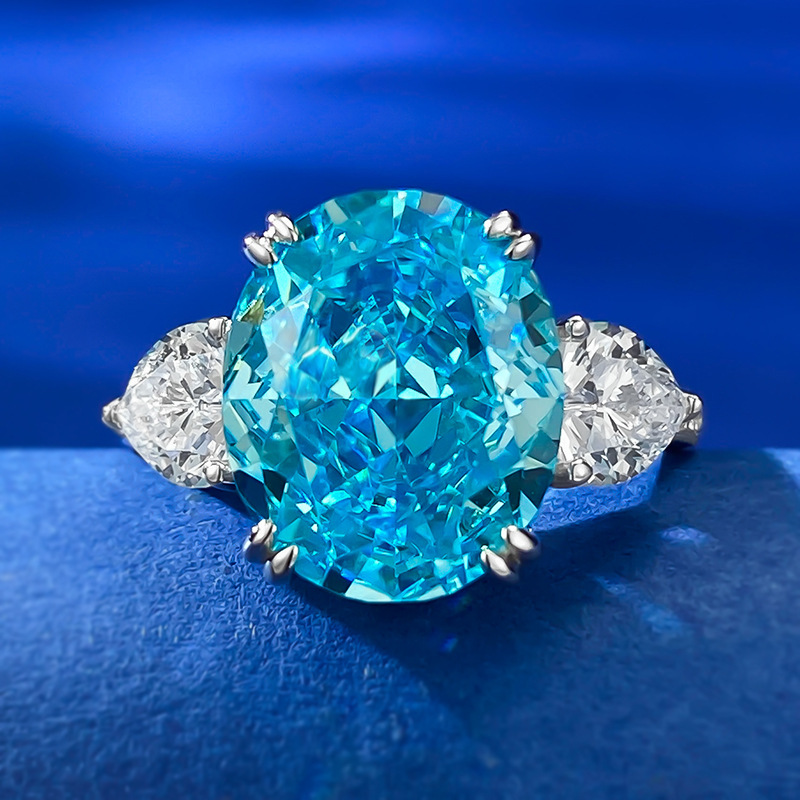
Round Diamond Ring Settings Compare: Which Style Fits You Best?
Shopping for a round diamond is usually easier than shopping for other shapes, but the setting still changes everything. If you want to Round Diamond Ring Settings compare in a practical way, start with sparkle, security, comfort, and cost. A round brilliant can look classic in a solitaire, bold in a halo, or sleek in a bezel.
Round diamonds are versatile because their symmetry works with almost any ring style. The round brilliant also has 57 or 58 facets, depending on how it’s cut, which is part of why it throws off so much light. GIA notes that cut quality has the biggest impact on a diamond’s brightness, so the setting matters most in how it frames that sparkle.
If you’re trying to round Diamond Ring Settings Compare Before You Buy, the usual shortlist includes solitaire, halo, pavé, channel, bezel, three-stone, tension, and cathedral styles. Each one changes the ring’s look, feel, and upkeep. Which one fits your life best?
How to compare round diamond ring settings
A good comparison starts with the parts of the ring you’ll notice every day. Jewelers usually look at five things: appearance, durability, comfort, sparkle, and budget.
A setting that looks great in photos can feel annoying on your hand. A protective design may be a little less open but much easier to live with. That tradeoff matters more than most shoppers expect.
Here’s the simple way to compare them:
- How well does it hold the diamond?
- How high does it sit on the finger?
- How much light can reach the stone?
- How much cleaning or checking will it need?
- Will it work with a wedding band later?
Security matters because daily wear brings bumps, snagging, and pressure. A prong setting usually shows more of the diamond, but it also leaves more edges exposed. A bezel setting covers the rim of the stone and offers stronger protection.
Comfort matters just as much. Lower-profile rings tend to feel better for typing, workouts, and handwashing. Higher cathedral and halo styles can look dramatic, but they may catch more often.
Maintenance is another real factor. Rings with lots of small stones, like pavé styles, need more cleaning and more checks. A simple solitaire is usually easier to care for.
It also helps to think beyond style names and look at the diamond itself. A round brilliant with excellent or very good cut grades from GIA or AGS will usually outperform a larger stone with weaker proportions. If you’re comparing settings for a specific budget, the setting choice can either stretch your money or quietly eat into it. For example, a simple four-prong solitaire often lets you put more of your budget into a higher-color, higher-clarity center stone, while a halo can make a smaller diamond look larger without pushing the center stone size as high.
Solitaire, halo, and pavé settings compared
These three styles get the most attention for a reason. One keeps things clean, one adds size, and one brings extra sparkle across the band.
Solitaire setting
A solitaire setting puts the round diamond front and center. It’s clean, timeless, and easy to pair with almost any wedding band.
If you want your budget to go mostly toward the center stone, this style makes sense. You’re not splitting attention between the center diamond and extra accent stones, so the ring feels simple and focused. Many buyers like that balance.
Maintenance is usually straightforward, too. Fewer tiny stones means fewer places for dirt to collect. Still, the prongs should be checked from time to time because they carry most of the security load.
Solitaire styles come in several prong counts and head shapes. Four prongs show more of the diamond and can look airy, while six prongs add a little more security and can make the stone feel slightly rounder and more traditional. The metal choice also changes the look: platinum and white gold emphasize brightness, yellow gold brings warmth, and rose gold softens the contrast. For buyers comparing value, a solitaire in 14K gold is often less expensive than 18K gold or platinum, while still offering solid durability for daily wear.
Typical price ranges vary widely by center stone, but the setting itself is often one of the most budget-friendly options. As a general guide, a plain solitaire mount can be a lower-cost starting point, while designer versions with hidden halos or cathedral shoulders cost more. If you plan to upgrade the center stone later, a solitaire is also easier to reset.
Halo setting
A halo setting surrounds the center diamond with smaller stones. The result is brighter, bolder, and often larger-looking from across the room.
If finger coverage matters to you, halo settings do a lot of work. They can make a modest center diamond look more substantial without forcing you into a much bigger stone. That’s one reason halo rings stay so popular.
The tradeoff is upkeep. More stones mean more cleaning points and more prongs to inspect. Still, many buyers feel the extra sparkle is worth it.
Halos can be single-row or double-row, and that detail affects both price and appearance. A single halo gives crisp definition and a classic look, while a double halo creates maximum presence but can read more ornate. The center diamond should still be the focus, so proportions matter. If the halo is too large relative to the center stone, the ring can look top-heavy or overly decorative.
Halo settings also change how you think about diamond specs. Because the halo adds visual size, some shoppers choose a slightly smaller center stone with a top-tier cut, color, and clarity balance. Others use the halo to move a stone from a half carat into a visually larger presentation without paying for a much larger center diamond. For certification, request a grading report from GIA or AGS for the center stone, and ask whether the accent diamonds are calibrated and matched for color consistency. That extra detail helps the ring look uniform instead of patchy under daylight.
Pavé setting
A pavé setting uses small diamonds along the band, and sometimes up the shoulders, to create a glittering surface. It adds a lot of light without changing the center stone.
This style is a favorite for people who love detail. A pavé band can make a round diamond feel richer and more polished, even if the center stone itself is modest in size. It also gives the ring a dressier look.
The downside is maintenance. Tiny stones can collect dirt, and those little prongs may loosen over time. Regular cleaning and inspection help keep everything in place.
Pavé rings are not all built the same. Micro-pavé uses even smaller stones and tighter setting work, which can look delicate but may require more careful wear. Shared-prong pavé exposes a bit more of each diamond and can offer a stronger visual line with slightly less metal than full pavé. If you’re comparing options for an engagement ring you plan to wear constantly, ask how many accent stones are used, how they’re secured, and whether the band can be resized later without disturbing the setting pattern.
For budget planning, pavé adds cost through labor as much as through diamonds. Even a modest center stone can become a more expensive ring once the band is fully set with melee stones. That said, pavé is often one of the best ways to create a luxe look without stepping into a very large center diamond size. It’s also a good choice if your wedding band will be worn alongside the engagement ring and you want the two to visually blend.
Quick take on the three
- Solitaire setting: best for simplicity, easy band pairing, and lower upkeep.
- Halo setting: best for maximum visual size and strong sparkle.
- Pavé setting: best for extra shimmer along the band.
If you want to round diamond ring settings compare by appearance only, these three usually top the list. If you want practicality, the solitaire is easiest to live with, while the halo gives the biggest visual boost.
Channel, bezel, three-stone, tension, and cathedral settings compared
Once you move past the most common styles, the look changes more sharply. These settings usually appeal to shoppers who want more structure, more protection, or a stronger design statement.
Channel setting
A channel setting holds diamonds between two metal walls, usually along the band. For a round center stone, it’s often used with side diamonds rather than the center alone.
This style feels neat and secure. The stones sit lower and get more protection from side impact, which makes channel settings a smart pick for active wearers. They also have a clean, tailored look.
The tradeoff is a little less sparkle from the sides. Metal covers more of the stone’s edge, so the look is slightly more closed in. Even so, it’s a solid choice for everyday wear.
Channel settings are especially popular in rings that need a smooth profile, such as styles worn around gloves or under frequent hand use. They can also be a practical option for people who dislike exposed prongs. If you’re comparing channel versus pavé, channel usually feels more secure and easier to clean, while pavé offers more glitter and a lighter, more decorative appearance. The most important question is whether you want maximum shimmer or a streamlined band that resists snags.
Bezel setting
A bezel setting wraps a thin rim of metal around the diamond’s edge. For round diamonds, that gives you one of the most protective settings you can choose.
This style works especially well if you don’t want to worry about snagging. It feels smooth on the finger and holds up well for travel, work, and daily use. The look is modern, clean, and practical.
The one drawback is visual size. Because more of the edge is covered, the stone can look a touch smaller than it would in an open prong setting. For many buyers, though, the security is worth it.
Bezel settings can be full or partial. A full bezel surrounds the entire stone, while a partial bezel leaves a portion open for more light and a lighter visual feel. For round diamonds, a slim bezel can preserve more sparkle than shoppers expect, especially if the stone has an excellent cut and strong light return. It’s also one of the safest choices for ring wearers who work in healthcare, fitness, food service, crafts, or other hands-on jobs.
From a practical standpoint, bezels often pair well with 14K or 18K gold and platinum. Platinum gives a crisp, durable edge and is popular for white-metal looks, though it usually costs more. Yellow gold and rose gold can warm the design and make the bezel feel more fashion-forward. If you want a ring that can handle daily wear with minimal fuss, this is one of the most sensible options.
Three-stone setting
A three-stone setting places the round diamond between two side stones. It adds width across the finger and gives the ring a balanced, meaningful look.
Many shoppers like this style because it feels romantic without being overly ornate. It also lets the center diamond stay the star while the side stones add presence. If you want a bit more visual weight, this is a strong option.
Compared with a solitaire, a three-stone ring usually costs more because it uses more diamonds. Even so, it’s a favorite for people who want a classic ring with a little more character.
Three-stone rings are flexible in style. Matching round side stones create a symmetrical, traditional look, while tapered baguettes or smaller pears can give the ring a more custom feel. The side stones should be proportioned carefully so they support the center stone instead of distracting from it. If the side stones are too large, the ring can look busy; too small, and the design can seem underbalanced. Ask whether the side stones are color-matched to the center stone or slightly lower in color grade, because that can affect the price and the overall brightness of the ring.
Tension setting
A tension setting uses the pressure of the metal to hold the diamond in place. The stone looks like it’s floating, which gives the ring a bold, modern feel.
This style depends on precise engineering. It can be comfortable, but it’s not always the first pick for someone who wants the easiest maintenance. Resizing can also be more complicated.
A tension setting can look striking with a round diamond. It shows off the stone from several angles and feels very contemporary.
Because the stone is supported differently than in prong or bezel designs, quality workmanship matters a great deal here. This is not the place to cut corners. If you like the look, ask about the maker’s experience, the metal alloy used, and whether the setting is designed for the specific carat weight and diameter of your diamond. Tension rings can be beautiful, but they usually work best for buyers who are comfortable with a more specialized design and a stricter fit.
Cathedral setting
A cathedral setting lifts the center stone on graceful arches of metal. It gives the ring height and a more formal, elevated look.
This style works well if you want the diamond to feel more prominent. The arches can add elegance, but they also raise the ring, which may make it catch more often than a low-set design.
A cathedral setting can be beautiful with a round diamond, especially if you like a classic frame. Just make sure you think about band stacking, because the higher profile may affect how a wedding band sits next to it.
Cathedral rings often appeal to shoppers who want a stronger silhouette without going to a halo. The shoulders can be plain, pavé, or carved with detail, so there’s room to personalize the ring. If you plan to wear the ring daily, ask how high the center stone will sit above the finger. A tall cathedral can look dramatic in profile, but a lower one may be much easier to live with. It’s a good example of how appearance and practicality need to be weighed together.
Side-by-side round diamond ring settings compare table
Here’s a quick round diamond ring settings compare chart to help narrow things down.
| Setting | Sparkle | Security | Durability | Style | Maintenance | Budget |
|---|---|---|---|---|---|---|
| Solitaire setting | High | Medium | High | Timeless | Low | Flexible |
| Halo setting | Very high | Medium | Medium | Glamorous | Medium-high | Medium |
| Pavé setting | High | Medium | Medium | Decorative | Medium-high | Medium |
| Channel setting | Medium | High | High | Modern/classic | Low-medium | Medium |
| Bezel setting | Medium | Very high | Very high | Sleek | Low | Medium |
| Three-stone setting | High | Medium | High | Classic | Medium | Medium-high |
| Tension setting | High | Medium | Medium | Contemporary | Medium | Medium-high |
| Cathedral setting | High | Medium | High | Elegant | Medium | Medium |
Best settings by priority
- Maximum brilliance: halo, pavé, three-stone
- Best security: bezel, channel
- Lowest maintenance: solitaire, bezel, channel
- Best visual size: halo, cathedral, three-stone
- Best for stacking with bands: solitaire, some channel styles, select three-stone rings
If you want to round diamond ring settings compare fast, this table is a good starting point. After that, your daily routine should make the final call.
Diamond specs, metals, and certifications to check before you buy
The setting matters, but the diamond specs behind it matter just as much. For a round brilliant, cut is the first place to focus. A well-cut round diamond tends to look brighter, more balanced, and more lively than a larger but poorly cut stone. Color and clarity can be balanced more flexibly depending on the setting. For example, a halo or pavé ring can make it easier to choose a slightly lower color grade if the overall face-up look still appears bright.
When comparing certifications, GIA and AGS are widely trusted for diamond grading. Look for a report that clearly lists cut, color, clarity, and carat weight, plus the diamond’s measurements and proportions. A GIA Excellent cut is a common benchmark for round brilliants, but proportions still matter. Table percentages, crown angle, pavilion angle, and symmetry all influence light performance. If the seller provides an idealscope image, ASET image, or light performance information, that can help you judge how the diamond will actually look in the setting.
Metal choice also changes the buying decision. Platinum is dense and durable, which makes it a strong option for prongs and high-wear settings. It usually costs more than gold, and it can develop a soft patina over time. 14K gold is a practical middle ground for strength and price, while 18K gold has richer color but is slightly softer. White gold is popular for round diamond ring settings because it blends neatly with the stone and usually costs less than platinum, though it may need rhodium replating over time to maintain a bright white finish.
Think about your lifestyle before locking in the metal. If you plan to wear the ring every day, a harder, more durable alloy can be worth the investment. If you prefer a warmer look, yellow or rose gold can make a round diamond feel more vintage or romantic. There’s no universal best choice; the right one depends on the setting shape, your budget, and how much upkeep you’re willing to do.
Price ranges vary by center stone, metal, and setting complexity. A simple solitaire can be the most budget-efficient route, especially if you want to prioritize carat weight or cut quality. A halo, three-stone, or pavé design usually costs more because of extra stones and labor. Bezel and channel settings can also carry added manufacturing costs depending on the thickness and precision of the work. If you’re comparing prices, ask whether the quote includes the center diamond, accent stones, setting labor, and final resizing. A lower sticker price can become less attractive if those pieces are itemized separately later.
Ring sizing, stackability, and everyday comfort
One of the most common mistakes is focusing on the diamond and forgetting how the ring will wear. The right size is not just about getting the ring on your finger; it’s about making sure it stays put, slides comfortably, and still feels good when your hands swell slightly in warm weather.
Wide bands and heavier settings can fit differently than slim styles. A pavé or channel band may feel snugger than a plain band in the same nominal size. Cathedral and halo settings can also change how the ring balances on the hand, especially if the head is tall. When possible, try on similar profiles rather than relying only on a single measurement. If your knuckle is noticeably larger than the base of your finger, sizing details matter even more.
Comfort is partly structural. A rounded inner band, sometimes called a comfort fit, can reduce pressure during long wear. Low-profile bezels and many solitaires are easier for everyday tasks, while very tall cathedral or tension settings may require more care. If you plan to wear gloves, exercise often, or use your hands at work, test how the ring feels in motion rather than just at rest.
Stackability is another key consideration. A straight solitaire usually sits easily with a wedding band, while some three-stone or cathedral rings need a contoured companion band. Pavé bands can look beautiful in a stack, but they may rub more if the profiles don’t align well. If matching matters to you, ask the jeweler whether the engagement ring and wedding band are designed as a pair or should be fit together after the fact.
Shipping, returns, and warranty details to ask about
Before You Buy, look beyond the design and check the seller policies. Fine jewelry should come with clear shipping, return, and warranty terms. Ask whether the ring ships fully insured and whether a signature is required at delivery. For higher-value diamonds, discreet packaging and tracked shipment are standard expectations.
Return windows matter because rings can look different in person than they do on a screen. A generous return policy gives you time to inspect the setting, confirm the size, and compare the ring against your expectations in natural light. If you’re ordering a custom ring, ask whether returns are limited or final sale. Custom work can have different rules than stock settings, especially if the ring is engraved or resized before shipping.
Warranties and service plans are worth reviewing too. Prong inspection, stone tightening, polishing, and rhodium plating may or may not be included. A halo or pavé setting often benefits from periodic maintenance, so a service policy can add real value. If the seller offers lifetime inspections, note how often you need to bring the ring in and whether mail-in service is available. Small policy details can matter as much as a small price difference.
Common mistakes when comparing round diamond ring settings
Many buyers choose the prettiest ring first and worry about the practical details later. That can work out fine, but it often leads to regret. One common mistake is buying a setting that makes the diamond look larger but overlooks how often it will need maintenance. Another is choosing a very delicate pavé ring without asking how secure the accent stones are or whether the ring is suitable for daily wear.
Another mistake is ignoring the wedding band. A ring that looks great alone can create problems if it sits too high or blocks a straight band. Buyers also sometimes focus on carat size without thinking about cut quality, Which Matters More for round brilliants than many people realize. A smaller but well-cut diamond often looks better than a larger stone with weaker light return.
It’s also easy to underestimate metal choice. A very soft alloy may show wear faster in a high-prong design, while a heavier metal can change the feel and price more than expected. And if you’re comparing custom pieces, don’t forget to ask for exact measurements. Two rings can both be labeled as the same style and still wear very differently if one sits low and one sits high, or if one uses thick prongs and the other uses slender ones.
The safest approach is to compare the ring as a whole: the diamond, the setting, the metal, the fit, and the service terms. That gives you a much clearer picture than style alone.
Which setting fits your lifestyle?
Different buyers value different things, so there’s no single winner for everyone. The best ring is the one you can wear without thinking about it too much.
Best matches by shopper type
- Minimalists: solitaire setting or bezel setting
- Vintage lovers: halo setting or cathedral setting
- Active wearers: bezel setting or channel setting
- Maximum-sparkle shoppers: halo setting or pavé setting
- Symbolic gift buyers: three-stone setting
- Modern design fans: tension setting
Best for smaller round diamonds
If your center stone is on the smaller side, a halo can make it look larger and give it more presence. Pavé also helps the ring feel fuller without changing the center diamond.
A solitaire can still work beautifully with a smaller round diamond. The key is cut quality and proportion. A well-cut stone can hold its own even in a simple setting.
Best for larger round diamonds
With a larger stone, the setting should support it without overpowering it. A solitaire lets the diamond do the talking, while a bezel can add security at higher carat sizes.
A cathedral setting can also add drama without crowding the center stone. If you want the diamond to feel bold but still clean, those are strong choices.
If you plan to add a wedding band later
Band fit matters more than people expect. A straight solitaire usually stacks most easily, while a cathedral setting may need a contoured band.
Halo and three-stone styles can also change how flush the wedding band sits. If that’s part of your plan, our customers often find it helpful to use the ring builder early. You can also browse engagement rings to see which shapes already pair well with bands.
Our recommendation by priority
If you want the most balanced choice, the solitaire setting is usually the safest pick. It keeps the focus on the round diamond, stays easy to care for, and works with many wedding bands.
For security, the bezel setting is hard to beat. It’s a strong choice for active lifestyles, travel, and anyone who doesn’t want to worry about everyday knocks. In our experience, buyers who work with their hands often appreciate that peace of mind.
For visual size, the halo setting usually wins. It expands the ring’s surface area and adds a lot of sparkle. That’s why it stays one of the most searched options in round diamond ring settings compare research.
For low upkeep, the solitaire and bezel are the easiest to live with. If you want a little more detail without going all the way to a halo, a channel or cathedral setting can be a good middle ground.
If you’re deciding between two styles, it can help to picture the ring five years from now, not just on the day you buy it. Ask whether you’ll still love the height, whether the setting will still feel comfortable, and whether the design will still fit your wardrobe and routine. The right choice usually becomes obvious when you compare how the ring will wear, not just how it photographs.
FAQ about round diamond ring settings
What is the best setting for a round diamond engagement ring?
The best setting depends on what you care about most. A solitaire is timeless and easy to wear, while a halo gives you more sparkle and visual size. A bezel is the strongest pick for protection, especially if you wear your ring every day.
Does a halo setting make a round diamond look bigger?
Yes, it usually does. The halo adds a frame of smaller stones around the center diamond, which makes the whole ring look wider. That extra edge also brings more sparkle, so the center stone stands out more.
Which round diamond ring setting is most durable for everyday wear?
Bezel and channel settings are usually the most durable choices. They protect the diamond more fully and reduce the chance of snagging. If you work with your hands or stay very active, those styles are worth a close look.
Is a pavé setting hard to maintain?
It can take more upkeep than a simple solitaire. The small stones and tiny prongs can collect dirt, and they should be checked now and then. A quick cleaning routine helps keep the ring bright and secure.
Can I pair a cathedral setting with a wedding band?
Yes, but the fit depends on the height and shape of the arches. Some cathedral rings sit high enough that a straight band won’t lie flush. A jeweler can help you choose a contoured band if needed.
What diamond grades should I prioritize for a round ring?
For a round brilliant, cut should come first because it has the biggest impact on brightness and sparkle. After that, many buyers look for a color and clarity combination that fits the budget and setting. If the ring uses a halo or pavé band, you may be able to balance the center stone grades more flexibly because the surrounding diamonds add brightness.
Should I choose 14K gold, 18K gold, or platinum?
Choose 14K gold if you want a durable, cost-conscious option. Choose 18K gold if you want richer color and don’t mind a slightly softer metal. Choose platinum if you want a premium white metal with excellent durability and don’t mind paying more.
Shop round diamond ring settings
If you’re ready to round diamond ring settings compare by Style, Security, and Daily Wear, start with the setting that matches your top priority. Browse our jewelry collection to compare classic and modern designs, or shop our diamonds if you want more flexibility on center-stone budget.
Use our ring sizing guide Before You Order, then reach out to contact our jewelry experts for help matching a setting to your lifestyle. The right ring should look beautiful now and still feel right years from now.
Ready to Find Your Perfect Diamond?
Explore our collection of certified lab-grown diamonds
Shop Diamonds