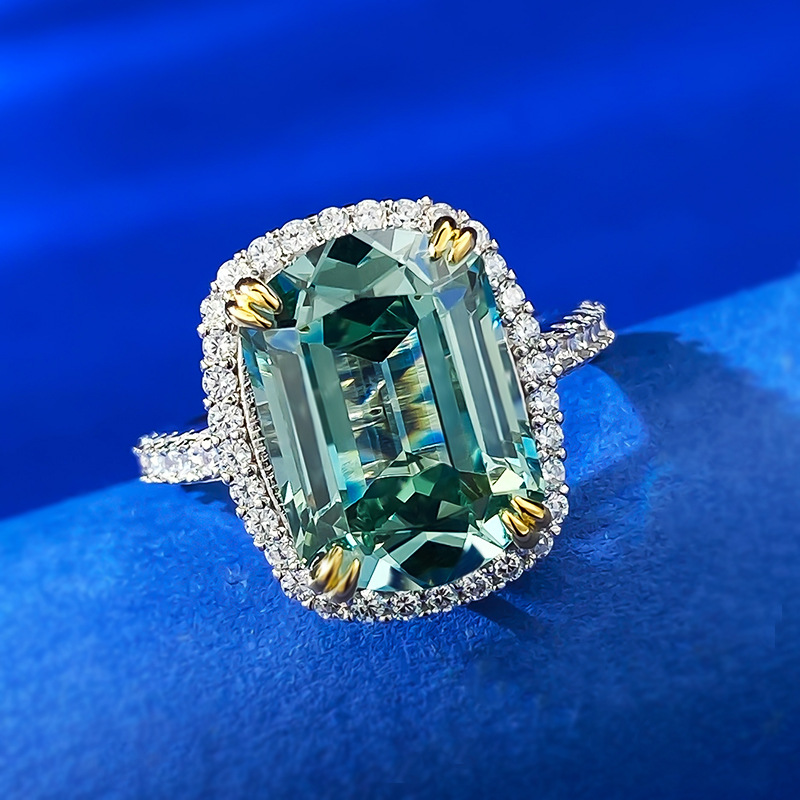
Diamond Ring Settings for Pear Shape: Best Styles to Compare Before You Buy
Choosing the right setting changes how a pear shape diamond looks, feels, and holds up over time. The cut has a rounded end and a pointed tip, so the mount needs to protect the point and keep the stone centered. Pick well, and the diamond looks balanced from every angle. Pick poorly, and the shape can feel awkward or less secure.
Pear diamonds can read classic, romantic, or modern depending on the setting. Some buyers want a clean solitaire. Others want more sparkle from a halo or a softer, vintage feel from a three-stone design. Bezel, pavé, cathedral, channel, and tension settings can also work well in the right design. The best choice depends on the stone, the hand, and how the ring will be worn.
Why the Setting Matters for a Pear Shape Diamond
Pear diamonds blend the brightness of a round cut with the taper of a marquise. That shape creates a graceful line on the finger and a strong focal point. It also creates one challenge: the pointed tip is more exposed than the rounded side.
Diamond Ring Settings for Pear shape stones need to do three jobs at once. They should hold the diamond firmly, protect the tip, and keep the outline looking even. If the setting is too open, the point can chip. If it’s too heavy, the pear shape can disappear.
GIA notes that symmetry and proportion affect the beauty of fancy-shaped diamonds. The same idea applies to the mounting. A good setting lets the pear shape read clearly while still feeling stable for daily wear.
The most common Diamond Ring Settings for pear shape buyers compare are:
solitaire settingfor a clean, classic lookhalo settingfor more sparkle and a larger lookpavé settingfor added shimmer along the bandbezel settingfor strong protection and a sleek profilethree-stone settingfor balance and symbolism
Setting choice also affects price. More metal, more accent stones, and more custom work can raise the cost even if the center diamond stays the same. So it helps to weigh appearance against long-term use.
What Makes a Pear Cut Different?
A pear cut combines a rounded end with a tapered point. That mix gives it a soft but dramatic profile. It can feel romantic, vintage-inspired, or modern depending on how the ring is built.
Many buyers like pear diamonds because they visually lengthen the finger. They also throw sparkle in a directional way, which makes orientation matter. Turn the stone slightly, and the whole ring can look different.
According to GIA guidance on fancy shapes, symmetry and proportion affect both beauty and value. Some pears also show a bow-tie effect, where a darker area crosses the middle of the stone. A good jeweler checks the diamond face-up and helps you choose a setting that doesn’t make that effect more obvious.
Pear Shape Proportions and Direction
A balanced pear shape usually has smooth shoulders, a gentle taper, and a point that lines up cleanly with the body. Many buyers prefer the point facing the fingertip because it gives the ring a classic, lengthening look.
Direction matters for comfort too. A north-south setting feels traditional and elegant. A sideways pear feels more fashion-forward. The right choice is the one that protects the tip and wears comfortably.
Why the Mounting Style Changes the Look
The pointed tip is the most vulnerable part of the diamond. That means Diamond Ring Settings for pear shape stones need real support at the point, not just pretty framing.
The mount also changes sparkle and scale. Open settings show more of the diamond. Heavier settings can make the ring feel bolder. Because the pear already has a strong outline, the setting should support the shape instead of fighting it.
Best Diamond Ring Settings for Pear Shape Diamonds
When you compare Diamond Ring Settings for pear shape stones, focus on security, brightness, and balance. Some styles put the center stone front and center. Others add fire, size, or clean structure.
| Setting Style | Best For | Main Strength | Watch For |
|---|---|---|---|
| Solitaire setting | Clean, classic style | Keeps attention on the pear diamond | Tip protection depends on prong design |
| Halo setting | Bigger look and extra sparkle | Makes the center appear larger | An oversized halo can hide the shape |
| Pavé setting | Shimmer along the band | Adds sparkle without changing the center | Loose stones need regular checks |
| Bezel setting | Maximum security and modern style | Protects the tip well | It can soften light return |
| Three-stone setting | Balance and symbolism | Frames the pear beautifully | Side stones must stay proportional |
Solitaire Setting
A solitaire setting is the simplest way to show off a pear diamond. With fewer distractions, the eye goes straight to the shape and sparkle of the center stone. That’s why it stays a favorite for shoppers who want a timeless look.
Prong design matters here. A three-prong style can look light and elegant, while five or six prongs can add support. For a pear shape, the prongs near the point should be secure and well placed. A good solitaire can also make the stone look longer and more refined.
Halo Setting
A halo setting surrounds the center diamond with small stones. That can make the pear look larger and brighter without increasing the center stone size. It’s a smart pick if you want a lot of visual impact without jumping to a much larger diamond.
Hidden halo and full halo designs both work well. A hidden halo gives sparkle from the side while keeping the outline clean. A full halo creates a more obvious frame and can help protect the outer edge, though a halo that’s too thick can blur the pear shape.
Pavé Setting
A pavé setting adds tiny diamonds along the band for steady sparkle. It pairs well with pear centers because it boosts brightness without changing the diamond silhouette.
The band still needs balance. If the pavé is too busy, it can compete with the center stone. Many shoppers find that diamond ring settings for Pear Shape Rings with pavé shoulders hit a nice middle ground between shine and restraint.
Three-Stone Setting
A three-stone setting creates a framed, symmetrical look around the pear center. It also carries meaning for many couples, often standing for past, present, and future.
Side stones need careful sizing. Tapered baguettes create a sleek finish. Smaller pears echo the center shape. Round side stones soften the look and add sparkle. If the proportions are off, the center can look small or crowded, so craftsmanship matters here.
Bezel Setting
A bezel setting wraps metal around the edge of the diamond. For pear shape stones, that gives the tip strong protection and makes the ring feel very secure.
It’s a strong choice for active wearers and anyone who wants a smooth, modern profile. The trade-off is that a bezel can cover more of the stone, which may reduce light return a bit compared with an open prong setting. Still, many buyers choose it because it protects the point so well.
Cathedral Setting
A cathedral setting lifts the center stone with arches that rise from the band. That creates an elegant profile and can make the ring feel more substantial.
For pear diamonds, cathedral shoulders add height without extra decoration. The structure gives the ring a polished, architectural feel. If you want the center stone to stand out, this style does the job nicely.
Channel Setting
A channel setting usually works best for side stones or band details, not the pear center itself. It holds accent diamonds between metal walls for a smooth, protected finish.
That makes channel details useful in wedding bands or side accents paired with a Pear Engagement Ring. The style feels practical and refined, but it rarely serves as the main mount for the center diamond.
Tension Setting
A tension setting gives the look of a diamond floating between the band ends. It creates a bold, modern effect and can be striking with fancy shapes.
Pear diamonds are less common in tension designs because the tip needs careful engineering. Custom work is usually required. If you want this style, work with a skilled jeweler who can confirm that the stone’s proportions and support are right.
How to Choose the Right Setting
The best diamond ring settings for pear shape buyers depend on how the ring will be worn and what matters most. Some people care most about sparkle. Others want tip protection, style, or value. Start with practical questions before you settle on a look.
Use this simple approach:
- Decide how often the ring will be worn.
- Choose the level of tip protection you need.
- Pick the style that fits your taste.
- Compare how each setting changes the stone’s size.
- Balance craftsmanship with budget.
Match the Setting to Your Lifestyle
If you’re active, travel often, or use your hands a lot, security should come first. Bezel settings and well-made prong settings with good tip coverage usually perform best for daily wear. Low-profile designs can also feel more comfortable and snag less on clothing.
If the ring will be worn only now and then, you can lean into more decorative choices like a halo or pavé setting. Even then, the pear tip still needs protection. That’s one rule jewelers rarely skip.
Choose by Style
Classic shoppers often gravitate toward a solitaire setting or a simple cathedral setting. Those styles keep the pear shape clean and elegant.
Modern buyers may prefer a bezel setting or a tension setting for a sharper look. Romantic styles often pair well with halos, pavé details, or a delicate three-stone design. Vintage-inspired rings can also use ornate halos and detailed shoulders without losing the pear’s outline.
Balance Budget and Value
Setting price varies based on metal weight, accent diamonds, custom shaping, and labor. A plain solitaire is often less expensive than a full pavé or halo design. Three-stone rings can also cost more if the side stones are well matched.
Our customers often choose to put more of the budget into the center diamond and keep the setting simple. That can be a smart move because the pear shape already has a strong visual presence. If you’re comparing diamond ring settings for pear shape rings, choose the design that adds value without features you won’t use.
If you want to compare center stones and mountings together, you can also explore our engagement rings or build your ring online to see how different settings change the final look.
Common Mistakes to Avoid
Even a beautiful diamond can look off if the setting doesn’t suit the shape. With pear diamonds, small design mistakes are easier to spot because the outline is so distinctive.
Skipping Tip Protection
The tip is the most exposed part of the diamond. If it’s left unprotected, the chance of chipping goes up.
A secure prong, bezel edge, or carefully designed head helps reduce that risk. Ask whether the setting gives the point real coverage for daily wear.
Letting the Setting Overpower the Stone
Oversized halos, heavy shoulders, or large side stones can distort the pear outline. Instead of highlighting the center diamond, the setting can swallow it.
Proportion is the goal. The best diamond ring settings for pear shape stones support the shape instead of competing with it.
Ignoring Comfort and Symmetry
A ring that looks great in a case can still feel awkward on the hand. If the pear sits too high, it may catch more often. If the stone is off-center, the shape can look unbalanced.
A jeweler should check alignment from the top, side, and bridge views before the ring is finished.
Styling and Care Tips
Jewelers often recommend checking the setting regularly, especially for fancy shapes like pear diamonds. A secure ring depends on both the design and the condition of the prongs or bezel over time.
Styling Ideas for Everyday Wear
Pear shape rings pair well with curved wedding bands, contour bands, or slim stackable bands. Those shapes help the ring sit flush and keep the center diamond visually centered.
Guard rings can also help protect the pointed tip and create a bolder stacked look. If you prefer a cleaner look, keep the surrounding bands slim so the pear stays the focus.
For more ideas, you can browse our jewelry collection and compare band shapes beside your center stone.
Care and Long-Term Maintenance
Check prongs, bezels, and accent stones regularly. A professional inspection once or twice a year is a smart habit, especially for rings worn every day. For home care, warm water, mild soap, and a soft brush usually do the trick.
Even lab-grown diamonds and fine metals need routine care. Stone security, polish, and wear can change over time, so quick inspections help prevent avoidable repairs. If you’re unsure about fit or sizing, learn about ring sizing before ordering or resizing.
Which Setting Is Right for You?
The best diamond ring settings for pear shape stones come down to priorities. If you want timeless simplicity, a solitaire setting is hard to beat. If you want more brilliance and presence, a halo setting is a strong choice. If protection matters most, a bezel setting often leads the pack.
A three-stone setting gives balance and symbolism, while pavé details add sparkle without changing the center outline. Cathedral settings bring height and refinement, channel accents work well in supporting roles, and tension settings offer a modern look for custom-minded buyers.
For many shoppers, the smartest choice is the setting that protects the tip, flatters the pear outline, and fits the way the ring will be worn. Still deciding? Contact our jewelry experts for help choosing diamond ring settings for pear shape styles that fit your stone, budget, and daily routine.
FAQ
What is the best diamond ring setting for a pear shape diamond?
The best setting depends on what matters most to you. Solitaire, halo, and bezel settings are the most common starting points because each solves a different need: clean style, extra sparkle, or strong protection. Our customers often narrow it down by asking how the ring will be worn every day. If you want a safe all-around choice, start with tip protection and then compare the look from there.
Is a pear shape diamond better in a solitaire or halo setting?
A solitaire is better if you want a clean look that puts the pear outline first. A halo is better if you want more sparkle and a larger visual presence without buying a bigger center stone. Both work well with diamond ring settings for pear shape designs, so the choice usually comes down to Style and Budget. If you’re torn, try both views side by side before you decide.
What setting protects a pear diamond tip the best?
A bezel setting usually gives the most protection because metal surrounds more of the stone. A well-made prong setting can also protect the tip if the point is set securely. For everyday wear, that extra coverage matters more than people think. If you’re hard on your hands, ask for a low-profile design with strong point support.
Can a pear shape diamond work in a three-stone setting?
Yes, and it can look beautiful. Tapered baguettes, rounds, and smaller pear-shaped side stones all work well when they’re sized with care. The key is making sure the side stones frame the center diamond instead of stealing the focus. A good three-stone design can make the center pear look more balanced and elegant.
Are pavé bands good with pear shape engagement rings?
Yes, pavé bands pair well with pear centers because they add sparkle without changing the diamond’s silhouette. The band should stay balanced so it supports the center stone rather than competing with it. Many buyers like this style because it gives a polished look without feeling too heavy. If you want extra shine, pavé is a strong option.
Ready to Find Your Perfect Diamond?
Explore our collection of certified lab-grown diamonds
Shop Diamonds