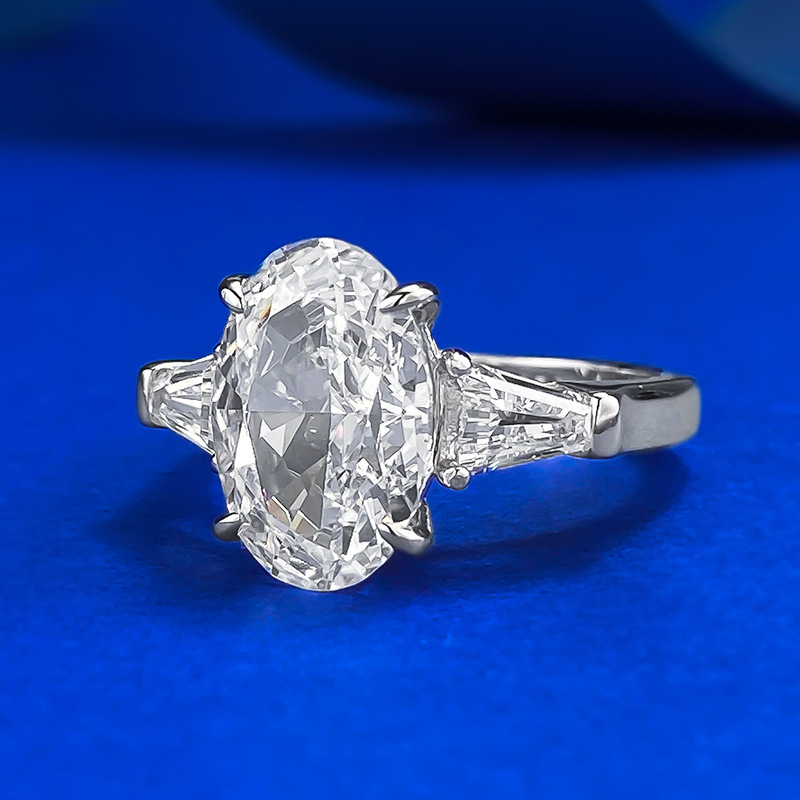
Diamond Ring Settings for Pear Shape: How to Choose the Right Style
Diamond Ring Settings for Pear shape need a careful balance of beauty, protection, and wearability. The pear cut has a pointed tip and a rounded end, which makes the setting more than a design choice—it affects durability, sparkle, and how the ring looks on the hand. If you’re comparing diamond ring settings for pear shape, the best option is the one that supports the stone’s unique outline while fitting your lifestyle, metal preference, and budget.
A well-chosen setting can make a pear diamond look longer, brighter, and more secure. A weak one can expose the tip, distract from the symmetry, or make everyday wear more stressful. That’s why shoppers often compare Diamond Ring Settings for pear shape before they ever choose a carat weight or metal. The right design can also change how large the center stone appears, how comfortable the ring feels, and how much maintenance it needs over time.
Below, you’ll find the most flattering Diamond Ring Settings for pear shape, what each style does best, and how to choose the one that fits your life.
Why the Right Setting Matters for Pear-Shaped Diamonds
Pear-shaped diamonds have a built-in contrast: one end curves softly, while the other ends in a delicate point. That shape creates elegance, but it also creates a vulnerability. The pointed tip is the most exposed area of the stone, and it needs support from the setting to reduce the risk of chips or abrasion. For that reason, Diamond Ring Settings for pear shape must do more than hold the diamond in place. They need to protect the most fragile part of the cut without hiding the stone’s graceful outline.
The setting also changes how the diamond performs visually. A setting with open sides may show more light return, while a more enclosed style can increase protection and give the ring a sleeker profile. If the setting is too bulky, it can make the pear look shorter or distort the shape. If it’s too minimal, the pointed tip may be left exposed. The best diamond ring settings for pear shape keep the silhouette clean while supporting the stone from the moment it’s worn.
Pear diamonds can also show a bow-tie effect, a dark area across the center caused by light and facet interaction. The setting doesn’t create that pattern, but it can influence how noticeable it feels. A balanced setting can help the eye focus on the diamond’s brilliance rather than the shadowing. According to GIA guidance on fancy shapes, symmetry and proportion play a major role in how attractive a pear diamond appears, which is why the setting and the stone should be evaluated together.
There’s a practical reason buyers pay close attention here too. Industry jewelers often recommend 5 or 6 prongs for pear shapes, especially when the stone will be worn every day. That extra support can help stabilize the tip and reduce movement. In short, diamond ring settings for pear shape affect:
- tip protection and overall durability
- how large the diamond appears on the finger
- whether the stone looks balanced or lopsided
- sparkle, light exposure, and visual brightness
- comfort for daily wear
That’s why setting choice is one of the most important decisions in the ring-buying process.
What Makes a Pear Shape Different from Other Cuts
A pear-shaped diamond is also called a teardrop cut. It combines the rounded brilliance of a round diamond with a tapered point that creates a flattering elongated look. Many shoppers like the way it visually stretches the finger, and that slimming effect is one reason diamond ring settings for pear shape remain so popular.
From a gemological perspective, a pear diamond depends heavily on symmetry. Ideally, the point aligns with the center of the rounded end, and the shoulders taper evenly on both sides. GIA and other respected grading organizations look closely at polish, symmetry, and proportion because those elements influence both beauty and value. A pear with uneven sides may appear tilted once mounted, so the setting has to be chosen with precision.
Orientation matters too. Most pear diamonds are worn with the point facing away from the hand, creating a classic elongated look. That setup often feels more traditional and can visually lengthen the finger. Some custom designs reverse the direction so the point faces toward the hand. This can create a bolder, modern appearance, though it changes the overall balance. If you are comparing diamond ring settings for pear shape, orientation is part of the design conversation, not an afterthought.
Jewelers also pay attention to the stone’s length-to-width ratio. A longer pear can look elegant and dramatic, while a wider pear may feel softer and more balanced. Neither is automatically better. The right setting should complement the exact outline of the diamond you choose. That’s why many buyers review the center stone and setting together instead of selecting each one separately.
Here are the main features that make a pear diamond unique:
- A rounded end that adds softness and brilliance.
- A pointed tip that needs protection.
- An elongated profile that can flatter the hand.
- A shape that may show bow-tie contrast depending on proportions.
- A versatile orientation that can face up or down.
Once you understand those traits, it becomes easier to compare diamond ring settings for pear shape with confidence.
Best Diamond Ring Settings for Pear Shape
The best diamond ring settings for pear shape do three things well: they protect the tip, frame the silhouette, and enhance sparkle without overwhelming the stone. Some settings lean classic. Others feel more modern or ornate. The right choice depends on how much visibility, security, and presence you want.
The comparison table below can help you narrow the Options Before You decide on a final design.
| Setting Style | Best For | Protection | Sparkle | Style Feel |
|---|---|---|---|---|
| Solitaire setting | Minimalists, larger pears | High with proper prongs | High | Timeless |
| Halo setting | Bigger visual size, extra brilliance | Very high | Very high | Glamorous |
| Pavé setting | Added band sparkle | Medium | High | Delicate |
| Three-stone setting | Balanced proportions, symbolism | High | High | Classic to modern |
| Bezel setting | Active lifestyles, daily wear | Very high | Medium | Sleek |
| Cathedral setting | Elevated profile, elegant presence | High | High | Refined |
| Channel setting | Accent stones on the band | High for side stones | Medium | Smooth |
| Tension setting | Modern statement looks | Moderate | High | Architectural |
Solitaire Setting
A solitaire setting is one of the most classic diamond ring settings for pear shape because it puts all the attention on the center stone. With no side stones to compete for attention, the pear shape reads clearly and cleanly. That makes this setting a strong option for buyers who want a timeless look or have chosen a particularly well-cut pear diamond.
The key detail is prong placement. Because the pointed tip is vulnerable, the setting should secure that area carefully. Many jewelers favor a 5-prong or 6-prong layout for pears, depending on size and style. A solitaire works especially well if you prefer an elegant look that won’t feel crowded.
It’s also a practical choice for larger stones, since the diamond itself becomes the design feature. If your priority is a simple, refined ring, the solitaire remains one of the most reliable diamond ring settings for pear shape.
Halo Setting
A halo setting surrounds the center diamond with a ring of smaller stones, which can make a pear look larger and brighter. It’s a popular choice for shoppers who want a bigger visual presence without stepping up dramatically in carat weight. The halo also helps frame the outline of the pear, which can make the shape feel more balanced.
There are several variations: single halo, double halo, and hidden halo. A single halo is the most classic. A double halo adds extra drama and size. A hidden halo places accent diamonds beneath the center stone, giving the ring sparkle from the side while preserving a cleaner top view.
Because the halo adds a physical border around the stone, it can provide a bit of extra protection near the edges. For many buyers, that combination of sparkle, size, and security makes halo one of the most appealing diamond ring settings for pear shape.
Pavé Setting
A pavé setting uses small diamonds along the band to create a continuous shimmer. On a Pear Engagement Ring, pavé doesn’t usually define the center stone, but it can elevate the whole design and add a refined sparkle effect.
This style works well if you want the pear to remain the focal point while the band adds extra brightness. It pairs nicely with solitaires, halos, and cathedral styles. The tradeoff is maintenance. More small stones mean more surfaces to clean and more areas to inspect for security over time.
If you want diamond ring settings for pear shape with a delicate, luminous feel, pavé is an excellent supporting choice.
Three-Stone Setting
A three-stone setting places the pear diamond between two side stones, creating visual balance and a stronger overall silhouette. It’s a flexible style that can feel romantic, classic, or contemporary depending on the side stones you choose.
Popular pairings include tapered baguettes, round side stones, or even smaller pears. Tapered baguettes create a clean, geometric look. Rounds add softness and extra brilliance. Pear side stones can echo the center shape for a more cohesive design. Symbolically, many buyers like the idea of past, present, and future represented in one ring.
Three-stone designs are especially appealing when you want the ring to look substantial without relying on a halo. Among diamond ring settings for pear shape, this one offers a strong mix of presence and personality.
Bezel Setting
A bezel setting wraps a thin metal rim around part or all of the diamond’s edge. For a pear-shaped stone, this provides strong protection, especially at the pointed tip. It’s one of the best choices if you lead an active lifestyle or want a ring that can handle frequent daily wear.
The look is modern, smooth, and sleek. A bezel can soften the sparkle slightly because more of the stone is covered, but many buyers value the security and contemporary feel. It also reduces snagging, which can be helpful if you wear your ring during hands-on work.
If durability is a top priority, bezel belongs near the top of your shortlist for diamond ring settings for pear shape.
Channel Setting
A channel setting is usually used for accent stones along the band rather than the pear center stone itself. The stones sit between two metal walls, which keeps the surface smooth and durable.
This style works well if you want the shank to be secure and comfortable for daily wear. It’s less about highlighting the center pear and more about supporting the overall design. Because the stones are protected from the sides, a channel setting can be a smart detail in a ring that sees regular use.
While it’s not the main center-stone solution, it still plays an important role in some diamond ring settings for pear shape.
Tension Setting
A tension setting creates the illusion that the diamond is floating between the ends of the band. The result is dramatic and modern. It requires precise engineering, which makes it less common for pear shapes than for other cuts.
A pear diamond can work in tension style, but the design options are more limited, and fit matters a great deal. Because the shape has a point, the setting must support the stone securely without stressing the metal or compromising comfort.
This is a niche but striking option for buyers who want a bold, architectural look from their diamond ring settings for pear shape.
Cathedral Setting
A cathedral setting uses arches that rise from the band to support the center diamond. Those arches create height and a graceful profile, which can make the ring feel more elevated and elegant.
For pear shapes, cathedral shoulders can enhance presence without making the ring look bulky. They also pair well with solitaires, halos, and pavé accents. If you want a ring that feels refined from the side view as well as the top view, cathedral is worth considering.
It’s a versatile framework that works beautifully within diamond ring settings for pear shape.
How to Choose the Best Setting for Your Lifestyle
The best diamond ring settings for pear shape are the ones you can wear comfortably and confidently. Start with how you use your hands. If you work in healthcare, food service, construction, or any job that involves frequent contact, a low-profile or bezel design may feel safer. If you mostly wear your ring for office settings or occasional use, a more elevated solitaire or halo may be a better fit.
Think about the tradeoff between height and security. Elevated settings can showcase the diamond beautifully, but they may catch more often on clothing or gloves. Lower settings sit closer to the finger and usually feel more practical, though they may show slightly less of the stone from the side. With pear-shaped diamonds, that balance matters because the pointed tip should always be protected.
Budget also plays a role. A halo can make a smaller diamond appear larger, which may help maximize visual impact at a lower carat weight. A solitaire may put more of the budget into the center stone itself. Pavé and three-stone rings often sit in the middle, depending on the metal and diamond quality.
Here are three questions that help shoppers narrow the choice:
- Do you want maximum sparkle or maximum simplicity?
- Will you wear the ring every day or only sometimes?
- Do you want the setting to make the stone look larger, safer, or more elegant?
Metal choice matters too. Platinum is prized for strength and durability, especially for prongs. White gold is a popular and more budget-friendly alternative, though it may need periodic rhodium plating. Yellow gold offers contrast and warmth. Rose gold can soften the look of the pear shape while adding a romantic tone.
If you want broader design flexibility, you can use our ring builder to compare settings and metals side by side. If you’re still exploring stone options, shop our lab-grown diamonds for more center-stone choices.
Practical Tips for Buying a Pear-Shaped Diamond Ring
Buying a pear-shaped diamond ring is easier when you know what to inspect before you commit. Start with prongs. Many jewelers recommend 5 or 6 prongs for pear shapes because the extra support helps protect the tip. A single prong positioned at the point can make a meaningful difference in durability.
Look closely at symmetry. The rounded end should align well with the point, and the sides should taper evenly. Even slight asymmetry can become more visible once the stone is mounted. Ask to see the diamond loose if possible, or review high-resolution images and measurements before purchase.
You should also check the bow-tie effect. A small amount of darkness can appear in many pears, but the pattern shouldn’t overpower the stone. The right diamond ring settings for pear shape won’t fix a strong bow tie, so the center stone still needs to be well selected.
Use this quick buying checklist:
- confirm 5 or 6 prongs for added tip security
- ask how the pointed end is supported
- review symmetry, polish, and proportions
- compare setting height and how it sits on the hand
- check whether the band width matches the size of the center stone
- verify stone security if the ring includes pavé or a halo
Metal and craftsmanship matter as much as the design. A strong setting with careful finishing can outlast a more elaborate ring built poorly. According to experienced jewelers, many service requests come from loose stones or worn prongs rather than from the diamond itself. That makes quality setting work a real part of value.
If you’re comparing ring styles and want broader inspiration, you can also browse our jewelry collection or explore our engagement rings.
Common Mistakes to Avoid with Pear-Shaped Ring Settings
One of the biggest mistakes is choosing a setting that leaves the pointed tip too exposed. The tip is the most fragile part of the diamond, and even a beautiful design can become a poor long-term choice if it doesn’t support that area well.
Another common issue is overdoing the halo or side stones. A halo that’s too heavy can make the pear outline feel crowded, while mismatched side stones can distort the shape instead of enhancing it. The goal is to frame the diamond, not fight it.
Sizing mistakes matter too. If the ring spins on the finger, the point may not face the correct direction consistently, which can affect both appearance and comfort. A ring that’s too tight can also increase wear on the setting over time.
Avoid these pitfalls:
- weak tip protection
- overly bulky halos
- side stones that overpower the center pear
- improper ring size
- ignoring maintenance needs for pavé or channel details
- choosing a setting height that doesn’t fit your routine
Pear diamond rings can stay beautiful for decades, but only if the setting matches the stone and the wearer.
FAQs About Diamond Ring Settings for Pear Shape
What is the best setting for a pear-shaped diamond ring?
The best setting depends on your lifestyle and style preference. Solitaire, halo, and bezel are among the most popular choices because they balance beauty with tip protection, but the right option depends on how much sparkle, security, and visual size you want. If you wear your ring daily, security may matter more than extra brilliance. If visual impact is your main goal, a halo may be the strongest fit.
How many prongs should a pear-shaped diamond have?
Many pear-shaped diamonds are best secured with 5 or 6 prongs, with special attention to protecting the pointed tip. The exact prong count can vary based on the stone’s size, setting style, and overall design. A skilled jeweler may adjust the layout to suit the specific diamond and improve long-term durability.
Is a halo setting good for a pear-shaped diamond?
Yes, a halo setting can be an excellent choice for pear-shaped diamonds because it boosts sparkle and can make the center stone appear larger. It also helps frame the shape, though the design should be balanced so the pear outline still feels elegant. A well-proportioned halo can add protection near the edges without overwhelming the stone.
Can a pear-shaped diamond work in a bezel setting?
Absolutely. A bezel setting is a strong choice for a pear-shaped diamond if you want a modern look and extra protection for daily wear. It may slightly reduce the amount of visible stone, but many buyers value the security it offers. It’s especially practical for active lifestyles or anyone who prefers a smooth, low-maintenance design.
Should a pear-shaped diamond point up or down in the ring?
Most pear-shaped diamonds are worn with the pointed end facing away from the hand for a classic elongated look. Some custom designs reverse the orientation for a unique style, so the best choice comes down to personal preference and ring design. A jeweler can help you compare both orientations before you decide.
Summary: Choosing a Setting That Flatters and Protects
The best diamond ring settings for pear shape combine protection, balance, and style. A solitaire keeps the focus on the stone, a halo adds size and sparkle, a bezel offers maximum security, and a three-stone or cathedral design can bring extra presence. The right choice depends on how you live, how you want the ring to look, and how much maintenance you’re willing to take on.
If you’re comparing diamond ring settings for pear shape, start with tip protection, then look at proportion, comfort, and visual effect. A well-matched setting makes the pear shape look elegant and secure at the same time. For more help choosing a design, explore our ring resources, compare styles, or contact our jewelry experts for personalized guidance.
Ready to Find Your Perfect Diamond?
Explore our collection of certified lab-grown diamonds
Shop Diamonds