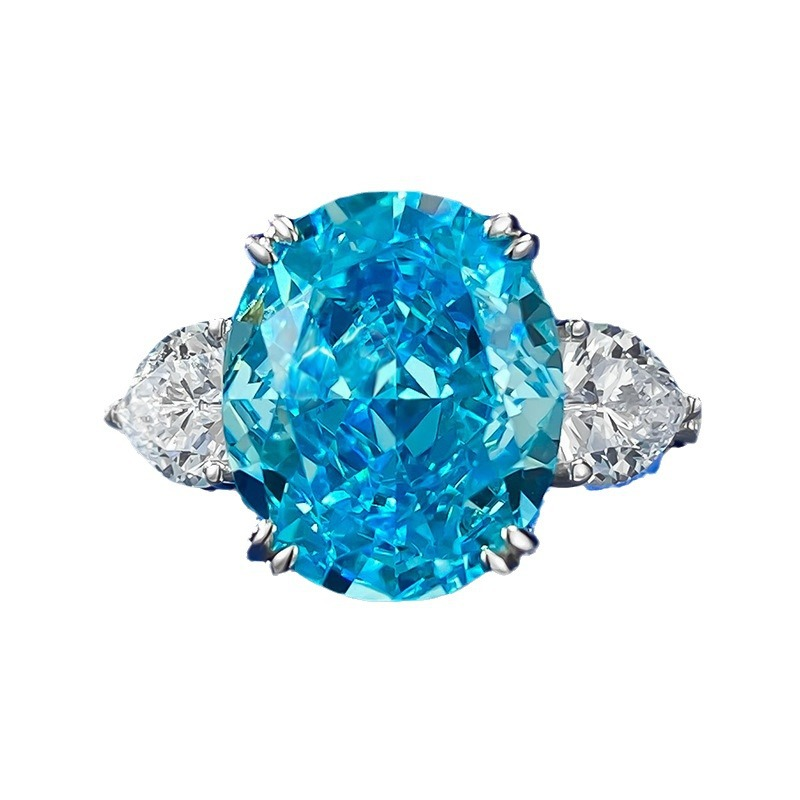
Round Diamond Ring Settings Compare: Choose the Best Fit
Choosing a round diamond ring is only half the decision. The setting changes how the stone looks, how secure it feels, how much it sparkles, and how well it holds up to daily wear. If you want to round Diamond Ring Settings compare, you’re probably weighing beauty against practicality, and maybe budget against long-term value too.
The right setting can make a round diamond seem larger, brighter, or more elegant. It can also affect how often the ring needs inspection, whether it catches on clothing, and how easily it pairs with a wedding band. This guide compares the most popular options so you can shop with clarity, not guesswork.
We cover the solitaire setting, halo setting, pavé setting, channel setting, bezel setting, three-stone setting, tension setting, and cathedral setting, with a close look at how each performs for everyday wear, style, and price.
Round Diamond Ring Settings Compare: What Matters Most
If you want to round Diamond Ring Settings Compare the Right way, start with the buyer experience, not just the look. A setting can be stunning in photos and still feel wrong on the hand if it sits too high, demands too much care, or doesn’t suit your lifestyle.
The biggest comparison points are straightforward:
- Style — Does it feel classic, modern, vintage-inspired, or bold?
- Sparkle — Does the setting amplify the diamond’s brilliance or keep the focus minimal?
- Center-stone emphasis — Does the round diamond stand alone or share attention with side stones?
- Durability — How well does the setting protect the stone and metal from daily wear?
- Maintenance — Will it need frequent cleaning or prong checks?
- Resale appeal — Does the style have broad market recognition?
- Band compatibility — Will it sit flush with a wedding band?
Round diamonds tend to perform well in almost every setting because their shape is symmetrical and highly reflective. According to GIA guidance on diamond appearance, cut quality and light performance drive much of the visual beauty, but the setting still changes how much of that beauty you see from the top and side. A high-profile setting can make the diamond feel more prominent, while a lower profile can make the ring more wearable.
For shoppers comparing price ranges, setting style matters too. A simple solitaire setting may keep costs lower, while a halo setting or pavé setting can create a larger visual look without increasing center-stone size. That can be useful if you’re balancing budget with appearance.
How to Judge a Round Diamond Ring Setting
To Round Diamond Ring Settings compare accurately, judge each style by the details that matter most in real use. Beautiful settings are easy to spot. The better question is how they perform once the ring leaves the display case.
1. Look at the overall style
Some buyers want a clean, minimal ring that never feels dated. Others prefer extra sparkle and visual texture. A solitaire setting offers a quiet, timeless look. A halo setting feels brighter and more decorative. A three-stone setting adds presence and symmetry. The style should match the wearer, not just the occasion.
2. Check security and structure
If you wear jewelry daily, protection matters. A bezel setting wraps metal around the diamond’s edge for strong security. A channel setting protects side stones by nesting them between metal walls. More open designs can show off the diamond better, but they may need more attention over time.
3. Pay attention to sparkle and light flow
Round diamonds are known for excellent brilliance, especially when cut well. But the setting can either support that brilliance or reduce how much light reaches the stone. A halo setting can add extra flash. A pavé setting reflects light from the band. A bezel setting, by contrast, can slightly reduce light exposure because it covers more of the stone.
4. Think about height and comfort
Setting height affects both appearance and daily comfort. A cathedral setting raises the center stone, giving it a grand silhouette. A low-profile bezel feels more streamlined and practical. Higher settings can snag more easily, especially if you work with your hands.
5. Compare maintenance needs
If you prefer low upkeep, avoid settings with many tiny accent stones unless you’re fine with periodic inspections. Pavé setting designs are beautiful, but the small prongs may need checking over time. By contrast, a smooth bezel or channel setting often feels easier to maintain.
6. Consider wedding band fit
Some ring settings leave room for a flush band; others do not. Cathedral and high solitaire settings can create space issues depending on the design. If you want a seamless stack later, ask how the engagement ring will sit with a straight wedding band.
A good comparison is not just about what looks best under showroom lights. It’s about how the ring lives on the hand.
Solitaire vs Halo: The Most Popular Round Diamond Ring Settings
If you round Diamond Ring Settings compare for first purchase decisions, this is usually where the conversation starts. The solitaire setting and halo setting are the two most familiar styles for round diamonds, and each solves a different shopper problem.
Solitaire setting
A solitaire setting puts the round diamond front and center with little distraction. That simplicity is its strength. It creates a clean profile, allows the center stone to dominate the look, and stays visually versatile across fashion styles.
Why shoppers choose it:
- Timeless, classic appearance
- Strong focus on the center diamond
- Easy to pair with most wedding bands
- Often more budget-efficient than ornate designs
Possible drawbacks:
- Less visual impact than multi-stone designs
- Can make a smaller diamond look modest on the hand
- Style may feel too simple for buyers who want extra sparkle
A solitaire setting works well if you want the diamond itself to carry the ring. It’s often the first choice for minimalists and for buyers who prefer a ring that won’t look tied to a trend cycle.
Halo setting
A halo setting surrounds the round center diamond with smaller accent stones. That ring of sparkle makes the center appear larger and brighter from above. For many shoppers, this is the easiest way to maximize presence without stepping into a significantly larger center stone.
Why shoppers choose it:
- Strong sparkle and visual drama
- Makes the center diamond look bigger
- Offers a glamorous, statement-making style
- Helps smaller round diamonds feel more substantial
Possible drawbacks:
- More metal and stones mean more maintenance
- Can look busier than a solitaire setting
- Trend appeal may vary depending on halo shape and proportion
A halo setting can be a smart budget move if size perception matters most. It’s especially appealing for someone who wants a more noticeable ring face without paying for a much larger center diamond.
Side-by-side reality check
If you round diamond ring settings compare these two on value, the answer depends on your goal. A solitaire setting usually wins for timelessness and clean wear. A halo setting usually wins for sparkle and apparent size. If your priority is versatility, the solitaire setting tends to age gracefully. If your priority is visual impact, the halo setting has the edge.
A lot of shoppers also compare these two based on diamond size. Around the 0.75 to 1.50 carat range, a halo setting can make a round diamond feel especially bold. For larger center stones, a solitaire setting may be enough on its own.
Pavé, Channel, and Bezel Settings: Sparkle and Security Tradeoffs
These three styles sit at the heart of the practical comparison. If you want to round diamond ring settings compare by wearability, this is where the differences become clear.
Pavé setting
A pavé setting uses small diamonds along the band, often held by tiny beads or prongs. The effect is a glittering surface that adds refined sparkle without overwhelming the center stone.
Strengths:
- Increases overall brilliance
- Creates a delicate, luxurious look
- Works well with both solitaire and halo center designs
Tradeoffs:
- Needs more cleaning and inspection
- Tiny stones may loosen over time
- Can feel less rugged for heavy daily wear
A pavé setting is a strong choice if you want a ring that sparkles from every angle. It’s popular with buyers who want a dressier look and accept a bit more maintenance in exchange.
Channel setting
A channel setting places accent stones between metal walls, creating a smooth band profile. It’s tidy, secure, and less prone to snagging than more open stone settings.
Strengths:
- Very secure for side stones
- Smooth feel on the hand
- Clean, structured appearance
- Good for wedding bands or eternity-style accents
Tradeoffs:
- Less sparkle than pavé setting designs
- Can feel more formal or understated
- Harder to resize in some designs
For shoppers who want polished detail without a flashy surface, channel setting designs are often a smart middle ground. They offer beauty and function in equal measure.
Bezel setting
A bezel setting surrounds the round diamond with a rim of metal, securing the stone all the way around or most of the way around. It has a sleek, modern look and excellent protection.
Strengths:
- Very secure
- Great for active lifestyles
- Lower snag risk
- Clean, contemporary style
Tradeoffs:
- Covers more of the diamond’s edge
- Can reduce visible sparkle compared with open settings
- May feel less traditional to some buyers
The bezel setting is often the best pick for people who work with their hands, travel often, or prefer a ring that feels sturdy every day. It’s also a smart option if the diamond will be worn in a more demanding environment.
Quick takeaway
If you want maximum sparkle, pavé setting designs stand out. If you want smooth practicality, channel setting is a strong option. If you want security first, bezel setting leads the group. That’s the core of how many shoppers round diamond ring settings compare in real life.
Three-Stone, Tension, and Cathedral Settings: Style With Structure
These settings bring more personality to a round diamond while changing the ring’s overall silhouette. If your goal is to round diamond ring settings compare beyond the basics, these styles deserve close attention.
Three-stone setting
A three-stone setting places the round center diamond between two side stones. The design is often associated with the past, present, and future, which gives it emotional appeal as well as visual balance.
Why it stands out:
- Strong symbolic meaning
- Adds width and presence on the hand
- Can be customized with matching or contrasting side stones
- Makes the ring feel substantial without relying on a halo
For a round diamond, a three-stone setting can create a beautifully balanced look. The side stones frame the center and draw the eye across the entire ring, which can make the center feel more prominent.
Tension setting
A tension setting uses the structure of the ring to hold the diamond in place with pressure, creating a floating effect. It looks bold and modern, and it’s not for every buyer.
Why it stands out:
- Distinctive, architectural appearance
- Strong contemporary style
- Allows light to reach the diamond from many angles
Practical limitations:
- Resizing can be difficult or impossible depending on the design
- May not suit every diamond shape or size range
- Can feel less traditional than other settings
The tension setting is more of a style statement than a universal solution. If you want something modern and unusual, it can be compelling. If you want maximum flexibility later, it may not be the easiest choice.
Cathedral setting
A cathedral setting raises the center diamond using graceful arches that rise from the band. It creates a more elevated, elegant profile and often makes the ring feel more formal.
Why it stands out:
- Adds height and presence
- Gives the ring a refined silhouette
- Can enhance the center stone’s visual importance
Tradeoffs:
- Higher profile may snag more often
- Can be less practical for very active wear
- May influence how a wedding band sits beside it
For shoppers who want elegance and stature, a cathedral setting is a strong contender. It can make a round diamond feel more dramatic without needing side stones or a halo.
Side-by-Side Round Diamond Ring Settings Compare
If you want a fast way to round diamond ring settings compare the major styles, this table gives a practical snapshot.
| Setting | Appearance | Sparkle | Security | Maintenance | Budget Fit | Band Compatibility | Best For |
|---|---|---|---|---|---|---|---|
| Solitaire setting | Clean, classic | Moderate | Good | Low | Strong | Usually excellent | Minimalists, timeless style |
| Halo setting | Glamorous, larger look | Very high | Good | Moderate | Strong for visual size | Varies by design | Maximum sparkle seekers |
| Pavé setting | Refined, detailed | High | Moderate | Higher | Moderate | Usually good | Decorative, high-shine looks |
| Channel setting | Smooth, structured | Moderate | Very good | Low to moderate | Moderate | Usually strong | Practical everyday wear |
| Bezel setting | Modern, sleek | Moderate to lower | Excellent | Low | Moderate | Varies by design | Active lifestyles, security |
| Three-stone setting | Balanced, meaningful | High | Good | Moderate | Moderate to higher | Varies by design | Symbolic, substantial styles |
| Tension setting | Bold, contemporary | High | Good to moderate | Moderate | Moderate to higher | Often limited | Design-forward buyers |
| Cathedral setting | Elegant, elevated | Moderate to high | Good | Moderate | Moderate | Sometimes limited | Presence and height |
Best use cases by shopper type
- Minimalists: solitaire setting or bezel setting
- Maximum sparkle seekers: halo setting or pavé setting
- Active lifestyles: bezel setting or channel setting
- Romantic symbolism: three-stone setting
- Modern design lovers: tension setting
- Classic elegance: cathedral setting or solitaire setting
Quick shortlist
If you want the safest all-around choice, start with a solitaire setting.
If you want the biggest visual impact, start with a halo setting.
If you want everyday durability, start with a bezel setting or channel setting.
That’s often the easiest way to round diamond ring settings compare without getting overwhelmed.
Which Round Diamond Ring Setting Should You Choose?
The best setting depends on how you live and what you want the ring to say. Here’s a shopper-first way to decide.
Choose a solitaire setting if you want:
- A timeless look
- A strong focus on the center stone
- Easy pairing with a wedding band
- A style that won’t feel overly trend-driven
Choose a halo setting if you want:
- More sparkle
- A larger face-up appearance
- A glamorous finish
- Strong visual value for the budget
Choose a pavé setting if you want:
- Extra shimmer across the band
- A more decorative profile
- A refined, luxurious look
Choose a channel setting if you want:
- Protected side stones
- A smoother band
- Less snagging
- Solid everyday practicality
Choose a bezel setting if you want:
- Maximum security
- Lower maintenance
- A modern aesthetic
- Better support for active wear
Choose a three-stone setting if you want:
- More presence on the hand
- Symbolic meaning
- A balanced, structured look
Choose a tension setting if you want:
- A bold modern statement
- Something visually different
- An open, airy setting style
Choose a cathedral setting if you want:
- Height and elegance
- A more formal silhouette
- A setting that elevates the center stone
If you’re balancing style and practicality, the strongest all-around option is often a solitaire setting. If budget efficiency matters and you want the ring to look larger, a halo setting is hard to beat. For active daily wear, a bezel setting usually offers the best security.
Diamond shape also matters, even with a round cut. Round diamonds are forgiving, but the exact carat weight, depth, and setting height can change how large the ring feels on the hand. A 1.00-carat round diamond in a solitaire setting will read differently than the same stone in a halo setting. That difference is part of the value equation.
If you’re still deciding, compare ring styles alongside your center stone options. You can explore our engagement rings, try our ring builder, or browse our jewelry collection to narrow the field.
Expert Recommendation, FAQs, and Next Steps
If you want a simple expert verdict after you round diamond ring settings compare the major choices, here it is:
- Best overall: solitaire setting
- Best for sparkle: halo setting
- Best for security: bezel setting
- Best for everyday wear: bezel setting or channel setting
- Best for symbolic impact: three-stone setting
- Best for a modern statement: tension setting
Industry experts often recommend thinking about maintenance and lifestyle first, then style second. That approach helps the ring stay beautiful after the proposal, not just in the showcase. GIA and other gemological authorities emphasize that diamond appearance is shaped by the full ring design, not the stone alone.
If you’re shopping with a specific budget, remember that setting style can change how large and how refined a ring feels. A well-chosen halo setting can stretch visual impact. A thoughtful solitaire setting can make a premium center diamond feel even more special. A bezel setting can reduce anxiety for someone who wears a ring every day.
For shoppers who want guidance beyond the ring itself, learn about ring sizing before you finalize the purchase, and contact our jewelry experts if you want help matching a setting to a diamond.
FAQs
What is the best ring setting for a round diamond?
The best setting depends on your priorities, but solitaire and halo settings are the most commonly compared options for round diamonds. A solitaire setting is ideal for timeless simplicity, while a halo setting maximizes sparkle and visual size. If you want a setting that balances beauty with everyday practicality, a bezel setting is also worth serious consideration. The best choice is the one that Fits Your Style, budget, and wear habits.
Which round diamond ring setting makes the diamond look biggest?
Halo settings usually make a round diamond appear larger because the surrounding accent stones expand the overall face-up look. Cathedral settings can also add presence, but halo is typically the strongest choice for visual size. If your goal is to make the center look bolder without moving up in carat weight, a halo setting is one of the most effective options. It’s a favorite for shoppers who want more impact from a modest center stone.
Are bezel settings good for round diamond engagement rings?
Yes, bezel settings are a strong choice for everyday wear because they protect the center stone well and create a sleek, modern look. They may show slightly less diamond sparkle than more open settings, but they offer excellent security. That makes them appealing for active lifestyles or buyers who don’t want to worry about snagging. For practical, low-stress wear, bezel settings are among the most dependable choices.
Is pavé setting hard to maintain on a round diamond ring?
Pavé settings can require more maintenance because the small accent stones and prongs may need periodic inspection. They are beautiful and high-shine, but buyers should expect a little more upkeep than with simpler settings. Regular cleaning and occasional professional checks help keep the stones secure and bright. If you want sparkle with less fuss, a solitaire setting or bezel setting may be easier to live with.
What setting is most secure for an active lifestyle?
Bezel and channel settings are often considered the most secure for active wear because they protect stones and minimize snag risk. If you want a style-forward option with added security, bezel is usually the safest pick. Channel setting is also a smart option for accent stones if you want a smooth band surface. For people who use their hands often, security should stay high on the priority list.
Final Pick
When you round diamond ring settings compare side by side, the best choice usually becomes clear: solitaire for timeless simplicity, halo for maximum sparkle, bezel for security, and channel for smooth everyday wear. If you’re ready to shop, start with the setting that matches your lifestyle, then pair it with the right round diamond and band design.
Ready to Find Your Perfect Diamond?
Explore our collection of certified lab-grown diamonds
Shop Diamonds