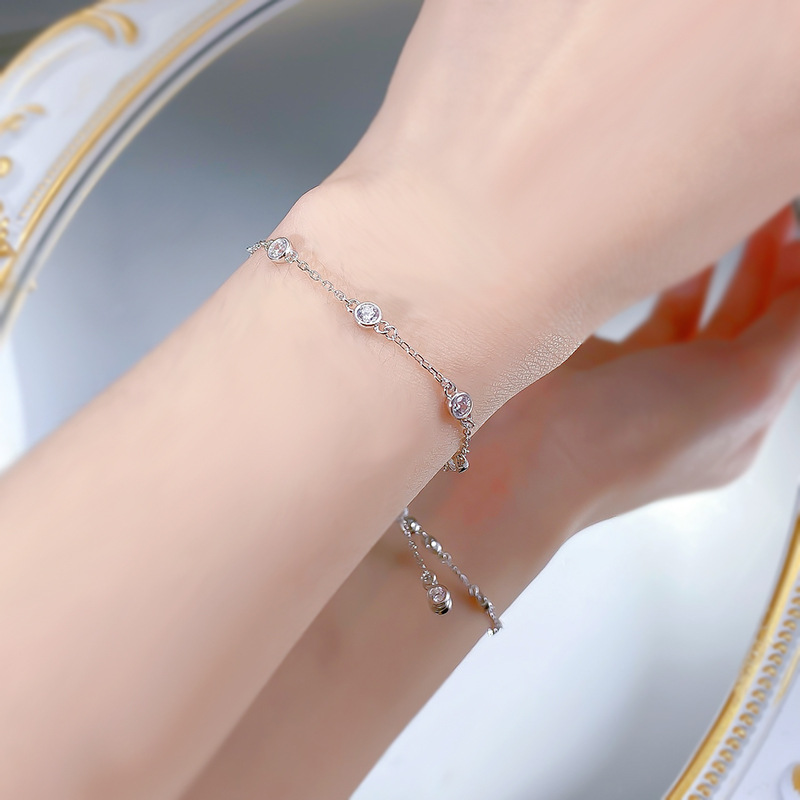
Return Policy Checklist Maintenance Plan for Jewelry Buyers
A Return Policy Checklist maintenance plan can help you avoid a costly mistake. Jewelry is personal, and the risk is too. A ring can look perfect online and feel off in person. A diamond may match the specs and still miss the style you had in mind.
Return terms matter just as much as the setting, stone, and price. According to the Baymard Institute, average cart abandonment sits around 70%, and unclear costs or policies are a major reason shoppers leave. For higher-ticket pieces, clear return terms can make the difference between hesitation and checkout.
Shoppers also feel more confident when the rules are easy to find before they buy. If you’re comparing fine jewelry or lab-grown diamonds, use this Return Policy Checklist maintenance plan to review the fine print before you place an order. You can also browse our jewelry collection or shop lab-grown diamonds while you compare policies.
What a Return Policy Checklist Maintenance Plan Covers
A Return Policy Checklist maintenance plan is a simple buying tool. It helps you check whether a retailer’s return rules are clear, current, and fair before you spend money.
For jewelry shoppers, that matters because returns can get messy fast. A necklace may be the wrong length. A ring may need sizing. A loose diamond may come with paperwork that has to go back with it.
A good policy should answer a few basic questions:
- How long do you have to return the item?
- What condition does it need to be in?
- Are custom or engraved pieces excluded?
- Do you need the box, tags, or certificate?
- Will you get a refund, exchange, or store credit?
If the policy feels vague, treat that as a red flag. A strong Return Policy Checklist maintenance plan should read like plain English, not a puzzle. It should also tell you exactly who pays for return shipping, whether insurance is required, and what happens if the package is lost in transit.
Why Jewelry Return Terms Matter So Much
Jewelry isn’t a casual buy. Most shoppers are choosing for fit, style, or a milestone moment. That makes the return window and the refund rules especially important.
A ring can feel too loose or too tight. A bracelet can sit oddly on the wrist. Even a beautiful setting can feel different once it’s in your hand. Checking the return terms first is a smart move.
There’s another reason to pay attention. Fine jewelry often ships with certificates, appraisal papers, and security tags. GIA and IGI grading documents are common in the diamond trade, and some retailers require those items to come back in the same package. If you miss one paper, your return could slow down.
That risk rises when you’re comparing diamonds by cut, color, clarity, and carat. A stone that looked ideal on a product page may seem smaller, warmer, or brighter than you expected once it is viewed under different lighting. If you bought a round brilliant at 1.00 carat, for example, the spread and face-up size can still vary with the cut quality and depth percentage. A return window gives you time to inspect those details at Home Without pressure.
Return Policy Checklist Maintenance Plan: The Key Details to Review
Start with the basics, then work through the small print. The goal is to know the rules before checkout, not after the box arrives.
1) Return window
Check how many days you have to send the piece back. Many jewelry stores use 14, 30, or 45 days, but the clock doesn’t always start the same way.
Some count from the shipping date. Others count from delivery. A few require the package to arrive back by the deadline, not just leave your hands by then.
Look for these details:
- When the return period starts
- Whether the deadline is based on delivery or shipment
- Whether weekends and holidays count
- Whether the item must be received by the cutoff date
A clear date rule is one of the easiest signs of a fair Return Policy Checklist maintenance plan. For expensive engagement rings or custom orders, a longer window can be valuable because it gives you time to compare stone size, ring profile, and metal color under normal daily wear.
2) Item condition
Most retailers want the item back in original condition. That usually means unworn, unused, and free from scratches or alteration.
That can be a problem for rings and bracelets, since even a short try-on can leave marks. Some stores also want the original box, tags, security seal, and grading papers returned with the item.
Before You Buy, check for language about:
- Original packaging
- Tamper-proof seals
- Certificates and appraisal papers
- No wear, cleaning damage, or repairs
- No resizing or other changes
If the policy says the item must be “acceptable” or “in good condition,” ask for more detail. Vague wording helps no one. A chain that has been shortened, a prong that has been bent, or a ring that has been polished by a local jeweler may no longer qualify for a full refund.
3) Exclusions and exceptions
This is where many shoppers get surprised. Custom jewelry often has different rules, and in some cases, no return at all.
Common exclusions include:
- Custom designs
- Engraved pieces
- Final-sale items
- Special orders
- Resized rings
- Altered bracelets or necklaces
- Loose stones that were mounted after purchase
If you’re ordering something personalized, read this section twice. A Return Policy Checklist maintenance plan only works if you know what’s excluded Before You Buy. This is especially important for wedding bands with names or dates engraved inside, because a simple engraving can permanently change return eligibility.
4) Return steps
The best retailers make the process simple. You shouldn’t need three emails and two phone calls just to learn how to send something back.
A clean process usually looks like this:
- Log in to your account or request a return authorization.
- Fill out the return form.
- Get a label or shipping instructions.
- Pack the item in approved materials.
- Ship it with tracking and insurance.
- Wait for inspection and refund approval.
Refund timing should be stated too. Some stores process refunds within a few business days after inspection. Others need more time if they Verify the Stone, setting, or certificate. For diamond jewelry, the return center may compare the item against serial numbers, laser inscriptions, or graded documentation before releasing the money back to your card.
Diamond and Metal Specs That Affect Returns
The specs you choose can affect how easy a piece is to return, exchange, or resize. That’s why a Return Policy Checklist maintenance plan should be reviewed alongside the product details, not after them.
For diamonds, look at the full 4Cs, not just the carat weight. A 1.00 carat diamond with excellent cut may look brighter and larger than a 1.10 carat stone with a deep pavilion or poor symmetry. Many shoppers also pay attention to fluorescence, table percentage, and crown angle if the retailer lists them. These details do not just matter for beauty; they matter because they influence whether the piece feels right once it arrives.
For lab-grown diamonds, ask whether the item is graded by GIA, IGI, GCAL, or another lab. Certification can affect trust and return handling. Some retailers want the original grading report returned with the stone. If the report is lost, the return may be delayed or denied.
Metal choice matters too. Platinum is durable and dense, but it can show surface patina over time. 14K gold is often stronger than 18K Gold for Everyday wear because it contains more alloy and less pure gold. 18K gold offers a richer color, but it is softer and may show wear faster. White gold usually needs rhodium replating over time, while rose gold can be more forgiving for daily wear and tends to hide minor surface marks better. Those differences can affect both comfort and whether a retailer considers the piece “worn.”
If you are buying earrings, pendants, or a tennis bracelet, check whether the clasp, chain length, or post style can be adjusted without voiding the return. Small changes can make a big difference in comfort, but they may also change the refund terms.
How to Compare Policies for Jewelry and Lab-Grown Diamonds
A return policy checklist maintenance plan works best when you apply it to the exact item you want to buy. Loose diamonds, engagement rings, and finished pieces can all have different rules.
Loose stones versus finished jewelry
Loose lab-grown diamonds may have tighter rules if they leave their original packaging or get mounted into a setting. A finished pendant or ring may be easier to return if it stays unworn and untouched.
Ask yourself:
- Can I return it after a home inspection?
- Does setting the stone change eligibility?
- Does resizing void the return option?
- Are earrings treated differently because of hygiene rules?
Retailers that spell this out clearly make shopping easier. If you are buying a loose round, oval, emerald, or pear-shaped stone, consider how each shape will look in your chosen setting before committing. Shape affects finger coverage and perceived size, and those are often the details buyers want to verify in person.
Fit, style, and comfort
Jewelry often looks different in person. A halo ring may feel bolder than expected. A solitaire may look smaller. A white gold finish may read cooler than rose gold once it’s on your hand.
That’s where a return policy checklist maintenance plan really helps. It gives you room to see the piece in natural light, wear it with your clothes, and judge the fit in a real setting. If you’re comparing engagement rings, the policy can matter as much as the diamond details.
It also helps with scale. A 2-carat center stone on a slim band can look dramatically different from the same diamond in a thicker cathedral setting. A bezel setting may make the stone appear slightly smaller but offers more security, while a prong setting can maximize sparkle and face-up size. If you are unsure about proportions, a good return policy gives you a practical backup.
Refunds, exchanges, and store credit
These aren’t the same thing, and the policy should say so.
- Refund: money goes back to your original payment method.
- Exchange: you swap one item for another.
- Store credit: you keep the value with the retailer.
Most buyers prefer a refund. That’s especially true on higher-priced orders. If you’re unsure about size, a good exchange policy can still work in your favor. Just make sure the new item is not subject to a different price, a new restocking fee, or a separate shipping charge.
Inspection and authentication
Jewelry returns often go through an inspection. The retailer may check the prongs, stone size, setting condition, and paperwork before it approves the refund.
That’s standard, but it should be explained clearly. According to the Federal Trade Commission, consumers should understand the full return process before buying, especially when shipping and timing affect the final outcome. For diamond jewelry, that matters even more because certificates and order matching can slow things down.
If the retailer uses authentication, ask whether the inspection is performed in-house or by a third party. If your ring includes a serial number, laser inscription, or branded mount, the return department may compare those details line by line. That is normal, but it should not be hidden in the fine print.
Shipping, Insurance, and Security Before You Send It Back
Once you decide to return a jewelry item, shipping becomes part of the policy conversation. A maintenance plan for returns should not end at the checkout page; it should also cover what happens when the package is on the move.
For fine jewelry, never assume a basic mailbox drop-off is enough. Use tracked shipping and, when required, insured shipping that matches the value of the item. If a ring is worth $5,000 and the policy instructs insured return shipping, make sure the declared value and carrier rules align with that amount. Keep the receipt and tracking number until the refund is completed.
Packaging matters too. Use the original box if the policy asks for it, but place that box inside a larger shipping carton so the jewelry packaging is not obvious. Do not write “diamond ring” or “gold necklace” on the outside of the package. If the retailer gives specific instructions for tamper seals, follow them exactly.
When the item is expensive, take photos before sealing the parcel. Photograph the jewelry, the box, the certificate, and the shipping label. If the carrier damages the shipment or the retailer claims that a paper was missing, your records can help resolve the dispute faster.
What a Strong Policy Means for Buyers
A clear return policy checklist maintenance plan lowers stress. It gives you a backup plan if the style, size, or finish isn’t right.
That peace of mind matters for gifts too. Our customers often shop for anniversaries, proposals, and wedding bands, where the stakes feel higher than a normal purchase. If the recipient wants a different length or metal color, a fair return or exchange policy can save the day.
It also protects you from hidden costs. Watch for restocking fees, return shipping charges, insurance costs, or store-credit-only terms. A lower sticker price isn’t always the better deal if the return policy is weak.
Fees to compare before checkout
Use this quick checklist:
- Return shipping cost
- Insurance requirement
- Restocking fee
- Outbound shipping deduction
- Refund processing time
- Exchange rules versus refund rules
For example, a $2,000 ring with a 10% restocking fee can end up costing far more than you expected. A slightly pricier piece with free returns may be the smarter buy. The same is true for diamonds, where grading document requirements, insured return labels, and inspection fees can quietly add to the real purchase price.
Customer Checklist Before You Buy
Before you place the order, slow down and review the last few details. That extra minute can save you a lot of trouble later.
Sizing and resizing
Ring size is one of the biggest reasons people return jewelry. Bracelets and necklaces have fit issues too.
Check whether resizing is allowed, and whether it changes return eligibility. Some stores allow resizing after the return window closes. Others treat any alteration as final. If size is still uncertain, use our ring size guide Before You Order.
If you are between sizes, ask about the band style. Wide bands often fit tighter than thin bands, so you may need a half-size adjustment. Comfort-fit bands can feel different from flat interior bands. For engagement rings and wedding bands, that small difference matters.
Care, wear, and packaging
Keep the piece clean and unworn if you think you may return it. Put everything back in the original box, including certificates and inserts.
Save these items too:
- Order confirmation
- Tracking number
- Product photos
- Diamond certificate or appraisal
- Return authorization email
- Photos of any shipping damage
If the package arrives damaged, document it right away. Don’t wait.
Also keep basic care in mind. Avoid lotions, perfumes, and harsh cleaners while deciding whether to keep the jewelry. Even a returnable item can be rejected if it has residue, bent prongs, or signs of wear. For pearls, opals, and softer gemstones, careful handling is especially important because these materials can scratch or dull more easily than diamonds and sapphires.
Timing for gifts and wedding plans
Order early if the piece is for a proposal, wedding, or anniversary. Return windows can close faster than people expect, especially when resizing or exchange time is involved.
Build in room for:
- Shipping delays
- Inspection after delivery
- Possible resizing
- Exchange requests
- Return shipping if needed
A little extra time keeps you from making a rushed choice. It also gives you room to compare the piece against wedding attire, stack it with an existing ring, or check whether a pendant sits the way you expected on the neckline.
Common Jewelry Return Mistakes to Avoid
Many return problems are preventable. The biggest mistake is assuming all jewelry policies work the same way. They do not.
Here are mistakes buyers make often:
- Buying a custom piece without checking whether it is final sale
- Removing tags or security seals before deciding to keep the item
- Sending back a ring without the certificate or appraisal
- Missing the return deadline by one day
- Using the wrong shipping method and losing insurance coverage
- Assuming resizing is reversible when it is not
- Ignoring whether earrings are non-returnable for hygiene reasons
- Not checking whether the refund is cash back or store credit
Another common mistake is focusing only on carat weight. A 1.50-carat diamond with a deep cut may face up smaller than a well-cut 1.30-carat stone. If you are shopping online, compare dimensions, not just weight. That helps reduce returns caused by visual mismatch.
One more thing: review metal and gemstone pairing. A bright white diamond can look crisp in platinum or white gold, while warmer stones like champagne diamonds or morganite may be more flattering in rose gold. If you choose the wrong metal color, the ring may not feel right even if the specs are excellent.
Return Policy Checklist Maintenance Plan for Value Comparison
Policy details affect value just as much as price does. A return policy checklist maintenance plan should be part of every comparison you make.
The lowest price can turn into the most expensive purchase if the fees are steep. A free return with a full refund may be worth more than a cheaper item with strict conditions.
Look at the whole picture:
- Is the return window long enough?
- Are fees clearly listed?
- Does the policy cover the type of jewelry you want?
- Are certificates and packaging required?
- Is the refund process easy to follow?
That kind of comparison helps you shop with confidence instead of crossing your fingers.
It also helps when comparing similar pieces across retailers. One ring may cost $1,850 and include free return shipping, a 30-day window, and a no-fee exchange. Another may be listed at $1,725 but require insured return shipping, charge a 15% restocking fee, and exclude resized items. In practice, the first option may offer better value.
Shop Smart by Jewelry Category
Different jewelry categories come with different return concerns, so it helps to shop with category-specific questions in mind.
Engagement rings
For engagement rings, fit, setting security, and diamond appearance are the main issues. Many buyers want to inspect the ring in natural light and compare it with other styles before deciding. Halo settings can look larger but may read more ornate than expected. Solitaires are classic and versatile, but the center stone will do all the visual work. If you want future resizing flexibility, ask whether the shank design can be adjusted without affecting returns.
Wedding bands
Wedding bands are often ordered in pairs or as part of a set. Matching metal color is important, and slight differences in width or finish can change the look dramatically. Since wedding bands are frequently engraved, check whether engraving is done before or after the return window. If it is done before, the band may be final sale.
Earrings
Earrings often have stricter hygiene rules. Some stores do not accept returns once the backing is removed. If you are buying studs, hoops, or drops as a gift, confirm the policy first. Also review the size of the post, the weight of the earring, and the closure style so you avoid comfort issues.
Bracelets and necklaces
Bracelets and necklaces mainly raise length and closure concerns. A 16-inch chain may sit like a choker on one person and like a standard necklace on another, depending on neck size and pendant weight. Bracelets with tennis links, bangles, or lobster clasps can fit very differently. Make sure the return policy allows you to try the item on carefully without losing eligibility.
FAQ: Return Policy Checklist Maintenance Plan for Jewelry Shoppers
What should I check in a jewelry return policy before buying online?
Start with the return window, condition rules, exclusions, and refund method. Then check whether the retailer asks for the box, tags, or diamond certificate back too. A good return policy checklist maintenance plan also explains how to start the return and who pays shipping. If those details are missing, ask Before You Buy.
How can I tell if a jewelry return policy is actually buyer-friendly?
A buyer-friendly policy is easy to find, easy to read, and specific about fees. It should clearly separate refunds, exchanges, and store credit. Look for plain language on custom items, resized pieces, and lab-grown diamond jewelry. If you need a magnifying glass to read the rules, that’s usually not a good sign.
Can I return lab-grown diamond jewelry after I’ve had it set or resized?
Sometimes, but not always. Many retailers treat setting or resizing as a change that can limit or cancel returns. That’s why it helps to read the return policy checklist maintenance plan before you order. If you’re buying a loose stone, ask whether mounting it changes the return status.
What documents do I usually need to return fine jewelry?
Most stores want the original receipt or order confirmation, plus the item’s certificate or appraisal if it came with one. You may also need the box, tags, and return authorization. Save your tracking number and take photos Before You Ship it back. Those records help if there’s a delay or damage claim.
How long does it usually take to get a refund on returned jewelry?
The timeline depends on shipping, inspection, and the payment provider. Many retailers need a few business days after they receive and approve the item, but some take longer for authentication. A clear return policy checklist maintenance plan should state the estimated refund window. If it doesn’t, ask customer service before you order.
Are custom engagement rings ever returnable?
Sometimes, but many custom engagement rings are final sale or have limited return options. If the setting, stone combination, engraving, or ring size was made specifically for you, the seller may not be able to restock it. Ask whether the retailer offers a design approval process, a change window before production, or a limited exchange instead of a full refund.
What should I do if the jewelry arrives damaged?
Photograph the package and the item immediately, before wearing or cleaning it. Save the shipping materials and contact the retailer as soon as possible. If the box was visibly damaged, note that with the carrier too. A good return policy checklist maintenance plan should tell you whether damage claims go through the retailer, the shipper, or both.
Shop with Confidence
Before You Buy, check the return window, condition rules, exclusions, fees, and refund timing. Those are the details that turn a return policy checklist maintenance plan into real buyer protection.
Transparent terms matter most with jewelry because fit, style, and certification all affect the final experience. If you’re comparing pieces, review the policy first, then make your choice.
Ready to shop? Explore our jewelry collection, compare lab-grown diamonds, and review return eligibility before checkout. If you still have questions, talk with our jewelry team before you place the order.
Ready to Find Your Perfect Diamond?
Explore our collection of certified lab-grown diamonds
Shop Diamonds