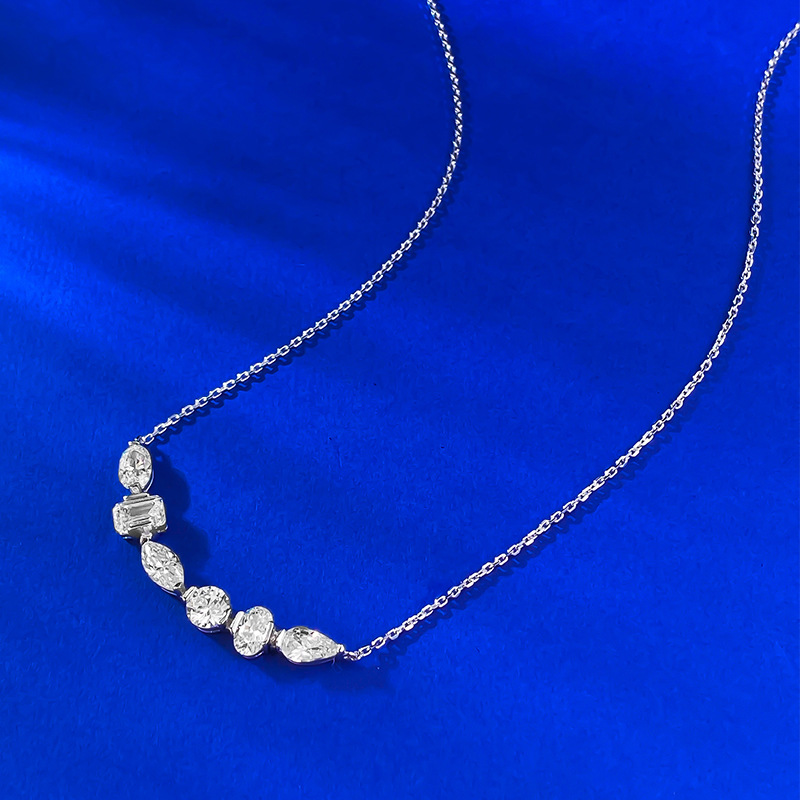
Buy Solitaire Pendant in White Gold for Everyday Elegance
A solitaire pendant in white gold does a lot with very little. It gives you one center stone, a clean setting, and a bright finish that feels polished without looking fussy. If you want a piece that moves from office hours to dinner plans with no effort, this is a smart place to start.
People who Buy Solitaire Pendant in white gold usually want more than a pretty necklace. They want something easy to wear, easy to gift, and easy to love for years. The design is simple, but the details can change the whole look.
White gold brings a crisp tone that flatters diamonds and clear gemstones. It also plays nicely with silver-tone watches, platinum rings, and other cool-metal pieces. If you already wear those metals, this pendant fits right in.
Buy Solitaire Pendant in White Gold: Why the Style Lasts
A solitaire pendant has staying power because it keeps the focus where it belongs: on the stone. That makes it one of the easiest fine jewelry styles to wear often. It looks calm with a T-shirt and blazer, then still feels right with a dress or wedding guest outfit.
Our customers often choose this style because it solves a simple problem. They want one necklace that can do several jobs. It needs to look refined, but not precious to the point that they avoid wearing it.
Here’s why many shoppers Buy Solitaire Pendant in white gold:
- It works for daily wear without feeling loud.
- It makes a thoughtful gift for birthdays, anniversaries, and graduations.
- It layers well with shorter or longer chains.
- It suits classic, modern, and minimal wardrobes.
The design also feels easy to understand. You’re not paying for extra decoration. You’re paying for the stone, the setting, the metal, and the build quality that helps it hold up over time.
Why White Gold Works So Well
White gold has a cool, bright look that makes a solitaire pendant feel clean and modern. It helps the center stone stand out instead of competing with the metal. For a diamond pendant, that effect is especially strong.
Most white gold pieces are made by mixing gold with white metals, then finishing them with rhodium plating. That last step gives the metal its shiny surface. It also helps white gold resemble platinum at a lower price point.
A few reasons buyers choose it over other metals:
| Metal | Look | Durability | Typical Price Position |
|---|---|---|---|
| White Gold | Bright, modern, reflective | Strong for regular wear with care | Mid-range |
| Yellow Gold | Warm, classic, traditional | Strong and easy to maintain | Mid-range |
| Platinum | Naturally white, dense, premium | Excellent, heavier feel | Higher |
White gold also suits lab-grown diamonds very well. The neutral metal keeps the focus on the stone’s sparkle. If you plan to Buy Solitaire Pendant in white gold with a lab-grown diamond, the result can look especially clean and current.
One more plus: white gold is easy to pair with jewelry you already own. If your collection leans cool-toned, the pendant won’t fight with it. It just slots in.
Buy Solitaire Pendant in White Gold: What to Compare First
The photos may look similar, but small differences can change how a pendant wears and feels. Before You Buy solitaire pendant in white gold, look closely at the stone, the chain, the setting, and the finish.
Metal purity and karat
White Gold Pendants usually come in 14K or 18K.
- 14K white gold: More durable, often better for everyday wear, and usually more affordable.
- 18K white gold: Higher gold content, richer feel, and a softer alloy that may need a little more care.
If you want a pendant you’ll wear often, 14K is a practical choice. If you want a slightly richer feel and don’t mind more upkeep, 18K can be a good fit.
Center stone details
The center stone has the biggest impact on price and appearance. Look at these factors:
- Carat weight: A 0.25 ct pendant looks delicate, while 0.50 ct and up gives more presence.
- Cut quality: GIA notes that cut has a major effect on a diamond’s beauty.
- Shape: Round is classic, while oval, pear, and princess shapes change the mood of the piece.
- Setting style: Prong settings reveal more of the stone. Bezel settings feel smoother and more protective.
If you buy solitaire pendant in white gold with a diamond, ask for full stone details. GIA grading uses the 4Cs: Cut, Color, Clarity, and carat weight. For lab-grown diamonds, IGI grading is also common.
Pendant size and presence
Think about where you’ll wear it most. A smaller stone feels subtle and refined. A larger one becomes more of a focal point.
A simple size guide:
- Quiet everyday look: 0.10 ct to 0.25 ct equivalent
- Balanced daily luxury: 0.30 ct to 0.50 ct equivalent
- More visible sparkle: 0.75 ct and above equivalent
If you’re buying a gift, the middle range usually has the widest appeal. It feels special without being hard to wear.
Chain quality and length
The chain matters as much as the pendant. A weak chain can ruin a good design, and a chain that’s too thick can overpower the stone.
Check for:
- Length: 16 to 18 inches is the most common everyday range.
- Style: Cable, box, and wheat chains are common choices.
- Clasp: Lobster clasps are popular for security.
- Balance: The pendant should sit flat and not flip constantly.
If you buy solitaire pendant in white gold and later feel like something is off, the chain length is often the reason. A shorter chain sits higher and looks neater. A longer one drapes more softly and layers more easily.
Comfort and finish
Good comfort is easy to miss online, but it matters in real life. The back of the setting should feel smooth. The edges shouldn’t catch on fabric. The pendant should feel secure, not sharp or awkward.
How to Choose the Right One for Your Style
The best way to buy solitaire pendant in white gold is to think about how you dress. Do you want a necklace that fades into the outfit, or one that quietly stands out? That answer guides almost every choice.
Match it to your wardrobe
If your wardrobe is simple, a petite solitaire usually works best. It looks clean with button-downs, knits, and crew necks. If you wear more open necklines, a slightly larger stone can add the right amount of shine.
A few easy matches:
- Minimal wardrobes: Small round or bezel-set solitaire.
- Classic wardrobes: Round brilliant with a four- or six-prong setting.
- Modern wardrobes: Oval or pear shapes for a fresher look.
- Layered looks: A pendant that sits neatly with other chain lengths.
Decide how much sparkle you want
Some shoppers want “barely there” elegance. Others want visible shine. Both are valid.
- Smaller pendants feel quiet and refined.
- Mid-size pendants feel flexible and giftable.
- Larger pendants make a stronger statement.
If you want one piece for almost everything, a balanced mid-size pendant is often the safest choice.
Balance craftsmanship and budget
A smaller stone in a better setting can be a smarter buy than a larger stone with weak workmanship. Look at the prongs, the polish, the symmetry, and the chain attachment. Those details affect both beauty and durability.
We’ve found that shoppers are happiest when they focus on the setting and stone quality first. Size matters, but not as much as a pendant that wears well and holds up over time.
Ask these questions before you buy
- Is the stone certified or graded?
- Is the white gold 14K or 18K?
- Is rhodium plating included?
- What chain length comes with it?
- Is the clasp secure enough for daily wear?
Clear answers usually mean a more trustworthy product page.
Pricing and Value
Prices can vary a lot when you buy solitaire pendant in white gold. The range depends on the metal, stone, and craftsmanship. A delicate pendant may be accessible, while a larger diamond piece can move into a much higher bracket.
What affects cost most
- Metal type: 18K white gold usually costs more than 14K.
- Stone size: Bigger stones increase price quickly.
- Stone quality: Better cut, color, and clarity raise value.
- Stone type: Natural diamonds often cost more than lab-grown diamonds.
- Setting detail: Secure, careful craftsmanship adds labor cost.
- Chain quality: A stronger chain increases the total price.
A smaller 14K pendant with a modest diamond may be at the lower end of the range. A larger lab-Grown Diamond Pendant can offer more visible size for the same budget. That’s one reason many shoppers buy solitaire pendant in white gold with a lab-grown diamond.
Lab-grown diamonds and value
Lab-grown diamonds can stretch your budget further. They often give you more size or higher color and clarity for the price. GIA and IGI both offer grading and educational resources that help buyers understand the stone.
If you want a larger-looking pendant without pushing the budget too far, this is a practical route. It’s a strong option when your goal is sparkle and presence, not rarity for its own sake.
Quick value check
Use this short checklist Before You Buy:
- Does the stone size match the price?
- Is the metal purity clear?
- Is the setting secure?
- Is the chain included and well matched?
- Does the seller explain grading and returns?
If the answers are yes, the pendant is probably priced fairly for its materials and work.
If you want to compare related styles, you can browse our jewelry collection or shop diamond options to See How Different Stones and Settings compare.
Fit, Wear, and Care
A pendant should feel easy the moment you put it on. If it sits in the wrong place or keeps twisting, you’ll wear it less often.
Chain length and neckline
The best chain length depends on your neck, your outfits, and whether you layer necklaces.
- 16 inches: Sits higher and looks polished.
- 18 inches: The most versatile everyday length.
- 20 inches: Gives a looser drape and works well for layering.
Many buyers buy solitaire pendant in white gold in 16 to 18 inches because those lengths work with both casual and dressy clothes. If layering matters to you, test how the pendant sits beside your other necklaces.
Daily wear comfort
A pendant made for frequent wear should feel light, balanced, and secure. The chain should close firmly. The stone shouldn’t swing too much. The clasp should be easy to use but hard to lose.
If you have sensitive skin, ask about the alloy mix and plating Before You Buy solitaire pendant in white gold. White gold is popular, but small differences in metal content can matter.
Cleaning and upkeep
White gold is simple to care for if you stay consistent.
- Clean it gently with mild soap and warm water.
- Use a soft brush under the setting.
- Dry it with a lint-free cloth.
- Store it apart from other pieces.
- Avoid chlorine, harsh cleaners, and abrasives.
Because white gold is often rhodium plated, the finish can soften over time. Periodic replating helps keep the bright look many buyers want.
If you’re buying as a gift and want help Choosing the Right size or chain length, contact our jewelry experts Before You Order.
Gifting and layering tips
For gifting, an 18-inch chain and a balanced stone size usually work well. They suit more necklines and more personal styles. For layering, keep the solitaire as the focal point and build around it with simpler chains.
Buy Solitaire Pendant in White Gold: Trust Signals to Check
A smart buyer looks past the main photo. The small print tells you a lot about quality.
What to verify
- Stone certification: Look for GIA or IGI documentation when applicable.
- Metal disclosure: Confirm 14K or 18K white gold.
- Setting quality: Prongs should be even and secure.
- Return policy: Clear terms lower the risk.
- Product details: Good listings show size, dimensions, and chain info.
GIA grading standards are a helpful reference point for diamond quality. That matters even more when you buy solitaire pendant in white gold online, since you can’t inspect the piece in person first.
A practical buying approach
If you want the safest all-around choice, pick a mid-size pendant with a secure setting and a versatile chain length. If you want the best value for size, Compare Lab-Grown Diamond options. If you want something with more heirloom feel, focus on craftsmanship and metal weight.
You can also shop our lab-grown diamonds if you’re comparing center-stone options.
The best pendant is the one You’ll Actually Wear. It should suit your neck, your clothes, and your budget. That’s the real test.
FAQ
What should I look for when I buy solitaire pendant in white gold online?
Focus on the metal purity, stone quality, setting security, and chain details. A good listing should tell you the karat, stone size, and whether certification is included. If those details are easy to find, the seller is usually more transparent. That’s especially helpful when you buy solitaire pendant in white gold without seeing it in person.
Is white gold a good choice for a solitaire pendant?
Yes, white gold is a strong choice for this style. It gives the pendant a bright, modern look and helps diamonds and clear gemstones stand out. Many buyers also like that it can deliver a similar feel to platinum at a lower price point. If you want a clean everyday piece, it’s a very practical option.
What chain length works best with a white gold solitaire pendant?
For most people, 16 to 18 inches works best. A 16-inch chain sits a little higher and feels more polished, while 18 inches gives more flexibility for daily wear. If you like layering, 18 inches is usually the easiest starting point. The right length depends on neckline and personal style, so there isn’t just one correct answer.
Are lab-grown diamonds a good option for a solitaire pendant?
They are, especially if you want more size or better grades for the budget. Lab-grown diamonds can offer strong visual impact without the higher cost of a natural stone. Many shoppers choose them when they want to buy solitaire pendant in white gold for gifting or daily wear. They’re a smart pick if sparkle and size matter most.
How do I care for a white gold solitaire pendant?
Clean it with mild soap, warm water, and a soft brush. Store it separately so it doesn’t get scratched by harder pieces. Avoid chlorine and harsh cleaners, since those can affect the finish. White gold may also need rhodium replating over time to keep its bright look.
What makes one solitaire pendant better than another?
The best pendant usually has a secure setting, a well-matched chain, and a stone that fits the price. Cut Quality Matters a lot if you’re Buying a Diamond, and a clean finish matters just as much for comfort. GIA and IGI grading can help you compare options with more confidence. If the piece feels good on the neck and the details are clear, you’re probably looking at a strong buy.
If you’re ready to buy solitaire pendant in white gold, compare the stone, the chain, and the finish Before You Choose. A well-made piece can become an everyday signature and a gift that Still Feels Special years later.
Ready to Find Your Perfect Diamond?
Explore our collection of certified lab-grown diamonds
Shop Diamonds