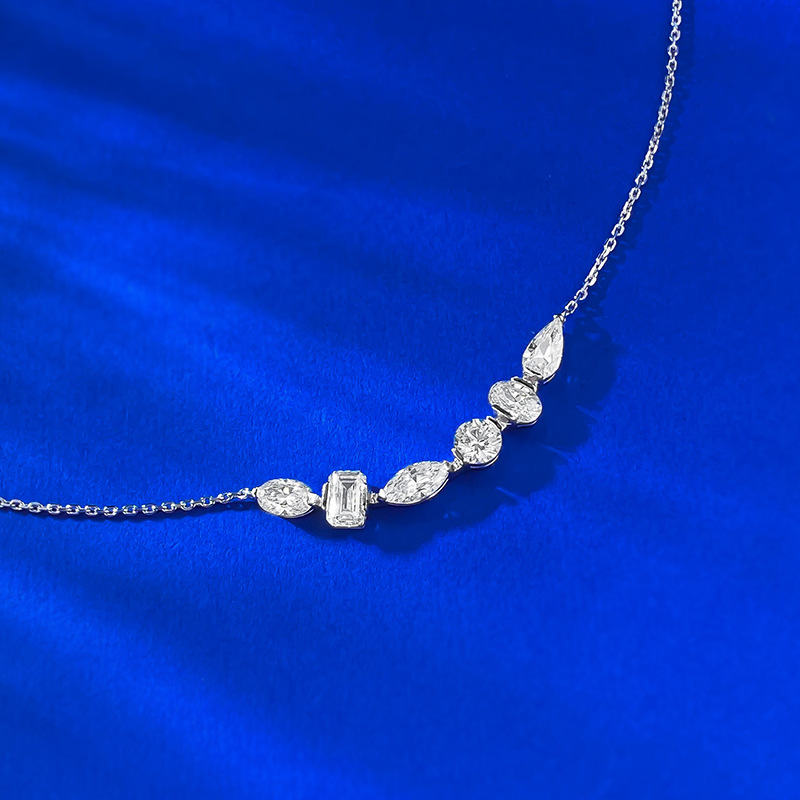
Buy Solitaire Pendant for Layering: Style, Size, and Setting Tips
Why shoppers buy a solitaire pendant for layering
A solitaire pendant has a quiet kind of polish. It adds one clear point of sparkle without crowding the rest of your necklace stack. That’s why many shoppers choose to Buy Solitaire Pendant for layering rather than for solo wear only.
The appeal is simple. A single-stone pendant works with fine chains, chunkier links, mixed metals, and dressed-up outfits. It can finish a look without making it feel overdone.
Lab-Grown Diamond Pendants are especially popular for this reason. They give buyers more flexibility on size and quality. GIA notes that cut quality has a major effect on a diamond’s brightness, often more than size alone, and IGI grading standards also place strong emphasis on cut, clarity, and proportion. If you want sparkle that still feels refined, those details matter.
First-time pendant buyers often start with layering in mind. Many customers want one necklace that works with what they already own, not a piece that only comes out for special occasions.
Another reason solitaire pendants are so useful is that they work across seasons. In summer, they sit cleanly over open necklines. In winter, they peek out from under knits without looking bulky. If you want one investment piece that adapts to changing wardrobes, a solitaire pendant is one of the easiest choices.
How to buy solitaire pendant for layering without overthinking it
A good layered stack needs contrast and spacing. The pendant usually acts as the anchor. It gives the eye a place to land, which keeps several necklaces from blending into one messy line.
Think about your own jewelry box for a moment. Do you wear slim chains every day, or do you mix in bold links and texture? That answer will help you Choose the Right solitaire pendant faster.
Most layered looks work best with three differences:
- different lengths
- different chain textures
- one clear focal piece
That focal piece is often the solitaire pendant. If you plan to buy solitaire pendant for layering, you’re really choosing a necklace that can support many outfits and many chain combinations.
It also helps to think about your lifestyle Before You Buy. If you wear jewelry to work, choose a pendant that lies flat and won’t catch on clothing. If you plan to wear it with evening looks, you may want a slightly larger stone or a brighter metal finish. The best pendant is not just beautiful in a tray photo; it has to fit how you dress.
What makes a solitaire pendant easy to layer
The best layering pendants don’t try too hard. They sit cleanly on the chest, catch light well, and leave visual room for other necklaces.
A solitaire pendant pairs nicely with:
- a short chain near the collarbone
- a paperclip chain for texture
- a cable chain for a classic look
- a rope or curb chain for contrast
- a station necklace worn below it
A clean design also gives you more freedom with necklines. Button-downs, V-necks, scoop necks, and open collars all work well.
For layering, the pendant should be visible but not dominant. If the stone is too large or the setting too heavy, it can look disconnected from the rest of the stack. A refined profile keeps the necklace versatile.
Why this style stays in rotation
Some jewelry trends fade fast. A solitaire pendant usually doesn’t. It feels current, but it never relies on trend alone.
That makes cost per wear much better over time. If you buy solitaire pendant for layering and wear it two to three times a week, it can easily become one of the hardest-working pieces in your collection.
It also makes gifting easier. A solitaire pendant is one of the few fine jewelry styles that can suit different ages and personal styles without feeling too specific. If you’re buying for yourself or someone else, that flexibility is a real advantage.
Choose the right shape, setting, and size
Before You Buy solitaire pendant for layering, compare the details that change how it looks on the body. Shape, setting, chain length, metal color, and carat size all affect the final result.
Diamond shape and how it changes the look
Each shape gives a slightly different feel.
| Diamond Shape | Style Feel | Layering Effect | Best For |
|---|---|---|---|
| Round | Classic and bright | Balanced focal point | Everyday wear |
| Oval | Soft and elongated | Makes the neckline look longer | Elegant stacks |
| Pear | Directional and distinctive | Adds movement | Fashion-forward looks |
| Princess | Crisp and modern | Structured and compact | Minimal styling |
Round is the safest pick if you want something timeless. Oval is a strong option if you like a longer silhouette. Pear can stand out more in a stack, especially if the rest of your necklaces are simple.
Many buyers who want to buy solitaire pendant for layering choose round or oval first. They tend to be the easiest to wear across different chain styles.
If you’re choosing between two shapes at the same budget, compare face-up size. Oval and pear shapes often look larger than rounds of the same carat weight, which can be useful when you want visual presence without going dramatically up in size.
Setting styles: prong or bezel?
The setting changes sparkle, comfort, and profile.
Prong setting
A prong setting shows more of the stone. That usually means more visible light return and a more open look. If sparkle is your top priority, prongs are hard to ignore.
Prong-set pendants work best when you already know your necklace lengths won’t crowd each other. The shape stays airy, but the profile can sit a little higher. Four-prong settings are common for round or princess stones, while three-prong designs can work beautifully for pears and ovals, especially when you want a cleaner outline.
Bezel setting
A bezel wraps the stone in a slim rim of metal. It looks smooth, modern, and slightly more understated. It also tends to sit flatter against the skin.
Many people prefer bezel styles for daily wear because they’re comfortable and less likely to catch on sweaters or knits. If you want to buy solitaire pendant for layering and wear it often, this setting deserves a serious look.
Bezel settings also have a practical advantage for active wearers. If you plan to keep your pendant on through a long workday or travel, the lower profile can feel more secure. The tradeoff is that a bezel usually hides a small amount of the stone’s edge, so it may appear slightly less open than a prong setting.
Metal color and wardrobe match
Metal choice changes the overall mood of the pendant.
- Yellow gold feels warm and classic.
- White gold looks crisp and bright.
- Rose gold feels soft and romantic.
White gold is often the easiest match if you mix metals or already own silver-tone chains. Yellow gold can be more flattering if your collection leans warm and vintage-inspired.
When comparing metals, think beyond color. White gold often needs periodic rhodium replating to keep its bright finish. Yellow gold and rose gold generally show less visible color maintenance, though they can scratch like any precious metal. If you want low-fuss ownership, that may influence your choice.
Pendant size: subtle, balanced, or bold
Size matters, but not in the way many shoppers think. Bigger isn’t always better for layering. If the center stone is too large, it can overpower the stack and limit what you wear with it.
A simple size guide helps:
- Petite: easy for daily wear and minimal stacks
- Medium: best balance for most buyers
- Large: stronger statement, less flexible for tight layering
Medium pendants are the sweet spot for many customers. They show enough sparkle to stand on their own, yet they still layer well with one or two neighboring chains.
As a general buying range, many layering pendants fall between about 0.10 and 0.50 carat total weight for a subtle to balanced look, while larger statement versions may move into the 0.75 to 1.00 carat range or beyond. The right choice depends on how much of the necklace stack you want the pendant to lead.
Chain length can make or break the stack
Many shoppers focus on the stone first and forget the chain. That’s a mistake. Chain length often decides whether the pendant looks intentional or awkward.
Most people who buy solitaire pendant for layering start with 16 to 18 inches. That range usually places the pendant near the collarbone or just below it. It leaves enough room for a shorter chain above or a longer necklace below.
Easy chain length guide
- 14 to 15 inches: close to the neck, choker effect
- 16 inches: high placement, polished and neat
- 18 inches: most versatile for daily wear
- 20 to 22 inches: lower layer for open necklines
- 24 inches or longer: clear separation in a stack
Don’t forget pendant drop. Two necklaces may both say 18 inches, but one can sit lower if the pendant has a longer bale or deeper drop.
If you have a short neck, a slightly longer chain can make the look feel less crowded. If you have a longer neck or want the pendant to sit higher, a 16-inch chain may be more flattering. Measuring your favorite necklace at home is one of the easiest ways to avoid disappointment.
Layering formulas that usually work
Try one of these:
- Short chain + plain mid-length chain + solitaire pendant
- Choker + paperclip chain + solitaire pendant
- Slim gold chain + pendant only for a cleaner two-piece look
If tangling drives you crazy, mix chain styles and leave visible spacing between each length. A layered clasp can help too.
For necklaces that travel together often, choose one chain with a slightly different texture. For example, pairing a delicate cable chain with a flatter curb chain reduces the chance that both will rotate the same way and knot.
Diamond quality and value: what to pay attention to
If you want to buy solitaire pendant for layering, focus on what you’ll actually notice when wearing it. Sparkle, spread, comfort, and finish usually matter more than chasing the biggest carat number on paper.
Diamond quality basics
GIA and IGI both stress the importance of cut because cut affects brightness, fire, and sparkle. In plain terms, a well-cut stone often looks better than a larger stone with weaker proportions.
Here are the four areas to compare:
- Cut: affects brilliance and overall life
- Clarity: affects how clean the diamond looks up close
- Color: matters more in white metals, where warmth can show faster
- Carat: affects size, but shape changes visual spread
Oval and pear stones can appear larger than round stones of the same carat weight. That can be useful if you want more visual presence without moving too far up in budget.
For clarity, many pendant shoppers can comfortably choose eye-clean grades rather than chasing the highest possible grade. In practical terms, that often means a Diamond That Looks clean to the naked eye at normal viewing distance. For a pendant, that balance can be smarter than paying extra for features you won’t see once the piece is layered with other necklaces.
Lab-grown diamond value
Lab-grown diamonds have become a practical option for pendant buyers. According to industry pricing trends across major jewelry retailers, lab-grown diamonds often cost noticeably less than mined diamonds of similar size and grade. That price gap gives buyers room to choose a better cut, a larger face-up look, or a stronger metal setting.
For layering, that’s a real advantage. The pendant still needs to read clearly from a normal viewing distance, and extra brilliance helps.
If you’re comparing lab-grown and natural diamonds, ask for the grading report on the exact stone. Certification is not just paperwork; it helps you compare quality consistently. Many buyers prefer GIA or IGI reports because they make it easier to Verify the Stone’s specs before purchase.
What affects solitaire pendant pricing
Five things usually shape the price most:
- carat weight
- cut quality
- metal type
- setting style
- whether the chain is included
A pendant with a secure clasp and a well-made chain can be worth the extra spend. You don’t want the prettiest stone in the world hanging from a chain that feels too light.
As a rough shopping guide, petite lab-grown solitaire pendants can start in the low hundreds, while more substantial diamond pendants in precious metal settings can move into the mid-hundreds or higher depending on size, grading, and craftsmanship. Natural diamond versions typically price higher for comparable appearance and specification. If you’re working within a budget, decide first whether you care more about carat size, metal weight, or a top-tier grading report.
Certification, quality checks, and what to ask before you order
Before you finalize your purchase, confirm the basics. A pendant is a fine jewelry item, but it should still come with straightforward product information. Look for the stone’s carat weight, shape, color grade, clarity grade, cut grade if available, and the type of metal used in the setting and chain.
If the pendant includes a diamond, ask whether the stone is independently graded and whether the report number matches the stone you’re buying. Reputable sellers usually list this information clearly. If they don’t, request it before checkout.
Also check the chain details. Buyers often compare pendant images and overlook chain thickness, but a chain that’s too delicate can feel fragile for daily use. For layering, you generally want enough strength to support the pendant without making the neckline look heavy.
Pay attention to warranty coverage too. Some sellers include repair policies for loose stones, broken clasps, or plating issues. Others only cover manufacturing defects for a limited time. Knowing this before purchase can save frustration later.
Budgeting smartly: where to spend and where to save
When you buy solitaire pendant for layering, the best value usually comes from spending on the parts you see every day. That means cut quality, secure setting construction, and a chain that feels substantial enough for repeat wear.
You can often save by choosing a slightly lower color grade in a white metal if the stone still looks bright to the eye. You may also save by choosing a slightly smaller stone with excellent proportions instead of a larger stone with weaker sparkle. For a pendant, visible brilliance usually matters more than chasing the top of every grading scale.
If your budget is tight, consider these tradeoffs:
- go smaller on carat weight but choose a better cut
- choose a bezel setting for durability and comfort
- pick 14k gold for a balance of strength and value
- skip unnecessary extras if the chain can be reused from another necklace
If you already own layered chains, you may only need the pendant itself. That can make the purchase more affordable without sacrificing style.
Styling tips after you buy solitaire pendant for layering
Once you buy solitaire pendant for layering, wear it with intention. The goal isn’t to pile on random necklaces. The goal is to create a stack where each piece has space to show up.
Best necklines for solitaire pendants
These necklines usually work especially well:
- V-necks
- scoop necks
- square necks
- open collars
- simple crew necks with a lower pendant length
A pendant can twist if it lands right on the edge of a neckline. If that happens, change the chain by one or two inches. Small adjustments make a big difference.
If you wear high necklines often, consider a longer pendant chain so the stone sits below the fabric edge. For lower necklines, a shorter chain can keep the necklace centered and visible without looking lost.
Keep layers from tangling
Try these easy fixes:
- choose at least 2 inches between necklace lengths
- mix chain styles instead of stacking three similar chains
- center the pendant before leaving the house
- use a multi-strand clasp if you layer often
Many customers tell us that the 16, 18, and 20 Inch combination is the easiest place to start. It gives clear visual spacing without feeling too spread out.
Another useful trick is to put the heaviest chain at the bottom. That keeps lighter chains from shifting underneath it. If your pendant tends to flip, a slightly heavier chain or a better-balanced bale can help keep it facing forward.
Shipping, returns, and what to check when the pendant arrives
Shipping policies matter more with fine jewelry than many buyers expect. Before you place your order, check whether the seller offers insured shipping, signature confirmation, and tracking. Those details are especially important for higher-value diamond pieces.
Return windows are just as important. A pendant that looks perfect on a product page may sit differently on your neck, so a reasonable return or exchange policy gives you room to make sure the length and scale are right. Read whether returns are free, whether original packaging is required, and whether custom orders can be returned at all.
When the pendant arrives, inspect it before wearing it. Look for:
- secure prongs or a tight bezel
- a smooth clasp
- matching paperwork and grading report details
- even metal finish
- a chain that feels strong enough for the pendant weight
If anything seems off, contact the seller right away. It is easier to resolve an issue before the piece is worn frequently.
Care tips for long-term wear
A solitaire pendant doesn’t need complicated care, but it does need regular attention. That’s especially true if you wear it every week.
Simple cleaning routine
- wipe it with a soft cloth after wear
- wash it with mild soap and warm water as needed
- dry it fully before storing
- keep it away from hairspray, perfume, and lotion buildup
Storage and maintenance
Store the pendant separately so the chain doesn’t knot and the stone doesn’t rub against other jewelry. A fabric-lined box or a soft pouch works well.
If you choose prongs, have them checked from time to time. A bezel is lower profile, but it still benefits from routine inspection. Most jewelers recommend checking clasps and settings periodically, especially on fine jewelry worn often.
For white gold pieces, ask whether the pendant may need replating over time to maintain its color. If the chain starts to show wear at the clasp, a jeweler can often repair it before it becomes a bigger problem. Preventive maintenance is cheaper than replacing a chain after it fails.
Common mistakes to avoid
Even a beautiful pendant can disappoint if the buying decisions don’t match the way you wear jewelry. One of the most common mistakes is choosing a stone that’s too large for the rest of your stack. It may look impressive in photos but feel visually heavy when layered with other pieces.
Another mistake is buying the wrong chain length and assuming it can be fixed later. Chain length and pendant drop shape the entire look, so measure carefully instead of guessing.
Shoppers also sometimes overlook the setting. A setting that looks delicate in an image may not be comfortable for daily wear, especially if you plan to layer the pendant under sweaters or jackets. If you’re active or tactile with your jewelry, security and smoothness matter as much as brilliance.
Finally, don’t ignore certification and seller policies. A clear grading report, a transparent return policy, and good shipping protection are part of a smart fine jewelry purchase.
Shop StoneBridge styles that layer well
If you’re ready to buy solitaire pendant for layering, start with the Pieces That Fit your current wardrobe and chain collection. Think about shape, setting, and how often you’ll really wear it.
Explore our lab-grown diamonds if you want to compare stone options first. You can also browse fine jewelry styles to see pendants, chains, and stack-friendly pieces that pair well together. If you’re building a larger jewelry wardrobe, take a look at our engagement rings or try the ring builder for a matching fine jewelry set.
The best pendant isn’t always the biggest or the most expensive. It’s the one you reach for again and again. Buy solitaire pendant for layering with that goal in mind, and you’ll end up with a piece that keeps earning its place.
FAQ
What size solitaire pendant looks best in a layered necklace stack?
For most people, a petite to medium solitaire pendant works best in a layered stack. It gives you a clear focal point without fighting the other chains for space. If you wear very delicate necklaces, go smaller. If you usually wear only two layers, a medium solitaire pendant can add more presence.
Is a bezel or prong setting better if I want to buy a solitaire pendant for layering?
It depends on how you wear your jewelry day to day. A bezel setting is smooth, secure, and comfortable, which makes it a favorite for daily layered necklaces. A prong setting shows more of the diamond and usually gives a brighter, more classic solitaire look. If you wear knits often, bezel may feel easier to live with.
What chain length should I choose when I buy a solitaire pendant for layering?
A 16 or 18 inch chain is the most common starting point for a solitaire pendant layer necklace. Those lengths sit in a useful middle zone and pair well with shorter chokers or longer chains. If you want a lower focal point, consider 20 inches. Always check the pendant drop too, since that affects where the stone actually lands.
Are lab-grown diamond solitaire pendants good for layering every day?
Yes, they can be an excellent everyday choice. Lab-grown Diamond Solitaire Pendants offer the same physical and optical properties as mined diamonds, and they often give you better size or cut value for the budget. That can make it easier to choose a pendant with strong sparkle for layering. Pair it with a durable chain and a secure setting for regular wear.
How do I stop layered necklaces from tangling around a solitaire pendant?
Start with clear spacing between each necklace, usually about 2 inches. Mixing chain styles helps too, since identical chains tend to travel together and twist faster. A layered clasp can keep each strand in place, especially if you wear the same stack often. If tangling still happens, shorten or lengthen one chain so the pendant has more breathing room.
Ready to Find Your Perfect Diamond?
Explore our collection of certified lab-grown diamonds
Shop Diamonds