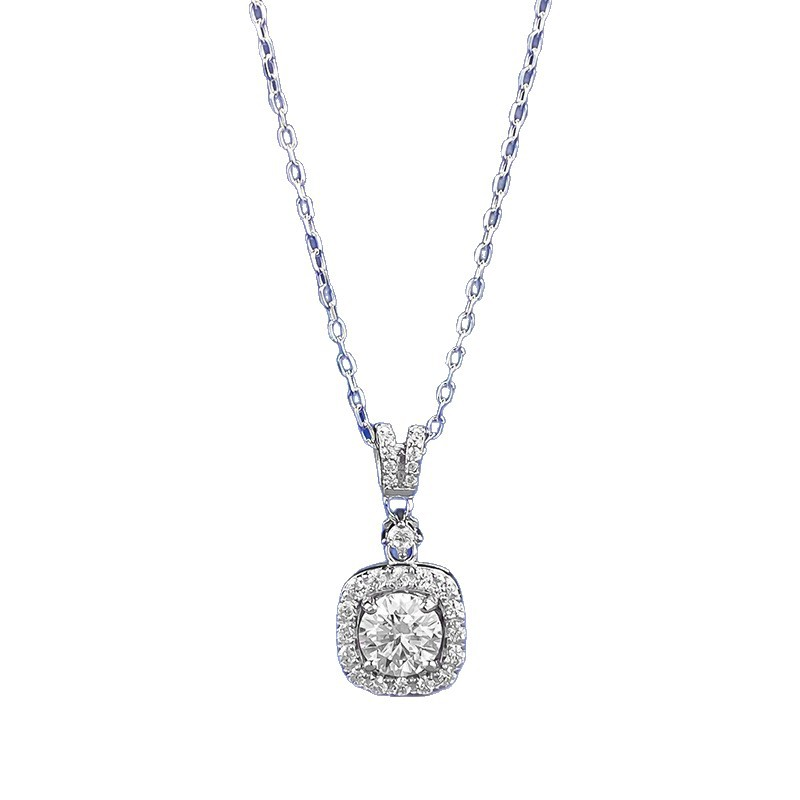
Carat vs Cut Grade Budget: How to Choose a Lab-Grown Diamond That Looks Its Best
A smart carat vs cut grade budget starts with a simple question: would you rather see more size or more sparkle every day? Both matter, but they do not always cost the same. A bigger diamond can look exciting on paper, while a better-cut diamond often looks brighter on the hand.
At StoneBridge Jewelry, we have found that shoppers Compare Lab-Grown Diamonds because they can often stretch their budget further. That may mean a larger carat weight, a stronger cut grade, or a better mix of both. The best choice is rarely just the largest stone. It is the diamond that looks beautiful in real life and feels right for the setting.
Lab-grown diamonds have the same chemical, optical, and physical properties as mined diamonds. They also come with grading reports from trusted labs such as IGI and GIA. That makes a carat vs cut grade budget easier to compare because you can look at measurements, grade details, videos, and pricing side by side.
Why a Carat vs Cut Grade Budget Matters
Carat measures weight, not visible size. One carat equals 200 milligrams, according to GIA education standards. Two diamonds can share the same carat weight and still look different from the top because shape, depth, table size, and proportions affect face-up spread.
Cut grade tells you how well a diamond handles light. For round brilliant diamonds, GIA cut grades range from Excellent to Poor. IGI reports also include cut information for many lab-grown diamonds, which helps buyers judge sparkle before they buy.
A carat vs cut grade budget matters because most shoppers notice sparkle before they notice the exact weight. A 1.80 carat excellent cut round can look more alive than a 2.00 carat stone with weaker light return. A well-proportioned oval or pear can also give more finger coverage than a round diamond at the same weight.
Lab-grown diamond pricing gives many buyers more room to choose. You may not need to give up sparkle to gain size. You just need to know which trade-offs are worth making.
Carat Weight vs Cut Grade: What Each One Changes
Carat weight gives a diamond presence. It affects how bold the center stone looks, how much finger coverage it creates, and how dramatic the ring feels in photos. If the wearer loves statement jewelry, carat weight deserves real attention.
Cut grade gives the diamond life. It affects brightness, fire, and scintillation. In plain terms, cut decides how much light comes back to your eye instead of leaking through the stone.
A balanced carat vs cut grade budget compares both the certificate and the appearance. Do not stop at the number before the word carat. Check the millimeter measurements, depth percentage, table percentage, symmetry, polish, and high-resolution videos.
For round diamonds, excellent or ideal cut grades are usually the safest choice for sparkle. For fancy shapes, such as oval, pear, cushion, radiant, emerald, and marquise, the decision needs more visual review. Many fancy shapes do not use the same standardized cut grading system as rounds.
When to Choose Cut Grade Over Carat
Choose cut grade over carat when sparkle is the top priority. This is often the best carat vs cut grade budget strategy for an engagement ring worn every day. A lively diamond looks good in office lighting, sunlight, restaurants, and soft indoor light.
A better cut can also make a diamond look cleaner. Strong light return can hide small inclusions better than weak sparkle can. It can even make a slightly smaller diamond feel more luxurious.
For round brilliant diamonds, start with Excellent or Ideal cut. If the budget feels tight, compare a 1.70 or 1.80 carat diamond against a 2.00 carat diamond instead of dropping too far in cut quality. Popular weights like 1.00, 1.50, 2.00, and 3.00 carats often carry stronger demand, so shopping just below them can be a smart move.
This cut-first carat vs cut grade budget also works for classic solitaires. A solitaire puts the center stone under the spotlight. If the cut is weak, there is nowhere for the diamond to hide.
When to Choose Carat Over Cut Grade
Choose carat over cut grade when size and hand presence matter most. Some buyers want a ring that looks bold from across the room. That is a valid goal, especially with lab-grown diamonds, where larger sizes may fit the budget more comfortably.
A size-first carat vs cut grade budget still needs a quality floor. For round diamonds, be cautious about moving below Very Good unless you have reviewed the stone closely. For fancy shapes, focus on outline, symmetry, face-up spread, and videos instead of relying only on the label.
Avoid diamonds that carry too much weight in depth. A deep 2.00 carat round may look closer to a smaller stone from above. A well-cut 2.00 carat round often measures about 8.0 to 8.2 mm across, while a deeper stone may show less diameter.
Elongated shapes can help. Oval, pear, marquise, emerald, and elongated radiant diamonds often look larger per carat because the eye reads length as coverage. If you want a bigger look, compare those shapes before stretching the budget for more weight.
Diamond Shapes That Help Your Budget Work Harder
Round brilliant diamonds are the strongest choice for buyers who want the clearest cut grading and strong sparkle. Their facet pattern is designed for high light return. They also give shoppers the easiest way to compare cut performance through grading reports.
Oval diamonds can offer a larger look with soft, romantic lines. Many buyers like length-to-width ratios around 1.30 to 1.50, though taste matters. Watch for bow-tie shadows, uneven shoulders, and stones that look too narrow or too wide.
Pear and marquise diamonds give excellent finger coverage. They need careful symmetry and secure prongs at the points. Emerald cuts have a sleek, elegant look, but their open facets show inclusions more easily, so clarity matters more.
A carat vs cut grade budget should always include shape strategy. The right shape can give you the look you want without paying for hidden weight. You can shop certified lab-grown diamonds to compare shape, size, and grading details in one place.
Setting Choices That Change Perceived Size
The setting can make a diamond look larger or more delicate. A thin band creates contrast, which makes the center stone appear bigger. A halo adds a border of smaller diamonds, while a hidden halo adds sparkle from the side profile.
Three-stone rings add width across the finger. East-west settings give elongated shapes a modern look. Bezel-inspired designs can feel secure and smooth for daily wear, especially for active lifestyles.
A good carat vs cut grade budget includes the full ring, not just the center stone. A larger diamond may need stronger prongs, a lower basket, or a setting that protects vulnerable corners. Pear and marquise stones need tip protection. Pavé bands look beautiful, but they may need more care over time.
If you want to see how the diamond and setting work together, try the StoneBridge ring builder. It can help you compare size, style, metal, and design before you commit.
Color, Clarity, and Certification Trade-Offs
Color and clarity can free up money for your carat vs cut grade budget. Many shoppers do not need D color or VVS clarity to get a diamond that looks bright and clean. A G or H color lab-grown diamond can look beautiful in many settings, especially when the cut is strong.
Metal choice matters. Platinum and white gold can make warmth easier to see because the metal is bright white. Yellow gold and rose gold are more forgiving, so you may be able to choose a slightly warmer diamond and spend more on cut or carat.
Clarity works the same way. An eye-clean VS2 or SI1 diamond can look just as clean without magnification as a higher clarity grade. Step cuts, such as emerald and Asscher, usually need higher clarity because their broad facets reveal more.
Certification should not be optional. Choose a lab-grown diamond with a report from a recognized lab such as IGI or GIA. The report should confirm carat weight, measurements, color, clarity, lab-grown origin, and cut details where available.
Same Budget, Two Diamonds: How to Compare
Use a clear process when two diamonds cost about the same. First, choose the shape. Then set your minimum cut or visual performance standard. From there, compare carat weight, face-up measurements, color, clarity, videos, and the grading report.
Imagine a 1.75 carat Excellent cut round beside a 2.00 carat Very Good cut round. The larger stone may sound better, but the smaller one may return more light. If the diameter difference is small, the better cut could be the smarter buy.
Now compare two ovals. A 2.00 carat oval with a strong bow-tie may not look as elegant as a 1.80 carat oval with better symmetry and spread. The certificate helps, but your eyes still matter.
A carat vs cut grade budget turns a technical decision into a simple question: Which Diamond Looks better for the money?
StoneBridge Jewelry Recommendations by Buyer Goal
For maximum sparkle, choose an Excellent or Ideal cut round lab-grown diamond. If needed, drop slightly below a milestone carat weight before you lower cut quality. This path works well for solitaires, pavé settings, and timeless engagement rings.
For the largest look, compare oval, pear, marquise, emerald, and elongated radiant diamonds. Focus on millimeter measurements and avoid excess depth. Pair the stone with a thin band, halo, hidden halo, or three-stone design.
For balanced value, shop just below major carat thresholds. A 1.90 carat diamond can look very close to a 2.00 carat diamond, depending on measurements and proportions. The savings may help you choose a better setting or stronger cut.
For daily wear, think about Comfort and Security. Low-profile settings, secure prongs, and smooth bands can matter as much as the diamond specs. Our customers often tell us the right ring is the one they do not have to baby every day.
If you are comparing finished rings, you can explore lab-grown diamond engagement rings and match your carat vs cut grade budget to a complete design.
Quick Shopping Framework
Use this simple framework Before You Buy:
| Buyer Goal | Best Move | Watch-Out | Smart StoneBridge Path |
|---|---|---|---|
| More sparkle | Protect Excellent or Ideal cut | Do not chase milestone weight too early | Round lab-grown diamond solitaire |
| Larger look | Choose elongated shapes | Avoid hidden depth | Oval, pear, marquise, or emerald center stone |
| Balanced value | Shop below 1.00, 1.50, 2.00, or 3.00 carats | Do not pay for specs you cannot see | Certified eye-clean lab-grown diamond |
| Daily wear | Balance size with security | Avoid fragile settings for active hands | Low-profile solitaire or secure pavé ring |
| Statement style | Pair carat weight with strong design | Check prongs and profile height | Halo, three-stone, or custom engagement ring |
A strong carat vs cut grade budget does not force one answer. It helps you choose the diamond that fits the wearer, the setting, and the budget without paying for the wrong feature.
Final Decision: Buy the Diamond That Looks Best
Carat gives presence. Cut gives sparkle. Certification gives confidence. The best lab-grown diamond brings all three together in a way that looks beautiful on the hand.
For most shoppers, cut quality deserves protection first. Then use shape, measurements, and setting style to build the size you want. If size matters more, choose carat-smart shapes and avoid stones that hide weight below the girdle.
Ready to compare real options? Use a carat vs cut grade budget to review certified lab-grown diamonds at StoneBridge Jewelry, check the grading reports, and choose the setting that makes your diamond look its best.
FAQ
Should I spend more on carat or cut grade for a lab-grown diamond ring?
Most buyers should spend first on cut quality because it controls sparkle, brightness, and daily beauty. After you set a strong cut standard, use the remaining budget for carat weight, shape, color, and clarity. A carat vs cut grade budget works best when you compare face-up measurements instead of weight alone. If the ring is for daily wear, do not give up too much light performance just to reach a milestone size.
Is a smaller better-cut diamond better than a larger lower-cut diamond?
Yes, it can be. A smaller diamond with excellent light return may look brighter, cleaner, and more expensive than a larger stone with weak sparkle. Compare the two diamonds in similar lighting and check their millimeter measurements. If the size difference is small, the better cut often gives you more visible value.
What is the best carat vs cut grade budget strategy for a 2 carat lab-grown diamond?
Start by comparing 1.80, 1.90, and 2.00 carat diamonds in the same shape. Look for strong cut quality, good face-up measurements, and a grading report from IGI or GIA. A 2 carat lab-grown diamond should not look small from the top because of excess depth. If the budget feels tight, a slightly smaller excellent cut stone may be the better choice.
Which diamond shape looks largest for the money?
Oval, pear, marquise, and emerald-cut diamonds often look larger than round diamonds of the same carat weight. Their longer outlines create more finger coverage, which helps a size-first budget. Radiant cuts can also look substantial while keeping more sparkle than step cuts. Always review proportions, videos, and symmetry before choosing.
Can I lower color or clarity to protect cut grade?
Yes, many buyers can lower color or clarity before lowering cut grade. A near-colorless G or H diamond and an eye-clean VS2 or SI1 clarity grade can look beautiful once set. White metals may show warmth more than yellow or rose gold, so match the diamond to the setting. Use certification and magnified imagery to confirm the trade-off makes sense.
Ready to Find Your Perfect Diamond?
Explore our collection of certified lab-grown diamonds
Shop Diamonds