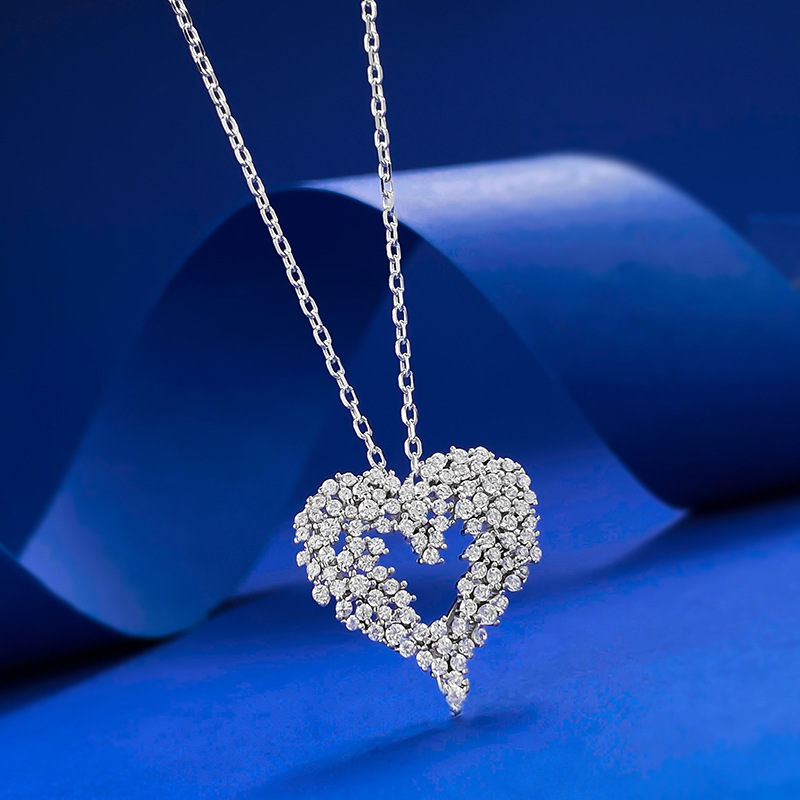
Sustainable Solitaire Pendant Gift: Compare Lab-Grown Diamond Options
A sustainable solitaire pendant gift is an easy way to give fine jewelry that feels personal, timeless, and useful. It suits birthdays, anniversaries, graduations, and milestone moments because the design is simple enough for daily wear and still special enough to feel memorable.
If you want a gift that balances beauty, ethics, and long-term value, this Style Is Worth a close look. The real question is simple: do you want the warm, classic look of 14K gold, or the brighter finish of white gold with a more refined setting?
Why a Sustainable Solitaire Pendant Gift Works So Well
A solitaire pendant is one of the most versatile jewelry gifts you can buy. The single diamond keeps the look clean, which makes it easy to pair with casual outfits, office wear, and dressier looks.
That broad appeal is a big reason a sustainable solitaire pendant gift stays relevant year after year. It doesn’t need a trend to feel current.
We’ve found that shoppers often choose this style when they want something meaningful but not fussy. It feels thoughtful without forcing a style decision on the person wearing it.
It also solves a common gift problem: size uncertainty. A pendant is less exacting than a ring, since it doesn’t depend on a perfect finger fit, and necklace length can usually be adjusted. That makes it a safer purchase when you want the piece to arrive ready to wear.
What Makes This Gift Sustainable?
In this case, sustainable means practical, responsible choices that reduce waste and support better sourcing. Lab-grown diamonds are chemically and optically the same as mined diamonds, according to major gem labs like GIA and IGI.
They deliver the same sparkle, hardness, and durability, while often costing less than mined stones of similar look and quality. That difference can stretch your budget in a smart way.
Metal choice matters too. 14K gold is a strong everyday option because it offers a good balance of durability and beauty. It wears better than softer high-purity alloys, which helps a sustainable solitaire pendant gift last longer.
When you shop sustainably, it also helps to think beyond the center stone. Look for efficient use of materials, durable construction, and packaging that is minimal but protective. A well-made pendant that gets worn often is more sustainable in practice than a larger, trend-driven piece that sits in a box.
Lab-Grown Diamond Specs That Matter Most
If you’re comparing lab-grown diamond options, the important details are easier to interpret than many shoppers expect. For a pendant, you do not need the exact same priorities you would use for an engagement ring. Because the stone is viewed at a slight distance and usually mounted in a smaller size, cut and brightness matter more than chasing extreme color or clarity grades.
Here are the core specs to review:
- Carat weight: 0.10 ct to 0.25 ct creates a delicate look; 0.33 ct to 0.50 ct gives more visible presence; 0.75 ct and above becomes a statement pendant.
- Cut: Excellent or very good cut is the best place to spend money because it drives sparkle.
- Color: Near-colorless grades such as D–H are usually strong choices for white gold and still look bright in yellow gold.
- Clarity: VS1–SI1 is often more than enough for pendants, especially when the stone is small and set securely.
- Shape: Round brilliant remains the safest option for maximum light return; oval and pear can look larger for the same carat weight.
If you want maximum sparkle, prioritize cut first, then choose a size that suits the neckline and wearer’s style. In a solitaire pendant, a well-cut 0.25 ct diamond often outperforms a larger but duller stone.
Certification also matters. Lab-grown diamonds are commonly accompanied by reports from GIA, IGI, or other recognized gem laboratories. A report should clearly state whether the diamond is lab-grown, list the measurements, and identify any treatments or key grading information. That documentation helps you compare pieces fairly and avoid paying for features that are not actually visible in the finished pendant.
Option A: Lab-Grown Diamond Solitaire Pendant in 14K Gold
Option A is the classic choice. It usually features a round brilliant lab-grown diamond, a simple setting, and a chain that rests close to the collarbone.
That makes it a strong sustainable solitaire pendant gift for nearly any age group. It also works for almost any occasion.
Round brilliant cuts are popular because they return light well. GIA’s cut guidance consistently shows that cut quality has a major effect on sparkle, which matters a lot in a pendant.
In yellow gold, the diamond often looks slightly warmer, which can be flattering if the recipient likes traditional fine jewelry. A yellow gold pendant can also hide tiny color differences better than white metal, so it is a forgiving choice if you are comparing several stones.
Why buyers like Option A
- Strong value for the price
- Classic style that suits many tastes
- Lab-grown diamond sparkle with ethical appeal
- Durable 14K gold for regular wear
- Easy to layer with other necklaces
- Warm tone that complements many skin tones and outfits
This version is a great fit if you want something understated. A sustainable solitaire pendant gift in this style feels elegant without asking for attention.
It also makes sense if the recipient already wears gold jewelry most days. Matching the metal they already own reduces the risk that the pendant will feel disconnected from their wardrobe.
Tradeoffs to keep in mind
- The look is refined, not dramatic
- Smaller stones can appear subtle on the neck
- Some shoppers prefer a brighter white-metal finish
- Fine jewelry still needs basic care
- Yellow gold can show fingerprints and lotion residue more easily than many buyers expect
Because the design is minimal, the diamond size, setting height, and chain choice do most of the talking. If the recipient likes quiet elegance, that’s a plus. If they want a bolder gift, this may feel too restrained.
A useful buying tip: in yellow gold, a slightly larger center stone can help the pendant read clearly from a normal conversational distance. If you are choosing between two sizes, the one with the better proportions and secure setting often looks more expensive than the one with the larger but less lively diamond.
If you’re still comparing stone options, you can shop our lab-grown diamonds before you decide on size and quality.
Option B: Lab-Grown Diamond Solitaire Pendant in 14K White Gold
Option B uses white gold and a more refined setting for a sharper, brighter look. The stone sits in a cleaner frame, which can make the pendant feel more polished right away.
For many shoppers, that makes it a stronger sustainable solitaire pendant gift for big milestones. It reads as more gift-ready from the first glance.
White gold changes the mood of the piece. It gives the diamond a crisp backdrop and tends to look more modern than yellow gold.
White gold is also a practical choice if the recipient mostly wears silver-tone or platinum jewelry. It avoids the “mixed metals” issue that can make a gift look slightly off, even when the design itself is beautiful.
Why buyers like Option B
- Bright, modern look
- Strong luxury feel for gifting
- Better contrast around the diamond
- Cleaner presentation overall
- Good match for cool-toned jewelry
- Often feels a bit more formal and occasion-ready
If the recipient already wears silver-tone pieces, white gold is usually the safer bet. It blends in naturally with the rest of their collection.
This can be a particularly good choice for a graduation, anniversary, or career milestone, where you want the gift to feel polished but still wearable every day. White gold tends to photograph well too, which matters if the recipient likes sharing special gifts or wearing them in professional settings.
Tradeoffs to keep in mind
- Usually costs a bit more
- White gold may need rhodium refreshes over time
- The style feels less warm than yellow or rose gold
- It may feel too polished for very minimal tastes
- Scratches and wear can be easier to notice on a bright finish
That maintenance point matters. Many white gold pieces are rhodium plated for a brighter finish, and that coating can wear with regular use. For a low-maintenance sustainable solitaire pendant gift, it helps to know that upfront.
If you want the clean look of white gold but prefer less upkeep, ask whether the setting is solid white gold or rhodium plated, and how often the finish may need refreshing. Some buyers are surprised by that recurring care step, but it is normal for many white gold pieces.
Side-by-Side Comparison: Which Sustainable Solitaire Pendant Gift Gives Better Value?
The best sustainable solitaire pendant gift is the one that fits the wearer’s style, your budget, and how often they’ll wear it. Here’s a simple comparison.
| Feature | Option A: 14K Gold Solitaire Pendant | Option B: 14K White Gold with Refined Setting |
|---|---|---|
| Overall look | Classic, warm, understated | Modern, bright, polished |
| Diamond presence | Clean and simple | Slightly more pronounced |
| Sustainability appeal | Strong through lab-grown diamond and 14K gold | Strong through lab-grown diamond and 14K gold |
| Gift impression | Timeless and versatile | More premium and occasion-focused |
| Best for | Everyday wear, value buyers, minimal style | Milestone gifts, sleek style, cooler metal tones |
| Price | Usually lower | Usually higher |
| Maintenance | Low to moderate | Moderate, especially if rhodium plated |
| Long-term wear | Excellent | Excellent with basic finish care |
Option A usually wins on value. It gives you room to choose a larger stone, a better chain, or nicer packaging without pushing the total price too high.
Option B wins on presentation. If you want the pendant to feel a little more luxurious at first sight, the white gold setting delivers that effect.
Price ranges can vary by brand, diamond size, and certification. As a general reference, smaller lab-grown solitaire pendants in 14K gold may start in the low hundreds, while more substantial designs with higher color grades, better cut, and heavier gold can move into the mid-hundreds or beyond. White gold versions often run slightly higher, especially if the setting has more metal weight or a more intricate basket.
Understanding Setting Styles and Security
Even in a solitaire pendant, the setting has a big effect on how the diamond looks and how safely it wears. The most common styles are prong settings, bezel settings, and small basket settings.
Prong settings show the most diamond and let in the most light, so they usually sparkle more. They are a classic choice for round solitaires and are often the best option if you want maximum brilliance. The tradeoff is that prongs need to be well made and checked over time, because they are the part that holds the stone.
Bezel settings wrap metal around the edge of the diamond. They are more protective and can suit active wearers, but they cover more of the stone and can make the diamond appear slightly smaller. For someone who wants low-maintenance durability, this can be a smart option.
Basket settings sit between the two. They hold the stone securely while leaving much of it visible. They are common in refined, gift-ready pendants because they balance security and sparkle well.
When buying online, zoom in on the product photos and look at the way the stone sits in the setting. The diamond should appear centered, and the prongs should look even. If the pendant seems top-heavy or the stone appears loose in the image, ask for additional photos or details before ordering.
How to Choose the Right Pendant for the Recipient
A sustainable solitaire pendant gift should feel chosen, not generic. Matching the metal and style to the person wearing it makes a big difference.
Choose Option A if you want:
- A timeless, understated gift
- A friendlier budget
- A piece that layers easily
- A warm gold tone
- A gift that feels elegant without being flashy
- A style that works comfortably with a broad range of wardrobes
Choose Option B if you want:
- A more elevated presentation
- A brighter, modern look
- A gift for a major milestone
- A cool-toned metal finish
- A stronger first impression
- A piece that coordinates with white gold, silver, or platinum jewelry
Occasion matters too. A birthday gift can go either way, but an anniversary or graduation often feels a bit more special in white gold.
Think about the recipient’s existing jewelry habits. If they already wear delicate chains and subtle studs, a modest solitaire pendant will feel natural. If they tend to wear larger earrings or bold rings, you may want a slightly larger diamond so the pendant does not disappear against the outfit.
If you’re comparing other fine jewelry styles, you can browse our jewelry collection for more ideas.
What Affects Price and Appearance?
A few details shape both the cost and the final look of a sustainable solitaire pendant gift.
- Diamond carat weight
- Cut quality and symmetry
- Metal type and total gold weight
- Setting design
- Chain length and chain style
- Finish quality, especially on white gold
GIA grading standards show that cut quality is one of the biggest drivers of brightness. A well-cut 0.25 ct diamond can often look better than a larger stone with weaker cut proportions.
That’s why size alone shouldn’t drive the decision. In a pendant, sparkle and balance matter more than carat weight by itself.
It also helps to watch for the shape of the chain. A fine cable chain is the most common choice because it is discreet and easy to replace if needed, while a slightly heavier chain can give the pendant a more substantial feel. If the pendant is meant for everyday wear, avoid chains that are so delicate they may twist easily or feel fragile at the clasp.
Length affects both comfort and appearance. A 16-inch chain sits higher on the neck and often works well with open necklines, while 18 inches provides more versatility and a slightly more relaxed look. If the recipient is petite or wears shorter chains already, 16 inches can look neat and proportionate. If they like layering or wear collars and crewnecks often, 18 inches is safer.
For the metal, 14K is usually the best balance of strength and appearance. 18K gold has a richer color but is softer, which is not ideal if the pendant may be worn frequently or handled often. In a gift context, 14K is usually the most practical recommendation.
Diamond Shape, Size, and Visibility
Round brilliant is the classic choice, but it is not the only one worth considering. Oval, pear, and princess shapes can change the feel of the pendant without changing the basic solitaire design.
Round: Best sparkle and easiest to buy confidently. If you want a safe, timeless gift, this is the top choice.
Oval: Often looks larger than round at the same carat weight because of its elongated shape. It can be a good value if you want a little more visual length on the neckline.
Pear: A more distinctive look that feels elegant and slightly fashion-forward. It can be beautiful in pendants, but the point should be protected by a secure setting.
Princess: Modern and geometric, though less common in pendants than in rings. It has sharp edges that need a careful setting design.
If you want the pendant to be seen clearly from a normal distance, the visual spread of the stone matters as much as the carat number. A well-proportioned 0.33 ct oval may look larger than a tighter 0.40 ct round, even though the round may still sparkle more strongly. That is why product dimensions and shape are worth checking, not just weight.
Care, Cleaning, and Storage
Fine jewelry lasts longer when it gets simple, regular care. A sustainable solitaire pendant gift is a good example of a piece that can stay beautiful for years with only light maintenance.
For routine cleaning, use lukewarm water, a drop of mild dish soap, and a soft brush or cloth. Rinse carefully and dry with a lint-free cloth. Avoid harsh cleaners, especially around plated white gold finishes.
Store the pendant separately so the chain does not tangle with other jewelry. A soft pouch or lined box is ideal. If the pendant is worn often, check the clasp and setting every few months to make sure everything still feels secure.
For white gold, ask whether the finish may need rhodium replating after a period of wear. Some people go years between refreshes, while others prefer to maintain the brightest possible surface more often. The answer depends on lifestyle and how exposed the pendant is to lotions, perfumes, and daily friction.
One common mistake is wearing a pendant in the shower or while sleeping every night without checking the setting. While diamonds are durable, the chain, clasp, and prongs still experience wear. Removing the piece for workouts, swimming, and heavy cleaning is an easy way to extend its life.
Shipping, Returns, and Gift Timing
Because this is usually a gift purchase, shipping and return policies matter more than many shoppers expect. A sustainable solitaire pendant gift should arrive on time and be easy to exchange if needed.
Check whether the seller offers insured shipping, signature confirmation, and protective packaging. For a diamond pendant, shipping insurance is not a nice extra; it is a basic safety measure.
Returns are equally important. If the recipient has strong preferences about metal color or chain length, an exchange policy can save the gift. Look for a clear return window, whether the item must be unworn, and whether custom engravings or special orders affect eligibility.
For holiday, graduation, or anniversary deadlines, order early. Custom-made or made-to-order jewelry can take longer than stock items, especially if the piece needs resizing, plating, or certification paperwork. If you want gift-ready delivery, ask whether the pendant ships in a presentation box and whether any setup is required before it can be worn.
Common Mistakes Buyers Make
The easiest mistakes to avoid are usually the ones that sound small but affect the final result.
- Choosing carat weight before cut quality
- Picking the wrong metal tone for the wearer’s existing jewelry
- Ignoring chain length and assuming one size fits all
- Overlooking certification details
- Buying a delicate setting for someone very active
- Forgetting to check the return policy before purchase
Another common issue is assuming all lab-grown diamonds are graded the same way. They are not. Two stones with the same carat weight can look different depending on cut, color, symmetry, and polish. If you want the pendant to photograph well and sparkle in everyday light, those differences are worth paying attention to.
It is also easy to overspend on clarity. In a small pendant stone, high clarity grades may be less noticeable than a better cut or a slightly larger size. That money is often better spent on build quality or a sturdier chain.
Expert Recommendation: Which Option Offers the Best Value?
For most shoppers, Option A is the better sustainable solitaire pendant gift. It offers the strongest mix of value, flexibility, and everyday wearability.
The classic 14K gold setting feels warm and timeless. The lab-grown diamond gives you the look and durability people expect from fine jewelry, without the mined-diamond price tag.
Option B is still an excellent pick if the wearer prefers white metal or if you want a more formal presentation. Which one is better? The honest answer depends on who’s wearing it and how often they’ll wear it.
If you want the safest all-around choice, go with the classic gold option and prioritize a well-cut lab-grown diamond in a size that suits the wearer’s style. If you want a more polished, gift-forward look, white gold can make the pendant feel more elevated without changing the essential design.
How to Buy with Confidence
A smart purchase comes down to a few simple checks.
- Diamond size: 0.10 ct to 0.25 ct feels delicate; 0.50 ct and up has more presence.
- Cut quality: Choose excellent or very good cut when you can.
- Metal color: Match yellow, rose, or white gold to the wearer’s current jewelry.
- Chain length: 16 to 18 inches works well for many people.
- Setting security: The stone should sit firmly, and the chain should feel sturdy.
- Packaging: Gift-ready presentation matters more than people expect.
- Certification: Ask for a recognized lab report, especially if the stone is larger or you are comparing several options.
Before You Buy, check the diamond report, metal finish, chain length, and return policy. If you’re unsure, contact a jeweler and ask specific questions rather than guessing.
If you are shopping by budget, a practical approach is to set a target total spend first, then divide it between the stone, setting, and chain. That makes it easier to avoid a pendant that looks good online but ends up feeling underbuilt once it arrives.
FAQ
What is the best lab-grown diamond size for a sustainable solitaire pendant gift?
For everyday wear, many shoppers like 0.10 ct to 0.25 ct because the pendant stays delicate and easy to layer. If you want more visual impact, 0.50 ct and up gives the diamond more presence on the neck. The right size depends on the wearer’s style, how often they’ll use it, and your budget. A sustainable solitaire pendant gift should feel balanced, not oversized for the setting.
Is a white gold solitaire pendant a better gift than yellow gold?
It depends on the person wearing it. White gold often feels more modern and pairs well with silver-tone jewelry, while yellow gold has a warmer, more classic look. If the recipient already wears one metal more often, that usually gives you the safest answer. A sustainable solitaire pendant gift feels more personal when the metal matches their current style.
How long should a chain be for a solitaire pendant gift?
Most shoppers choose 16 to 18 inches because that range sits near the collarbone and works with many necklines. If the wearer likes layering, 18 inches is usually the easiest starting point. Shorter chains can look a bit dressier, while longer ones create a softer drop. A sustainable solitaire pendant gift feels more wearable when the chain length matches the person’s routine.
Are lab-grown diamond pendants durable enough for daily wear?
Yes, lab-grown diamonds have the same physical properties as natural diamonds, so they hold up well for regular wear. The real durability factors are the setting, chain quality, and how often the piece gets cleaned or inspected. We’ve seen that well-made 14K gold pendants can handle daily use very well with normal care. A sustainable solitaire pendant gift should last for years if the craftsmanship is solid.
What should I look for before buying a sustainable solitaire pendant gift online?
Start with the diamond report, metal type, and chain length. Then check whether the setting looks secure and whether the seller explains return coverage clearly. If the product page lists cut quality, that’s a good sign the seller is paying attention to sparkle, not just carat weight. A sustainable solitaire pendant gift is easier to choose when the details are clear and specific.
Do I need a higher color or clarity grade for a pendant?
Usually not. Because a pendant sits lower on the body than a ring and is viewed at a little more distance, a high-quality cut is often more important than top-tier clarity. Many buyers are happy with near-colorless stones and modest clarity grades, as long as the diamond looks bright and clean to the eye. That approach often gives better value for a sustainable solitaire pendant gift.
Should I choose prongs or a bezel for everyday wear?
Choose prongs if you want maximum sparkle and a classic look. Choose a bezel if you want more protection and a slightly more contemporary feel. For active wearers, a bezel can be the safer low-maintenance option. For a traditional gift, prongs are often the most appealing because they let the diamond show more fully.
Can a solitaire pendant be engraved or personalized?
Some sellers offer engraving on the back plate, clasp tag, or gift box rather than on the pendant itself. Personalization can make the gift feel more meaningful, but it may affect returns. If you want a custom note, date, or initials, confirm the policy before ordering so the piece still works as a sustainable solitaire pendant gift with flexibility if needed.
Ready to Find Your Perfect Diamond?
Explore our collection of certified lab-grown diamonds
Shop Diamonds