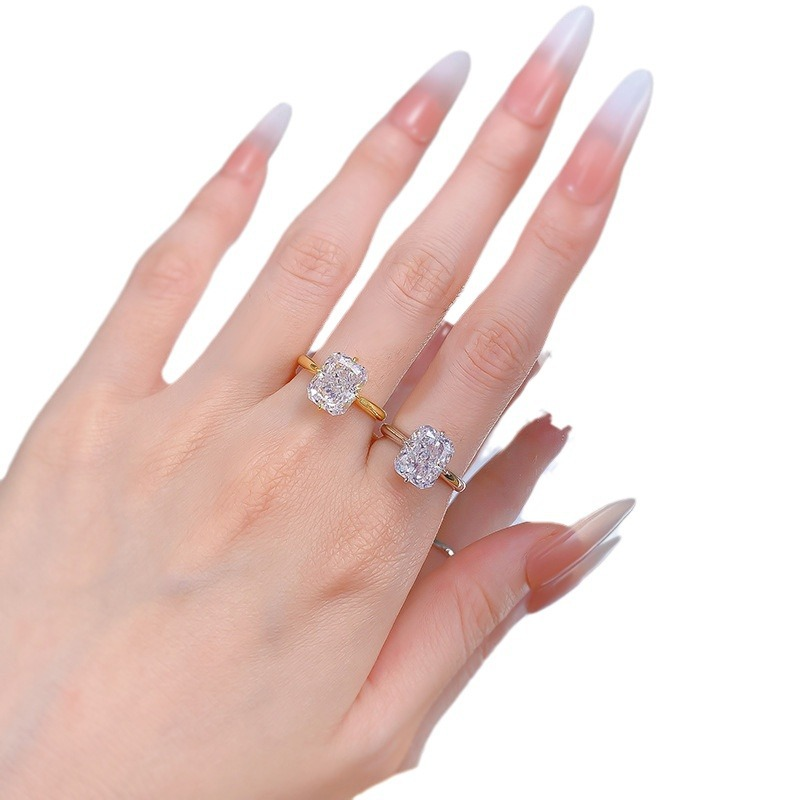
Return Policy Checklist Quality Checklist for Jewelry Buyers
A good return policy can save you from an expensive mistake. That matters even more when you Buy Fine Jewelry online, where you can’t try on a piece first. Before you check out, compare the return window, condition rules, refund method, and any exclusions for sizing or custom work. A strong Return Policy Checklist quality checklist helps you spot the fine print fast, so you can buy with more confidence.
Return Policy Checklist Quality Checklist: What to Check Before You Buy
A Return Policy Checklist quality checklist should answer one simple question: if the piece isn’t right, what happens next? For online jewelry, that answer needs to be clear before you place the order, not after the package arrives. A ring may look perfect in photos, but the policy tells you whether you can send it back, exchange it, or only get store credit.
Jewelry shoppers often compare several pieces at once. That’s why policy quality matters. A clear checklist should confirm these details:
- How many days you have to return the item
- Whether it must be unworn and in original condition
- Which documents and boxes must be included
- Whether the refund goes back to the original payment method
- If exchanges, resizing, or store credit are the only options
When a retailer states those rules in plain language, it shows transparency. That kind of clarity builds trust before the sale.
Why Return Policy Quality Matters So Much
Jewelry is personal, and online shopping adds risk. The ring may feel smaller than expected. A pendant may sit lower on the neck than you pictured. A diamond may look different in natural light than it did on the product page. So yes, return policy quality really does change the buying decision.
A solid Return Policy Checklist quality checklist helps you compare stores on more than price. It also helps you avoid hidden rules buried in FAQ pages or tiny footer links. Common red flags include:
- Return terms that are hard to find
- Short return windows that leave little inspection time
- Fees that appear only after checkout
- Policies that exclude popular categories, like lab-grown diamonds or engagement rings
- Refunds that only come as store credit
Consumer research from the Baymard Institute has shown that unclear costs and policies can hurt checkout confidence. In jewelry, that matters because the purchase is both emotional and expensive. GIA also reminds buyers to review diamond details carefully, including cut, color, clarity, and carat weight. If the product data should be clear, the return policy should be clear too.
We’ve found that shoppers feel better about a purchase when the seller makes returns simple. Wouldn’t you rather know the rules before the box shows up?
Core Items in a Return Policy Checklist
A useful Return Policy Checklist quality checklist should cover the practical details that decide whether a return is possible. Review the policy line by line Before You Buy.
1. Return window
Check how many days you have after delivery, shipment, or the invoice date. That start date matters more than many shoppers realize. A 30-day window from shipment can be shorter than 30 days from delivery.
2. Condition rules
Most jewelry returns require the item to be unworn, undamaged, and in original condition. Many sellers also want the box, pouches, tags, and certificates back. Confirm whether the policy asks for:
- Original packaging
- Order invoice or receipt
- Diamond report or appraisal paperwork
- Security tags still attached
- No signs of wear, resizing, polishing, or alteration
3. Returns vs. exchanges
Some stores allow exchanges but not refunds. Others allow refunds on standard items but limit custom pieces to exchanges only. A good Return Policy Checklist quality checklist separates those rules so you know your options Before You Buy.
4. Final sale items
Final sale exclusions are common in jewelry. Personalized pieces, engraved items, altered rings, and special-order designs often can’t be returned. Check whether the rule applies to:
- Custom designs
- Resized rings
- Engraved jewelry
- Earrings for hygiene reasons
- Made-to-order items
5. Shipping costs and insurance
Some retailers cover return shipping, while others don’t. For high-value jewelry, insured shipping matters a lot. A strong policy should say who pays, whether a prepaid label is included, and which carrier you must use.
6. Refund method and timing
Find out where the money goes back. Does the refund return to the original card, a payment app, or store credit? Also check how long the seller needs after the item arrives. Some refunds land in a few business days; others take longer after inspection.
7. Fees and deductions
Restocking fees, processing fees, and deductions for missing packaging can shrink your refund. If a seller charges fees, the policy should say so before checkout. A Return Policy Checklist quality checklist should flag anything that cuts into the value of the return.
8. Insurance and declared value rules
For expensive jewelry, the return process may require full insurance coverage. The retailer may ask you to use its label or insure the parcel for the full sale value. Miss that step, and the return can stall.
9. Inspection process
Many sellers inspect returned items before they issue a refund. That’s normal. What matters is whether the policy explains how long inspection takes and when the refund starts.
10. Documentation and tracking
Save every record tied to the order. Keep the tracking number, invoice, certificate, and photos of the item when it arrives. If there’s a dispute, those details help.
Return policy comparison table
| Policy Factor | Strong Policy | Weak Policy |
|---|---|---|
| Return window | Clearly stated, usually 14–45 days | Vague or hard to find |
| Condition rules | Unworn, original packaging, specific docs listed | Generic language only |
| Refund method | Original payment method explained | Store credit only or unclear |
| Fees | Disclosed before checkout | Hidden until return time |
| Shipping | Insurance and carrier rules explained | Buyer left guessing |
| Exceptions | Custom, resized, or final sale items clearly listed | Exceptions scattered across pages |
A Return Policy Checklist quality checklist works best when you compare these factors side by side. That’s where the differences between stores become obvious.
How to Judge Product Quality Before You Buy
A return policy checklist quality checklist shouldn’t stand alone. Product quality matters just as much, because a generous return window can’t fix weak craftsmanship or missing details. For jewelry, quality starts with the materials and ends with how well the seller describes them.
What to check on the product page
Start with the basics:
- Metal type and karat weight, such as 14K or 18K gold
- Diamond shape, carat weight, cut grade, color, and clarity
- Setting style and prong count
- Exact dimensions, including band width and setting height
- Chain length or bracelet size
- Weight, if listed
For lab-grown diamonds, look for grading reports from trusted labs like IGI or GIA, where available. Those reports help Verify the Stone’s details and make comparison shopping easier. If the retailer lists a report number, cross-check it when you can.
Look closely at craftsmanship
A polished photo can hide weak finishing. Zoom in on the prongs, pavé rows, gallery, and clasp. Good product pages should show multiple angles, including the side and back.
Craftsmanship clues to look for:
- Even prong placement
- Secure stone setting
- Smooth metal edges
- Clean solder points
- Proper clasp alignment
- Consistent stone spacing in halo or pavé styles
Check retailer transparency
A trustworthy seller makes the buying process easy to verify. That means clear product specs, readable policies, and customer support that can answer direct questions. If you have to chase down basic details, the site may not be giving you enough information.
A return policy checklist quality checklist works best when the product page is just as clear. If the store lists the return window but hides the diamond specs, that’s a warning sign. If it shares grading data, sizing help, and policy details in plain language, that’s a much better sign.
Confirm documents and authenticity
For high-value jewelry, paperwork matters. Ask whether the piece includes:
- A diamond grading report
- A certificate of authenticity
- An appraisal for insurance
- Warranty details
- Care instructions
According to GIA, a grading report helps buyers compare diamond quality with more confidence. Our customers often tell us they feel more comfortable when the paperwork comes with the piece, not after the fact. A good return policy checklist quality checklist should also explain which documents must be sent back if you return the item.
If you’re comparing diamond rings, you can also explore our engagement rings and review product details before you decide.
Buyer Benefits of Using a Return Policy Checklist
A return policy checklist quality checklist gives you structure in a purchase that can feel emotional and fast. That matters most with higher-priced pieces or items that must fit well.
What you gain
- Fewer sizing mistakes
- Less risk with online-only purchases
- Easier store-to-store comparison
- More confidence with higher-value orders
- Better understanding of refund and exchange options
It also slows the pace before checkout. That’s useful when a design looks perfect on screen and you want to click fast. The checklist asks the questions that matter: Is the return window long enough? Are custom items excluded? What happens if the ring needs resizing?
That pause often saves time later. Returns go smoother when you already know the packaging rules, deadline, and required documents.
A return policy checklist quality checklist can also reduce stress if you do need to send something back. You’ll know where to find the order number, what to keep, and whether you should contact support first.
Pricing and Value: How to Compare Policies the Smart Way
Price matters, but it shouldn’t be the only number you compare. A lower price can lose its appeal if the return policy is strict or full of fees. A higher price can still be the better buy if the seller gives you more support and a cleaner policy.
Compare the full cost
Before buying, factor in:
- Shipping charges
- Return shipping costs
- Insurance on outbound or return parcels
- Resizing fees
- Exchange shipping costs
- Restocking charges
- Appraisal or documentation fees, if separate
A ring that looks cheaper at first may cost more once you add every extra fee. On the other hand, a retailer with a slightly higher price and a better return policy may offer more value overall.
Use a simple scoring method
When comparing two or three pieces, score each one in these areas:
- Product quality
- Total price
- Return policy flexibility
If a piece scores well in all three, it’s usually the stronger choice. If the jewelry looks great but the policy is strict, treat that as a risk. If the policy is generous but the craftsmanship details are thin, keep shopping.
Here’s a quick example:
| Factor | Option A | Option B |
|---|---|---|
| Price | Lower | Higher |
| Diamond specs | Limited detail | Full grading report |
| Return policy | 10 days, restocking fee | 30 days, no fee |
| Shipping | Buyer pays return label | Prepaid insured return label |
| Overall value | Moderate | Stronger |
In many cases, a better return policy checklist quality checklist is worth more than a small price gap. That’s especially true for engagement rings and diamond jewelry, where fit and appearance are hard to judge on a screen.
If you want to compare diamond quality and price, you can also shop our lab-grown diamonds and review the details Before You Buy.
Customer Questions to Ask Before Ordering
Some details deserve extra attention because they can affect return eligibility. This is where your checklist becomes a filter, not just a reminder.
Watch for these limits
- Sizing: Rings resized before shipping or after delivery may lose return eligibility.
- Customization: Custom settings, stone swaps, or design changes often make the item final sale.
- Engraving: Personalized engraving usually can’t be returned.
- Made-to-order timelines: Longer production times can change when the return window starts.
- Eternity bands or fitted pieces: These may have tighter size rules.
Keep everything that comes with the order
Save the following:
- Outer shipping box
- Jewelry box
- Protective packaging
- Grading report
- Appraisal or receipt
- Return instructions
If the retailer asks for a return form, fill it out exactly as requested. One missing document can slow the refund.
Ask support before you order if anything is fuzzy
If a policy leaves room for guesswork, ask first. That goes double for custom work, resizing, engraving, or high-value diamond pieces. A short message can prevent an expensive problem later.
If you want help comparing options, contact our jewelry experts before you place the order. You can also build a custom ring if you want more control over the final piece.
FAQ: Return Policy Checklist Quality Checklist for Jewelry Buyers
What should I look for in a jewelry return policy before buying online?
Look for the return window, condition rules, refund method, shipping costs, and any final sale exclusions. A strong return policy checklist quality checklist should also tell you whether resized, engraved, or custom pieces can be returned. If the policy is vague, ask the seller Before You Order. Clear terms usually mean fewer surprises later.
How can I tell if a jewelry return policy is actually good?
A good policy is easy to find and easy to understand. It should spell out deadlines, fees, and the exact steps for sending items back. A prepaid insured label or clear shipping rules for high-value items is a strong sign too. If you have to hunt for the details, that’s usually a sign the policy isn’t shopper-friendly.
Can custom jewelry or resized rings be returned?
Often, no. Many custom, resized, or engraved pieces are marked final sale because the seller made them for one buyer. That doesn’t mean every store follows the same rule, so read the terms closely. A return policy checklist quality checklist should flag those exceptions before checkout, especially for engagement rings and made-to-order designs.
Why does return policy quality matter for lab-grown diamonds?
Lab-grown diamonds can still be a major purchase, even if the price is lower than mined stones. A clear return policy gives you room to inspect the ring at home and decide whether it matches what you expected. It also helps you compare retailers using more than price alone. When you shop for lab-grown diamonds, policy flexibility can be part of the value.
What’s the easiest way to compare return policies between jewelry stores?
Put the key details side by side: return window, fees, exclusions, refund method, and shipping rules. Then compare those terms with the product specs and the total cost, not just the sticker price. A return policy checklist quality checklist makes this simple because it gives you the same questions for every store. That way, you can choose the piece that offers the best mix of quality and peace of mind.
Shop Smarter With a Clear Return Policy
A smart jewelry purchase starts with a clear return policy checklist quality checklist and a close look at the piece itself. Check the return window, exclusions, fees, and refund method. Then review the diamond specs, craftsmanship, and paperwork Before You Buy. If you want a smoother shopping experience, compare your options carefully and choose the piece that gives you both value and peace of mind. Start by browsing our jewelry collection today.
Ready to Find Your Perfect Diamond?
Explore our collection of certified lab-grown diamonds
Shop Diamonds