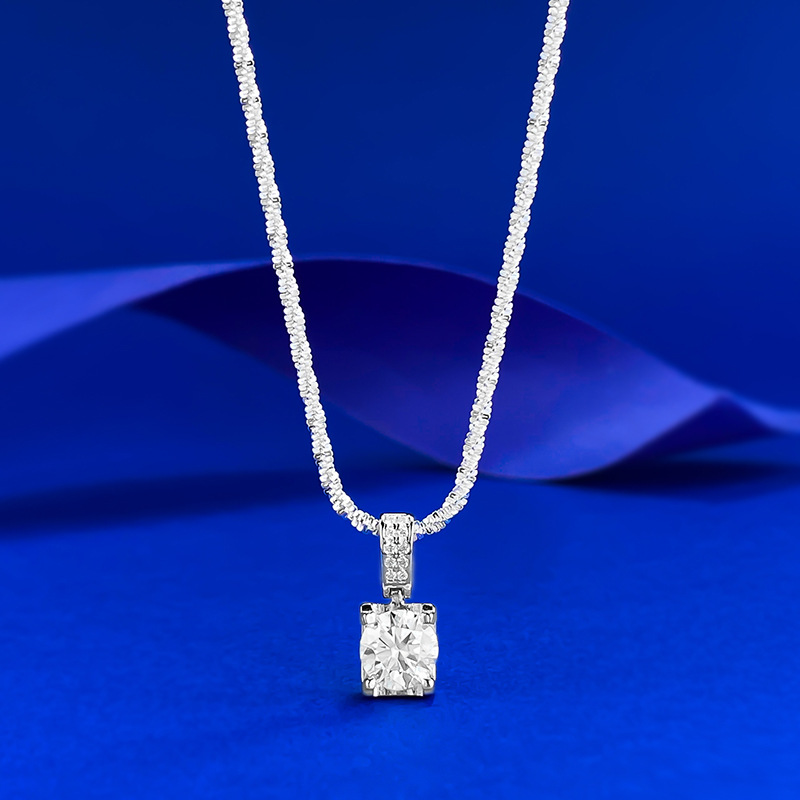
Prong Setting for Tennis Necklace: Secure Sparkle Guide
A prong setting for tennis necklace designs changes what you notice first: sparkle, diamond shape, comfort, and how secure each stone feels. Small metal claws hold each diamond at the girdle, leaving more of the stone visible than many metal-heavy settings.
That open look gives a tennis necklace its bright, continuous line of light. Sparkle matters, but so do comfort, movement, and security. A well-made necklace should sit smoothly, flex at the collarbone, and Keep Every Stone Secure through careful wear.
Before buying, start with the prongs. Then check the metal, clasp, stone matching, and how the necklace moves.
What Is a Prong Setting for Tennis Necklace Designs?
A prong setting for tennis necklace styles uses small metal tips to grip each diamond or gemstone around its edge. Jewelers call that edge the girdle. The prongs rise from the setting, curve over the stone, and hold it in its seat.
This design stays popular because it shows more diamond. Less metal over the crown often allows more light to reach the stone. For shoppers comparing Diamond Tennis Necklaces, that can create a brighter, more open look.
A prong setting for tennis necklace designs also supports the classic line-jewelry style. Each stone sits beside the next in a flexible row. The necklace should move naturally, while the diamonds still look even and balanced.
The right choice depends on how often you plan to wear the necklace, the diamond size, the metal, and your care habits. A very open setting can look airy. A heavier structure may feel more protective.
How Prongs Hold Each Stone
Each diamond rests in a small seat, basket, or shared support. The prongs are shaped from the metal setting and tightened over the girdle. A well-finished prong touches the diamond securely without covering too much of it.
Prongs vary in a few practical ways:
- Count: Three-prong, four-prong, and shared-prong designs are common.
- Shape: Tips may be rounded, pointed, claw-like, or slightly flattened.
- Thickness: Finer prongs look delicate, while thicker prongs add strength.
- Metal: 14k gold, 18k gold, platinum, white gold, yellow gold, and rose gold perform differently.
A delicate prong setting for tennis necklace designs can look refined, but it still needs strong engineering. The prongs must match the stone size and the necklace's intended wear.
Why Tennis Necklaces Need Secure Settings
Tennis necklaces move more than many fine jewelry pieces. They curve around the neck, shift over the collarbone, and brush against clothing. Each setting needs to handle that motion without letting stones loosen early.
A jeweler doesn't judge security by prongs alone. They also check prong tension, stone alignment, link movement, and clasp strength. If one part fails, the whole necklace becomes less dependable.
A secure prong setting for tennis necklace wear should feel smooth against the skin. It should not snag sweaters, hair, or scarves. Raised, sharp, or uneven prongs deserve a closer look Before You Buy or keep wearing the necklace.
Why Prong-Set Tennis Necklaces Stay Popular
Tennis necklaces grew from the tradition of diamond line necklaces. A line necklace uses matched stones to create one stream of light around the neck. The style feels polished without needing a large center stone.
The name follows the popularity of tennis bracelets, which became known for flexible diamond line designs. Over time, shoppers used the same language for necklaces with matched stones, articulated links, and a clean silhouette.
Prongs became a favorite because they expose more diamond than many closed settings. That openness can highlight cut quality, especially in round brilliant diamonds. GIA teaches that diamond appearance is shaped by the 4Cs: cut, color, clarity, and carat weight. Cut strongly affects brightness, fire, and scintillation.
Lab-grown diamonds have also made tennis necklaces more accessible. They have the same chemical and optical properties as mined diamonds. Reputable lab-grown diamonds may be graded by IGI or GIA using recognized standards for the 4Cs.
Many StoneBridge shoppers compare tennis necklaces by total carat weight first. Once they see pieces side by side, craftsmanship often becomes just as noticeable. Even prongs, matched stones, and a secure clasp can change the whole feel of the necklace.
From Classic Line Necklaces to Modern Styles
Older diamond line necklaces were prized for symmetry and nonstop sparkle. Modern tennis necklaces build on that look with flexible links, tighter stone matching, and smoother finishing.
Better casting, computer-aided design, and bench finishing have raised expectations. Stones should appear evenly spaced, not random. Prongs should look consistent from one end of the necklace to the other.
A high-quality prong setting for tennis necklace styles supports that symmetry. Small flaws can stand out because every diamond sits next to another diamond.
Why Prongs Still Feel Timeless
Prongs create a light, classic look. They work well with round, oval, emerald-cut, pear-shaped, and other diamond shapes. Each shape may need a different prong layout for proper support.
Compared with bezel or channel settings, a prong setting for tennis necklace designs makes each diamond look more defined. More of the crown and side can remain visible, often giving the necklace a lively effect.
The tradeoff is care. Prongs are small working parts. They can wear, bend, or lift over time, so inspections matter.
Types of Prong Setting for Tennis Necklace Styles
The main prong styles include three-prong, four-prong, shared-prong, and basket-style designs. Each one changes how much metal you see, how the stones are supported, and how the necklace looks from the front and side.
Don't rely on the product name alone. Two four-prong necklaces can feel very different if one has high, bulky prongs and the other has low, polished prongs. Good jewelers inspect prong height, evenness, and stone contact under magnification.
| Setting Type | Visual Effect | Security Profile | Best For |
|---|---|---|---|
| Three-prong | Airy, minimal metal | Secure when well made; needs precise work | Open sparkle and round diamonds |
| Four-prong | Balanced and classic | Strong option for many buyers | Everyday elegance and symmetry |
| Shared-prong | Smooth diamond line | Depends on exact prong formation | Less visible metal between stones |
| Basket-style | More structure from the side | Added support below each stone | Buyers who want definition and support |
A prong setting for tennis necklace styles should match the stone size. Smaller diamonds need fine prongs so metal doesn't overwhelm them. Larger stones often need stronger prongs and deeper seats.
Three-Prong Settings
Three-prong settings use three metal contact points around each stone. They often form a triangular layout that leaves more diamond visible from the top. Round brilliant diamonds can look especially open in this style.
A three-prong setting for tennis necklace designs suits shoppers who want minimal metal and strong sparkle. It can also make the necklace look slightly softer than some four-prong styles.
Craftsmanship is the key. With fewer prongs, each prong does more work. The stones should sit at even heights, and the prongs should feel smooth to the touch.
Four-Prong Settings
Four-prong settings balance security, symmetry, and light exposure. Each diamond is held at four points, often creating a neat outline around the stone.
A four-prong setting for tennis necklace buyers is a practical middle ground. It still shows plenty of diamond, but it adds another contact point compared with three-prong styles.
The look can be more structured. Four prongs may create a subtle square frame around round stones, especially when the prongs are heavier. Some buyers like that crisp detail; others prefer a more open style.
Shared-Prong and Basket Settings
Shared-prong settings use one prong or paired prongs to help hold neighboring stones. The goal is to reduce visible metal between diamonds. The result can look fluid when the stones are well matched.
A shared prong setting for tennis necklace designs requires careful workmanship. Uneven prongs can make the necklace look irregular. Prongs that are too light for the diamond size may wear faster.
Basket-style settings add support below each stone. A basket can help cradle the diamond and give the necklace more structure. It may also show more metal from the side.
How to Evaluate a Prong-Set Tennis Necklace Before Buying
Evaluating a prong setting for tennis necklace purchase involves visual checks, construction details, and lifestyle fit. A necklace can look dazzling in a photo and still need closer inspection.
Use this Checklist Before You decide:
- Inspect the prongs. They should look even, smooth, and seated against each stone.
- Check stone alignment. Diamonds should sit at consistent heights with regular spacing.
- Review the metal. Confirm 14k gold, 18k gold, platinum, or another fine-jewelry metal.
- Test flexibility. The necklace should curve naturally without stiff sections.
- Study the clasp. A secure clasp and safety feature matter as much as the setting.
- Confirm diamond details. Look for total carat weight, stone count, color, clarity, and grading details.
- Ask about service. Bench jeweler inspections help track prong condition over time.
For online shopping, use magnified photos and videos when available. Look for the front, side, clasp, and underside. Grading reports can add confidence for higher-value pieces.
A prong setting for tennis necklace buyers should also compare price with quality. A 2 carat total weight necklace and a 10 carat total weight necklace have very different design needs. Bigger doesn't help if the setting is poorly finished.
Check Prongs and Alignment
Proper prongs should look consistent from stone to stone. They should sit firmly against each diamond without looking crushed, bent, or lifted. The tips should be rounded or neatly finished, not sharp.
A strong prong setting for tennis necklace designs keeps diamonds aligned. Look for even stone height, spacing, and orientation. In a continuous line, small irregularities can interrupt the flow.
If you're shopping in person, move the necklace gently and listen. Stones should not rattle. If you're shopping online, zoom in and ask whether a bench jeweler inspects the necklace before shipment.
Choose the Right Metal
Metal choice affects color, strength, maintenance, and weight. 14k gold is popular because it balances gold content with durability. 18k gold has richer gold content and color, though it can be slightly softer.
Platinum is dense, naturally white, and durable. It can cost more and feel heavier. White gold gives a bright, diamond-forward look and is often rhodium plated for extra whiteness.
Yellow gold adds warmth. Rose gold has a soft pink tone from copper alloy content. The best metal for a prong setting for tennis necklace designs depends on your style, skin sensitivity, budget, and wear frequency.
Review Diamond Quality and Construction
Tennis necklaces depend on matching. One diamond with a different color, size, or brightness can stand out because the stones sit side by side. Review color and clarity ranges, not only total carat weight.
GIA and IGI grading language helps shoppers compare stones with more confidence. Near-colorless diamonds in the G-H range often look bright in necklace designs. VS and SI clarity grades can vary by stone size, cut, and viewing distance.
Construction matters just as much. A prong setting for tennis necklace styles should work with flexible links that follow the neck without flipping. The clasp should feel secure, easy to operate, and proportionate to the necklace weight.
Wearing and Caring for a Prong-Set Tennis Necklace
Good care helps preserve sparkle and reduces the chance of loosened stones. A prong setting for tennis necklace wear is made for Beauty and Security, but it's not indestructible. Fine jewelry lasts longer when it avoids hard impact, chemicals, and pressure.
Diamonds rate 10 on the Mohs hardness scale, according to GIA education resources. Metal prongs are softer than diamonds, so they can still bend or wear. Lab-grown diamonds share the same hardness and crystal structure as mined diamonds, so general diamond jewelry care is similar.
Use these habits to protect the necklace:
- Put it on after lotions, fragrance, sunscreen, and hair products.
- Remove it before swimming, workouts, sleeping, or heavy chores.
- Store it separately so prongs don't press against other jewelry.
- Clean it gently when buildup dulls the sparkle.
- Schedule professional checks if you wear it often.
A prong setting for tennis necklace designs can last beautifully with steady care. The goal isn't to treat the piece like it's too fragile to enjoy. Better habits protect the stones, links, clasp, and metal finish.
Everyday Wearing Tips
Remove a tennis necklace before sleeping, exercise, swimming, or applying fragrance. These moments create friction, pressure, or chemical exposure. Over time, that can affect prongs and metal finishes.
Chlorine can be harsh on gold alloys. Sweat and cosmetics can leave buildup around prongs and behind stones. Sleeping in a necklace can twist links and settings.
A prong setting for tennis necklace wear should feel smooth during normal use. If it starts catching on sweaters, scarves, or hair, stop wearing it until a jeweler checks the prongs.
Cleaning and Storage Tips
For many Diamond Tennis Necklaces, warm water, mild dish soap, and a soft brush can remove buildup. Use a bowl instead of a sink. Avoid harsh chemicals and abrasive cleaners.
Dry the necklace with a soft, lint-free cloth. Some gemstones and treated materials need special care, so confirm cleaning guidance for your exact piece.
Store a tennis necklace flat in a dedicated pouch, tray, or lined box. Don't toss it into a shared jewelry compartment. Tangling and pressure can stress links and prongs.
When to Schedule a Professional Inspection
Schedule an inspection if a stone feels loose, a prong catches, or the necklace takes a hard hit. A jeweler can check prong tension, stone security, link movement, and clasp function under magnification.
Many jewelers suggest routine inspections every 6 to 12 months for fine jewelry worn often. Pieces worn several times a week may need more frequent checks.
A professional inspection helps before travel, formal events, or insurance updates. It gives you a clear read on the necklace before you rely on it.
Mistakes to Avoid with Prong-Set Tennis Necklaces
A prong setting for tennis necklace shoppers should compare beauty and construction together. Most mistakes happen when buyers focus on one detail and miss the features that affect comfort, security, and long-term satisfaction.
Avoid these common errors:
- Choosing the largest total carat weight without checking craftsmanship.
- Ignoring prong finish on a necklace meant for regular wear.
- Overlooking clasp quality and safety features.
- Buying a style that doesn't match your lifestyle.
- Skipping inspections after purchase.
- Comparing prices without reviewing diamond quality, metal type, and construction.
A prong setting for tennis necklace designs can be a smart choice when the necklace is well made. Low-quality prongs may look fine in small photos, yet feel rough or support stones unevenly in person.
If you want help comparing materials or setting details, you can contact StoneBridge Jewelry experts before choosing a piece.
Don't Choose Size Over Craftsmanship
Total carat weight matters, but it shouldn't drive the whole decision. A larger necklace with uneven prongs, mismatched stones, or stiff links may disappoint you. A slightly smaller necklace with better finishing often looks more refined.
A prong setting for tennis necklace designs should feel polished from every angle. Look along the full necklace, not only the center section where product photos often focus.
Compare diamond matching, metal quality, and clasp construction before deciding one necklace is a better value. A lower price may reflect details you don't notice at first glance.
Match the Necklace to Your Lifestyle
A special-occasion necklace may not need the same design priorities as one worn several times a week. Frequent wear calls for smooth prongs, sturdy links, and a clasp that stays secure during movement.
Layering also matters. If you plan to wear a tennis necklace with chains, pendants, or collars, consider how the pieces touch. Some delicate prong profiles need extra care around other jewelry.
Think about necklines, hair length, activity level, and cleaning habits. The best necklace is the one you'll wear confidently and care for properly.
Prong Settings Compared with Bezel and Channel Settings
A prong setting for tennis necklace designs is only one option. Bezel, channel, and other protective settings also appear in diamond line necklaces. The best choice depends on style, lifestyle, maintenance, and budget.
Prongs usually focus on light exposure. They show more diamond and can create a bright, airy look. Protective settings use more metal around each stone, giving the necklace a smoother profile.
If you want to compare finished styles, browse fine jewelry designs and look at each setting from the front and side. You can also review lab-grown diamonds to see how cut, color, clarity, and carat weight affect appearance.
Prong vs. Bezel Settings
Bezel settings surround more of the stone with metal. The rim can create a sleek, modern look while covering the diamond's edge. This style may appeal to wearers who want clean lines and extra coverage.
A prong setting for tennis necklace designs usually exposes more diamond surface. More light can reach the crown and sides, which often creates a brighter effect.
The choice is both visual and practical. Bezels may feel smoother and more protected. Prongs tend to look more classic and diamond-forward.
Prong vs. Channel Settings
Channel settings hold stones between two metal walls. The diamonds sit inside the channel, creating a smooth line. This can reduce the individually framed look of each stone.
A prong setting for tennis necklace styles usually defines each diamond more clearly. You see individual stones separated by small points of metal rather than a row enclosed by rails.
Channel settings can feel modern and low-profile. Prongs can feel brighter and more traditional. Compare both from the side because profile height affects comfort and how the necklace lays.
How to Choose the Right Setting
Start with the look you want. If brilliance and stone visibility matter most, prongs may be the natural choice. If smoothness and added metal coverage matter more, bezel or channel styles deserve a look.
Next, think about wear frequency. Regular wear calls for stronger prongs, suitable metal, clasp security, and low snag risk. Occasional wear gives you more room to choose a delicate profile.
Lab-Grown Diamond Tennis Necklaces make it easier to compare size and quality combinations. Review diamond grading, total carat weight, and setting details together Before You Buy.
Choosing a Tennis Necklace You'll Wear for Years
Prongs shape how a tennis necklace looks, feels, and performs. They help maximize diamond visibility and create the classic line of sparkle that makes this style so loved. The setting name alone doesn't guarantee quality.
A prong setting for tennis necklace designs should be judged by craftsmanship, metal quality, diamond matching, flexibility, clasp Security, and Care needs. Look for even prongs, smooth finishing, consistent stone alignment, and clear diamond specifications.
Choose the setting that fits your life as well as your style. Three-prong designs can feel airy and bright. Four-prong designs offer a classic balance. Shared-prong and basket settings refine the look in different ways.
If you're comparing lab-grown diamond tennis necklaces, StoneBridge Jewelry can help you weigh setting style, diamond quality, and long-term care. Explore our diamond and jewelry collections, or ask our team for help choosing a necklace you'll enjoy wearing for years.
Ready to Find Your Perfect Diamond?
Explore our collection of certified lab-grown diamonds
Shop Diamonds