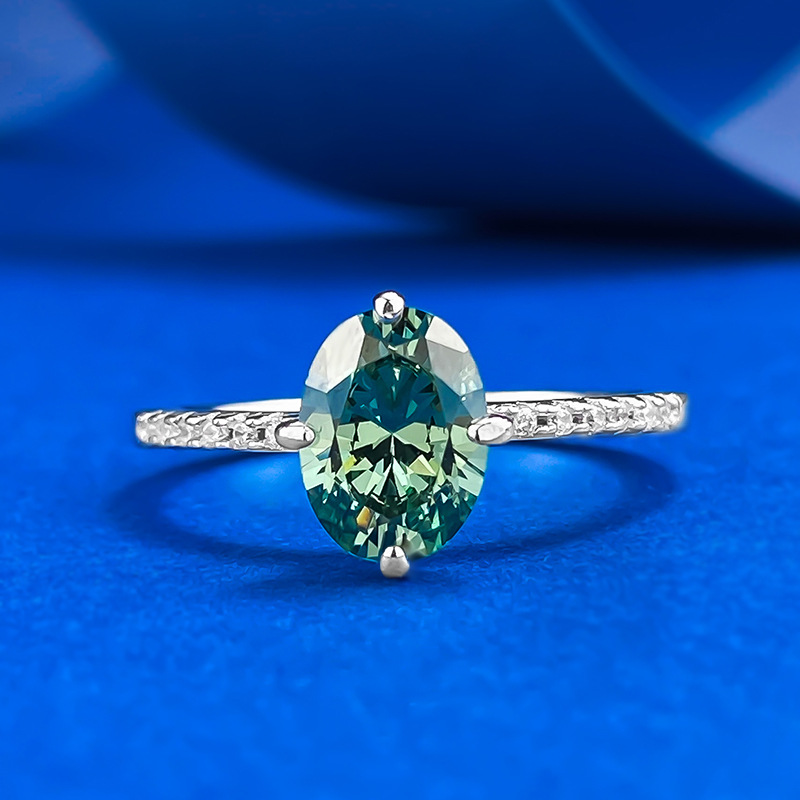
Ring Maintenance for Halo Setting: Keep Every Stone Secure
A halo ring gets its beauty from tiny details. The center stone catches the eye first, while the frame of small diamonds or gemstones adds brightness from every angle. Those small accents also explain why ring maintenance for halo setting needs more care than a plain solitaire.
Halo engagement rings have more prongs, more stone seats, and more narrow spaces where soap, lotion, sunscreen, and skin oils can collect. Over time, that buildup softens the sparkle. Daily wear can also affect pavé beads, shared prongs, and the metal that holds the halo together.
Most owners worry about losing an accent stone, snagging a prong, dulling the diamond, or trapping residue under the center stone. Those concerns make sense. A diamond ranks 10 on the Mohs hardness scale, but gold and platinum can still scratch, bend, or wear down with steady contact.
Good ring maintenance for halo setting protects brilliance, stone security, and long-term value. The routine does not need to be fussy. It works best when you pair gentle home cleaning with smart removal habits and regular jeweler inspections.
Why Halo Ring Care Needs Extra Attention
A halo setting places a center stone inside a frame of smaller stones. Some rings have one halo. Others include double halos, hidden halos, scalloped edges, or pavé bands. The design can make a center diamond look larger because the surrounding stones reflect more light toward the eye.
That brightness depends on precision. Many halo accents are melee diamonds, often about 0.005 to 0.20 carat each, depending on the design. These stones may sit in shared prongs, bead settings, micro-prongs, or pavé work. The Gemological Institute of America, or GIA, explains diamond quality through the 4Cs: cut, color, clarity, and carat weight. For halo rings, clean surfaces and secure settings matter because many small facets work together.
Ring maintenance for halo setting also matters because the design has more places for grime to hide. Soap can sit under the center stone. Lotion can pack between the halo stones. Dust can cling to pavé beads and make bright diamonds look tired.
Care is not only about shine. It protects the structure. A lifted prong can catch on sweaters, towels, or hair. A loose pavé stone may move before you can see the problem without magnification.
Customers who clean gently at home and schedule checks every 6 to 12 months usually catch issues early. A jeweler can inspect small stones under magnification, tighten worn areas, and clean spots a toothbrush cannot reach. That care can prevent a simple maintenance visit from becoming a surprise repair.
How Halo Prongs and Pavé Stones Wear
Tiny prongs do a lot of work. In many halo designs, each accent stone is held by a small bead or shared prong. Daily friction from pockets, gloves, desks, gym equipment, and other jewelry can slowly thin those points of metal.
Movement can start small. A stone may not look loose, but it can rotate under pressure. That motion can widen the seat, weaken a prong, or create a faint rattle.
Ring maintenance for halo setting should account for your lifestyle. A delicate micro-pavé halo looks refined, but it may need closer checks than a heavier setting. If you wear your ring from morning to night, treat inspection as part of ownership, not a rare errand.
Metal Type Changes the Care Routine
Metal choice affects maintenance. Platinum is dense, naturally white, and known for developing a soft patina. White gold usually has rhodium plating, which gives it a bright white finish. That plating can wear on high-contact areas, so rhodium replating may be needed over time.
Yellow gold and rose gold bring warmth and contrast to diamonds. They still scratch and wear. Karat matters too: 14K gold is usually harder than 18K gold because it contains more alloy metal.
For the safest ring maintenance for halo setting, follow the care instructions for your exact ring. This matters even more if the halo includes emeralds, opals, pearls, turquoise, or treated gems. Diamonds are durable, but the ring is more than the center stone.
Ring Maintenance for Halo Setting at Home
At-home ring maintenance for halo setting should be gentle, quick, and consistent. Your goal is to remove residue without stressing small prongs or pavé stones. You do not need abrasive cleaners, rough cloths, or strong chemicals.
A safe routine starts with warm water, mild dish soap, a very soft brush, and a lint-free cloth. Warm water loosens oils. Mild soap breaks down buildup. A soft brush reaches around the halo and under the center stone.
Skip toothpaste, baking soda paste, bleach, harsh household cleaners, and paper towels. Toothpaste and baking soda can scratch polished metal. Bleach can affect alloys and finishes. Paper towels may seem harmless, but they can mark metal and snag a lifted prong.
Use this simple cleaning method:
- Fill a small bowl with warm water and a few drops of mild dish soap.
- Soak the ring for 10 to 15 minutes.
- Brush gently around the halo, prongs, pavé areas, and underside of the center stone.
- Rinse over a bowl or plugged drain.
- Pat dry with a microfiber or lint-free cloth.
- Check the ring under bright light for movement, gaps, or snagging.
If a stone moves, stop wearing the ring and call a jeweler. Cleaning can reveal a problem, but it cannot tighten a prong or rebuild worn metal.
Safe Cleaning Supplies for Halo Rings
The best supplies for ring maintenance for halo setting are easy to control. Keep them in one small care kit so you are not tempted to use whatever is nearby.
Use these items:
- Small bowl for soaking and rinsing
- Warm water, not boiling water
- Mild dish soap without harsh additives
- Soft baby toothbrush or jeweler-approved brush
- Microfiber or lint-free cloth
- Secure ring dish for drying and inspection
Soft tools matter. A stiff brush can catch on pavé. A rough towel can snag a prong. Gentle pressure removes normal buildup without pushing tiny stones out of place.
Be careful with ultrasonic cleaners. They use vibration to loosen dirt, and that vibration can worsen an already loose halo stone. Use one only after a jeweler confirms your ring is secure and safe for ultrasonic cleaning.
The Best Way to Clean a Halo Setting
Choose a safe spot before you start. Clean over a bowl, not over an open drain. If you are at a sink, plug the drain first.
Let the ring sit in warm, soapy water for 10 to 15 minutes. Then hold it securely and brush with light strokes. Focus on the underside of the center stone, the inner edge of the halo, and any pavé on the band.
Rinse slowly with clean water. Dry the ring fully, then place it in a dish for a few minutes so moisture can leave tight spaces. Under bright light, look for a crooked stone, a raised prong, a sharp edge, or a gap around an accent diamond.
This final check is one of the most useful parts of ring maintenance for halo setting. Clean metal makes damage easier to spot.
How Often Should You Clean and Inspect a Halo Ring?
The right schedule depends on how often you wear the ring. For daily-wear engagement rings, a gentle weekly cleaning keeps sparkle fresh. If you use lotion, sunscreen, cooking oils, or hand sanitizer often, you may need to clean more frequently.
Professional inspections are usually recommended every 6 to 12 months for daily-wear halo rings. Pick the shorter schedule if you lift weights, garden, travel often, wear gloves, or work with your hands. If your warranty lists inspection dates, follow those dates and keep the paperwork.
Engagement rings face daily contact with door handles, steering wheels, luggage, grocery carts, and gym equipment. Damage often comes from repeated small hits, not one dramatic accident. Ring maintenance for halo setting works best as a steady habit.
Daily, Weekly, and Yearly Care Schedule
A simple schedule keeps ring care realistic. Small habits beat aggressive cleaning once in a while.
| Timing | What to Do | Why It Helps |
|---|---|---|
| Daily | Remove the ring before risky tasks | Limits impact, chemicals, and snagging |
| Weekly | Clean with warm water, mild soap, and a soft brush | Removes buildup before sparkle fades |
| Monthly | Inspect under bright light | Helps catch loose stones or lifted prongs |
| Every 6-12 months | Book a jeweler inspection | Confirms stone security and metal condition |
| As needed | Update appraisals, photos, and service records | Supports warranty and insurance files |
Set reminders for cleaning, inspection, rhodium plating checks, and warranty service. Keep receipts, appraisals, grading reports, and repair notes together.
Warning Signs Your Ring Needs a Jeweler
Some signs need professional attention right away. Do not keep wearing the ring if any stone feels loose. A quick tightening may become a missing-stone repair if you wait.
Call a jeweler if you notice:
- A rattling sound near your ear
- A missing halo or pavé stone
- Prongs that snag on towels, clothing, or hair
- Bent metal around the halo or band
- Cloudy buildup that will not clean away
- A center stone that looks tilted
- A sharp edge that feels new
- A gap between a stone and its setting
Ring maintenance for halo setting should always put security before sparkle. A dull ring can be cleaned. A lost accent diamond must be matched, replaced, and reset.
Preventing Damage Before It Starts
Prevention is the easiest care step. Remove your halo ring before workouts, swimming, cleaning, gardening, sleeping, heavy lifting, and applying lotion or hair products. Those moments create the most risk for impact, chemical exposure, and residue.
Gym equipment can hit the halo and bend small prongs. Chlorine from pools and hot tubs can affect metal finishes over repeated exposure. Household cleaners may dull metal or damage certain gemstones.
Beauty products cause a lot of cloudy buildup. Put your ring on after skincare, fragrance, sunscreen, and hair styling. That one habit can keep the halo brighter between cleanings.
Safe storage helps too. Keep the ring in a fabric-lined jewelry box, a dedicated ring dish, or a separate compartment. Diamonds can scratch other jewelry, and other jewelry can catch on the halo.
Still shopping for a design that fits your routine? You can explore engagement ring styles or compare silhouettes with StoneBridge Jewelry's ring builder. A lower-profile halo may suit active hands better than a tall, delicate setting.
Lifestyle Habits That Affect Halo Ring Maintenance
Your routine shapes how the ring wears. Nurses, teachers, stylists, chefs, artists, fitness instructors, and frequent travelers often see buildup or prong wear faster. Gloves can tug at prongs. Desk edges can create repeated pressure. Hand sanitizer can leave a dull film.
Practical swaps make a difference. Keep a travel ring case in your bag. Use a silicone band during heavy activity. Store the ring in the same safe place before chores.
One small habit can often save you a repair bill. Removing the ring before high-risk tasks is one of the simplest parts of ring maintenance for halo setting.
Safe Storage and Travel Care
Store halo rings separately. A diamond halo can scratch softer gemstones, and chains or earrings can catch on tiny prongs. Use a structured ring case for travel instead of a loose pouch.
In hotels, choose one secure spot and use it every time. Avoid placing the ring near sinks, tissue boxes, or nightstand edges. Small rings disappear quickly in busy spaces.
For valuable fine jewelry, keep documentation current. Save your appraisal, receipt, grading report, service records, and clear photos. If you want care advice before a trip, you can contact StoneBridge Jewelry experts for help with your specific piece.
Mistakes That Put Halo Rings at Risk
The biggest mistakes in ring maintenance for halo setting usually come from cleaning too hard or waiting too long after a warning sign appears. A detailed ring does not need complicated care. It needs gentle care done regularly.
Toothpaste is a common problem. It can feel harmless, but it may scratch polished gold, platinum, or rhodium plating. Baking soda paste can do the same.
Harsh cleaners are another risk. Bleach, strong degreasers, and ammonia-heavy products may affect metal alloys, finishes, or softer gemstones. If you are unsure about a cleaner, do not use it until a jeweler approves it.
DIY stone tightening is also risky. Prongs need proper tools, magnification, and controlled pressure. Too much force can chip a stone, bend a setting, or make a small repair more expensive.
Polishing too often can create wear as well. Professional polishing removes a tiny amount of metal each time. Used carefully, it refreshes the ring. Done too often, it can soften details and reduce metal around prongs.
Why Ultrasonic Cleaning Needs Approval
Ultrasonic cleaners can work for some diamond jewelry, but halo rings need caution. Vibration may loosen grime, and it may also move a weak pavé stone. Older repairs, delicate micro-prongs, and colored gemstones raise the risk.
Ask a jeweler before using one at home. A professional can check the setting first and decide whether steam, ultrasonic cleaning, or hand cleaning is safest. That quick check is a smart part of ring maintenance for halo setting.
Why Glue and Pliers Do Not Belong Near Your Ring
Glue is not a jewelry repair. It can leave residue, block proper stone seating, and make later repair harder. Pliers can crush prongs or crack delicate gems.
If an accent stone shifts or falls out, store the ring in a box or sealed bag. Bring the loose stone if you still have it. A jeweler can match the stone, check nearby prongs, and repair the setting correctly.
Professional Care and Long-Term Value
Professional ring maintenance for halo setting goes beyond a quick polish. A jeweler checks every halo stone, the center setting, the under-gallery, the shank, and the prongs. They can also spot thinning metal before you notice a problem.
White gold may need rhodium replating when the surface starts to look warmer or uneven. Platinum may need light refinishing if the patina bothers you. Any ring with colored gemstones should receive gem-specific care.
Documentation protects value. Keep proof of inspections, repairs, resizing, rhodium plating, stone replacement, and appraisals. Many warranties require service every 6 months, and insurance companies may ask for current records.
Diamond reports from GIA or IGI can support identification and grading details such as carat weight, color, clarity, and measurements. A one-carat round diamond often measures about 6.4 to 6.5 mm across, while a halo can make it look larger face-up. Protecting the setting helps preserve that look.
If you are comparing center stones or planning an upgrade, you can shop lab-grown diamonds and think about how each shape pairs with halo durability and cleaning access. You can also browse StoneBridge Jewelry's fine jewelry collection for designs with care needs that match your lifestyle.
What to Ask During a Jeweler Inspection
A better inspection starts with better questions. Ask whether every halo stone is secure. Ask if any prongs are thinning, bent, or catching.
Request a check of the center stone, the underside of the setting, and the pavé along the band. If your ring is white gold, ask whether rhodium plating is due. If the ring has colored stones, ask for care instructions for each gem.
Review your warranty at the same visit. Some plans require inspections every 6 months. Others exclude impact damage, chemical damage, or repairs done outside the approved jeweler network.
Keeping a Halo Ring Bright for Years
A halo ring rewards steady care. Gentle cleaning keeps diamonds bright. Regular inspections protect small stones. Safe storage prevents scratches and snagging.
The best ring maintenance for halo setting routine is simple:
- Clean weekly with warm water, mild soap, and a soft brush.
- Remove the ring before workouts, swimming, cleaning, sleeping, and heavy lifting.
- Store it separately in a fabric-lined space.
- Check monthly for loose stones, lifted prongs, bent metal, or sharp edges.
- Visit a jeweler every 6 to 12 months for inspection and professional cleaning.
- Keep service records, appraisals, photos, and warranty documents together.
With steady ring maintenance for halo setting, your ring can stay brilliant, secure, and comfortable through daily wear. If you are choosing a halo ring or caring for one you already love, StoneBridge Jewelry can help you match beauty with practical care.
FAQ
How do I clean a halo engagement ring at home without loosening the small stones?
Clean it with warm water, mild dish soap, and a very soft brush. Use light pressure around the halo, pavé, prongs, and underside of the center stone. Rinse over a bowl or plugged drain, then dry with a lint-free cloth. For safer ring maintenance for halo setting, avoid harsh cleaners and skip ultrasonic cleaning unless a jeweler has approved your ring.
How often should a halo ring be professionally inspected?
Most daily-wear halo rings should be inspected every 6 to 12 months. Choose every 6 months if you work with your hands, wear gloves often, exercise with jewelry, or travel frequently. A jeweler can check pavé stones, center prongs, metal wear, and buildup under magnification. Keep inspection records because warranties and insurance claims may require them.
Why does my halo ring look cloudy after I clean it?
Cloudiness usually comes from lotion, soap, sunscreen, skin oils, or debris packed under the center stone. A soft brush may not reach every part of a detailed halo setting. Scratches, rhodium wear, or residue beneath the gallery can also make the ring look dull. If careful cleaning does not help, book professional diamond ring cleaning and a security check.
Can I use an ultrasonic cleaner for ring maintenance for halo setting?
Ask a jeweler before using an ultrasonic cleaner on a halo ring. The vibration can be safe for some diamond jewelry, but it can also worsen loose pavé stones or weak prongs. Avoid ultrasonic cleaning if the ring has colored gemstones, older repairs, micro-pavé, or any rattling. A professional can inspect the ring and recommend the safest cleaning method.
What should I do if a small diamond falls out of my halo ring?
Stop wearing the ring right away and place it in a secure box or sealed bag. If you still have the stone, bring it to the jeweler with the ring. The jeweler can check nearby prongs, replace or reset the accent diamond, and confirm the rest of the halo is secure. Review your warranty and insurance documents before approving repair work.
Ready to Find Your Perfect Diamond?
Explore our collection of certified lab-grown diamonds
Shop Diamonds