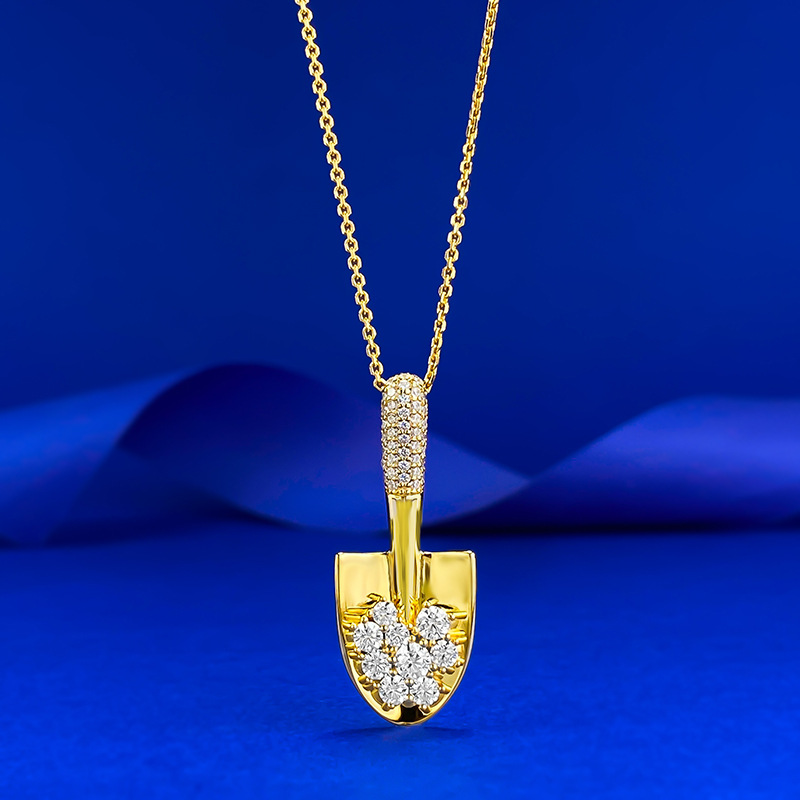
Lab Grown Diamond Tennis Necklace Price: Compare, Choose, and Buy Confidently
A lab grown Diamond Tennis Necklace price can vary a lot, but the reasons are easy to understand. Total carat weight, diamond quality, metal choice, necklace length, and craftsmanship all shape the final number. If you want a polished look without mined-diamond pricing, lab-grown tennis necklaces can be a smart way to get more sparkle for your budget.
A 5-carat necklace in 14K gold will usually sit in a very different price range than a 10-carat platinum piece with tighter stone matching. Why? Tennis necklaces use many diamonds, so consistency matters as much as size. That’s why a smart buyer looks beyond the headline price.
What a Lab Grown Diamond Tennis Necklace Is
A tennis necklace is a continuous line of diamonds that sits neatly around the neck. People love the style because it’s clean, bright, and easy to wear with dressier outfits or elevated everyday looks. In a lab-grown version, the diamonds are created in a controlled setting, but they have the same physical, chemical, and optical properties as mined diamonds.
That difference in origin often changes the price. A lab grown Diamond Tennis Necklace price is usually lower than a similar mined-diamond piece, which can free up room for a larger total carat weight or a more substantial setting. For many buyers, that’s the sweet spot: luxury style with more budget flexibility.
Tennis necklaces usually fall into a few common styles:
- Full tennis necklace – Diamonds wrap all the way around for a uniform look.
- Graduated tennis necklace – Larger stones sit in front, with smaller stones toward the back.
- Delicate tennis necklace – Smaller stones create a lighter, more subtle feel.
- Statement tennis necklace – Higher total carat weights create a bolder look.
Each style affects the final lab grown Diamond Tennis Necklace price, especially because matching the diamonds takes time and skill.
Why Buyers Choose Lab Grown Diamonds
The biggest draw is value. You can usually get more visible diamond for the same money, and that matters in a category where brilliance and uniformity drive the look. A well-made lab-grown tennis necklace can deliver the crisp sparkle shoppers expect from fine jewelry without the same price tag as many mined-diamond versions.
There’s also a practical side. Many buyers like the clear production path of lab-grown stones, and that peace of mind matters when you’re making a meaningful purchase. According to GIA and IGI grading standards, the same core quality factors still apply: cut, color, clarity, and carat weight. So the buying logic stays familiar, even if the supply path changes.
Shoppers also choose this style for special moments. A tennis necklace is a popular pick for anniversaries, birthdays, promotions, and milestone gifts. It feels special without being hard to style.
What Drives the Price
A strong comparison starts with the details. The biggest price drivers in a Lab Grown Diamond tennis necklace price comparison aren’t just the diamonds. The full build matters too.
Total carat weight
Total carat weight, or TCW, is one of the first numbers buyers notice. It measures the combined weight of all the diamonds in the necklace, not a single stone. A 5-carat piece and a 10-carat piece can look very different, and the price usually rises with the total weight.
Still, TCW doesn’t tell the full story. Two necklaces with the same weight can look different if one uses fewer large stones and the other uses more smaller ones. Uniformity, stone count, and matching all affect value.
Cut, color, and clarity
These three grades shape how the necklace looks in real life:
- Cut drives sparkle more than almost anything else.
- Color affects how white or warm the stones appear.
- Clarity influences how clean the stones look up close.
A tennis necklace shows many stones side by side, so consistency matters a lot. Our customers often tell us that a well-matched necklace looks more expensive than one with a few high grades and uneven stones. That’s a useful reminder: balance usually beats chasing the highest number on every stone.
Metal type
The metal changes both style and cost. Here’s a simple breakdown:
| Metal | Common appeal | Price impact |
|---|---|---|
| 14K yellow gold | Warm tone, durable, easy to wear | More accessible |
| 14K white gold | Bright, modern, classic diamond look | Moderate |
| 18K gold | Rich color, higher gold content | Higher |
| Platinum | Premium feel, strong durability | Highest |
The Lab Grown Diamond tennis necklace price usually rises as you move from 14K gold to 18K gold or platinum. Platinum often costs more because it’s a premium metal and it signals a higher-end finish.
Length and fit
Length changes both comfort and price. Common lengths like 14, 16, 18, and 20 inches create different looks. A shorter necklace sits higher on the neck, while a longer one gives a softer drape.
Longer lengths can cost more because they may use more diamonds, more metal, and more labor. Fit matters too. If a necklace sits too tight, you probably won’t wear it often. If it hangs too low, it can lose the clean look people want from this style.
Clasp and setting style
The clasp may seem small, but it affects security and price. Box clasps with safety catches are common because they help keep the necklace secure. Hidden clasps or upgraded locking systems can add to the cost.
Setting style matters as well. Prong settings usually show more of the stone and can boost sparkle. Protective settings can help with durability. Either way, careful setting work is part of what you’re paying for, and it often separates a polished piece from a basic one.
Lab Grown Diamond Tennis Necklace Price Tiers
The easiest way to compare Lab Grown Diamond tennis necklace price points is by tier. Exact numbers change with the market, but this framework helps set expectations.
Common price tiers
| Tier | Style profile | Value focus | Best for |
|---|---|---|---|
| Entry-level | Smaller TCW, 14K gold, simpler build | Accessibility | First-time buyers, gifts |
| Mid-range | Moderate TCW, better matching, cleaner finishing | Balance | Buyers who want visible presence |
| Luxury | Higher TCW, premium metals, elevated craftsmanship | Maximum impact | Statement-piece shoppers |
Entry-level pieces can still look elegant if the stones are well cut and the clasp is secure. Mid-range options usually hit the best balance for many shoppers because they offer more presence without jumping too far in price.
Luxury pieces climb faster in cost because every part gets more expensive: more diamonds, more metal, more labor, and more inspection time. In that range, stone matching and setting precision matter even more.
Price per carat vs overall value
Price per carat helps you compare similar pieces, but it shouldn’t be the only number you check. A lower price per carat can hide weak craftsmanship or a necklace that doesn’t sit well on the neck. A slightly higher price can make sense if the necklace has better proportions, stronger clasps, and a cleaner finish.
Use this simple buying order:
- Compare the total carat weight.
- Check diamond grade consistency across the necklace.
- Review the metal type and how often you’ll wear it.
- Inspect the clasp and safety features.
- Ask about certification, warranty, and returns.
That checklist tells you a lot more than the sticker price alone.
How to Pick the Right One for Your Budget
If you’re narrowing your choices, decide where quality matters most to you. Some shoppers care most about size. Others want a better metal or a more secure setting.
Spend on what you’ll notice most
- Choose larger or better-matched diamonds if sparkle matters most.
- Choose higher-karat gold or platinum if you want a richer metal look.
- Choose stronger setting work if you’ll wear the necklace often.
- Choose a versatile length if you want more styling options.
That’s where the Lab Grown Diamond tennis necklace price becomes a strategy, not just a number. If you wear your jewelry often, a stronger build may be better value than a slight jump in carat weight.
Balance comfort and visibility
A tennis necklace should feel good on the neck. Pay attention to how it drapes and whether it stays centered. A piece that lays flat usually looks better and feels easier to wear than one that shifts around all day.
For gift buyers, think about the person who’ll wear it. Some people like a close, classic fit. Others want a necklace that stands out more. The best choice is the one that fits real life, not just a product photo.
Shop for milestones with confidence
A Lab Grown Diamond tennis necklace is a strong choice for anniversaries, birthdays, graduations, and big life moments. It can feel generous and luxurious without pushing into the highest mined-diamond price bands. That makes it a practical gift when you want impact and value in the same piece.
If you’re comparing it with other fine jewelry, you can browse our jewelry collection to see coordinating pieces that match the same Style and Budget range.
Sizing, Fit, and Care
Length changes the whole look. A 16-inch necklace usually sits higher and feels classic. An 18-inch option often has a more relaxed drape. If you plan to layer it or wear it over clothing, a longer length may work better.
Care matters just as much as fit. Tennis necklaces have many small settings, so they deserve regular attention.
Simple care tips
- Store it flat in a soft-lined box or pouch.
- Wipe it gently after wear to remove oils.
- Skip harsh chemicals, perfume, and rough contact.
- Have the clasp and settings checked from time to time.
The clasp and prongs deserve extra attention. Even a secure necklace can loosen over time, especially if you wear it often. If a stone shifts or the clasp feels weak, stop wearing it until a jeweler checks it.
Where to Buy
A good product page should give you enough detail to compare one necklace against another. Before You Buy, look for clear information on:
- Total carat weight
- Diamond cut, color, and clarity
- Metal type
- Necklace length
- Clasp style
- Setting style
- Certification details
- Warranty coverage
- Return policy
Clear specs make the Lab Grown Diamond tennis necklace price easier to judge. Certification from GIA, IGI, or another recognized source also adds confidence because it supports the grading claims.
Craftsmanship matters just as much. Check whether the stones are well matched, whether the settings look secure, and whether the necklace sits evenly. A clean finish, strong clasp, and neat stone alignment are good signs that the piece was built for long-term wear.
If you’re ready to shop, start with a trusted retailer that lists full details and clear policies. You can shop our lab-grown diamonds to compare styles and find pieces that balance value, quality, and wearability. If you’re planning a full jewelry purchase, you can also explore our engagement rings or use our ring builder to compare quality standards across collections.
FAQ: Lab Grown Diamond Tennis Necklace Price
How much does a lab grown diamond tennis necklace cost in 2025?
The price depends on total carat weight, diamond quality, metal type, and craftsmanship. Smaller necklaces can be more accessible, while larger statement pieces cost much more, especially in platinum or higher-karat gold. A Lab Grown Diamond tennis necklace price can also rise when the stones are better matched and the clasp or setting is more refined. If you want the best value, compare the full spec sheet, not just the headline number.
Why is a lab grown diamond tennis necklace cheaper than a mined diamond version?
Lab-grown diamonds usually cost less because they’re created in controlled environments instead of mined from the earth. That cost difference often lets you choose a larger or more eye-catching necklace for the same budget. The lower price doesn’t mean lower beauty. It usually reflects a different supply path and pricing model.
What carat size is best for a tennis necklace if I want everyday wear?
The best carat size depends on your style, neck size, and budget. Many buyers who want everyday wear choose a lighter, more delicate look because it feels easier to style and less heavy on the neck. A balanced necklace often matters more than chasing the biggest total carat weight. If you want a piece you’ll wear often, focus on comfort, secure construction, and a length that sits well.
Are lab grown diamond tennis necklaces worth buying?
Yes, if you care about sparkle, a luxury look, and stronger budget efficiency. The best pieces offer good cut quality, even stone matching, and a secure clasp, which makes a real difference in daily wear. We’ve found that shoppers feel happiest when they choose a necklace that fits how they’ll actually wear it, not just how it looks in a photo. If those details matter to you, the value is strong.
How do I choose the right length for a diamond tennis necklace?
Choose the length based on where you want it to sit on the neck and how often you plan to wear it. Shorter lengths feel more classic and close to the collarbone, while longer lengths can look more relaxed and work well for layering. If you’re unsure, start by measuring a necklace you already like. You can also contact our jewelry experts for help comparing fit and style.
Choose the Right Value
The smartest way to compare a lab grown Diamond Tennis Necklace price is to look at the whole piece: carat weight, cut, color, clarity, metal, length, clasp, and craftsmanship. When those details line up, you get a necklace that looks polished, wears well, and fits your budget with more room to spare than many mined-diamond options.
If you want the best mix of sparkle, value, and confidence, start with clear specs and a retailer you trust. Then pick the necklace that Fits Your Style and the way you’ll wear it. That’s the kind of purchase that feels good now and still feels right years later.
Ready to Find Your Perfect Diamond?
Explore our collection of certified lab-grown diamonds
Shop Diamonds