Online Jewelry Buying Checklist: Price Factors to Compare Before You Buy
Shopping for jewelry online is convenient, but price comparison can get messy fast. Two rings that look almost the same in photos can differ a lot once you check the metal, stones, and build quality. That’s why the Online Jewelry Buying checklist price factors method matters. It gives you a simple way to judge value before you hit checkout.
This matters even more if you’re shopping for lab-grown diamonds or fine jewelry. A polished image won’t tell you whether a ring uses 14K gold or 18K gold, or whether the setting is sturdy enough for daily wear. It also won’t show you if the stone has a GIA or IGI report. Those details change price, and they change peace of mind too.
We’ve found that shoppers who compare a few key details usually feel better about their purchase and return less often. Jewelry retailers often see more returns when buyers skip sizing, policy, and stone details. So, what should you compare first? Start with the basics below.
Why an Online Jewelry Buying Checklist Matters
Online Jewelry Shopping gives you more choices than most local stores. You can compare styles, shapes, and metal options in minutes. Still, the lowest price isn’t always the best deal.
A piece may look cheaper because it uses less metal, smaller stones, or a lighter setting. Another item may cost more because it includes a grading report, better finishing, or stronger after-sale support. The Online Jewelry Buying checklist price factors approach helps you see what’s really included.
A fair price reflects the materials, the craftsmanship, the seller’s support, and the quality of the information provided. That’s the part many shoppers miss. If the listing is vague, the price is harder to trust.
Clear product pages make comparison easier. Look for exact specs, honest photos, and written policies. A retailer that shares more usually leaves you with fewer surprises.
It also helps to think like a jeweler, not just a shopper. When a listing provides precise measurements, stone grading, and metal purity, you can compare apples to apples. When it does not, you’re really comparing guesses. That makes it much harder to know whether a price is genuinely competitive or just packaged well.
Core Price Factors That Influence Jewelry Cost
The biggest price changes usually come from materials, stone quality, labor, and service. Brand markup can matter too, but it shouldn’t be your first focus. Start with the product itself.
Across fine jewelry retail, metal choice and diamond quality often drive the biggest gaps. Platinum is denser and usually costs more than gold. Lab-grown diamonds also tend to cost less than mined diamonds of similar visible quality. Even so, cut, color, clarity, and carat can still move the price a lot.
Here are the main things to compare:
- Metal type and purity
- Diamond or gemstone type and grade
- Carat weight and stone size
- Cut quality and sparkle
- Setting style and craftsmanship
- Brand pricing and overhead
- Warranty, resizing, and service coverage
- Certification and paperwork
A simple gold chain will be priced differently from an engagement ring. A tennis bracelet may depend on stone matching and clasp security. The product type changes the math.
GIA and IGI grading reports matter here. A documented stone is easier to compare than one with a vague description. That’s one reason the Online Jewelry Buying Checklist price factors process works so well.
When you compare items with similar specs, you can spot whether a price difference is due to better quality or just branding. For example, a 1.00-carat lab-grown diamond in a simple solitaire setting may cost far less than a 1.00-carat natural diamond with the same visual grades. Yet if the lab-grown stone has a superior cut, better clarity, and a more secure setting, it may represent the stronger value for your budget.
Metal Type and Purity
Metal choice changes both cost and wear. Platinum, 18K gold, 14K gold, and sterling silver each sit in a different price band. Platinum usually costs more because it’s dense and uses more material. 18K gold contains more gold than 14K gold, so it often costs more too.
For many buyers, 14K gold hits a sweet spot. It gives solid durability and a good price. Sterling silver is usually the most budget-friendly, but it needs more care.
Check the listing closely. “Gold” alone doesn’t tell you much. You want to see the exact purity, such as 10K, 14K, 18K, or platinum 950.
The metal color matters too. Yellow gold tends to show warmth and can complement antique-inspired settings. White gold has a bright, silvery look but usually needs periodic rhodium plating to keep that finish. Rose gold is fashionable and flattering on many skin tones, but the copper alloy content can vary by manufacturer, which can slightly affect color and durability.
Weight also influences price. A thicker band or heavier basket setting uses more metal, so it typically costs more than a delicate, lightweight style. That said, too-light construction can bend more easily. For everyday pieces like engagement rings or wedding bands, a slightly heavier setting often offers better long-term value even if the upfront cost is higher.
Diamond Type, Quality, and Certification
Diamond type has a huge impact on price. Lab-grown diamonds, natural diamonds, and alternatives like moissanite all cost different amounts. Lab-grown stones often give you more size or better quality for the same budget. That’s one reason they’ve become popular with online shoppers.
The 4Cs still do the heavy lifting: cut, color, clarity, and carat. Cut often affects sparkle the most. A well-cut stone can look brighter even if it’s smaller.
Certification helps you compare with more confidence. GIA and IGI reports give you a clear record of the stone’s grade and measurements. In an Online Jewelry Buying checklist price factors review, that paperwork can justify a higher price if the quality checks out.
Look closely at the grading details, not just the headline size. A 1.00-carat stone can vary a lot in face-up appearance depending on cut proportions. Two diamonds with the same carat weight may look different if one has a deeper pavilion or a larger girdle. The report should also list measurements, polish, symmetry, fluorescence, and sometimes proportions. Those details help explain why one stone costs more than another.
If you’re comparing lab-grown diamonds, ask whether the seller discloses growth method and whether the stone is laser-inscribed. These details can help with identification and future service. For natural diamonds, make sure the report number matches the stone and the sale description.
For colored gemstones, certification matters just as much. Sapphire, emerald, and ruby pricing depends on treatment disclosure, origin in some cases, color saturation, and clarity. A treated stone can still be beautiful, but the price should reflect the treatment and any limitations in durability. A reputable seller should clearly state whether a gemstone is heated, oiled, fracture-filled, or otherwise enhanced.
Design Complexity and Craftsmanship
A plain solitaire usually costs less than a halo ring with pavé details or custom engraving. More detail means more labor. More labor means more cost.
Craftsmanship also affects durability. Prong alignment, polish, symmetry, and stone security all matter. Two rings can look similar online but wear very differently over time.
If you want strong value, don’t ignore the setting. A clean, well-made design often gives you more for your money than a busy style with weak finishing.
Pay attention to how the stones are set. Shared prong, pave, bezel, channel, and micro-pave styles all have tradeoffs. A bezel can protect a center stone better for active wear, but it may make the stone appear slightly smaller from the top. A prong setting can show more of the stone and usually allows more light into the diamond, but it needs enough metal to hold securely. Pave can sparkle beautifully, yet tiny accent stones may be more likely to loosen over time if the workmanship is thin.
For rings worn every day, the gallery and under-gallery matter too. A strong basket, smooth edges, and properly finished prongs make a ring more comfortable and less likely to snag. For earrings and pendants, clasp quality and chain thickness are just as important as the look of the front-facing design.
Brand, Warranty, and Service Costs
Some retailers charge more because they offer stronger support. That can include resizing, repairs, cleaning, or a better warranty. Those extras aren’t free, and they can be worth it.
A lower price may look good today, but weak service can cost more later. If you need sizing help or a repair, the savings can disappear fast. Our customers often say they’re glad they checked the return window before buying.
Think about total ownership, not just sticker price. A piece that’s easier to maintain often ends up being the better buy.
When comparing service, read the fine print. Some warranties only cover manufacturing defects, not routine wear. Others exclude lost stones, bent prongs, or damage caused by improper cleaning. Resizing may be free once or twice, or it may carry a fee depending on the ring style. If a ring has side stones, engraving, or an eternity design, resizing options may be limited. Knowing this Before You Buy can save frustration later.
How to Compare Jewelry Value Before You Buy
The best online jewelry buying checklist price factors comparison starts with side-by-side review. Match up pieces with similar specs, then see what explains the price gap. Don’t compare a 14K gold ring with a platinum ring and call them equal.
Use this checklist while you shop:
- Compare metal type and purity first.
- Check whether the stone is lab-grown, natural, or an alternative.
- Review the 4Cs and total carat weight.
- Read the setting description carefully.
- Look for certification or grading reports.
- Check the return, resizing, and warranty rules.
- Study product photos and videos.
If one piece costs more, ask why. Is the stone better cut? Is the metal heavier? Does the seller include better support? Those answers matter more than a discount banner.
Signs of strong value include complete specs, clear photos, and honest disclosure. You should also see visible policy details and exact measurements. Blurry images and vague claims are red flags.
Another smart move is to compare pricing on a per-spec basis. For diamond rings, divide the price by carat weight and then check whether the better-priced item also has superior cut or certification. For gold jewelry, compare metal purity, weight, and finish quality. For gemstone pieces, evaluate stone size, treatment disclosure, and matching quality. This doesn’t replace good judgment, but it helps expose overpriced items that rely on marketing more than substance.
What to Check on the Product Page
The product page should do the heavy lifting for you. Review the metal, stone details, dimensions, and service terms Before You Buy. If a seller hides the basics, be careful.
Look for these details:
- Exact metal type and purity
- Stone shape and measurements
- Carat weight and total weight
- Setting style and prong count
- Ring size or chain length options
- Certificate or grading report info
- Warranty and return terms
Good product pages also include close-up photos and video. Those visuals help you judge scale, finish, and stone placement. They also make the online jewelry buying checklist price factors process easier because you can compare more than just the headline price.
Watch for missing measurements. A pendant that looks substantial in a model photo may be much smaller in real life. Chain lengths, earring dimensions, and bracelet widths are often the difference between “just right” and “not what I expected.” Product pages should give you enough detail to imagine the item on the body, not just on a white background.
Perceived Value vs. Actual Value
The cheapest choice isn’t always the smartest one. A low price can hide weak metal weight, poor finishing, or limited support. A higher price may reflect better materials and better ownership value.
Actual value includes what happens after delivery. Will the piece last? Can it be resized? Does the seller stand behind it? Can you Verify the Stone quality?
Perceived value is what catches your eye. Actual value is what still feels right six months later.
For example, a very low-priced ring may save money upfront but need re-tipping, cleaning, or prong repair sooner than expected. A slightly more expensive ring with sturdier construction, a useful warranty, and straightforward service might cost less over time. That’s especially important for engagement rings, wedding bands, and daily-wear necklaces, which see more friction and contact than occasion-only pieces.
Choosing the Right Piece by Jewelry Category
Different jewelry categories have different price drivers, so it helps to compare them separately instead of using one broad rule for everything. A ring, for example, puts much more stress on the setting than a pendant does. Earrings have different balance and security needs than bracelets. Matching the price factor to the category can reveal whether a listing is actually fair.
Engagement Rings and Wedding Bands
For rings, the stone and setting matter most. Compare center stone quality, band width, number of accent stones, and the ring’s overall profile. If you are choosing an engagement ring, check whether the setting is low enough for daily wear and whether the center stone is protected by the prongs. A higher-set ring can show more sparkle, but it may catch on clothing more easily.
Wedding bands should be evaluated for comfort, finish, and durability. A rounded inner edge, often called a comfort fit, can make a surprising difference. For pavé or eternity bands, ask whether stones go all the way around and whether resizing is possible. Full-eternity styles can be beautiful, but they’re harder to adjust later.
Necklaces and Pendants
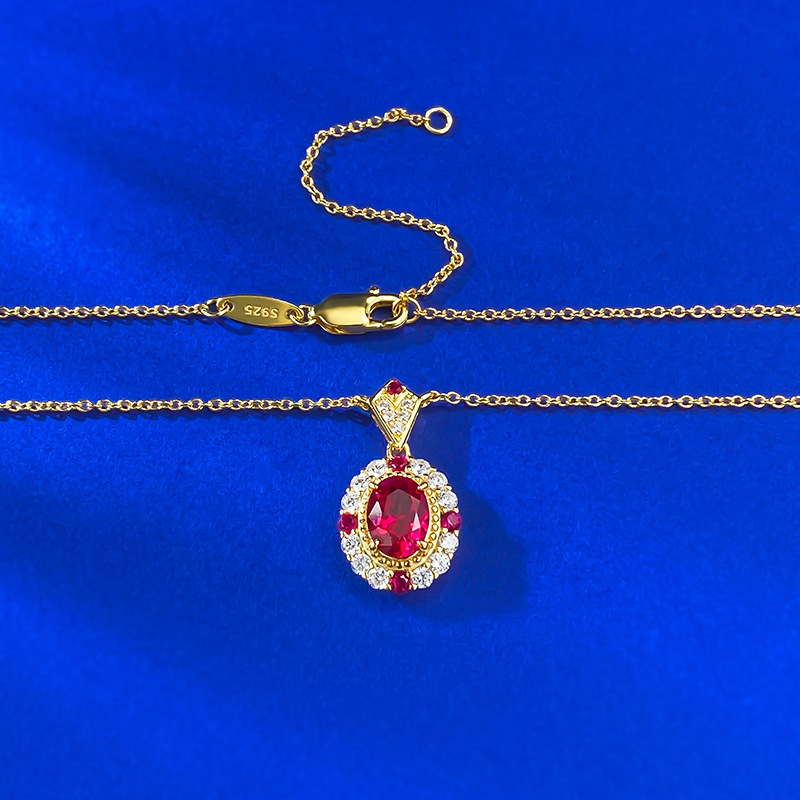
Necklaces are often judged too quickly by pendant size alone. The chain quality, clasp type, and chain length all affect value. A fragile chain paired with a beautiful pendant can create maintenance issues. Look for lobster clasps or other secure closures, especially on heavier necklaces.
Pendants should be compared by total gold weight, stone size, and bail construction. A pendant with a tiny stone can still be expensive if the design uses substantial metal or detailed craftsmanship. If the listing doesn’t show how the pendant sits on a chain, ask for a model image or dimensions Before You Buy.
Earrings
Earrings need attention to weight and closure. Studs with larger stones should have secure backs, and heavier drop earrings should balance well on the ear. Compare the post thickness, backing style, and overall weight if the seller provides it.
For hoops, check the hinge mechanism and inner diameter. A hoop that is slightly larger in dimension may be more comfortable and visible, but it can also cost more due to extra metal. For gemstone studs, matching quality is important; stones should look balanced in color and size.
Bracelets
Bracelets often involve more moving parts than other jewelry categories. Compare clasp security, link thickness, and flexibility. Tennis bracelets need matched stones and a well-made box clasp or safety closure. Chain bracelets should feel smooth and substantial, not flimsy. Bangle bracelets should be measured carefully for fit, since style and opening size can affect whether they slide on easily.
Customer Considerations Before Checkout
Your online jewelry buying checklist price factors review should also cover fit, care, shipping, and payment protection. These are the details that often cause returns. They matter just as much as the design.
Start with how the piece will be worn. Daily wear needs stronger settings and easier care. Special-occasion jewelry can lean more decorative.
Good retailers make this easy. They show size guides, care tips, shipping timelines, and support contacts. If the seller is hard to reach before the sale, that’s not a good sign.
Sizing, Fit, and Comfort
Fit changes everything. A ring that’s too tight or a necklace that sits at the wrong length can spoil the experience. Even a beautiful piece loses appeal if it doesn’t feel right.
Check these details before ordering:
- Ring size chart
- Bracelet length options
- Necklace chain length
- Pendant drop measurement
- Band width and profile
Some pieces can’t be resized easily. Full-eternity bands and certain settings can be tricky. If you’re unsure, ask before buying. You can also learn about ring sizing before choosing a final size.
Comfort matters as much as accuracy. A wide band can fit differently than a thin band in the same size, so a half-size adjustment may be needed. Heavy earrings should be balanced so they don’t pull the lobe uncomfortably. If the jewelry is a gift, a flexible exchange policy can reduce risk if the size is off.
Care, Cleaning, and Maintenance
Fine jewelry needs routine care. Store pieces separately, keep them away from harsh chemicals, and clean them gently. A soft brush and mild soap work for many items.
Maintenance matters too. Loose prongs or weak clasps should be checked early. Some sellers include inspections or cleaning with the purchase, and that can add real value.
Different metals and stones need different care. White gold may require periodic rhodium plating to restore brightness. Sterling silver can tarnish and should be kept in anti-tarnish storage when not worn. Emeralds and opals often need gentler treatment than diamonds, so avoid ultrasonic cleaners unless the seller specifically says they are safe. If you’re buying a piece for everyday wear, ask how often it should be inspected.
Shipping, Returns, and Payment Protection
Shipping and return rules should be easy to find. Look for tracking, insurance, and secure packaging. Jewelry should never feel like an untracked surprise.
Return windows, exchange rules, and fees matter as well. Check whether there’s a restocking fee. Confirm how long you have to send the item back. Secure checkout also matters, so review the payment Options Before You place the order.
If you want help comparing options, contact our jewelry experts. We’re happy to talk through the details.
Insurance and delivery timing deserve attention too. Expedited shipping may be necessary if the piece is for an anniversary, proposal, or holiday. Signature confirmation can be a must for higher-value items. If a seller offers free returns, note whether they also cover return shipping or only provide a prepaid label under certain conditions. And if you’re using financing, make sure the payment terms Fit Your Budget without hiding added fees.
Common Mistakes Shoppers Make Online
Even experienced buyers make avoidable mistakes when shopping for jewelry online. Knowing them in advance can save money and frustration.
- Comparing pieces without matching specs
- Ignoring certification or grading reports
- Focusing on carat weight alone instead of cut and proportions
- Overlooking metal purity or band thickness
- Skipping ring sizing or chain length checks
- Assuming all return policies are equally flexible
- Buying from listings with vague or incomplete descriptions
- Forgetting to consider daily wear and maintenance
One of the most common errors is chasing the biggest stone for the lowest price. A larger diamond with a poor cut can appear less lively than a smaller, well-cut one. Another common mistake is assuming all 14K gold pieces are equal. In reality, weight, craftsmanship, and finish quality can vary significantly. Buyers also sometimes forget that a great-looking ring in a studio photo may sit much higher or lower on the hand than expected. Always check dimensions, not just appearance.
A Practical Online Jewelry Buying Checklist
Use this online jewelry buying checklist price factors summary Before You Buy. Keep it open while you compare items so you can make a clearer decision.
Before You Add to Cart
- Confirm the metal type and purity.
- Review the stone type, grade, and report.
- Compare price against similar items with matching specs.
- Check the setting style, measurements, and dimensions.
- Read the return and warranty rules.
- Verify sizing and resizing limits.
- Review care instructions.
- Confirm seller contact info and support options.
- Check photos, video, and close-up views.
- Make sure shipping terms are clear.
Use this list for rings, pendants, bracelets, and earrings. The clearer the listing, the easier it is to judge whether the price makes sense.
If you want to compare styles, you can explore our engagement rings or browse our jewelry collection. You can also shop lab-grown diamonds or build a custom ring if you want something more personal.
Before checkout, pause and ask a few practical questions: Does the piece suit everyday wear or special occasions only? If it needs servicing, is that service convenient and affordable? If you plan to upgrade later, does the seller make that process clear? These questions help separate a pretty listing from a thoughtful purchase.
Frequently Asked Questions
What should I check on an online jewelry buying checklist before I buy?
Start with the basics: metal type, stone quality, sizing, certification, and return terms. Then compare the price against craftsmanship and support. If the listing skips a major detail, ask for it Before You Order. The online jewelry buying checklist price factors approach works best when the product page is complete.
Why do two similar jewelry pieces have such different prices online?
Small details can cause big price gaps. Metal purity, diamond grade, setting work, and warranty coverage all affect the final price. Two pieces can look similar in photos and still be built very differently. That’s why the online jewelry buying checklist price factors review is so useful for side-by-side comparison.
How can I tell if an online jewelry price is fair?
Compare the specs, certification, and policy details with other reputable sellers. A fair price usually lines up with clear information, solid craftsmanship, and realistic service terms. If a seller only talks about discounts, be cautious. Good value should be easy to explain.
Is lab-grown diamond jewelry a smart value when shopping online?
Lab-grown diamond jewelry often gives you more size or better quality for the same budget. That said, the setting, cut, and grading report still matter. A lower price is only helpful if the piece is well made and clearly described. Use the online jewelry buying checklist price factors method to judge the full offer, not just the stone.
What details help me avoid returns when buying jewelry online?
Check ring size, necklace length, bracelet fit, stone measurements, and whether the piece can be resized. Review the photos, care notes, shipping terms, and return policy too. These details catch most surprises before they become problems. A careful online jewelry buying checklist price factors review can save time and stress later.
Shop StoneBridge Jewelry With Confidence
A smart online jewelry buying checklist price factors approach helps you compare with less stress and more confidence. Once you know what drives price, you can focus on quality, clarity, and long-term value.
StoneBridge Jewelry is built for shoppers who want that kind of confidence. Browse carefully selected lab-grown diamonds, fine jewelry, and engagement-ready styles with the details you need to choose well. Start by shopping our lab-grown diamonds, browsing our jewelry collection, or building a custom design.
Ready to compare pieces the smart way? Explore your favorites now and choose the one that Fits Your Style, budget, and standards.
Ready to Find Your Perfect Diamond?
Explore our collection of certified lab-grown diamonds
Shop Diamonds