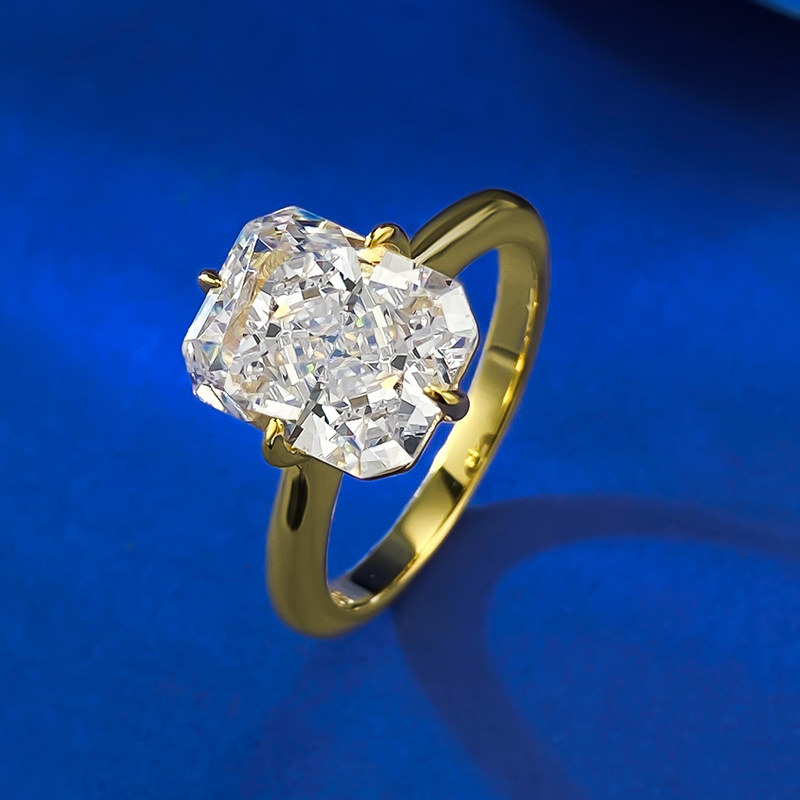
Online Jewelry Buying Checklist: Questions to Ask Before You Buy
Shopping for fine jewelry online should feel exciting, not risky. The right questions help you compare pieces, verify quality, and avoid expensive surprises Before You Buy. That matters whether you’re choosing a diamond ring, a pendant, or a chain you’ll wear every day.
A solid checklist covers the basics: product details, craftsmanship, pricing, sizing, shipping, returns, and long-term care. It also helps you spot trust signals like certification, warranty coverage, clear photos, and plain-language policies. If a listing can answer your questions clearly, you’re already in a better place.
Why the online jewelry buying checklist questions to ask matter
Buying jewelry online is different from shopping in a store. You can’t hold the piece, check the prongs with a loupe, or compare sparkle under the same light. The listing has to do that work for you.
That’s why the Online Jewelry Buying checklist questions to ask are so useful. They give you a clean way to judge product pages, compare sellers, and see what you’re actually paying for. Instead of relying on glossy language, you can focus on facts like metal purity, stone grading, setting style, dimensions, return rules, and warranty terms.
The Gemological Institute of America, or GIA, has long stressed accurate grading and clear disclosure. That standard is worth following at home, too. If a retailer is serious about quality, it should be ready to explain the materials and back up its claims.
We’ve found that shoppers make better decisions when they compare total value instead of just the sticker price. A ring that looks similar in photos can differ a lot in stone quality, setting strength, or after-sale support. Which one would you rather discover after checkout?
Questions to ask about the jewelry itself
Product details are the base of any smart jewelry purchase. If a listing leaves out the metal, stone type, or setting style, it’s hard to know what you’re getting. Start your Online Jewelry Buying Checklist questions to ask with the item itself.
What metal is the piece made from?
Ask whether the jewelry is 10K, 14K, or 18K gold, platinum, sterling silver, or another alloy. Each one wears differently and changes the price.
Useful follow-up questions include:
- Is the metal solid, plated, vermeil, or hollow?
- What is the exact karat or fineness?
- Is the piece nickel-free or hypoallergenic?
- Does it have rhodium plating or another finish?
These details matter because a gold-plated piece can look similar to solid gold in photos but age very differently. For daily wear, metal choice affects scratch resistance, tarnish risk, and comfort.
What stone is used?
Whether you’re shopping for natural diamonds, lab-grown diamonds, sapphires, emeralds, or moissanite, ask the seller to name the stone clearly. A trustworthy retailer should identify the material and explain any treatments.
For diamonds, your Online Jewelry Buying checklist questions to ask should include:
- What are the 4Cs: cut, color, clarity, and carat?
- Is the diamond natural or lab-grown?
- What are the exact millimeter measurements?
- Is there a grading report from GIA, IGI, or another recognized lab?
For gemstones, ask:
- Has the stone been heated, dyed, or fracture-filled?
- Is the origin known or disclosed?
- Is the stone natural or synthetic?
According to GIA grading standards, cut quality has a major effect on a diamond’s brightness and beauty. That’s a real reason to ask for the report, not just the marketing name.
How is the stone set?
The setting affects both beauty and security. Prong, bezel, pave, halo, and channel settings all wear differently. Ask:
- How many prongs hold the center stone?
- Is the setting hand-finished or cast?
- Are the stones secured for everyday wear?
- How high does the setting sit on the finger or neckline?
A lower bezel can work well for active wear. A prong setting may show more light. The right choice depends on your style and how you plan to wear it.
Are the photos of the exact piece?
This is one of the most overlooked online jewelry buying checklist questions to ask. Some listings use polished marketing images that don’t show the exact scale, color, or shape of the item.
Ask whether the photos show:
- The exact product or a similar model
- The stone at actual size
- The jewelry on a model for scale
- Natural light as well as studio light
If you only see generic images, ask for more photos or a video. Real images help you judge proportions, and they can prevent nasty surprises.
What documentation comes with it?
A strong listing should say whether it includes a grading report, appraisal, or certificate of authenticity. These papers can help with insurance, resale, and peace of mind. If the piece has a center diamond, the report should list its grading details and the lab that issued it.
Here’s a quick look at common proof points:
| Proof Point | What It Tells You | Why It Matters |
|---|---|---|
| GIA or IGI report | Independent grading details | Helps verify diamond quality and identity |
| Appraisal | Estimated replacement value | Useful for insurance planning |
| Certificate of authenticity | Brand or material verification | Supports confidence in the piece |
| Product video | Real-life appearance | Shows sparkle, scale, and finish better than still photos |
When you build your online jewelry buying checklist questions to ask around these details, you’re buying with more confidence and less guesswork.
How to judge quality and authenticity
Pretty design doesn’t mean much if the piece is poorly made. Craftsmanship affects how jewelry wears, how long it lasts, and whether it keeps its shape. This part of the checklist should focus on build quality and authenticity.
What should I ask about craftsmanship?
A good jeweler should be able to explain how the piece was made and what standards it meets. Ask:
- Are the prongs even and secure?
- Are the edges smooth against the skin?
- Is the clasp sturdy and easy to use?
- Are accent stones matched in size and color?
- Is the back of the setting finished cleanly?
Small details tell you a lot. Tight stone seats, balanced symmetry, and a clean finish usually point to better workmanship.
How do I know if the materials are real?
Ask how the retailer verifies gold purity, diamond grading, and gemstone identity. Reputable brands should disclose testing methods or sourcing standards. If a listing says “solid gold” or “real diamond,” it should show proof.
Good online jewelry buying checklist questions to ask include:
- Is the gold stamped with its karat mark?
- Is the diamond independently graded?
- Are gemstones natural, lab-created, or treated?
- Does the retailer provide sourcing details for ethically sourced materials?
Some jewelers also work with gemologists or trained product specialists. That extra review helps reduce labeling mistakes and keeps quality more consistent.
What are the red flags?
A few warning signs should make you pause:
- Vague descriptions with missing measurements
- No mention of stone quality or certification
- Stock photos only, with no real product images
- No return window or unclear exchange policy
- Big price gaps compared with similar items
If a seller dodges direct questions, that’s a problem. Clear answers usually mean the retailer has nothing to hide.
How can I tell if the price matches the quality?
Price alone doesn’t tell the whole story. Compare the metal, stone, setting, labor, and service terms side by side. A ring that costs more may simply have a better cut, thicker metal, or stronger warranty support.
Our customers often tell us they felt more confident once they looked past the sale price and reviewed the full spec sheet. That’s where the real value shows up.
Price, value, and comparison tips
Price comparison works best when you compare the same thing. A lower price doesn’t always mean a better deal. It may mean a smaller stone, thinner metal, or weaker support after the sale.
What should the price include?
Ask whether the quoted price includes:
- The jewelry piece itself
- Center and accent stones
- Shipping and insurance
- Sales tax or import duties
- Appraisal or grading report fees
- Resizing or engraving charges
A piece that looks cheaper at first may cost more once the extras are added. Before you compare stores, make sure each one is showing the same scope.
How do I know if the price is fair?
Start by comparing similar specs:
- Same metal type and karat
- Similar stone quality and carat weight
- Comparable setting style
- Similar labor complexity
- Similar brand or retailer reputation
For diamonds, price can rise quickly at certain carat weights. A well-cut stone may cost more than a poorly cut stone of the same size, but the visual difference can be obvious.
That’s why the best online jewelry buying checklist questions to ask focus on value drivers, not just the headline price. Ask what makes one piece cost more than another.
What about discounts and promos?
Discounts can be helpful, but they shouldn’t distract you from the basics. Ask:
- Is the discount applied to the full item or only selected styles?
- Does the sale affect returns or warranty coverage?
- Is the promo temporary or tied to a minimum spend?
- Is the discount based on a real comparison price?
A deep markdown on an unclear product is still a risk. A smaller discount on a well-documented piece may be the smarter buy.
What extra services add value?
Some retailers include services that matter over time:
- Free cleaning or inspection services
- Lifetime warranty options
- Sizing support or one-time resizing
- Diamond upgrade programs
- Shipping insurance and secure packaging
Those extras can justify a higher price if they fit your needs. They can also tell you a lot about how much the seller stands behind the piece.
A simple comparison method
Use this five-step framework when applying online jewelry buying checklist questions to ask across several retailers:
- Compare the exact metal, stone, and setting.
- Review certification and documentation.
- Check shipping, tax, resizing, and return terms.
- Estimate total cost, not just base price.
- Factor in warranty and post-purchase support.
That process makes it easier to spot real value and skip impulse buys based on photos alone.
Sizing, care, shipping, and returns
The best-looking piece still has to fit, arrive safely, and work with your life. These practical details belong on every checklist.
How do I get the right size?
Sizing mistakes are common, especially with rings bought online. Ask how the retailer recommends measuring at home and whether it offers a printable ring sizer or sizing help. If you’re buying a gift, ask whether the item can be resized after delivery.
Helpful questions include:
- Is the ring true to size?
- Can this style be resized easily?
- Are half sizes available?
- What is the sizing tolerance?
- Does the band width affect fit?
For bracelets and necklaces, ask about length in inches or millimeters, clasp type, and how the piece sits on the body. A 16-inch necklace can fit very differently depending on neck size and chain style. If you need help, review the ring sizing guide Before You Order.
What care instructions should I ask for?
Different metals and stones need different care. Diamonds, colored gemstones, Gold, Platinum, and Silver all react differently to cleaners and daily wear. Ask:
- What is the safest cleaning method?
- Can I use an ultrasonic cleaner?
- Should I avoid lotion, perfume, or chlorinated water?
- How should I store the piece when I’m not wearing it?
This is one of the most useful online jewelry buying checklist questions to ask because good care keeps the piece looking better for longer. Store items separately to reduce scratching, and wipe them gently after wear.
What shipping details matter most?
Safe delivery is part of the purchase experience. Ask:
- How long does processing take?
- Is shipping insured?
- Will the package require a signature?
- Is discreet packaging used?
- What happens if the item is delayed or lost?
For gifts or timed events, timing matters. A ring for a proposal or anniversary should be ordered with enough buffer for shipping, inspection, and resizing if needed.
What return and exchange terms should I confirm?
Return policy is one of the strongest trust signals in online jewelry buying checklist questions to ask. Before You Order, confirm:
- The length of the return window
- Whether the item must be unworn
- If custom or engraved pieces are final sale
- Whether restocking fees apply
- How refunds are issued
- Whether exchanges are allowed for size or style changes
A clear, fair return policy shows confidence in the product. A vague one should make you slow down.
What if I’m buying for a gift or special event?
If you’re shopping for an anniversary, engagement, birthday, or holiday, ask about:
- Gift packaging options
- Rush shipping availability
- Engraving turnaround time
- Return flexibility for gifts
- Whether receipts can be hidden or gift-ready
These details matter more than many shoppers expect. A beautiful piece can still disappoint if it arrives late or can’t be exchanged.
If you want to compare styles, browse our jewelry collection. If you’re shopping for a proposal, explore engagement rings. For custom design, build your ring online.
Final online jewelry buying checklist questions to ask before checkout
Before you click buy, use this short list to make sure the item is ready for a confident purchase. If you remember nothing else from the online jewelry buying checklist questions to ask, remember these basics.
Final pre-order questions
- What exactly is the metal, and what karat or fineness is it?
- Is the stone natural, lab-grown, or treated?
- Does the piece include a GIA, IGI, or other grading report?
- Are the product photos of the exact item?
- What are the exact dimensions and setting details?
- Is the size correct, and can it be resized?
- What are the return, exchange, and warranty terms?
- Is shipping insured and trackable?
- Are engraving, taxes, or resizing extra?
- Will care and cleaning be easy for my routine?
If the answers are clear and consistent, you’re in a much better position to buy. If any answer feels vague, ask again or keep comparing. That’s the real purpose of an Online Jewelry Buying Checklist: helping you choose a piece you’ll still love after the box is opened.
Shop StoneBridge Jewelry with confidence
Explore pieces that pair careful craftsmanship with clear product details. Shop our lab-grown diamonds, browse our jewelry collection, or use our ring builder to customize the look you want. If you want help before ordering, contact our jewelry experts and shop with confidence today.
FAQ
What questions should I ask before buying jewelry online?
Ask about the metal, stone details, certification, sizing, shipping, returns, and warranty. Those online jewelry buying checklist questions to ask help you verify quality before you place the order. They also make it easier to compare sellers without getting distracted by pretty photos. If anything is missing, ask for it in writing Before You Buy.
How do I know if an online jewelry store is trustworthy?
Look for clear product specs, real photos or videos, contact information, secure checkout, and readable return terms. A trustworthy store should also be able to explain certification and after-sale support without hesitation. Reviews help, but they shouldn’t be the only thing you check. If the store hides basics, keep shopping.
What should I ask about diamond or gemstone quality online?
Ask whether the stone is natural or lab-grown, whether it has been treated, and whether a grading report is available. For diamonds, confirm cut, color, clarity, and carat. For colored stones, ask about origin and any enhancement. These online jewelry buying checklist questions to ask make it much easier to compare pieces across stores.
What is the most important checklist for buying rings online?
Start with sizing, metal type, setting style, stone details, and the return policy. Those five points have the biggest effect on fit, appearance, and long-term satisfaction. A ring can look perfect online and still disappoint if the size or policy is wrong. If needed, use a ring sizer before you place the order.
Should I ask about care instructions before buying fine jewelry online?
Yes, because care needs vary by metal and stone type. Ask how to clean the piece, what products to avoid, and how to store it safely. Good care helps prevent damage and keeps the jewelry looking its best. If the retailer can’t explain the basics, that’s a warning sign.
Ready to Find Your Perfect Diamond?
Explore our collection of certified lab-grown diamonds
Shop Diamonds