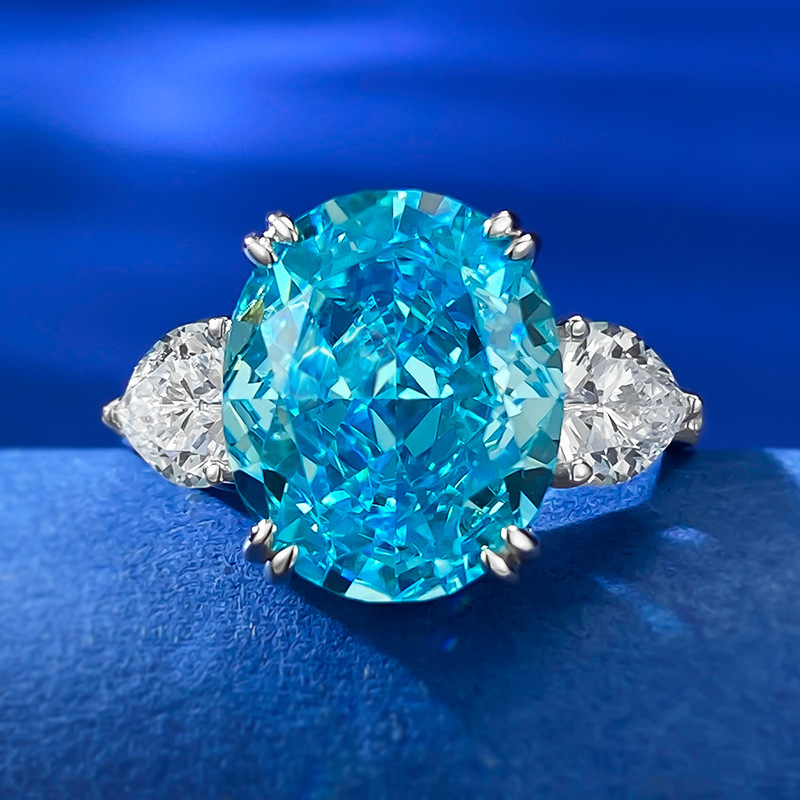
Online Jewelry Buying Checklist: Price Factors, Quality Signals, and Value
Shopping for fine jewelry online can feel simple until two nearly identical pieces show very different price tags. What creates the gap? Metal, stone quality, craftsmanship, and the service included with the sale usually explain it. A solid Online Jewelry Buying Checklist price factors plan helps you separate real value from markup.
At StoneBridge Jewelry, we focus on clear specs and honest comparisons for lab-grown diamonds and fine jewelry. Shoppers make better choices when they compare more than the sticker price. They want the full story: what the piece is made of, how it’s built, and what happens after checkout.
This guide covers the main price drivers, the quality signals that matter, and a simple way to compare two pieces side by side. By the end, you’ll have a practical Online Jewelry Buying checklist price factors framework you can use on any product page.
Why an Online Jewelry Buying Checklist Matters
Online shopping gives you more selection and easier comparison than most stores. It also removes a few helpful things you get in person, like weight, feel, and sparkle under different lighting. That’s why a checklist matters.
A good Online Jewelry Buying checklist price factors process keeps you from buying on emotion alone. It pushes you to look at the details that affect daily wear, long-term value, and repair risk.
Price by itself can be misleading. A low price may mean thinner metal, weaker prongs, or a lower-grade stone. A higher price can be fair if it includes better materials, tighter craftsmanship, and stronger buyer protection.
Use value, not just cost, as the goal. Value usually comes from:
- Metal quality and purity
- Gemstone cut, color, clarity, and carat
- Setting style and workmanship
- Certification and clear product details
- Warranty, resizing, and return terms
- Shipping, insurance, and support
When you use an Online Jewelry Buying Checklist price factors method, you’re less likely to overpay for a pretty photo. You’re also less likely to miss hidden tradeoffs that show up later.
What Drives Jewelry Pricing Online
Most pricing differences come from four areas: the metal, the stone, the work put into the design, and the service attached to the order. If you compare those four points first, the rest gets much easier.
A smart Online Jewelry Buying checklist price factors review starts with the basics. What metal is used? What stone is included? How much labor went into the setting? What’s covered if something goes wrong?
1) Metal choice
Metal type affects both price and wear. 14K gold usually costs less than 18K gold because it contains less pure gold. Platinum often sits at the high end because it’s dense, durable, and more labor-intensive to work with. Sterling silver is the most budget-friendly common fine jewelry metal, though it may need more care.
2) Gemstone quality
Diamond price depends on measurable traits, not just looks. The 4Cs — cut, color, clarity, and carat — are the standard reference used by GIA and other grading groups. A stone with a better cut or higher clarity can cost quite a bit more even if the size stays the same.
3) Craftsmanship
The setting changes both the look and the cost. A solitaire is simpler to make than a halo or pavé design. More small stones, tighter spacing, and hand-finishing usually mean more labor. That’s a big reason two rings can look similar online but land in very different price ranges.
4) Retail model and included service
Some online sellers keep prices lower because they have less overhead than a storefront. Others charge more because they include custom work, stronger customer support, or a better warranty. A fair Online Jewelry Buying Checklist price factors comparison should include those extras, not just the base price.
Quick price factor comparison
| Price Factor | What to Compare | Why It Matters |
|---|---|---|
| Metal type | Gold, platinum, silver, purity | Affects durability and cost |
| Stone quality | 4Cs, origin, grading report | Drives brilliance and price |
| Setting design | Prongs, bezel, halo, pavé | Impacts labor and longevity |
| Service terms | Warranty, returns, resizing | Changes total value |
| Shipping and insurance | Coverage, speed, signature | Affects final cost |
Metal and Stone Factors That Change the Price
The biggest swings usually start with the center stone and the metal around it. Once you know those two pieces, the rest of the price starts to make sense.
A careful online jewelry buying checklist price factors review should separate metal cost from stone cost. That makes it easier to see where your money is going.
Metal types and how they compare
Gold
Gold stays popular because it balances beauty and durability. The karat tells you how much pure gold is in the alloy.
- 14K gold: More durable and usually more affordable
- 18K gold: Richer color and a higher gold content
White gold is often plated with rhodium for a bright finish, so it may need maintenance over time. Rose gold has a warm tone and often prices close to yellow gold of the same karat.
Platinum
Platinum is naturally white and denser than gold. It wears well and resists tarnish, but it usually costs more. Many shoppers choose it for engagement rings and heirloom pieces because it feels substantial.
Sterling silver
Sterling silver is attractive and accessible. It works well for gifts and fashion-forward styles. It’s less expensive than gold or platinum, but it may tarnish and need more polishing.
Diamond and gemstone price drivers
Diamond prices can change fast based on quality. Two stones with the same carat weight may differ a lot in value because of cut, color, and clarity. GIA notes that cut has a major impact on brilliance, and that’s easy to see once you compare stones side by side.
Key drivers include:
- Carat weight: Larger stones usually cost more per carat
- Cut: Excellent or ideal cuts often cost more because they sparkle better
- Color: Whiter stones tend to be pricier
- Clarity: Cleaner stones usually cost more
- Shape: Round brilliant diamonds often carry a premium because demand is high
Setting style and visual impact
The setting changes how large a stone looks and how protected it is. A halo can make a center stone appear bigger. A bezel adds protection. Pavé and micro-pavé settings use many tiny stones, which raises labor time and often raises price.
That’s why an online jewelry buying checklist price factors comparison should include the setting, not just the center stone. The setting affects comfort, durability, and maintenance.
Lab-grown diamonds as a value option
Lab-grown diamonds give shoppers a clear value choice. They have the same physical, chemical, and optical properties as mined diamonds, yet they often cost less for a comparable look. That can free up budget for a larger center stone, a better cut, or a stronger setting.
Many customers use the savings to improve the full design. If you’re comparing options, shop lab-grown diamonds to see how style and value can line up.
A smart online jewelry buying checklist price factors approach doesn’t treat lab-grown diamonds as second-tier. It treats them as a practical way to get more for the money.
Craftsmanship, Design, and Certification Signals
A pretty piece can still be poorly made. The finishing matters, because it affects how the jewelry wears and how long it lasts.
Your online jewelry buying checklist price factors review should check structure, finish, and stone security. Thin prongs, uneven spacing, and rough edges are warning signs.
Craftsmanship details to inspect
Look closely at photos, videos, and product specs for:
- Prong symmetry and thickness
- Even stone placement
- Smooth edges and polished interiors
- Secure clasps and hinges
- Clean metal finish
- Balanced proportions between band and center stone
More complex designs usually cost more because they take more time to make. A shared-prong eternity band or a halo ring needs more precision than a plain solitaire.
Why certification matters
Certification gives you a better way to compare stones. For diamonds, GIA and IGI are respected names that publish grading reports. Those reports help verify the 4Cs and reduce guesswork.
A grading report doesn’t tell you everything, but it does give you a reliable baseline. If you’re shopping online, that matters. A strong online jewelry buying checklist price factors process should ask whether the product page and the certificate match.
Transparency is a trust signal
Good retailers show:
- Clear measurements
- High-quality photos and videos
- Metal and stone details
- Grading report information
- Return and warranty terms
- Care instructions and support options
Industry guidance from GIA and IGI helps set expectations, and retailer details should line up with those standards. If a piece is priced much higher than similar items, the reason should be easy to spot.
If you want to compare custom options, use our ring builder and see how stone size, metal, and setting style affect the final price.
How to Judge Value Beyond the Sticker Price
The sticker price only tells part of the story. A more expensive piece can still be the better buy if it’s made better and comes with better service.
A reliable online jewelry buying checklist price factors method looks at the total package. That includes what you’re getting now and what you may need later.
Compare the full cost of ownership
Before You Buy, ask:
- Is resizing included?
- Does the warranty cover manufacturing defects?
- Are returns free or easy?
- Is shipping insured?
- Is routine maintenance offered?
- Will the seller help if the piece needs inspection or repair?
A ring with a slightly higher price but free resizing and a strong warranty may cost less over time than a cheaper ring with extra fees.
Use a side-by-side checklist
When two pieces look close, compare them this way:
- Match the basics: metal, stone size, and setting type.
- Check the grades: cut, color, clarity, and certification.
- Inspect the work: prongs, polish, symmetry, and finish.
- Review service: warranty, returns, shipping, and insurance.
- Think long term: comfort, durability, and upkeep.
This makes an online jewelry buying checklist price factors decision much clearer. If one item costs more, you can usually see why.
When a higher price makes sense
A higher price may be worth it when it buys:
- Better diamond performance
- Stronger metal
- Cleaner craftsmanship
- Better certification and disclosure
- Better customer protection
Sometimes the lower price is the right call. If two pieces are nearly identical in quality and build, the cheaper one may be the better value. Why pay more if you don’t get more?
If you’re still comparing styles, browse our jewelry collection and review the details side by side.
Buyer Questions to Ask Before You Add to Cart
A polished product page can still leave out the details that matter after delivery. Fit, care, shipping, and security all play a part in whether you’ll be happy with the piece.
Your online jewelry buying checklist price factors review should include these questions before you place the order.
Sizing and fit
Rings should be sized carefully. Use a trusted ring size guide and check whether the style runs true to size. Wider bands often feel tighter than slim bands.
Bracelets should fit comfortably without pinching. Necklaces need the right length for the neckline and layering plan. Earrings should be checked for post length, drop length, and back style.
If sizing is unclear, read our ring sizing guide Before You Buy.
Care and maintenance
Fine jewelry lasts longer with basic care. Some materials need more attention than others.
- Gold and platinum: Usually easy to clean with gentle care
- Sterling silver: May tarnish and need more polishing
- Pavé and halo settings: May need stone checks now and then
- Lab-grown and mined diamonds: Both benefit from safe storage and regular cleaning
A lower price can lose its appeal if the piece needs frequent repairs. A thoughtful online jewelry buying checklist price factors strategy includes upkeep costs, not just checkout cost.
Shipping, insurance, and returns
Before You Order, review:
- Delivery timeline
- Insured shipping coverage
- Signature requirements
- Return window
- Return condition rules
- Exchange or resizing policy
Secure checkout matters too. Clear tracking and safe payment systems reduce stress, especially on higher-value purchases.
Quick pre-purchase checklist
- Confirm metal type and purity
- Review stone specs and the grading report
- Check setting style and construction
- Verify sizing and measurements
- Read the warranty, resizing, and return terms
- Check shipping, insurance, and delivery timing
- Compare the piece with similar options
This is where an online jewelry buying checklist price factors framework pays off. It keeps the decision grounded in facts.
Final Checklist Before You Buy
Before You Buy, make sure you’ve checked the essentials: metal, gemstone quality, craftsmanship, certification, sizing, warranty, and returns. That’s the core of a smart online jewelry buying checklist price factors process.
If two pieces look alike, compare the details that affect long-term value. A higher price should be backed by better materials, better construction, or better service. If it isn’t, the lower-priced piece may be the smarter buy.
StoneBridge Jewelry makes comparison easier with clear product details and quality-focused collections. If you’re ready to shop, browse engagement rings, explore our jewelry collection, or contact our jewelry experts for one-on-one help.
The right checklist turns a crowded product page into a clear decision. It helps you buy a piece that Fits Your Style, budget, and expectations.
FAQ: Online Jewelry Buying Checklist and Price Factors
What should I check before buying jewelry online for the first time?
Start with the basics: metal, stone details, size, return policy, and warranty. Then look at the grading report, shipping terms, and whether the seller offers resizing or support after the sale. First-time buyers often miss the fine print, and that’s where surprises tend to hide. A good online jewelry buying checklist price factors review keeps those surprises to a minimum.
How do I know if an online jewelry price is fair?
Compare similar pieces using the same metal type, stone quality, and setting style. Then check whether the price includes service features like insured shipping, returns, resizing, or a stronger warranty. If one piece costs more, the reason should be easy to explain. That’s the fastest way to use an online jewelry buying checklist price factors approach with confidence.
Are lab-grown diamonds a good value when shopping online?
Yes, lab-grown diamonds often offer strong value because they can deliver the same look and durability as mined diamonds at a lower price. That can let you choose a larger stone or a better setting without stretching your budget. Many shoppers use the savings to improve the overall design instead of settling for less. In a online jewelry buying checklist price factors comparison, they’re often a smart option.
Which jewelry price factors matter most for engagement rings?
The biggest factors are metal type, diamond cut, carat weight, clarity, and setting design. Certification matters too, because it gives you a clearer way to compare stones. According to GIA grading standards, cut has a big effect on brilliance, so it’s worth paying attention to. A careful online jewelry buying checklist price factors review can help you spot where the value really is.
What hidden costs should I look for before I buy jewelry online?
Watch for resizing fees, return shipping, insurance gaps, and repair costs after the sale. Also check whether the warranty covers manufacturing defects or only limited issues. A cheaper price can turn out to be more expensive once those fees show up. That’s why a full online jewelry buying checklist price factors check should include the total cost of ownership, not just the listing price.
Ready to Find Your Perfect Diamond?
Explore our collection of certified lab-grown diamonds
Shop Diamonds